If you think life as a PhD student is just about boring books and endless research, think again! My last few weeks have been a whirlwind of cool events, amazing people, and lots of learning. Let me take you on a quick tour.
A Dive into Enabling Technologies at Stuttgart
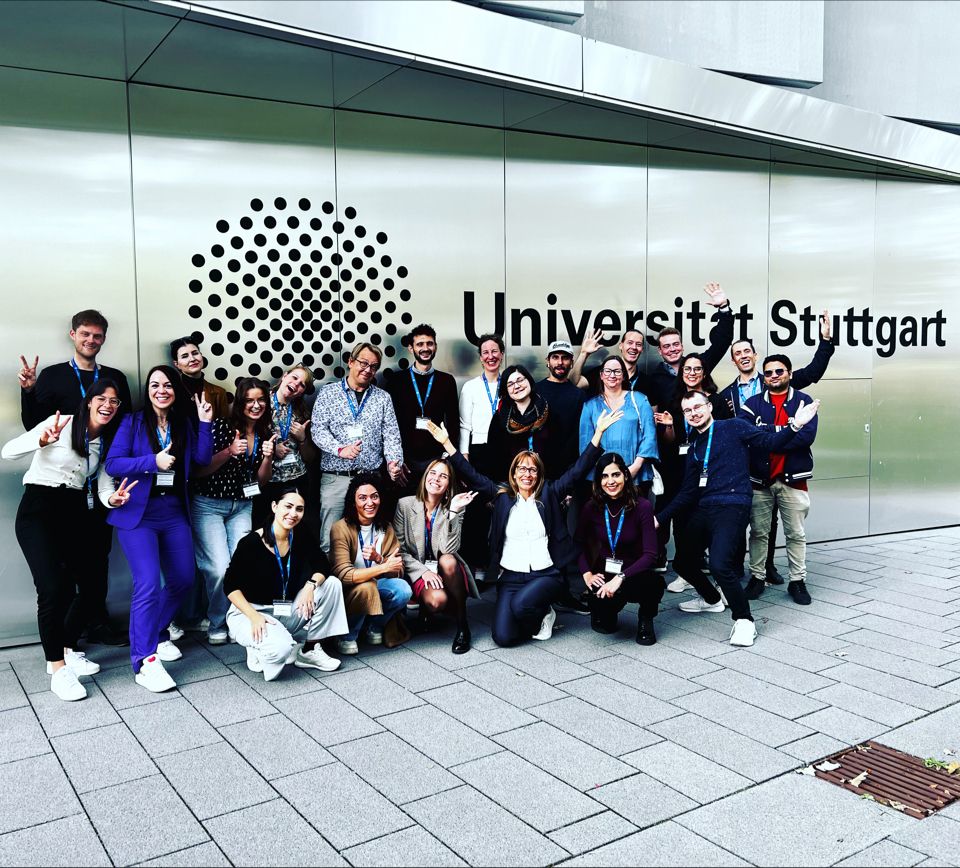
In the heart of October, I found myself amidst the historic beauty of Stuttgart, ready to attend a workshop hosted by the University of Stuttgart. The central theme of the event revolved around enabling technologies and their pivotal role in the digital transformation.
The workshop spread over three days, promised – and delivered – a potpourri of informative sessions, panel discussions with industry stalwarts, and glimpses into the future of digital advancements. From discussing AI and data’s role in research to exploring the dynamics of enabling technologies for ecosystems was genuinely enriching.
A personal highlight for me was the chance to present my ongoing research project on the implementation of collaborative robots (or cobots) in SMEs. It’s a subject I’m deeply passionate about, as emphasized in my paper titled “Cobots in SMEs: Processes, Challenges, and Success Factors”. The feedback and interactions that followed the presentation were invaluable, offering diverse perspectives and new angles to consider in my research.
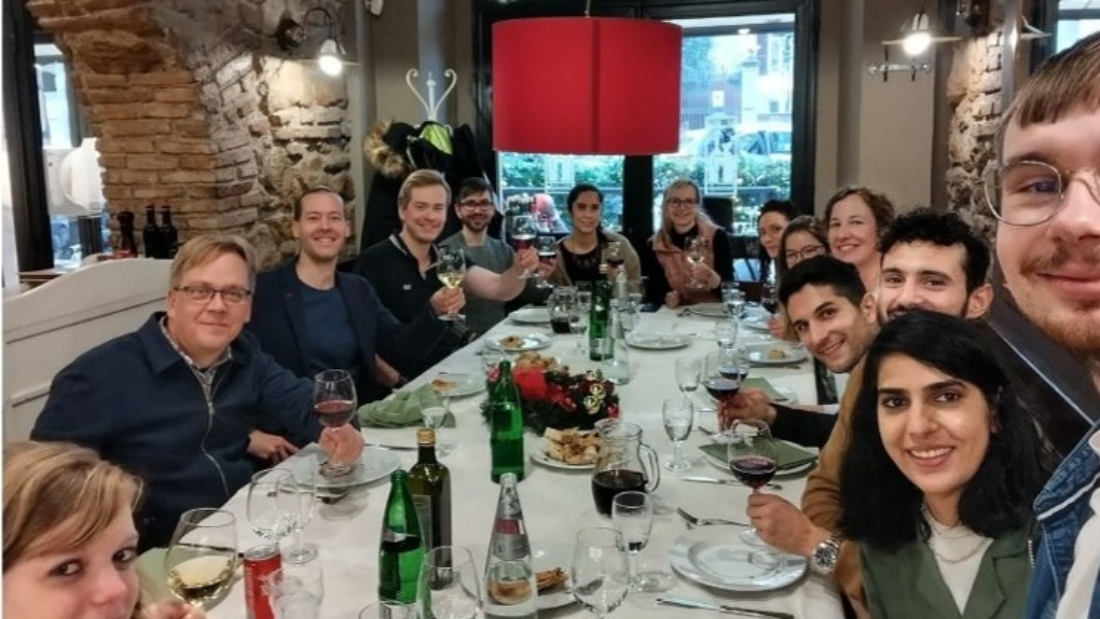
Participants at the EINST4INE Workshop in Stuttgart (Source: photo taken by Christina Theodoraki)
A Taste of Local Culture
Before the intellectual marathon began, a few colleagues and I took a cultural detour to the vibrant Wasen event in Stuttgart. It was a delightful amalgamation of tradition, laughter, and shared memories – a perfect start to an intense week.
Reaching Out to the World
Another proud moment was presenting my conference paper remotely at the IEEE TEMs conference in Lithuania. The virtual platform extended the reach of my work to a global audience. Engaging with professionals and academicians from different corners of the world brought forth a myriad of viewpoints, making the experience thoroughly enlightening.
Looking Ahead
The journey, as they say, is never-ending. As I pen down these words, I’m in the midst of preparing a poster presentation for the upcoming World Open Innovation Conference in Bilbao, Spain, this November. I’m eagerly looking forward to further collaborations, feedback, and the joy of sharing my work with a broader audience.
In the world of academia, every day brings new challenges and revelations. These events and interactions have been instrumental in shaping my thought processes and providing direction to my research. I’m grateful for these opportunities and excited for the road ahead.
Until my next update, stay curious and keep exploring!
The faint hum of discussion, the air imbued with intellectual verve, and Boston’s ever-endearing charm as the backdrop: this year’s Annual Meeting of the Academy of Management (AoM) was nothing short of enlightening.
A Beacon of Knowledge in Boston
With the banner “Putting the Worker Front and Center,” the 83rd Annual Meeting brought the academic world alive in the heart of Boston, a city recognized globally for its synergy of historic charm and intellectual prowess. The AoM’s return to Boston was a significant affair, given its reputation as the most highly attended location in previous years. Over 10,000 attendees from diverse corners of the globe congregated, epitomizing Boston’s allure as an international hotspot for research and learning.
This year’s conference was a veritable smorgasbord of academic feasting. From over 1,500 in-person sessions to the inaugural Annual Meeting Opening Reception, where attendees could engage with AoM’s past and present leaders. Notably, a cutting-edge online platform facilitated interactions, allowing participants to review the program, coordinate schedules, and immerse in spirited discussions.
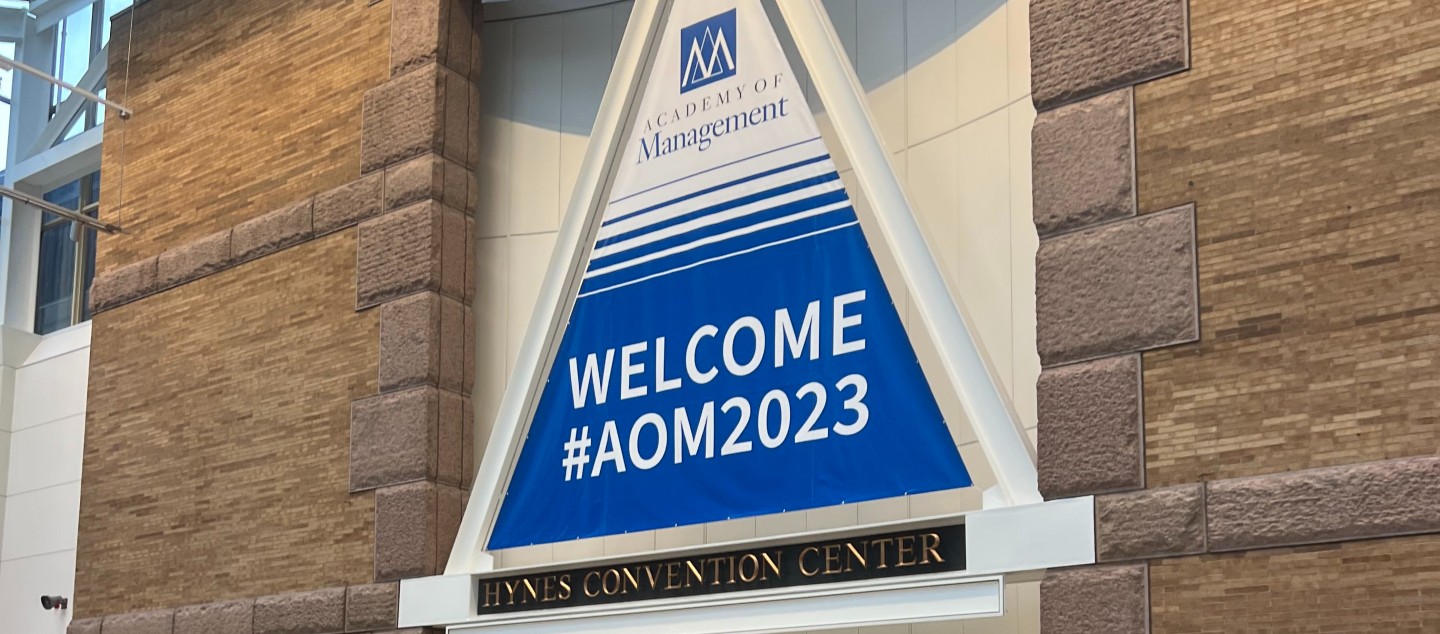
AoM23 Welcome Sign. Source: own photo.
A Day at the Doctoral Consortium
Among the variety of events, one that significantly resonated with my academic pursuits was the Doctoral Consortium at the Boston Hynes Convention Center. This event holds a unique significance, bridging doctoral students from across the world, facilitating discussions on a myriad of topics and workshops tailored to mold the academic leaders of tomorrow.
The day began with the scent of freshly brewed coffee and a light breakfast, providing an informal ambience for attendees to mingle. As the hours unfolded, the consortium delved into a range of sessions: from crafting job talks to understanding the emotional and mental nuances of transitioning to faculty roles. One particularly poignant segment was the Keynote Speech by Rajshree Agarwal on “Fostering your own enterprise.” Her insights, combined with the wisdom imparted by various faculty panels, made the consortium an enriching experience.
The lunchtime roundtable on research pitches was particularly close to my heart. It was here I had the opportunity to present my project, focused on understanding the interaction models of collaborative robots in organizations. The feedback from peers and mentors was invaluable, aligning with my objectives, such as exploring technology acceptance and its overarching impact on organizational performance. This consortium, coupled with the insights and critiques I received, has been instrumental in steering my research of collaborative human-robot interaction towards a clearer goal.
As dusk approached, the consortium attendees gathered for an off-site dinner at the Back Bay Social. While enjoying Boston’s tasty food and nice atmosphere, our day’s talks easily turned into friendly chats, helping us build work friendships.
Reflecting on the Odyssey
Attending the 83rd Annual Meeting of the AoM has been more than just an academic excursion; it was a journey of personal and professional growth. The myriad discussions, panels, and networking opportunities bolstered my understanding, expanded my horizons, and solidified my passion for exploring the realms of collaborative robots in organizations.
In essence, this Boston odyssey has not just been about gaining knowledge but about making connections – with academia, peers, and the deeper nuances of my own research. As I left the city, I carried with me not just memories but a renewed zeal, ready to tackle the challenges of the 21st century related to management and organizations.
“The best way to predict the future is to invent it.” – Alan Kay
Hello everyone! I’m happy to share some experiences that I’ve made during the last month. Recently, I had the incredible opportunity to accomplish my academic secondment at Aarhus University in Denmark and attend the European Robotics Forum in Odense with my EINST4INE colleague Alejandra Rojas.
ERF23
The European Robotics Forum (ERF) is an annual event that brings together experts in robotics from industry, academia, and government to discuss the latest developments in the field and explore potential collaborations. The forum is organized by the European Robotics Association (ERA) and typically features keynote speeches, technical sessions, panel discussions, and exhibitions showcasing the latest robotics technologies and applications.
The ERF serves as a platform for researchers, engineers, and entrepreneurs to exchange ideas and knowledge on a wide range of topics related to robotics, including industrial automation, healthcare robotics, service robotics, and artificial intelligence. It is also a forum for policy makers and industry leaders to discuss the challenges and opportunities presented by the rapidly evolving field of robotics, such as ethical and legal considerations, workforce training, and investment strategies. Even Crown Prince Frederick, His Royal Highness of Denmark, attended the event this year!
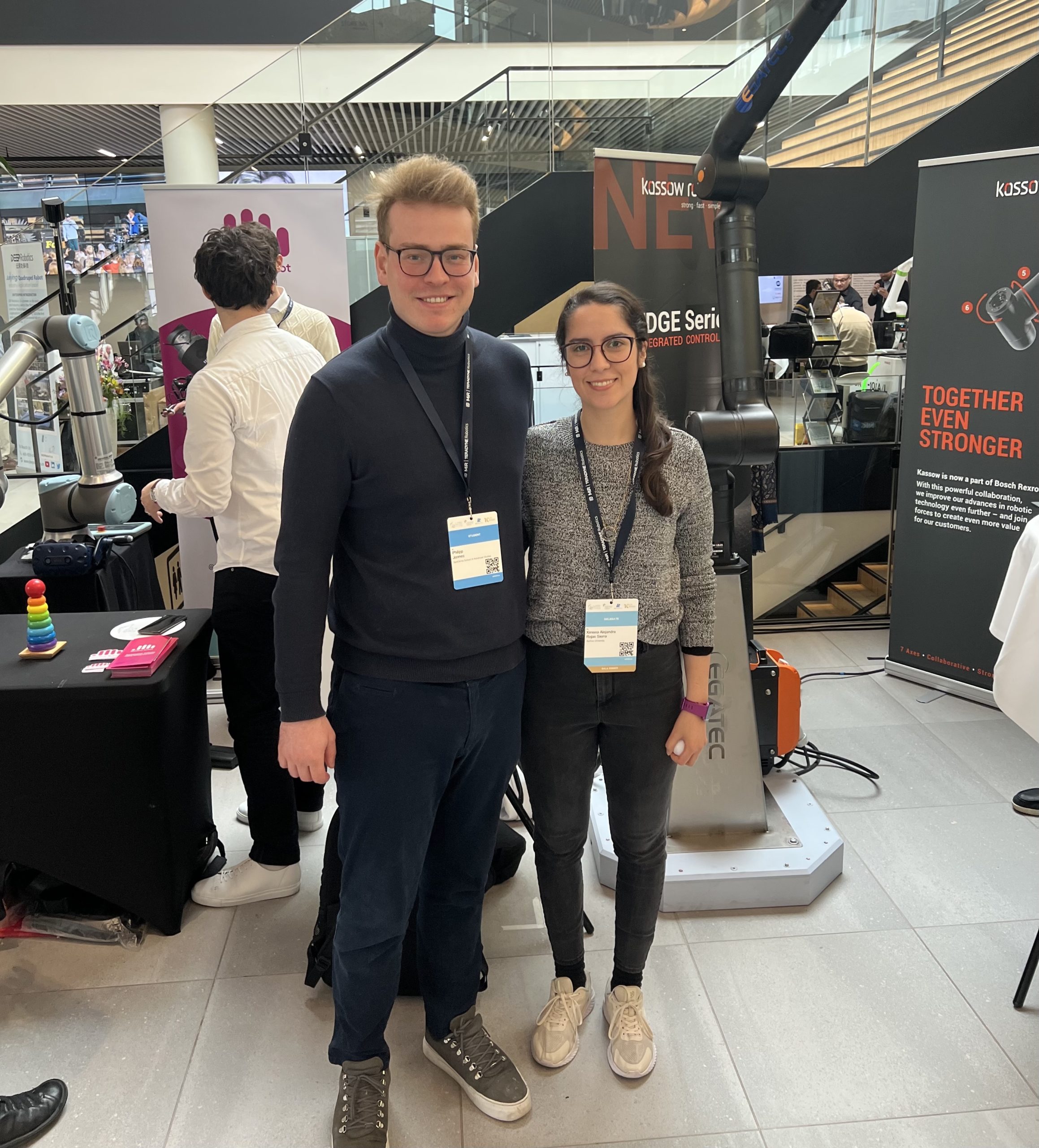
ERF23 with EINST4INE colleague Alejandra Rojas. Source: own photo.
As a visiting researcher, I was thrilled to be able to connect with so many people who are passionate about robotics and human-robot interaction. I was able to learn about the latest developments in this field. I was particularly interested in discussions surrounding collaborative robots, which are designed to work alongside humans in manufacturing and other industries. During the forum, I had the pleasure of engaging with some brilliant minds, from both the academic and practitioner side. Their contributions to the discussions were invaluable, and I learned a lot from them.
Exploring the Fascinating World of Robotics
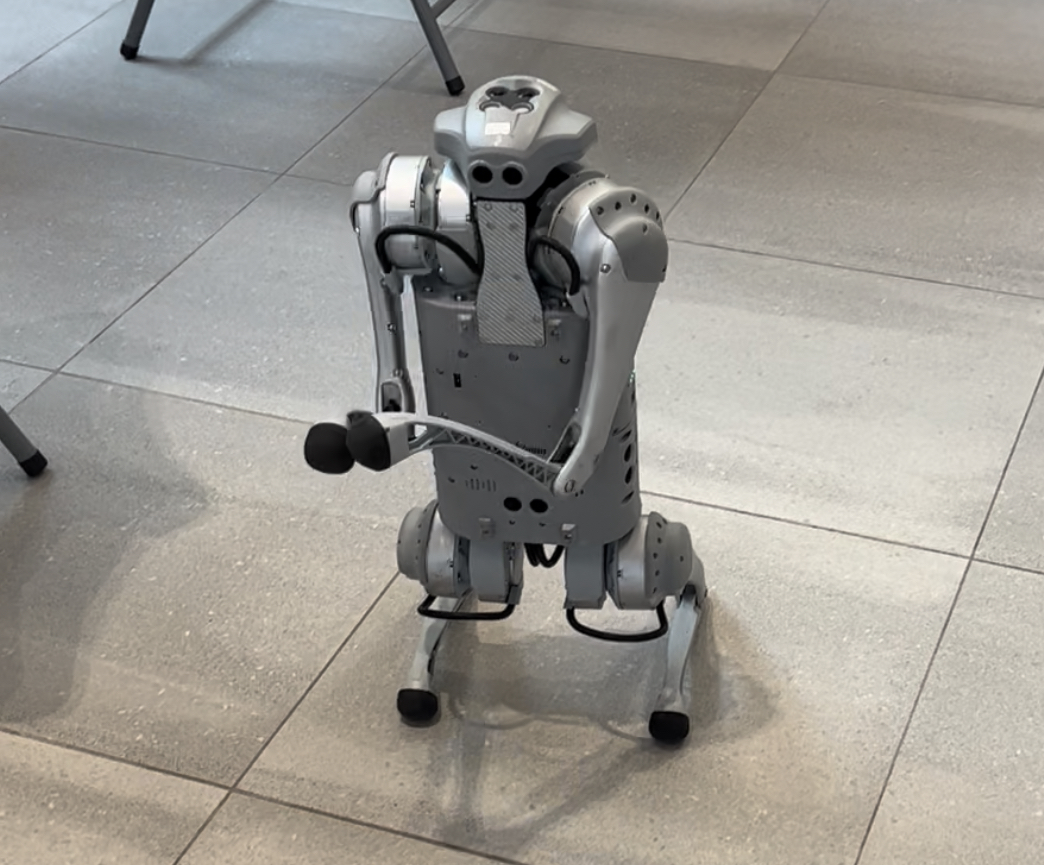
In addition to my research on collaborative robots, I’m also fascinated by other robotic technologies such as drones and robotic dogs. These technologies are shaping our world in profound ways, and I believe they have enormous potential to improve our lives. For example, drones have the ability to conduct aerial surveys, deliver packages, and even help with search and rescue missions. Robotic dogs, on the other hand, can be used in a wide range of applications, from military and law enforcement to assisting people with disabilities. I find the intersection between these technologies and human needs to be particularly interesting, as it challenges us to think about how we can design and use robots in ways that are safe, ethical, and beneficial for society as a whole.
Robotic Dog ERF23. Source: own photo.
The Journey Goes On
Aside from the forum, I also spent time at Aarhus University, where I was conducting interviews with SMEs located around Denmark. These interviews are an important part of my research, as I’m studying the implementation of social and collaborative robots in organizations. By understanding the effects of cobots on an individual and firm-level, I hope to achieve a clearer understanding of cobot implementation processes, organizational opportunities and challenges.
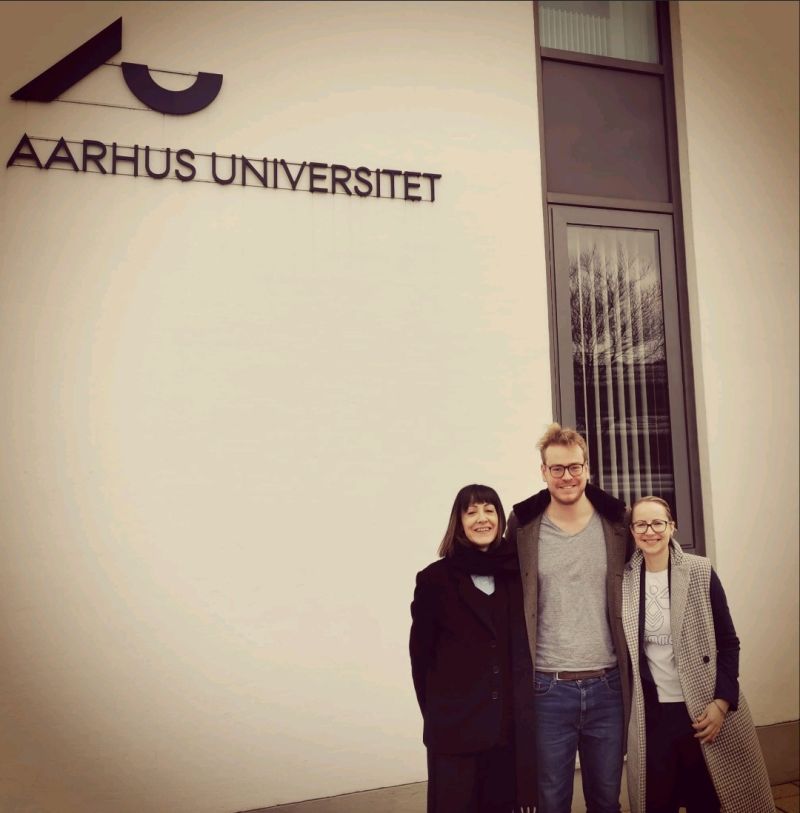
Visit at AU with Agnieszka Radziwon and Cristina Marullo. Source: own photo.
Overall, my trip to Denmark was an amazing experience, and I’m so grateful for the opportunity to connect with so many brilliant minds in the robotics field. I’m excited to continue my research and see what developments the future holds for human-machine interaction models. I am also looking forward to the next EINST4INE Summer school and see my ESR friends in person again. Thanks for reading!
Digital technologies have changed innovation in organizations. Online communities, digital content providers, or online platforms are new formats that make collaboration between many innovators possible. Innovation nowadays can take many different forms; one is hackathons.
Hackathons
Hackathon participants at work (picture: Ultrahack).
The fast-paced innovation format is based on the collaboration of a group of people, sometimes friends or colleagues, or strangers, that meet up to find solutions to specific problems.
Hackathons are usually two to three-day events at which many people come together to be creative and develop solutions to challenges. An event commonly lasts for about 48 hours, but the exact duration can vary.
The group of people that cooperate in a hackathon generally consists of around 2-6 individuals. They collaboratively analyze a problem and develop a solution for a challenge. Many hackathon participants regularly compete in hackathons. Participants work on their own laptops and communicate and collaborate in person or online through digital platforms. Inclusion is an important part of hackathons, and including colleagues is key, particularly those participants that have not attended an innovation competition before.
What participants like about hackathons and what makes an event interesting for them are:
a positive atmosphere
developing or learning new skills
collaborating with nice people
Group communication among all hackathon participants and for each team is set up in a way that participants and team members can easily stay in touch with one another. Digital platforms are often used for this purpose, such as Slack, which offers various chat rooms for teams to collaborate.
Hackathon events often include some of the following aspects:
Well-defined challenges with clearly identified problems
Solvable challenges – the stated challenge(s) can be solved, and coming up with a solution is achievable
The challenge can be accomplished in the limited time of the hackathon
Registration deadline for participants – the organizer often defines a maximum number of participants that can join a hackathon
Various skill levels can be integrated
In a broader sense, hackathons are nowadays also used as a creative format for problem-solving. The format can be centered around technology, but it does not necessarily have to be that way.
The organization of an interesting hackathon event is often built around:
A welcoming session with a short welcome to everyone present (online or on-site)
An introduction of the organizers
Acknowledging the event sponsors
Mentioning the hackathon purpose
Practicalities such as the schedule of the hackathon, important steps along the way, and information regarding the sessions for workshops, lunches, and dinners
Information about some basic rules or a code of conduct, to give a guideline and make the event enjoyable for everyone
Information regarding mentoring for participants etc.
Encouraging people to share information and communicate about the progress of their projects
At the end of a hackathon, after the award ceremony, applause is given to the winners. Yet the community celebrates not only the winners but all participants for having participated, as participation is seen as an achievement by itself.
As the four main pillars that constitute my research topic at EINST4INE relate to ecosystem research, digital transformation, environmental sustainability, and Open Innovation, I would like to tell you a little about what I have learned in the intersection between technology and ecosystems. While some of my fellow EINST4INERs have similar research interests in ecosystem research, I hope to complement their thoughts on what ecosystems actually are and how they form.
Many paradigms nowadays emphasize the need for companies to adopt novel and disruptive technologies to stay afloat. Through such paradigms, like Open Innovation, business executives in today’s digital age have access to hundreds of new technologies that may revolutionize their operations and the quality of service they provide to customers, as collaborations and other types of connections enable companies to leverage the force of digital technologies, without having to create them in-house.
However, adopting cutting-edge technology isn’t enough to achieve these objectives; companies also need to know how to put such tools to good use for their operations and their consumers. This requires resources like time, funds, and expertise, which may be in short supply.
As such, how can businesses use the benefits of cutting-edge innovation and speed up the delivery of value to their customers?
Curating ecosystems is one solution: businesses should collaborate with one another, aligning talents and pool resources to develop ground-breaking new goods and services and shorten the time it takes to get them to market. And this is precisely what many businesses are doing.
As Gianlorenzo has given an overview of the different types of existing ecosystems, I felt the need to set the prerequisite of what ecosystems are not (based on Adner, 2017):
Business models based on ecosystems are not the same as supply chains. Tiers of suppliers in a supply chain feed into an ultimate point of value creation, but the suppliers themselves are neither part of the brand promise nor material to the value generated, although top suppliers may be quite important.
Then, platforms per se, are not ecosystems. While every platform has an ecosystem and is often the keystone actor (an ecosystem actor with a strong influence despite being relatively few in number. The term comes from the biological term of keystone species), there is a narrow focus on technology and transactions. Indeed, while platforms are concerned with interface governance, ecosystems are concerned with structures of interdependence.
Older terms and arrangements like Networks and Alliances have a similar connection as in ecosystems, however, these mostly focus on patterns of connectivity. In this sense, for Networks and Alliances, the focus lies more on actor ties rather than the value proposition, and just like for platforms, there is not enough focus on the structure of interdependence.
Open Innovation (OI) has also been related to ecosystem research. One could argue that OI provides a rather micro-perspective, taking into account the firm strategies. However, ecosystem literature applies a rather macro-vision, which helps us gain insights into the multilateral coordination between ecosystem partners in their quest to align their strategies to provide value.
Adner (2017) finds other similar structures which can be distinguished from ecosystems.
But, if we take a glance around, we can see that businesses of all stripes are attempting to implement ecosystem business models and, in many instances, even orchestrating their own ecosystems in an effort to generate profits. In Jessica’s post, ecosystem orchestration is defined as “hub players” taking the lead, where she clearly defined what an orchestrator is.
Of course, for companies, occupying the orchestrator or “hub actor” position can be beneficial for several reasons such as having a more centralized knowledge about the ecosystem, compared to other actors. However, orchestration is not necessarily easy:
The present academic literature tends to focus on successful long-standing ecosystems, which greatly looks at the organizational capabilities of firms, related to the success of their overall ecosystem. However, some scholars have extended this notion to the capabilities of the environment in which an orchestrator thrives, meaning that the success of the hub actor and the ecosystem depend on the architecture of the network, and how the network interacts with its environment.
From this, two streams of literature have emerged:
First, we can consider intentionally created ecosystems, departing from the definition of the overall value proposition that the ecosystem is supposed to achieve, and assembling actors that can contribute to the value creation and transfer in the ecosystem.
Second, we can consider the assemblage of different actors, who create and co-evolve a common value proposition together.
There are certainly differences in terms of processes and mechanisms of orchestration between the two approaches, however, some universal challenges that can impact orchestration overall can be distinguished (among others):
Leadership: some researchers argue for the importance of a hub actor who should facilitate the interaction between actors. However, not every firm has the capabilities to become an orchestrator and gather the efforts of all actors that ultimately define the success of the ecosystem.
Platforms: most platforms offer a space for orchestration as they, in some way, build the base for the ecosystem. Here the platform orchestrators can leverage several benefits such as Network Effects (when the value or utility of a service or product is defined by the number of users). Platforms and their surrounding ecosystem represent the most successful businesses nowadays as they achieve economies of scale very rapidly. That does not mean, however, that being successful is given… first, because network effects can also backfire (e.g. see Network Effects Aren’t Enough) and second, because what makes your platform successful can also make another platform successful!
Actor role & position:one of the dangers of maintaining good relationships with actors is the way an orchestrator treats its connections. When shifting from a traditional business model, some focal firms tend to see actors as suppliers rather than a relationships. This implies a shift or adaptation of business models to current ecosystem standards.
Finding the right business model: Ecosystem relationships imply a different strategic model that needs to contemplate the management of inter-and intra-actor relationships as well as the governance and coordination between multiple parties
External factors:As trust is crucial for successful collaborations, hub actors need to depart from their self-interest view and focus on shared efforts, which is necessary for the long-term success of an ecosystem. This can be understood as gaining legitimacy, not only within a given ecosystem but also gaining acceptance from the environment and society, and other institutions as a whole. Other external factors can also comprise the competition: an ecosystem formation can improve the current market conditions for the players, but also for the competition. Thus, orchestration necessitates a lot of coordination, management, and governance efforts to not be overthrown by competing ecosystems and their value propositions.
Although there are other factors that play a role in ecosystem orchestration (e.g. capabilities, modularity, complementarity, bottlenecks, etc.) for the sake of brevity and comprehension I have limited these to the challenges mentioned above.
What amounts to all of this is that the current literature provides examples of how ecosystems can be orchestrated, but there is still a lot to learn from failed ecosystems. Successes can give a lot of insights into “good practice” strategies, but these are not said to work for every ecosystem, precisely because of the heterogeneous nature of participating actors, and their environments.
Thus, while some research has looked at the “dark side of ecosystem orchestration” (Oliveira & Lumineau, 2019), which can impact a firm and impede the capacity of complementors and consumers to innovate, more insights from failures cases could tell us a lot more about what can go wrong during the orchestration process, as well as insights into ecosystem governance mechanisms and even organizational capabilities needed to support ecosystem orchestration.
While we will see or recognize more such failures in the future, I am sure that their lost efforts will have an ultimate purpose, which is the benefit for academia to study why some ecosystems fail and others thrive and thus, creating several implications for businesses.
References
Adner, R. (2017) Ecosystem as Structure: An Actionable Construct for Strategy. Journal of Management, 34: 39-58.
Oliveira, N., & Lumineau, F. 2019. The dark side of interorganizational relationships: An integrative review and research agenda. Journal of Management, 45(1): 231-261.
Before starting my digital transformation journey and pursuing a PhD, I had developed a strong interest in innovation. For a while, that interest was rather general and did not focus on one specific area. With a background in economic history and teaching, I liked the fact that learning and discovery processes form an important part of innovation.
Sunset at 11pm – Photo: C. Häfliger
Little did I know that a concept called “Open Innovation” existed. Widely known as the father of open innovation, Henry Chesbrough introduced the open innovation concept in the early 2000s. I became very interested in open innovation when I started to read more about innovation and strategy in various specific fields. I was also very fortunate to participate in the first intensive training at Einst4ine project where we dived even deeper into open innovation and the processes it involves. In the training, we were also introduced to current research in the field.
Open innovation refers to a distributed innovation process and can guide strategic decision making. With its focus on knowledge flows across the boundaries of organizations, it offers it offers a new way of thinking, new forms of idea development. There´s a shift away from insular thinking to seeking internal and external input and the inclusion of broader networks.
As an experienced teaching professional in higher education, I can see similarities of the open innovation concept to educational settings, where students are encouraged to approach learning with an open mindset. Similarly, open innovation requires organizations to change and facilitate the adoption of new skills. With consistent support by the organization, and learning of new skills and training, a new mindset can be developed.
Last week, we were fortunate to be able to attend a lecture by Henry Chesbrough at LUT University, when he was awarded for his outstanding achievements in strategy research. In my discussions with colleagues at university, I realized how much inspiration they drew from Henry’s work with open innovation since the early 2000s when his first book was published.
In his lecture, Henry Chesbrough’s presented some new ideas related to open innovation that I find very interesting and highly relevant for my work. Particularly, he presented an extended framework of open innovation- knowledge flows where two new types of flows were added: inside-in, and outside-out. First, inside-in knowledge flows, even though they are technically not covered by open innovation. They address issues like overcoming of internal siloes and between different groups and business units. Second, Henry Chesbrough discussed the outside-out knowledge flows. There, external knowledge is orchestrated across an ecosystem. How this is done is part of what I am trying to find out.
To sum up, as we are living in a constantly changing world, it is crucial in my opinion to teach and practice open innovation, so that we are able to solve the complex problems ahead of us more effectively.
Did you know that material handling is projected to be the biggest area of application for collaborative robots (cobots) in 2022?
Nowadays, the cobot market is booming, because this technology ensures a high-level of flexibility during manufacturing processes, economic benefits and individuals’ ergonomic advantages. But what are cobots in the first place? To develop a better understanding on what cobots are, it is important to consider the way they interact with workers.
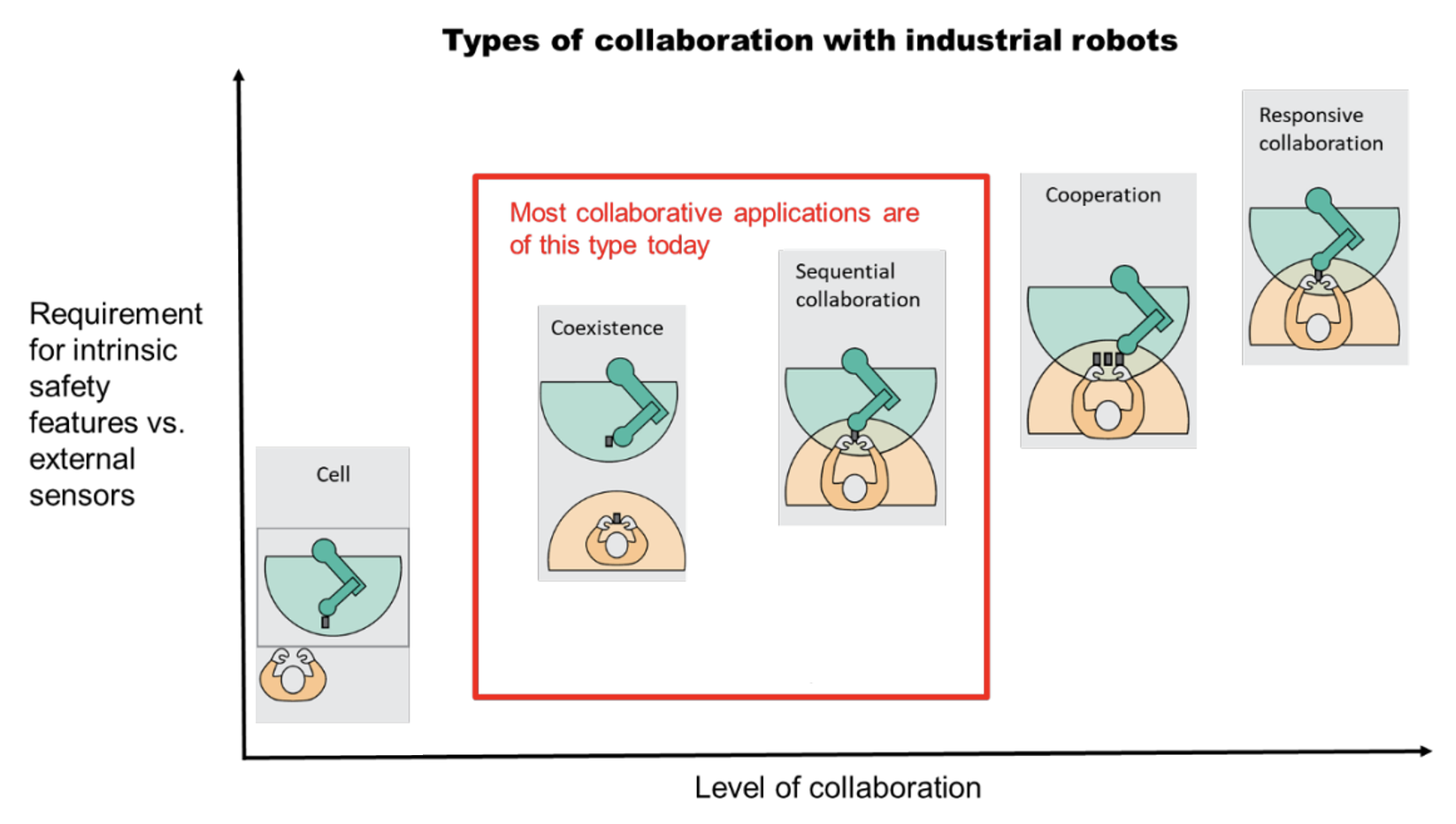
The International Federation of Robotics distinguishes between four types of collaboration between robots and human workers:
Types of collaboration with industrial robots (Source: IFA, 2018)
The interaction can be designed in a coexistent environment, in the sense that workers and robots work together without security barriers, but the workplace is not shared. This kind of interaction represents the safest type of collaboration between robots and humans. In sequential collaboration, the robot and the human worker share a workspace but the work process and movements are designed sequentially.
Furthermore, robots and human can work in motion and at the same time, which is called cooperative collaboration. Finally, responsive collaboration represents the kind of collaboration where robots respond to workers movements in real time. This type of interaction is classified as the highest level of collaboration and sets huge emphasis on requirements for robotic sensors and worker’s safety and security standards.
Nowadays, the most applicable types of collaboration are coexistence and sequential collaboration. The integration of cobots help the workers in terms of ergonomics, as the purpose of implementation is not only to increase the production efficiency but also to reduce workers’ biomechanical overload.
Conducting research
Thus, the implementation of cobots is extremely beneficial for companies that aim to improve their manufacturing processes, but also for worker’s safety.
However, the integration of this technology can be assumed as biggest challenges for companies, because of missing methodology for the analysis of workplaces. In order to detect possible workloads and fields of application, research has to be conducted. Currently I’m synthesizing and analyzing the literature in order to develop a deep understanding of the general implementation of cobots in organizations. My goal is to cluster the knowledge gained from the review and extract factors that facilitate the integration and adoption of cobots.
The journey goes on
Personally, it is an exciting and wonderful task to delve into the subject and to be guided by different perspectives and aims. It is becoming more and more apparent that technology is not just about technology alone, but much more about people. The expansion of people’s capabilities is central here.
During the last weeks we have established task forces within the EINST4INE team in order to practice and experiment some of the usual roles of a researcher including exploring matters and being empowered on project management activities. I’m happy to be part of the task forces that are responsible for technology awareness and socializing.
I’m looking forward to attend the Summer School (Spain) during July and the Robotic Conference NordiCHI (Denmark) in October. These events certainly contribute to my research as synergy drivers and it will be great to see my EINST4INE colleagues in person again.
References:
International Federation of Robotics, Demystifying Collaborative Industrial Robots, 2018. Source: https://web.archive.org/web/20190823143255/https://ifr.org/downloads/papers/IFR_Demystifying_Collaborative_Robots.pdf
Looking back at the first term of my experience as a Ph.D. researcher at LUISS Guido Carli University in Rome and as a member of the EINST4INE program, here are some things that I have learned…
Classes have a lot to offer
In today’s digital world, social media is essential
You need to get lost before you find your way
I was previously employed at a firm that specialized in market and consumer data before commencing my PhD in September 2021. And while I learned a lot about recognizing new trends and the way to do research there, I became increasingly intrigued by the way society and the economy are being transformed by digital technology. That’s why I began looking at ways that my future employment may have a positive influence on society and help to address key developments and concerns that we’re all grappling with. Because of this, when I applied to the EINST4INE program, I was eager to collaborate with like-minded academics, educators, and industry practitioners throughout Europe and beyond.
Now the beauty of the program is the established network, where we’re able to share our own experiences and build a communal one. As a result, one of the first things my close friends and family asked when I informed them I was relocating to a new country to begin my academic career was “what are you going to do there?”, “what is the program of the PhD?”
Some people were taken aback when I told them I was a PhD student taking classes, but now that I’ve been in those classes for over six months, I can see how beneficial they have been:
One of the first steps in doing research is to choose the appropriate approach. And while the topic of my research as the Early-Stage Researcher (ESR) 15 is “Linking open innovation mechanisms to reach environmentally sustainable goals”, qualitative research seems the most fitting because of the exploratory nature of the topic, quantitative research is all I’ve ever done before. Thanks to one of my supervisors, Prof. Luca Giustiniano’s contribution to the qualitative methods course as an instructor, my fellow students and I gained a thorough understanding of the many sorts of qualitative research methodologies. The course provided an overview of key perspectives related to the design of qualitative research, with emphasis on theory framing, purpose statement definition, research questions development, and sampling in the qualitative research traditions. More specifically, I had the opportunity to work with data analysis tools such as NVivo, which help with the coding, transcription, and interpretation of qualitative outputs (such as interviews).
Epistemology was another class that I learned a lot from during my first six months as an ESR. Here we touched upon the topics of philosophy of science, rationality, games and institutions, and social norms. While the most important value of the course was to iterate the reason why we do research in the first place, the course also helped us appreciate the importance of the ties that bind academics, business, and society as a whole.
Many of the other courses in the program, such as Digital Ecosystems, Digital Business Transformation, and Organization and Technology, dealt with the present impact of digital technology on the corporate environment. While open innovation seems to be a good way for organizations to remain competitive and innovative, the engagement of sources like Artificial Intelligence (AI) and Big Data appears to be essential. And, especially because the COVID crisis has prompted many businesses to go digital, I am trying to relate how companies are becoming digital and work together to eventually be environmentally sustainable.
I am able to apply the knowledge I’ve gained from LUISS courses in the weekly EINST4INE Reading Club, where we discuss research articles on a wide range of contemporary problems and connect our own research to the study of others. We engage and discuss what the readings teach us, and typically broadcast the major learnings on a social media site such as Twitter or LinkedIn.
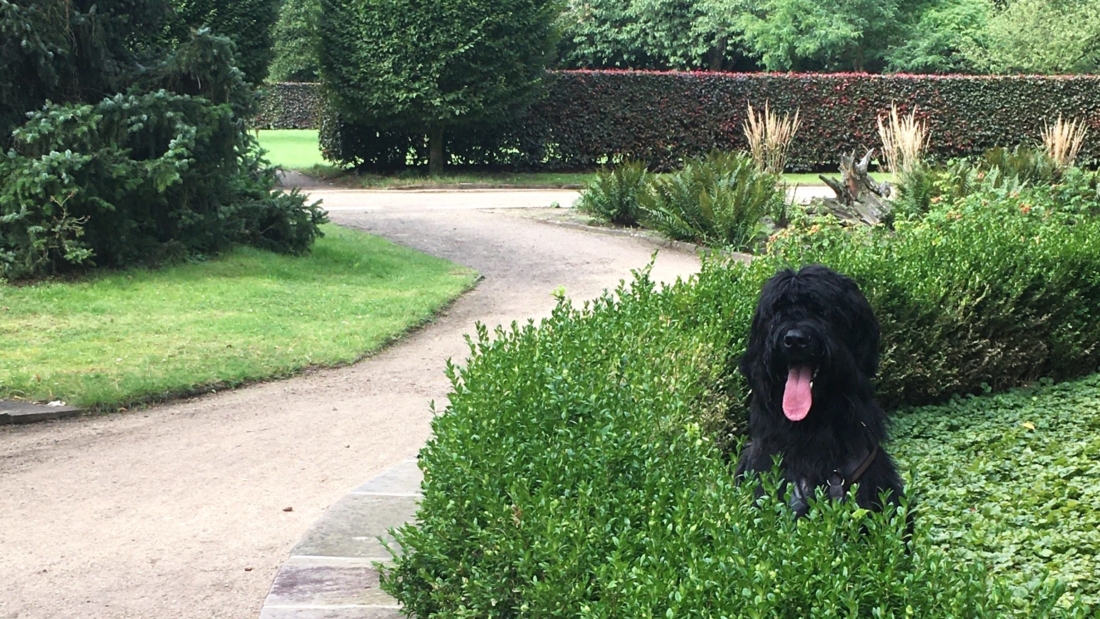
And while I’ve never really been a social-media-savvy person, my first LinkedIn post enabled me to connect with individuals from all over the globe and from a variety of study fields. I also recognized that if I want my work to have any significance, it has to be made public. Still, my private Instagram account is largely dedicated to posting photographs of my dog, but I also make an effort to speak about my research on sites like LinkedIn, Researchgate, and other similar ones since it is a fantastic way for researchers to network and keep their creative juices flowing.
For now, as an early-stage researcher, my primary focus is acquiring as much knowledge as possible on the subjects of Open Innovation, digital technologies, and sustainability. And this involves a lot of reading, which can be confusing at times…
For example, have you ever been overwhelmed by the sheer number of options of jams and chocolate spreads you can find in a supermarket? Everything about this first term has seemed the same. The more I read and attempt to understand complex concepts, the more confused I get. When I confided in my supervisor about it, she said, “This is normal, you need to get lost before you find your way”.
So while this may seem a little cheesy, it truly is the journey that matters and not the destination since you learn and give so much along the way.
The reason why I joined Einst4ine as an early-stage researcher
To address this, I must first introduce myself. My name is Syed Ali Hassan, and I have over 4 years of experience working as a software engineer in the computer vision domain, focusing on Augmented Reality (AR), Virtual Reality (VR), Mixed Reality, and Deep Learning. I began my career in Pakistan, where I received my bachelor’s degree in software engineering from Mohammad Ali Jinnah University Karachi. During my bachelor’s studies, I completed several internships related to web design and development, and I began freelancing to gain hands-on experience. After finishing my final year project on a virtual reality game, I worked as an AR applications developer for Intellexal Solutions Private Limited, as a software developer in Karachi, Pakistan. During my two years at Intellexal Solutions Private Limited, I worked on various AR-based mobile applications. My interest in innovation is the reason behind joining einst4ine as an early-stage researcher. In this post I will discuss my career goals and the several reasons of joining einst4ine with the description of my master’s thesis-based robotics project.
Working with innovative technologies is one of my greatest passions.
I prefer to collaborate with specialists from various fields.
Working on a collaborative robot project could boost my professional reputation significantly.
Working with Einst4ine could help us to win Nobel prizes and awards.
I won a fully-funded scholarship in wens lab south Korea which is situated in Kumoh National Institute of Technology South Korea so I moved to Korea to complete master’s of research. During my master’s degree tenure, I developed several solutions and published several research papers related to deep learning in computer vision domain and I also developed robotics and deep learning-based projects and managed to publish the research paper; that robotics project is the main reason behind why I joined einst4ine, because that project introduced me to robotics and helped me to understand robotics with Ai. After completing my master’s degree, I worked for a year in a software development company in South Korea. Then I was chosen for a Marie Curie-based robotics project with einst4ine, funded by the European Commission. Because I had previously worked with robots, I was able to quit my Korean employment and relocate to Italy to begin my PhD in the Sant’Anna school of advanced studies bio robotics lab, where I am working on a Marie Curie-based project managed by einst4ine. Einst4ine has diverse staff from several nations, which is beneficial when we need different perspectives from professionals in various fields. During my PhD I have an opportunity to publish my work on top ranked journals and also, I will be able to nominate myself for several big awards.
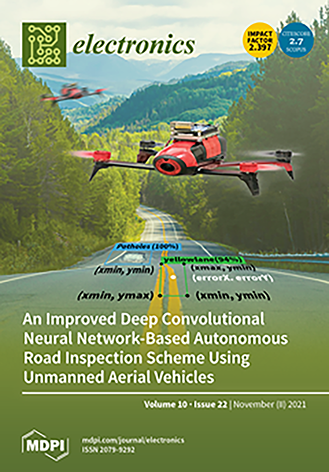
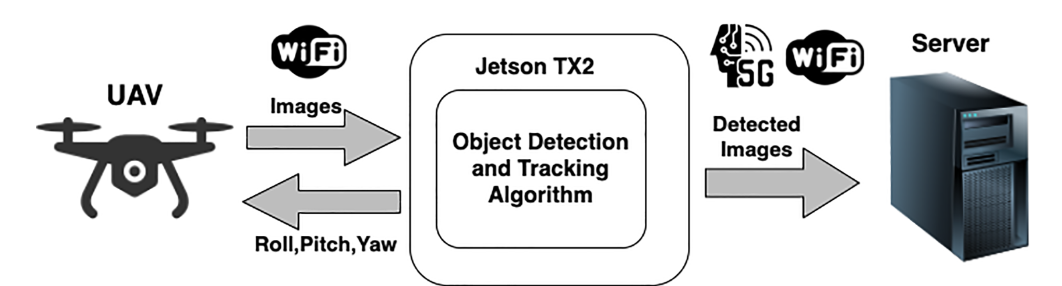
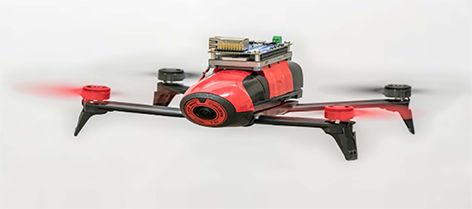
Finally, I’ve been active in creative technologies since my bachelor’s degree. When I first started programming, I started with the console, which I found tedious because I prefer to have a user interface as a result of my work not a black screen as an output. When I first started working with the AR mobile app, I was ecstatic to see a result in the shape of a 3D model appear in front of me. Further, in robotics, we can test our functioning code in a real robot, when I first developed my robotics project and tested it in UAV, I decided to advance my knowledge in robotics domain and it is one of the reasons I joined the einst4ine to work with real robots. My robot’s project was a success, and the research paper was published in MDPI electronics and chosen as the cover of the MDPI electronics journal, as seen in figure 1. “An upgraded deep convolutional neural network-based autonomous road inspection technique using unmanned aerial vehicle” is presented in [1]. In this project, UAVs can fly autonomously by identifying and tracking yellow lanes on the road, as well as detecting road cracks and potholes, and sending information about road damages to a server through WIFI or 5G medium. The architecture of this project is shown in Figure 2. The jetson tx2 is the hardware that is use to run the algorithm in the UAV and it is modified and mounted on the UAV as shown in figure 3. This project increased my interest in robotics, when I read the project details of einst4ine, I found that project interesting because that is also related to robotics, and I found this European project has many partners from academia and industry both that can be helpful for me to learn from different experts to improve my profile and to start my own startup in future. This project’s architecture is depicted in Figure 2. The hardware used to run the algorithm in the UAV, as indicated in figure 3, is the Jetson tx2. When I read the project details of einst4ine, I found that project interesting because it is also related to robotics, and I discovered that this European project has many partners from academia and industry, both of which can be beneficial for me to learn from different experts in order to improve my profile and start my own startup company and research lab in the future as a professor.
Figure 1: Paper selected as a cover in MDPI electronics journal
Figure 2: Architecture of the proposed system [1]
Figure: 3 Mounted TX2 in on UAV [1]
To conclude, I personally believe that working with innovative technologies is really important as technology is changing rapidly and we must learn new things in order to stay updated. Early adoption in robotics domain will be beneficial for my career to develop a collaborative robot in future. Einst4ine has a diversified environment, with numerous experienced researchers from several countries collaborating to deliver information from various sectors and an environment conducive to achievement.
Reference:
[1] Hassan, Syed-Ali, Tariq Rahim, and Soo-Young Shin. “An Improved Deep Convolutional Neural Network-Based Autonomous Road Inspection Scheme Using Unmanned Aerial Vehicles.” Electronics 10, no. 22 (2021): 2764.
About the Author:
I’m SYED ALI HASSAN. I have completed my graduation in Software engineering from Mohammad Ali Jinnah University-Pakistan and completed post-graduation in I.T Convergence Engineering from Kumoh National Institute Of Technology – South Korea. I have been awarded Fully funded Professor Scholarship in wens lab South Korea. I have work experience as a software engineer for more than 4 years. I have Developed Several games and AR/VR/MR based mobile applications. I won a fully-funded Marie curie scholarship funded by European commission under the organization named as einst4ine. I am working with 15 Early-stage researchers from different countries my host institute Sant’Anna Pisa Bio-Robotics lab. My responsibility is to develop robotics-based solution using collaborative robots. Below is a link of my portfolio.
This is the aphorism that sums up the famous Socratic paradox, according to which the first step to knowledge is to recognize one’s own ignorance. Beyond its original meaning, I think this concept summarizes very well also the spirit in which I am embarking on my PhD journey.
In my opinion, there are two ingredients that are necessary to conduct meaningful research: being able to recognize the shortcomings of current theories and formulate the right question in order to address these gaps.
Then, based on these questions, being a researcher means making hypotheses, testing and analyzing results in order to propose concepts and claims that no one has ever proven before. In short, it means to innovate, starting from the awareness that some pieces are still missing to completing the puzzle.
Back to the roots
But what does it mean to innovate? Why do we do it?
Since I was a child, I have always been attracted by everything that was innovative, especially if it was related to technology. In retrospect, it was probably for these reasons that I enrolled in an engineering degree, having the curiosity to understand how these innovations work. But until a few years ago, I had never reflected on these two questions.
According to Schumpeter, an innovation represents the combination of new and existing ideas disturbing the current economic equilibrium. Building on that, there are two main reasons why this word has become increasingly more important in our society:
on a macro level, innovation is the main reason why the world’s economy has been steadily growing, a factor that has also ensured a general improvement in living conditions over time;
at the micro-level, innovation allows companies to be competitive and, in short, to increase the chances to survive in the long term.
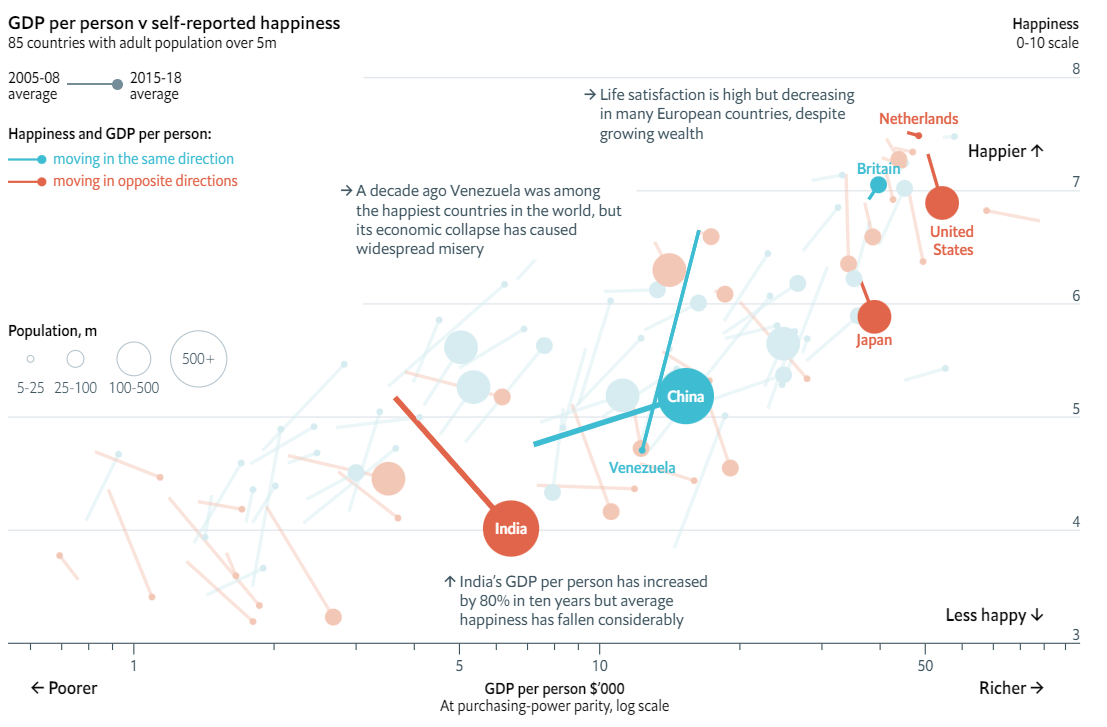
Despite these positive outcomes, in the last century humanity has also realised that the implementation of new ideas or technologies can no longer fail to take account of the externalities generated. Examples can range from e-scooter sharing, to AI up to the atomic bomb. Moreover, it is now widely known that the correlation between GDP per capita and life satisfaction is far from perfect.
GDP per person compared to perceived happiness. Source: https://www.economist.com/graphic-detail/2019/03/21/economic-growth-does-not-guarantee-rising-happiness
Mindset’s change
This is the main factor whereby I decided to choose a master’s degree focused on sustainability and social innovation, where I could deepen how the market dynamics and the human factors affect the success or failure of an innovation. Indeed, as Henry Chesbrough once argued: “a mediocre technology pursued within a great business model may be more valuable than a great technology exploited via a mediocre business model”.
Then, after a couple of years of work experience as a sustainability consultant, I realised that I wanted to better understand the causes of and solutions to unsustainable development, adopting a more systemic view than the one I knew at the time. Therefore, I started looking for research opportunities about these topics, until a friend of mine shared with me the link for the application to the EINST4INE project.
In this way, on the 1st of November, I started my PhD project at Aarhus University, under the supervision of Agnieszka Radziwon and Henry Chesbrough.
The project
When I first saw the EINST4INE application, what really caught my attention was the term “ecosystem”, which can be conceived as a set of partners collaborating toward a shared goal, without necessarily having formal or contractual bonds. However, I have to admit that at that time I didn’t know much about it.
Now, a few months into my PhD, I actually realized that I was not the only one having unclear ideas about it and that this is actually a positive thing. In fact, the term ecosystem is still being used in a rather fuzzy way both by scholars and practitioners due to its novelty, which means that there is room for further research in this direction.
In particular, I will focus on exploring the emergence process of technology-enabled innovation ecosystems. Since this is a concept that could be addressed from very different perspectives, now I am focusing on shaping the boundaries of the research, in order to define which could be the best way to study it.
The future
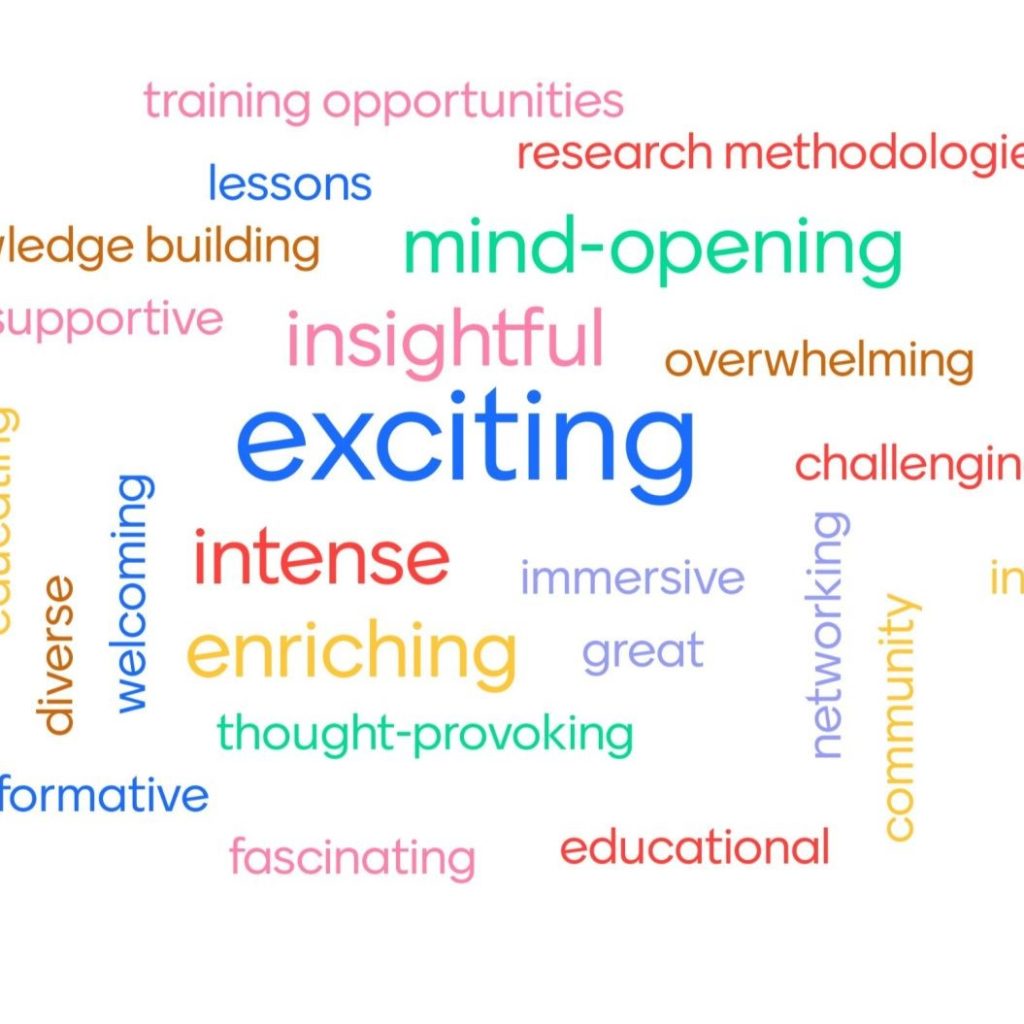
As the mind map below shows, I believe that the next three years will be a combination of exciting, intense and insightful moments that will enable all Early Stage Researchers’ (ESRs) professional and personal lives to enrich.
ESRs’ answers to the question “How your first few months with EINST4INE have been so far?”
In this regard, I think that a crucial role will be played by the special structure of this program, which allows us to spend several months abroad, between summer schools and academic and industrial secondments. Indeed, all the projects supported by the MSCA funding scheme represent a powerful democratization experiment. They give the chance to people with very different backgrounds to inspire each other and receive high-quality education that otherwise would have been almost inaccessible to them. Moreover, together with all the ESRs, I will be involved in several dissemination activities over the next years, such as conducting this blog and organizing outreach events with the Consortium partners.
In short, it will be a three-year journey that I hope will ultimately allow me to say that, at least in a very specific field, I know something.
Note
The title is inspired by the homonymous blog edited by Tim Urban
Digital transformation, the trend and buzzword is more than innovative digital technologies and cutting-edge solutions.
Shopping Basket
This website collects cookies to enable the proper functioning and security of the website, and help us offer you a better browsing experience. By using our website you agree we can place functional and analytical cookies on your device. Find out more about cookies and how to manage them by visiting the RMIT Privacy Statement link in the website footer. If you're happy to continue, please press accept. You can opt-out if you wish but this may affect how the website functions. Cookie settingsACCEPT
Privacy and Cookies Policy
Privacy Overview
This website uses cookies to improve your experience while you navigate through the website. Out of these cookies, the cookies that are categorized as necessary are stored on your browser as they are essential for the working of basic functionalities of the website. We also use third-party cookies that help us analyze and understand how you use this website. These cookies will be stored in your browser only with your consent. You also have the option to opt-out of these cookies. But opting out of some of these cookies may have an effect on your browsing experience.
Necessary cookies are absolutely essential for the website to function properly. This category only includes cookies that ensures basic functionalities and security features of the website. These cookies do not store any personal information.
Any cookies that may not be particularly necessary for the website to function and is used specifically to collect user personal data via analytics, ads, other embedded contents are termed as non-necessary cookies. It is mandatory to procure user consent prior to running these cookies on your website.