How to Create and Sell your NFT (Non-Fungible Token)

NFT (Non-Fungible Token)

As technology evolves at a breakneck pace, we are swiftly approaching Web 3.0 – NFT is one of the unique technologies introduced with this. In this article, I will cover all you need to know about NFT, including how to create and sell NFTs, NFT history, and NFT domains. This post includes a video tutorial that explains how to create and sell your NFT online using an example, as well as some of the most expensive NFTs ever sold. This is a technological awareness post that will benefit all technology freaks as well as EINST4INE ESRs.

 NFT is a type of digital ledger which is a data unit that is stored on a blockchain. NFT could be an image, audio, video and even a social media tweet. The difference between NFT and other currencies is that NFT is non-fungible and other currencies are fungible. A bitcoin, for instance, is fungible, meaning you can exchange one for another and get precisely the identical item. A one-of-a-kind trade card, on the other hand, cannot be duplicated. If you exchanged it for another card. Most NFTs are, at a high level, part of the Ethereum blockchain. Ethereum, like bitcoin and Solana, is a cryptocurrency, but its blockchain also enables these NFTs, which hold additional information that allows them to function. It’s worth mentioning that various blockchains can use NFTs in their own ways.

You can make as many copies of a digital file as you like, including the art that comes with an NFT. NFTs, on the other hand, are designed to provide you the content which can’t be copied. If someone copies your NFT art, the owner can still claim the copyrights. For instance, Monet print can be printed by anyone but only one person is the owner of the original. In order to create and sell the NFT, opensea.io is the biggest market place and it provides an easy way to create and sell the NFT online. To sell or create the NFT you need a wallet. There are several wallets available such as trust wallet, ronin wallet, metamask and so on. In the below video, metamask wallet is used and the complete NFT selling and creating process is explained. Digital or any other asset covered by a non-fungible token, NFTs give a comprehensive record and proof of ownership. This feature allows you to create one-of-a-kind digital assets and items that anybody can buy or sell on a global market.

Today, NFTs have progressed to become more useful in a range of industries:

  • It enabled users to trade game assets.
  • Ownership of your assets and username in the metaverse.
  • Ownership of your domain name.

NFTs are laying the groundwork for economies, digital communities, and assets as the online world transitions from web 2.0 to web 3.0.

Brief history (2014–present)
Anil Dash and Kevin McCoy built the first known “NFT,” Quantum, in May 2014. McCoy’s wife, created a video clip for it. Throughout a live session for the Seven-on-Seven meeting in New York City, McCoy filed the clip on the Namecoin blockchain network and sold it to Dash for $4. Three months after the Ethereum blockchain was created, the first NFT project, Etheria, was launched and showcased at DEVCON 1 in London, known as first developer conference of Ethereum. Following the launch of many NFT projects that year, the word “NFT” only gained wider popularity with the ERC-721 standard, which was initially suggested in 2017 via the Ethereum GitHub. The transferable cat NFTs were used to monetize the 2017 online game CryptoKitties, and the game’s popularity brought NFTs to the attention of the general public. The NFT market tripled in worth to US$250 million in 2020, indicating strong development. And over $200 million was put on NFTs in the first three months of 2021. In 2022 the trade of NFT is rapidly increased on several platforms such as opensea and people are also buying NFT’s in several games such as gala games and axie infinity.

NFT Domains
As we move closer to the decentralized web 3.0. NFT domains can be quite useful in web 3.0; when a person buys a NFT domain, he or she is genuinely owning that domain. Currently, in web 2.0, we rent the domain name for our website and pay each year, however with NFT domains, we just have to pay once. The largest drawback is that Google does not index the NFT domain. However, in the future, NFT domains are likely to be indexed by Google and other search engines. We rent web 2.0 domains as (.net,.com,.org,) and so on, although web 3.0 domains such as (.nft,.zil,.eth,.blockchain) and so on are available.

Finally, non-fungible tokens are becoming the core technology for assets in the metaverse. The Sandbox, a metaverse project, is already employing NFTs to represent virtual furniture, digital land, décor and much more. The Sandbox earned more than $24 million dollars in sales of NFTs representing metaverse real estate in March 2022, with Snoop Dogg, Atari and the South China Morning Post among the top businesses and celebrities to purchase plots of digital property. NFTs have just recently begun to transform digital asset ownership and exchange, setting the groundwork for tradeable in-game assets, digital communities, and the metaverse economy. NFT.com is creating the NFT world’s decentralized social network, which will be run and controlled by the owners.
You need to get lost before you find your way

You need to get lost before you find your way

Looking back at the first term of my experience as a Ph.D. researcher at LUISS Guido Carli University in Rome and as a member of the EINST4INE program, here are some things that I have learned…

  • Classes have a lot to offer
  • In today’s digital world, social media is essential
  • You need to get lost before you find your way

I was previously employed at a firm that specialized in market and consumer data before commencing my PhD in September 2021. And while I learned a lot about recognizing new trends and the way to do research there, I became increasingly intrigued by the way society and the economy are being transformed by digital technology. That’s why I began looking at ways that my future employment may have a positive influence on society and help to address key developments and concerns that we’re all grappling with. Because of this, when I applied to the EINST4INE program, I was eager to collaborate with like-minded academics, educators, and industry practitioners throughout Europe and beyond.

Now the beauty of the program is the established network, where we’re able to share our own experiences and build a communal one. As a result, one of the first things my close friends and family asked when I informed them I was relocating to a new country to begin my academic career was “what are you going to do there?”, “what is the program of the PhD?”

Some people were taken aback when I told them I was a PhD student taking classes, but now that I’ve been in those classes for over six months, I can see how beneficial they have been:

One of the first steps in doing research is to choose the appropriate approach. And while the topic of my research as the Early-Stage Researcher (ESR) 15 is “Linking open innovation mechanisms to reach environmentally sustainable goals”, qualitative research seems the most fitting because of the exploratory nature of the topic, quantitative research is all I’ve ever done before. Thanks to one of my supervisors, Prof. Luca Giustiniano’s contribution to the qualitative methods course as an instructor, my fellow students and I gained a thorough understanding of the many sorts of qualitative research methodologies. The course provided an overview of key perspectives related to the design of qualitative research, with emphasis on theory framing, purpose statement definition, research questions development, and sampling in the qualitative research traditions. More specifically, I had the opportunity to work with data analysis tools such as NVivo, which help with the coding, transcription, and interpretation of qualitative outputs (such as interviews).

Epistemology was another class that I learned a lot from during my first six months as an ESR. Here we touched upon the topics of philosophy of science, rationality, games and institutions, and social norms. While the most important value of the course was to iterate the reason why we do research in the first place, the course also helped us appreciate the importance of the ties that bind academics, business, and society as a whole.

Many of the other courses in the program, such as Digital Ecosystems, Digital Business Transformation, and Organization and Technology, dealt with the present impact of digital technology on the corporate environment. While open innovation seems to be a good way for organizations to remain competitive and innovative, the engagement of sources like Artificial Intelligence (AI) and Big Data appears to be essential. And, especially because the COVID crisis has prompted many businesses to go digital, I am trying to relate how companies are becoming digital and work together to eventually be environmentally sustainable.

I am able to apply the knowledge I’ve gained from LUISS courses in the weekly EINST4INE Reading Club, where we discuss research articles on a wide range of contemporary problems and connect our own research to the study of others. We engage and discuss what the readings teach us, and typically broadcast the major learnings on a social media site such as Twitter or LinkedIn.

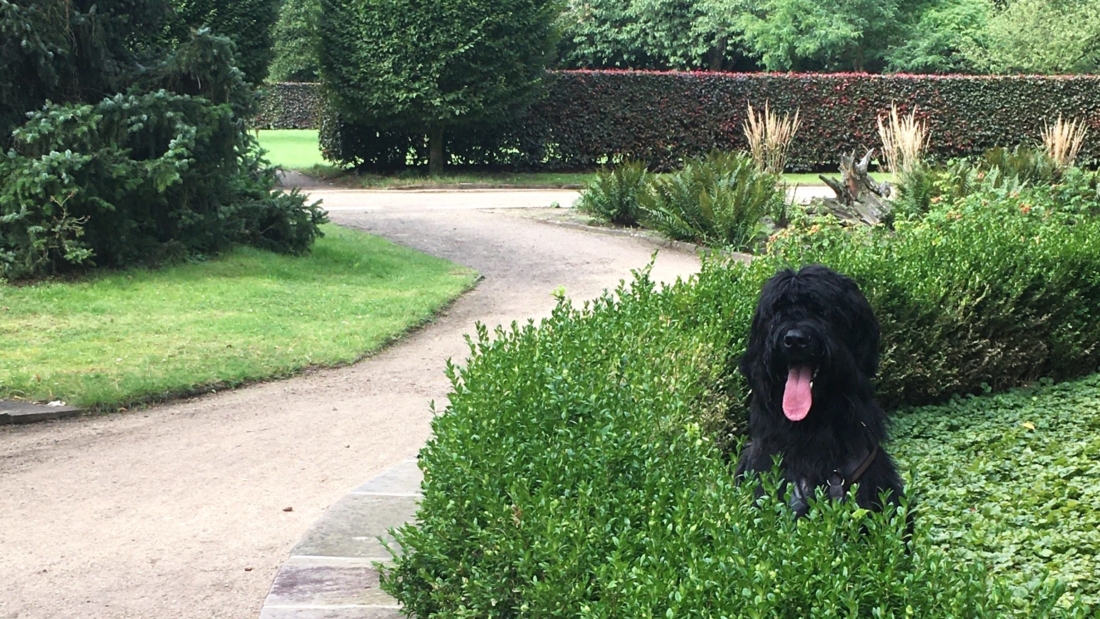
And while I’ve never really been a social-media-savvy person, my first LinkedIn post enabled me to connect with individuals from all over the globe and from a variety of study fields. I also recognized that if I want my work to have any significance, it has to be made public. Still, my private Instagram account is largely dedicated to posting photographs of my dog, but I also make an effort to speak about my research on sites like LinkedIn, Researchgate, and other similar ones since it is a fantastic way for researchers to network and keep their creative juices flowing.

For now, as an early-stage researcher, my primary focus is acquiring as much knowledge as possible on the subjects of Open Innovation, digital technologies, and sustainability. And this involves a lot of reading, which can be confusing at times…
For example, have you ever been overwhelmed by the sheer number of options of jams and chocolate spreads you can find in a supermarket? Everything about this first term has seemed the same. The more I read and attempt to understand complex concepts, the more confused I get. When I confided in my supervisor about it, she said, “This is normal, you need to get lost before you find your way”.

So while this may seem a little cheesy, it truly is the journey that matters and not the destination since you learn and give so much along the way.

PXL_20220428_153512878

How I decided to pursue a PhD.


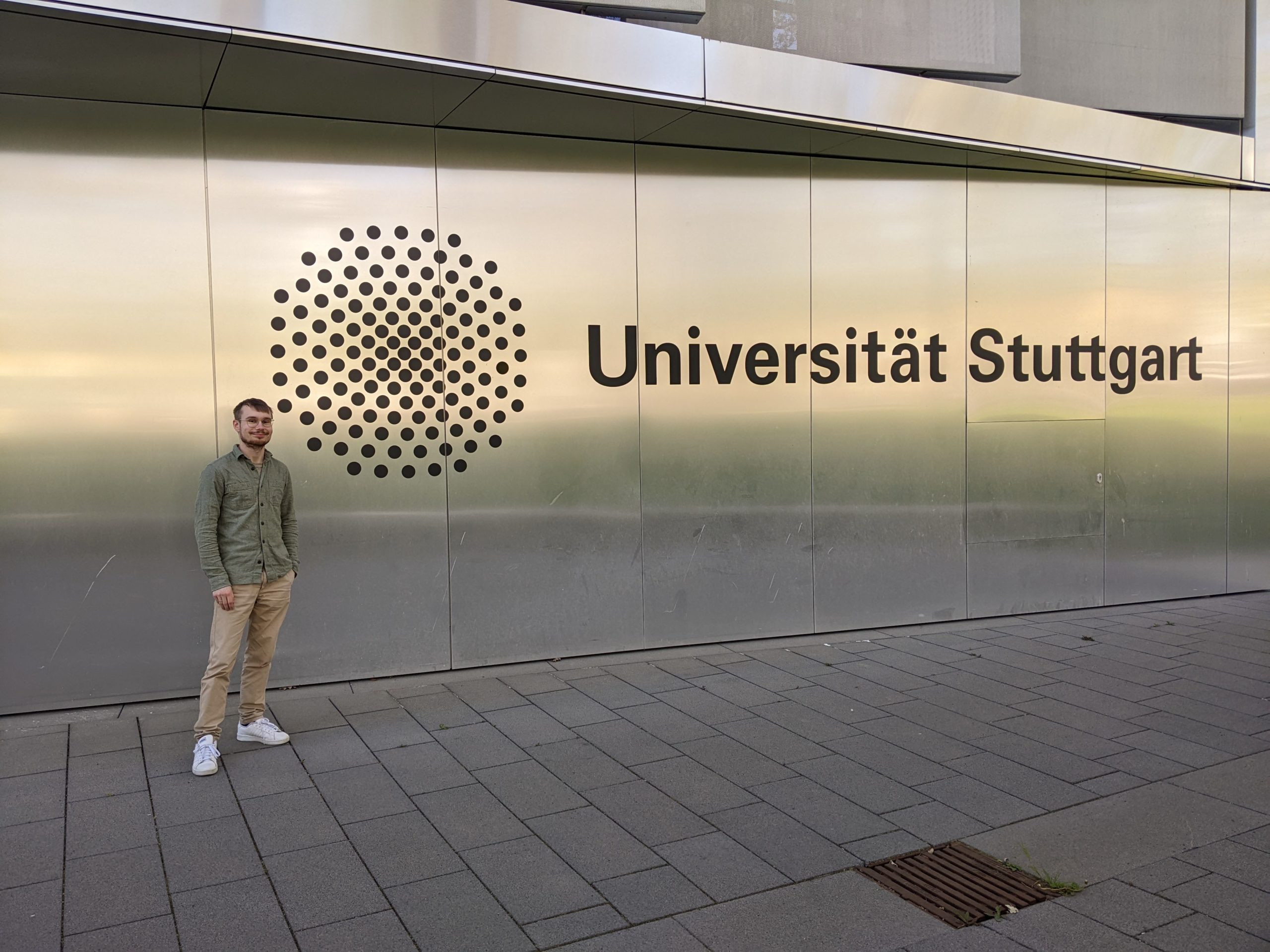
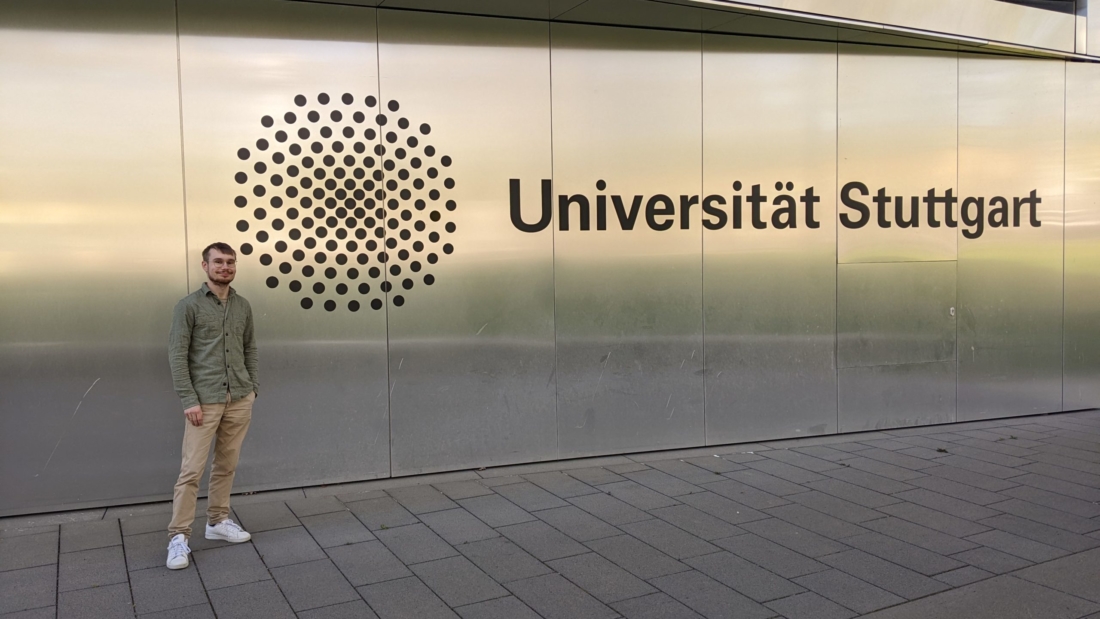
Me in front of Universität Stuttgart (Source: Finn Tryggvason)

Ever since I was a child I was undoubtedly interested in technologies. My extensive Lego collection and building projects gave an early indicator that my future would likely lead me to an engineering career. Unsurprisingly (though many years later) I started studying business engineering and I was certain that this would also be my future career path. However, the further I progressed in my studies, the more I distanced myself from “hardcore” engineering.

Towards the end of my education I was uncertain what the field of highest interest would be to me. Throughout my studies I came in touch with many different technologies such as 3D-printing, Cobots, VR, AI/ML and IoT and gained both hands on experience as well as a conceptual understanding of each technology. At the same time I was curious about topics such as Innovation Management, Open Innovation and how an innovation can reshaped the market. So as I approached the end of my education, I was left wondering: What will I do once I conclude my master studies?

Since I was unwilling to prematurely limit my future career opportunities, I decided to postpone my decision on what to specialize in. I started looking for something that would allow me to keep a close eye on novel technologies and trends from both a technological, as well as theoretical perspective.

I was lucky to discover the EINST4INE program which gives me the freedom to do exactly that. This program allows me to apply my previously gained knowledge regarding emerging technologies and combine it with my academic curiosity. I am excited to see where I will go from here and what the future of the program will bring.

Photo by cottonbro from Pexels

What is life without an intention?

I believe in the power of setting an intention and seeing where it takes you. Being more abstract than a goal, an intention can guide you and allow the flexibility of taking different paths. In the last semester of my master’s degree in Tourism Management, I set my intention of contributing to the human side of digital transformation. Humans and technology co-create the present and the future. I firmly believe that digital transformation is not just about technology, it is about how it strategically works together with (and for) humans. 

Why?

Why would I set that intention when studying tourism? In the first semester of the Erasmus Mundus European Master in Tourism Management, I led a project on Big Data as an open innovation source to accelerate innovation in the tourism ecosystem. This research project opened my eyes to the amazing world of emerging technologies, open innovation, and sustainable development. Then, I wrote my master’s thesis about Intelligent automation and robotics in the service sector and the job transformation it brings. My goal was to understand how can tech start-ups develop Intelligent automation solutions that contribute to sustainable development’s socio-economic sphere. I got so many interesting insights from this research! By interviewing start-ups members and policymakers, I could have the perspectives of two actors that seem crucial for the ethical development of technology.  I wanted to continue this research journey, and when I found the EINST4INE project I thought it was the perfect opportunity.  

How?

How can I be part of the human side of digital transformation? By investigating robots from a social approach and bringing new perspectives of human-robot interaction. I believe in research that can make a difference in how technology is used and how it affects humans. This is why I want to fill some knowledge gaps and contribute to the strategic introduction and implementation of social robots. In the end, social robots should enhance humans’ interactions, not diminish them.

What is knowledge for if not for sharing it and putting it into practice? I think it is very important to disseminate all the findings, theories, and whatever we think might help someone. We have to share it, mostly with young generations because that is where the hope is placed right now (at least mine). So, at some point, I might also be teaching about the human side of digital transformation hoping to have an impact on future decision-makers.

What?

What kind of robots am I going to investigate? Social robots, for example, Mobile telepresence robots (MTRs) allow people to communicate remotely and have a physical presence. These robots are changing organizational dynamics, work practices and processes, occupations, and challenging the psycho-social factors in organizations. In the following years, I will be studying robots from a social approach and aiming to ultimately help people to use social robots in a way that benefits humans. 

Where?

My host is Aarhus University, in the Department of Business Development and Technology located in Herning, Denmark, a very cozy little town. I am part of the Advanced Interdisciplinary Research on Organisational Development (AIROD) and supervised by Sladjana Nørskov. I am very grateful to be part of the Aarhus University team and to have Sladjana guiding me through this path. Also, I am collaborating with our industry partner Blue Ocean Robotics which offers professional service robots mainly in healthcare and hospitality. Exciting research stays abroad are coming, but that would be the topic for another blog post.

I am very happy to have set that intention that brought me to where I am now. Let’s see what the future brings!

Photo by Possessed Photography on Unsplash


Source: Christina Häfliger

Digital Innovation Journey

Digital Innovation Journey
(Photo: Christina Häfliger)


Currently I am working on extending my theoretical knowledge on innovation ecosystems. Over the past few years, I have developed a strong research interest in innovation, entrepreneurship, and strategic management. With multilateral sets of partners interacting in ecosystems, legitimacy processes are an important part of successful orchestration. I’m particularly interested in finding out how innovation ecosystems can be initiated and maintained so that they flourish, and how legitimacy is established.

My research at EINST4INE focuses on innovation orchestration. I’m interested in the mechanisms that contribute to prospering ecosystems. The orchestration of ecosystems involves multiple organizations and parties. Innovation ecosystems create new opportunities for diverse stakeholders to collaborate. At the same time, they create challenges for the inclusion of multiple perspectives of various stakeholders.

My expectations for the EINST4INE project are to learn and to build a network of colleagues working in different areas of digital transformation. I intend to contribute with insights through my own research and to profit from excellent research training. Having worked in higher education for the last couple of years, I had wanted to specialize in innovation. As I have been involved in several innovation projects in the past, I was looking for opportunities that would give me international research and training experience.

Research on innovation provides for me the opportunity to delve further into a topic I find fascinating. During the first few months we were able to participate in highly interactive reading and discussion sessions. We learned about various research activities and received a lot of input and tips from experienced researchers and practitioners. It is great to get to know a diverse group of young research colleagues and an extended network of partners in the field of digital business and organization. So far, we had many discussions in our cohort and were able to get to know our EINST4INE colleagues better. One topic that I particularly liked in our discussions was open innovation, as this has been an interest of mine for a while. Different forms of collaboration have fascinated me for a long time. When the Marie Skłodowska-Curie Fellowship presented this excellent opportunity to further develop my skills, I was – and still am – very happy to be able to pursue my new career path in research.

Photo by Robynne Hu on Unsplash.

IT doesn’t matter: A Journey to EINST4INE

IT doesn’t matter.

I remember reading this article by Nicholas Carr during my graduate studies. I still remember this article today which may or may not relate to the fact that it also helped kickstart the idea for my consequent master thesis. While never before did I think much about cloud computing I started to get really engaged with the matter and how it drastically impacted how we “did IT”.

Technology has fascinated me for some time, going back many years. Since I can call myself a millennial of this day and age, I still recall the days of fixing my cassette with a pencil and mastering the art of Paint on a bulky Windows computer. When I was about 15 years old it started to become the norm to have a phone. One that slides up and down. It was the most fascinating tool I could have wanted. Today my smartphone is heavy, and it doesn’t fold nor slide.

Until today I have seen so many changes that I cannot count them anymore. I cannot count the types of phones and music players – portable and static – I used to own. Truly just the variety they came in. So much has changed and then again, not that much. We have become so used to the constant connection, the faceless conversations, the mind-numbing notification rings.

All of this raised more questions to me than it answered. How can we live in this interconnected digital world? What does it do to us, how we communicate, how we interact with each other?

Photo by Robynne Hu Source: Unsplash.

When the opportunity came up to apply for EINST4INE I knew I had to.

It was the sum and at the same time the continuation of everything I worked on since starting my bachelors in 2013. I explored so many topics in those years and yet I feel that questions remain, they reappear, they arise in new contexts again and again. What topics did I look at so far that still uphold my fascination for understanding digital technologies in a social context?

  • How does the Internet of Things in a smart office environment impact employer-employee-relationships?
  • How can we design humanoid robots when social and cultural bias will be mirrored in their representation?
  • In what way can social data be gathered in a smart home environment?
  • What motivates peers in the Sharing Economy and how does it impact our understanding of the P2P economy?
  • How does a cloud first strategy impact the role of IT staff in an organisation?

It was the last question of my master thesis that made me choose to pursue a PhD that studies the impact of implementing a technology that, through automation, deems traditionally complex and specialised knowledge redundant. Technology has had an enormous impact on our society in many ways. It has brought immense opportunities in so many areas from transport to healthcare, communication, finance. We have become agile, wireless and interconnected. Along with a plethora of benefits we still see challenges, disruption and the solutions we have yet to find.

EINST4INE to me offers exactly this opportunity where I can research a phenomenon that I believe to impact society at large. We have to help organisations, educational institutions and politicians to find those solutions.

Does IT matter?

It certainly has the greatest hold on us in this century than we might have imagined. But then again, it is just a technology. A connection of wires, a power source, switches, motors, microchips. Studying the composition of a computer a long time ago helped me to gain perspective. So did all those theories in Information Systems research. Technology is not the culprit. Carr makes a very valid point when he foresees the commoditisation of IT. Seeing how our utilities—electricity, water, gas—all have become our necessity for life – where would we be today without a computer, without the internet? IT is not something we achieve anymore. We know we can, and we did. What we do now is to go above and beyond. We merge humans and machines, intertwine our lives as much as possible and, as social scientists, explore the best ways to do so without collateral damages to, what we know to be, our society today.

I am dedicated to continuing onto my path, researching for answers that can create guidelines. And I am looking forward to doing exactly that.

stephan-valentin-W6ukZyCANG0-unsplash

What does this mean for the people? Looking at the Human Side of Digital Transformation

As I start my PhD journey, it becomes ever more clear just how important it is to exchange with and learn from other dedicated to topics similar to mine. That is, the human side of digital transformation and innovation.

I have been told that PhD journeys can be quite lonely at times, so I hope that this blog will help me get a bit closer to the research and practice community and maybe we can have some fun, interesting and potentially very geeky discussions along the way.

For this first post, we were asked to reflect a bit on why we chose this PhD. Well, what a great task given that I love to reminisce! I hope you bear with me as I delve into times past and, in the process, I hope I get to tell you a little bit about the focus on my research.

When I was a young professional in the United Nation, I had the amazing opportunity to be part of a very small team that was put in charge of creating and leading an internal Innovation Lab. Since those early days, I was already mostly concerned with what it would take from the people point of view to bring innovation into our organisation. This was such a concern that the mission of our Innovation Lab was defined as “to unleash the creative and innovative potential of our people.”

It was a conscious decision not to worry about the technology or the ROI, and instead to focus on supporting people to innovate in whatever it was that they were doing.

As I reflect on the path I that have followed previously to joining the EINST4INE program, I come to realize that it was probably these experiences that prompted me to focus on the human element of digital transformation for my PhD.

Over the years as a practitioner, I had the opportunity to approach innovation and digital transformation from different and diverse angles, levels, perspectives, etc. Nevertheless, I always end up asking myself “what does this mean for the people?”.

I strongly believe that there is no innovation or digital transformation without people. It is the humans – that go to work every day with their fears, needs, desires, troubles, happiness, sadness, etc. – that innovate. They are the ones that transform. It is through the aggregation of their daily actions and behaviours that things change.

Yet, I was always intrigued by the relatively little attention that is given to them in academia.

I have wondered whether it is because it is challenging to understand humans – maybe because we enter the realm of vulnerability and, as Brené Brown[1] has so well highlighted, we tend to hide from vulnerability as hard as we can?

If that is the case, it might be even more important to focus on the people in the context of innovation and digital transformation. As Brené Brown also reminded us, it is in the realm of vulnerability that the magic happens.

Thus, my PhD focus: understanding how intrinsically human factors affect efforts by traditional companies to achieve digital transformation.

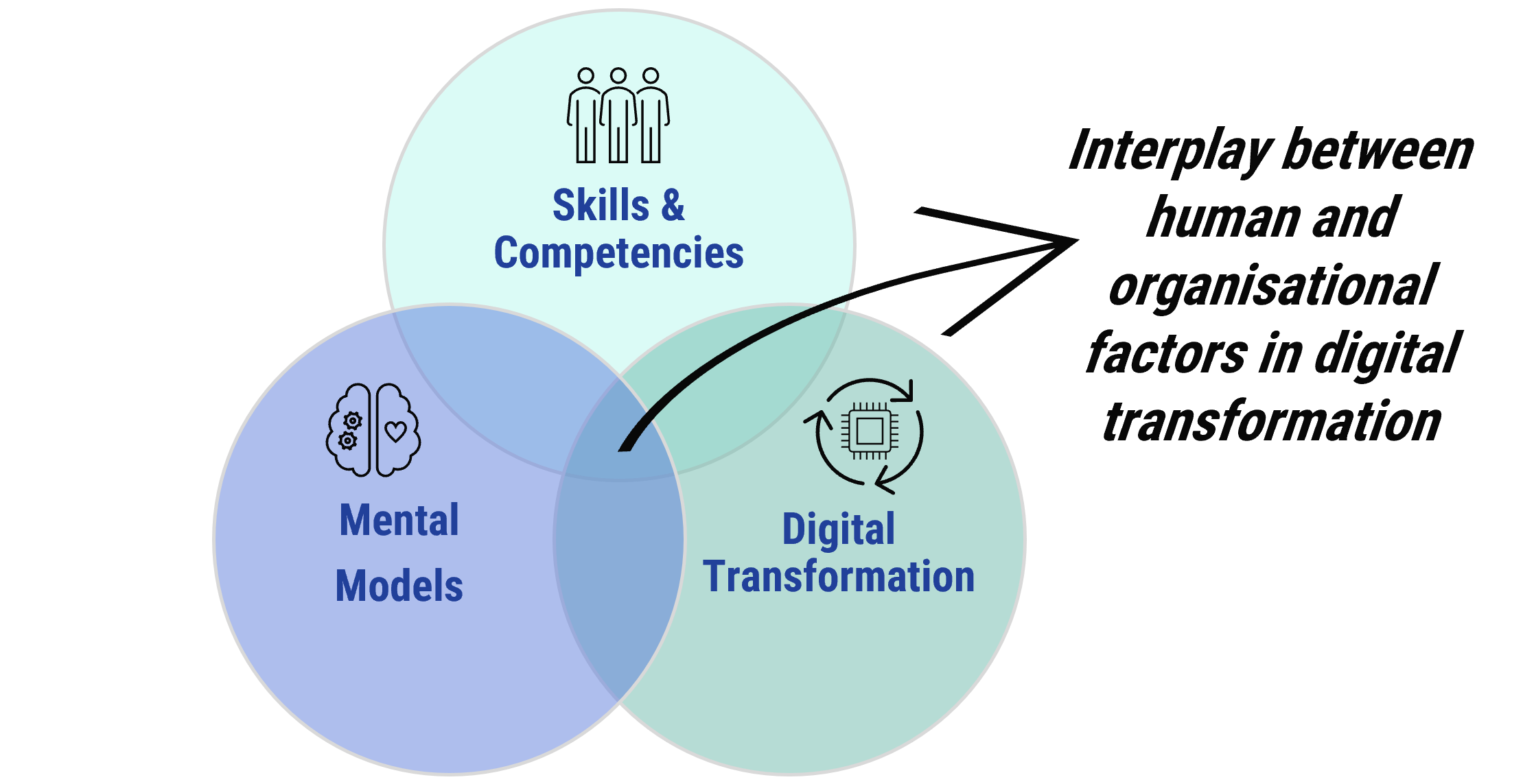
I believe that by developing a better understanding of how people’s skills, competencies, beliefs, behaviours, etc. interact with organizational factors such as strategies, projects, resources, processes, structure, etc. in the context of digital transformation we can get much deeper insights into what goes right and what goes wrong.

I do not mean to be negative, but as we know up to 80% of digital transformation efforts fail. Can we pause a minute to imagine just how much time, resources, blood, sweat and tears go into these 80%?

When I look at this number, I cannot stop myself from thinking that maybe we are missing something important. I hope that this research will contribute at least a little to solving some of the problem. Perhaps by finding new and better ways to design and implement digital transformation and innovation?

As this blog post goes live, I am on my third week of my PhD journey. So far, I have been enjoying reading what all the great authors have been investigating and saying about the topic.

I have a very long and arduous road ahead, but I could not be more excited to be a part of this EINST4INE cohort. I chose to apply to EINSTAINE because of its strong industry connections and diverse and top-notch team of scholars. Having had the chance to interact with my pears and some of the great researchers that are part of this programme, I certainly have high hopes for the future.

Now that I have taken you through a bit of a personal journey, I am wondering, how about you? Do you think any of this makes any sense? Or do you think this topic is a total waste of time? What would you suggest me to look into? And if you had a wish list of things you would love to know about the human side of innovation and digital transformation, what would be in it?

I look forward to the interactions we will have as I move forward! And I hope you will find in this blog an enriching and safe space to exchange thoughts and ideas on helping humans innovate and transform their organisations.

[1]  Brené Brown is an American research professor, lecturer, author, and podcast host. Brown is known in particular for her research on shame, vulnerability, and leadership.

sundial

The Expected Journey

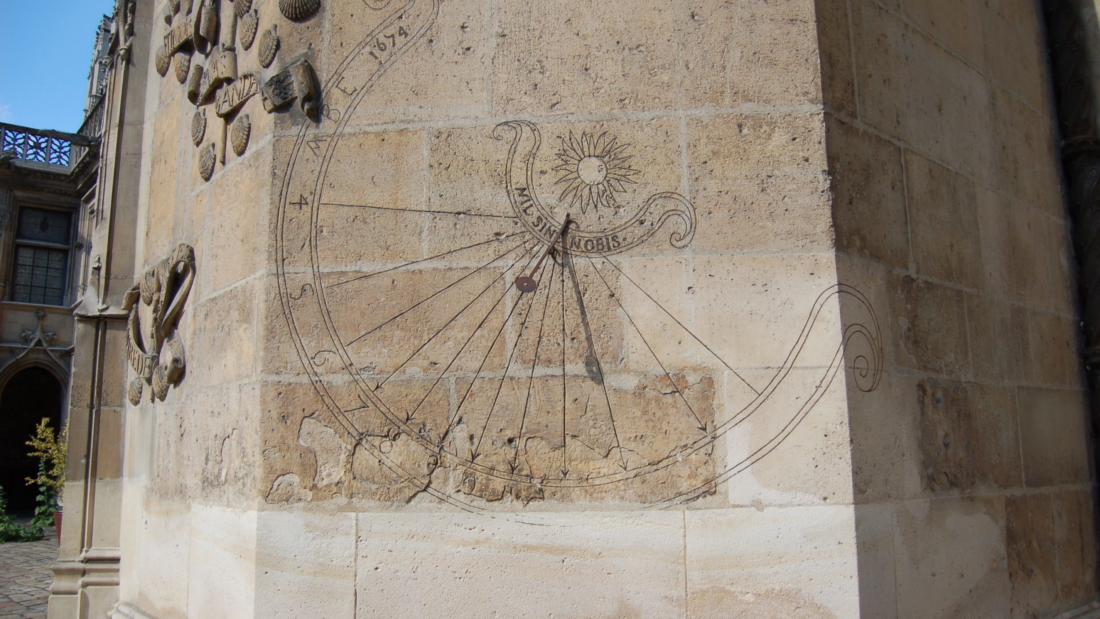
My name is Sébastien Martin, I am a PhD student working for the EINST4INE project ESR position number 9, i.e. The technological and industrial convergence and the interplay between technology-centered ecosystems. The main conceptual challenges are to better understand how the transitions do happen between distinct stages of convergence, which may be roughly defined as the blurring of boundaries between different formerly distinct domains and giving rise to the emergence of new ones or the enrichment of previously existing ones through knowledge recombination, and how these phenomena are related to the emergence and the development of ecosystems. This implies extracting the knowledge spread in the unstructured data related to the various stages of convergence, for example at the intersection between technology and industry convergence. This better understanding is mandatory to assess the feasibility of anticipating the future convergence phenomena and their implications for the different stakeholders of the ecosystems. 

Beyond the scientific excellence implied by the program, and the possibility of participating in an international project, the main reason I applied to be part of the EINST4INE project is due to its multidisciplinary nature, especially from the thesis topic on which I started to work. 

Several tracks are currently followed in parallel, and the overall achievement relies of course on the achievement of each one: 

– I am currently proceeding with a systematic review of the core component of my topic, i.e. the concept of convergence, itself framed in the broader field of technology innovation management, and from which I expect the submission of a conference paper and even a journal paper by the end of the PhD program. This will also be a valuable basis to refine the research questions and address theoretical as well as practical issues. 

– As the basic idea is to leverage the content of unstructured data, I am also reviewing how the existing literature managed to extract semantic information, considering both the papers specifically dedicated to convergence topics, but also the ones focusing on patents as large, and more generally on the methods developed by state-of-the-art NLP models dealing with semantic similarity. 

– I am also considering the relevant case studies to explore, considering at the same time the similarity with previous studies to enable fruitful comparisons with the current literature and being part of the digital transformation topic. 

– I am gathering the sources required to answer the research questions. The particularity of the research undertaken, compared to traditional approaches based on questionnaires or interviews, is that the sources exist beforehand. The positive aspect is that we are sure to have the sources and that they require a shorter collection time. The less favorable aspects are that it is hardly possible to tailor the data collected according to the research questions, which transfers the burden on data processing and the determination of valid and relevant indicators, and that most of the work involves extracting value from data through algorithms such as NLP-based methods. The sources on which this PhD is based will be patents first, then scientific publications. We do not exclude a later consideration of various complementary sources such as reports, news, or even social network data.  

From the research standpoint, consistent with my initial aspirations, I would like to contribute to extracting the best of interdisciplinary principles, to enrich our fields of research to the best of my abilities. Aside but also as part of my work, I want to highlight the transformative potential of working at the intersection of research questions specific to the field of technology and innovation management, and the development of specifically tailored data-intensive methods. By seeing myself after the end of the doctoral work, as distant as this prospect remains, I would like to continue in the field of research and continue to build on the foundations that will have been laid. 

The Long and Winding Road of Finding one’s Research Area or The Agony of Choice

The Long and Winding Road of Finding one’s Research Area or The Agony of Choice

A warm welcome to my blog! 🙂

When asked about my background, I often give the short version: “it is diverse and in lots of different fields”. In my first blog post, I want to give a little bit more detail about what I did before joining EINST4INE.

Why not?

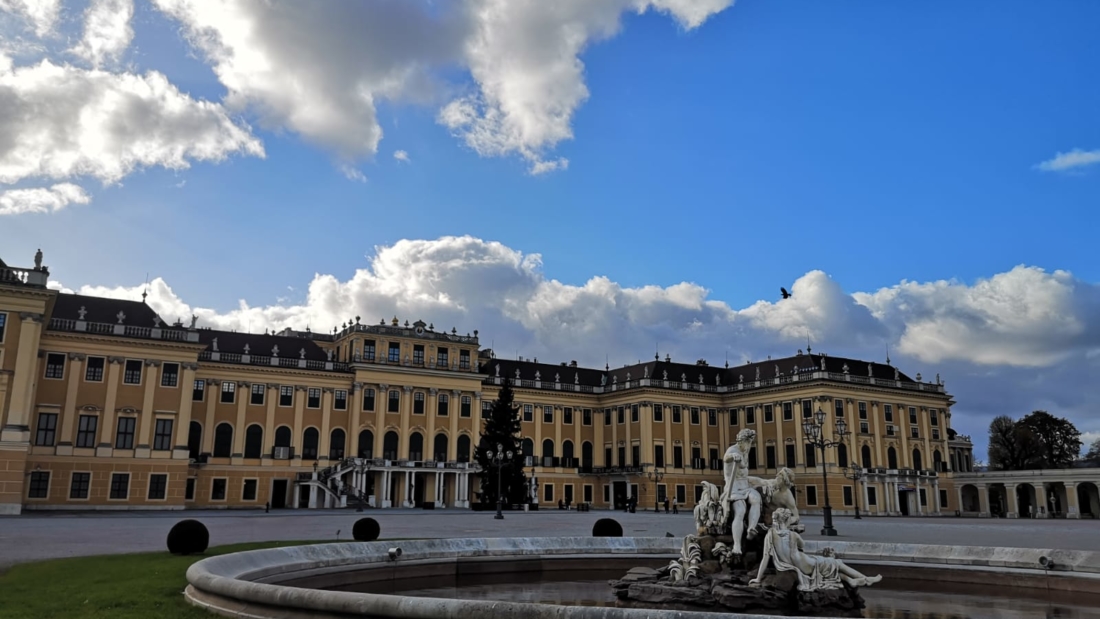
I am from Austria and went to high school in Vienna (see the featured picture – that’s Vienna! (: ). I had the amazing opportunity to be part of the high school Sir-Karl-Popper-Schule, which gave me the opportunity to choose most of my subjects flexibly and to pick rather specific courses (e.g., Nuclear Physics or English Literature). In those years, I realized that I liked many different areas and that I was fascinated by diverse topics within Natural Sciences and Social Sciences – I picked courses across disciplines, following the motto: “Why not?”.
During high school I was also able to spend a semester abroad in South Carolina, U.S. which influenced my choice of studies greatly. It was luck that I ended up in a Sociology class, encountering for the first time terms like “social role” or “social identity”. I was fascinated – these concepts gave names to the things that were happening around me! And so I started to appreciate how much Sociology could explain human interactions.

The agony of choice

Then, within no time, high school was over and I was faced with the dreadful task of choosing what I wanted to do next. I knew I wanted to study at university – but what? After visiting many orientation events, drafting countless lists, and trying to reduce the number of degrees I was interested in, I finally settled for two. I thought they complemented each other amazingly because they both tried to explain the world surrounding us – one from a natural science perspective and the other one from a social science perspective. But in administrative terms, they did not complement each other at all. So during my two bachelor’s degrees in Physics and Sociology, I not only learned important concepts of these disciplines but also how to organize my time effectively and efficiently.

The (particle) physics trajectory

So, here I was – studying Physics, even though I skipped some basic physics courses during high school so that I could take more specific classes. The result was lots and lots of struggles and work. But, I have to agree with what many people say about a degree in Physics: What you really learn during a Physics degree is to not give up.
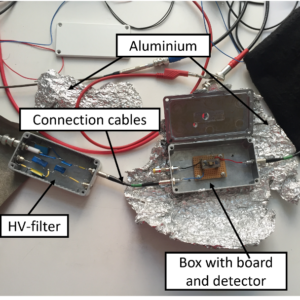
During my time in Physics at the University of Vienna, I found my passions in this area: (1.) Lab work & (2.) nuclear and particle physics. Luckily, I was able to pursue both of them during my bachelor’s and master’s thesis, as I was based at the Stefan-Meyer Institute for Subatomic Physics. In other words – I was soldering, measuring signals with oscilloscopes, and testing detectors (just as you can see in the left picture).

The Long and Winding Road of Finding one’s Research Area or The Agony of Choice
Experimental work in the lab (Physics master thesis: Leeb, 2021).
The Long and Winding Road of Finding one’s Research Area or The Agony of Choice
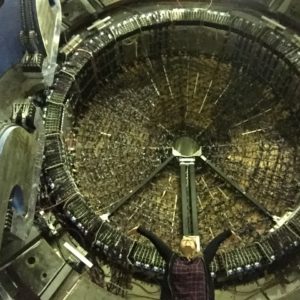
At the LNF (picture by Constanze Leeb).


I did this in the lab there, and also helped out at an experiment at CERN, Switzerland, and at the LNF in Frascati, Italy (see the right picture) – as you can see, I was a bit excited to be there :).

But, now you might be wondering – how did I end up on this website and with EINST4INE?
Well, this is because this is just one part of what I am passionate about. While working in the lab, doing calculations, and trying to understand the physics behind the mechanisms of the physical world – I was always very much aware of the fact that we humans are partially constructing (as we are interpreting, deciding what to look at, etc.) this research, its results, and outcomes. I was missing another important factor in the equation – the human.


The human-centered path & exploring other countries

I undertook bachelor’s studies in Sociology at the University of Vienna at the same time as my physics degree. The two worlds of Physics and Sociology that I encountered clashed a lot, not just administratively, but also in their way of thinking, phrasing, and approaching problems. Quickly, I was questioning the extent to which human aspects are left out in Physics, even though there is so much social interaction involved in the research process. Guess what – there is a whole research area on this, called Science, Technology, and Society. Excited as I was, I started taking courses there and focused on this area, which looks into how science, technology, and society interact with each other and co-evolve. When I decided that I wanted to do a semester abroad, one professor in this field was one of my motivations to pick the University of Chicago, Illinois, U.S. for my exchange. My time in Chicago was amazing – apart from many great cultural experiences and traveling the country, I realized that I really liked to also do qualitative, human-centered research.

The Long and Winding Road of Finding one’s Research Area or The Agony of Choice
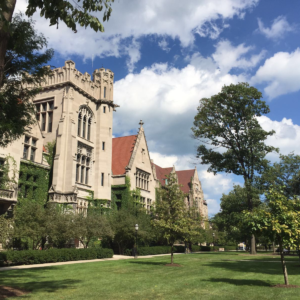
UChicago (picture by Constanze Leeb).

Back at home, I finished my bachelor’s degree with a thesis on identity construction of people from the Bahá’í faith that had to flee from Iran to Austria. The refugee situation during that time in combination with a visit to the Bahá’í temple in Chicago got me interested and I decided to do interviews and write about it. But what now? I knew that I wanted to continue with Physics (if you have managed the bachelor’s – you kind of want the master’s as well), but also that I did not want to stop learning more about the human side. However, I felt like most of the areas in Sociology were very specific and I was keen on learning very broadly again (I know, funny to hear, when I was still studying things on completely different ends of the academic spectrum. But that was the issue – what about the things in between?).


After many more lists and the agony of choice again, I decided that I would study the Middle European interdisciplinary master’s programme in Cognitive Science at the University of Vienna. This degree did exactly what I wanted: it opened many more doors to peak into, such as in the research areas of Linguistics, Artificial Intelligence, Neuroscience, Psychology, Philosophy, and Anthropology. Just like in high school, I was able to pick many different courses and did three projects on completely different topics. First, I was involved in a Social Data Science project with the Complexity Science Hub, Vienna. I did data analysis (topic modeling, descriptive statistics, etc.) on the topic of the spread of misinformation and conspiracy theories in an online comments section of an Austrian newspaper during the first few months of the COVID-19 pandemic. You can check out the website I created for the project and my results – https://cleeb94.github.io/covidinfspreading/!
Deciding that COVID would not stop me, I went on another semester abroad at the University of Ljubljana, Slovenia. Apart from an almost constant lockdown and some anthropology classes that I took, I spend my time on a project on Music Perception with the Faculty of Medicine. Due to the pandemic, I was again, mainly involved in data analysis of a questionnaire looking at the influence of self-chosen vs. pre-selected music pieces on the listener’s well-being.

The Long and Winding Road of Finding one’s Research Area or The Agony of Choice
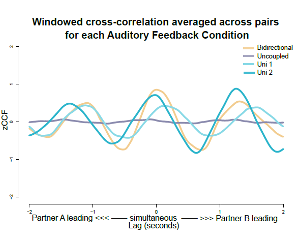
Windowed cross-correlation of auditory-motor rhythms (Cognitive Science master thesis: Leeb, 2021).

At that time I was already applying to PhD programs and knew that I would not be going in this direction for my next research topic, as I wanted to do something that was (i) new, (ii) broader, and (iii) would let me combine my technical and social background. Counterintuitively, I still decided that I wanted to do my thesis on more music research. I joined another lab of the Central European University in Vienna: the Social Mind and Body lab. Here, I conducted experiments on interpersonal coordination of rhythmic movements under different auditory feedback conditions (see picture).


Who needs a break?

The Long and Winding Road of Finding one’s Research Area or The Agony of Choice
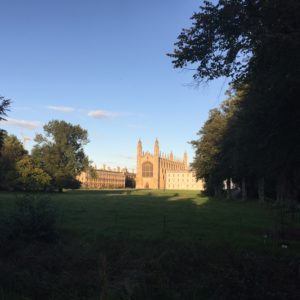
University of Cambridge (picture by Constanze Leeb).

During that time, I discovered EINST4INE and fell in love – I wanted to be part of it as ESR7, working on the integration of “digitally” and “socially”-driven approaches to decision making in contemporary industries. I was already writing my two master’s theses (at the same time, which I would not recommend to anybody) and had a very ambitious time schedule to finish before my next adventure at the University of Cambridge, United Kingdom.

I ended up finishing my physics master end of July, finalizing my cognitive science thesis in August and September, and doing my defense in cognitive science end of September – online and 4 days after I had already moved to Cambridge.
After having studied for so many years, the last months raced by extremely fast, and suddenly here I was – with 4 degrees in 3 different areas, in another country, about to start my PhD position with EINST4INE at the University of Cambridge and not realizing what just happened.
Even though it was a bunch of work, not easy and I did not have a break – I would not want to have it any other way! 🙂


The reason why I joined Einst4ine as an early-stage researcher

The reason why I joined Einst4ine as an early-stage researcher

 To address this, I must first introduce myself. My name is Syed Ali Hassan, and I have over 4 years of experience working as a software engineer in the computer vision domain, focusing on Augmented Reality (AR), Virtual Reality (VR), Mixed Reality, and Deep Learning. I began my career in Pakistan, where I received my bachelor’s degree in software engineering from Mohammad Ali Jinnah University Karachi. During my bachelor’s studies, I completed several internships related to web design and development, and I began freelancing to gain hands-on experience. After finishing my final year project on a virtual reality game, I worked as an AR applications developer for Intellexal Solutions Private Limited, as a software developer in Karachi, Pakistan. During my two years at Intellexal Solutions Private Limited, I worked on various AR-based mobile applications. My interest in innovation is the reason behind joining einst4ine as an early-stage researcher. In this post I will discuss my career goals and the several reasons of joining einst4ine with the description of my master’s thesis-based robotics project.

  • Working with innovative technologies is one of my greatest passions.
  • I prefer to collaborate with specialists from various fields.
  • Working on a collaborative robot project could boost my professional reputation significantly.
  • Working with Einst4ine could help us to win Nobel prizes and awards.

I won a fully-funded scholarship in wens lab south Korea which is situated in Kumoh National Institute of Technology South Korea so I moved to Korea to complete master’s of research. During my master’s degree tenure, I developed several solutions and published several research papers related to deep learning in computer vision domain and I also developed robotics and deep learning-based projects and managed to publish the research paper; that robotics project is the main reason behind why I joined einst4ine, because that project introduced me to robotics and helped me to understand robotics with Ai. After completing my master’s degree, I worked for a year in a software development company in South Korea. Then I was chosen for a Marie Curie-based robotics project with einst4ine, funded by the European Commission. Because I had previously worked with robots, I was able to quit my Korean employment and relocate to Italy to begin my PhD in the Sant’Anna school of advanced studies bio robotics lab, where I am working on a Marie Curie-based project managed by einst4ine. Einst4ine has diverse staff from several nations, which is beneficial when we need different perspectives from professionals in various fields. During my PhD I have an opportunity to publish my work on top ranked journals and also, I will be able to nominate myself for several big awards.

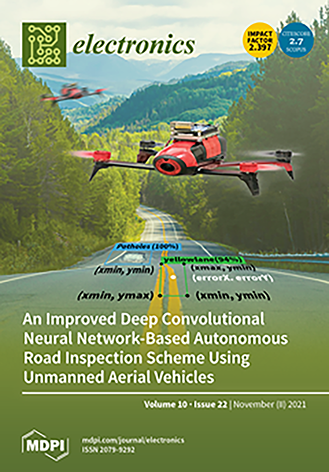
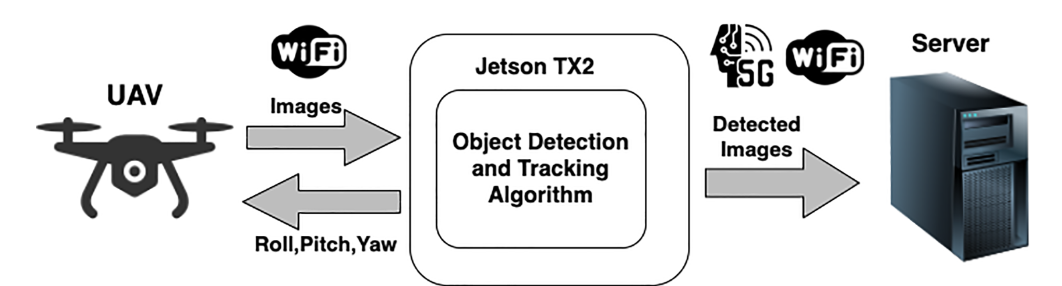
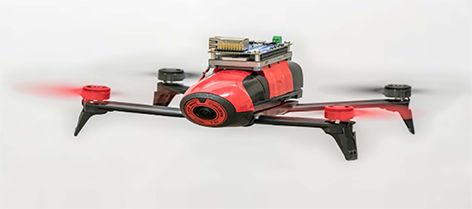
Finally, I’ve been active in creative technologies since my bachelor’s degree. When I first started programming, I started with the console, which I found tedious because I prefer to have a user interface as a result of my work not a black screen as an output. When I first started working with the AR mobile app, I was ecstatic to see a result in the shape of a 3D model appear in front of me. Further, in robotics, we can test our functioning code in a real robot, when I first developed my robotics project and tested it in UAV, I decided to advance my knowledge in robotics domain and it is one of the reasons I joined the einst4ine to work with real robots. My robot’s project was a success, and the research paper was published in MDPI electronics and chosen as the cover of the MDPI electronics journal, as seen in figure 1. “An upgraded deep convolutional neural network-based autonomous road inspection technique using unmanned aerial vehicle” is presented in [1]. In this project, UAVs can fly autonomously by identifying and tracking yellow lanes on the road, as well as detecting road cracks and potholes, and sending information about road damages to a server through WIFI or 5G medium. The architecture of this project is shown in Figure 2. The jetson tx2 is the hardware that is use to run the algorithm in the UAV and it is modified and mounted on the UAV as shown in figure 3. This project increased my interest in robotics, when I read the project details of einst4ine, I found that project interesting because that is also related to robotics, and I found this European project has many partners from academia and industry both that can be helpful for me to learn from different experts to improve my profile and to start my own startup in future. This project’s architecture is depicted in Figure 2. The hardware used to run the algorithm in the UAV, as indicated in figure 3, is the Jetson tx2. When I read the project details of einst4ine, I found that project interesting because it is also related to robotics, and I discovered that this European project has many partners from academia and industry, both of which can be beneficial for me to learn from different experts in order to improve my profile and start my own startup company and research lab in the future as a professor.


Figure 1: Paper selected as a cover in MDPI electronics journal

Figure 2: Architecture of the proposed system [1]


Figure: 3 Mounted TX2 in on UAV [1]


To conclude, I personally believe that working with innovative technologies is really important as technology is changing rapidly and we must learn new things in order to stay updated. Early adoption in robotics domain will be beneficial for my career to develop a collaborative robot in future. Einst4ine has a diversified environment, with numerous experienced researchers from several countries collaborating to deliver information from various sectors and an environment conducive to achievement.

Reference:
[1] Hassan, Syed-Ali, Tariq Rahim, and Soo-Young Shin. “An Improved Deep Convolutional Neural Network-Based Autonomous Road Inspection Scheme Using Unmanned Aerial Vehicles.” Electronics 10, no. 22 (2021): 2764.

About the Author:

I’m SYED ALI HASSAN. I have completed my graduation in Software engineering from Mohammad Ali Jinnah University-Pakistan and completed post-graduation in I.T Convergence Engineering from Kumoh National Institute Of Technology – South Korea. I have been awarded Fully funded Professor Scholarship in wens lab South Korea. I have work experience as a software engineer for more than 4 years. I have Developed Several games and AR/VR/MR based mobile applications. I won a fully-funded Marie curie scholarship funded by European commission under the organization named as einst4ine. I am working with 15 Early-stage researchers from different countries my host institute Sant’Anna Pisa Bio-Robotics lab. My responsibility is to develop robotics-based solution using collaborative robots. Below is a link of my portfolio.

http://syedalihassanzaidi.blogspot.com/2016/01/responsive-websites.html

Email: Syedali.hassan@santannapisa.it

pexels-rodion-kutsaiev-9436715

Digital transformation and human capital: how to conjugate them? The beginning of my journey in EINST4INE

My name is Chiara Mariottini and I am PhD student in Management at RMIT. Part of the valuable EINST4INE consortium, I also cover the role of early-stage researcher at RMIT Europe, where I am developing my research project on organizational capabilities, processes, and structures that support and drive digital transformation.

Before joining EINST4INE consortium, I firstly got a bachelor’s degree in Political Science and International Affairs and then, I successfully achieved a master’s degree in Marketing Analytics and Metrics, both obtained with honours at LUISS Guido Carli University.

Last year, I had the chance to work on my final dissertation, titled “Regulating Dark Patterns: promise and pitfalls of a fairness-oriented holistic approach in the European framework”, which helped me better understand and frame my ambitions for my professional career. My research aimed at investigating the impact of the employment of Dark Patterns (i.e., misleading user interfaces) on individual trust. Specifically, with my analysis, I analyzed the suitability of European legal tools to protect individuals from these business practices, which exploit cognitive bias and information asymmetries between professionals and consumers.

After that, I realized that I wanted to expand my interest in the impact of innovation and digitalization, focusing more on their implications within companies and trying to understand how digital transformation is best conjugated with human-driven resources. That’s why I decided to apply for the EINST4INE position I am currently covering.

EINST4INE represents for me the optimal place where I can best learn within the research field and explore my profound interest in new technologies and innovation through a strong interdisciplinary approach. Also, with this opportunity, I am getting the unique chance to integrate theoretical studies with in-field research, with industry partners, while building a wide network of scholars and researchers. Further, the consortium continuously promotes inter-institutional activities, such as bootcamps and summer schools, engaging students and Professors from all over the world.

My goal is to pursue an academic career, contributing to the research environment on European and global levels. This experience is giving me the proper tools and opportunities to lay the foundation for my professional life.

Of course, as in every PhD journey, challenges can emerge, especially when exploring new topics and working on new tasks. In my opinion, the best trick is to be always curious, trying to absorb as much information as possible when participating in debates, meetings, and events. Moreover, I think it is relevant to have a strategic approach in the organization of work, keeping in mind what our priorities are.

With my research project, I aim at producing valuable results, that can be used by industries to succeed in the digital transition, creating the right corporate environment and conjugating existing human resources with new digital technologies.


Einstein. Source: © Shutterstock

So, you think you’re the next EINST4INE?

A genuine question I received when explaining my new project and role (yes, EINST4INE is intended to be pronounced Einstein). I simply laughed and dismissed the comment.. of course I am not the next Einstein.

But, it did make me think.

Collectively, our projects will embrace the major challenges of future industrial systems. That’s pretty big. While this is certainly a daunting prospect as the imposter syndrome starts to creep in, I remind myself that I was selected to embark on this journey alongside other brilliant young researchers, so why shouldn’t we aim for such an impact with our research projects?

Impact really drives me. Graduating only in 2020 and 2021, I completed both my Bachelors in Business and Master of Research in Sustainable Futures at the University of Exeter, Cornwall. During my studies, I interned for a social enterprise that trains and supports entrepreneurs to innovate social and environmental challenges through purpose-led businesses, as well as co-founding and leading my own venture of a ‘Women in Business’ society to empower young women to pursue their dream careers. Further to this, I have worked on several projects providing consultancy and freelance support to start-ups and research projects addressing various business and sustainability challenges.

Despite a rather naïve and potentially even immodest notion to believe that a group of PhDs will contribute groundbreaking science, I also believe that if you are not striving for something you will never come close to achieving it. So, we must dream big.

The main expectations I have for my EINST4INE journey is to make connections and build my network, receive high-level research training with great support from colleagues, and be exposed to a number of multicultural and practical experiences which all help deliver impact and enhance employability. At current, my research topic is broadly focussed on orchestrating innovation ecosystems. I’m really interested in investigating how things work, what challenges are being faced, and how they can be improved or resolved. As a result, I hope that my research will explore and develop mechanisms to successfully orchestrate ecosystems and the challenges they face. From an industrial perspective, I would like to explore ecosystems applied in circular innovation as I find it very applicable and an area that faces its own unique challenges. Above this, digital transformation has created opportunity to accelerate both the emergence and management of innovation ecosystems and the sustainable transition to a Circular Economy, areas that need development of understanding and best practices. And of course, being part of Gen Z, life before technology is pretty incomprehensible to me so curiosity into the digital phenomenon is almost second nature.

With these big dreams, how did I end up here in the first place? And another funny remark I have received…why Finland?!

Well, I am extremely pleased that LUT University is my host institution. It was my hope to pursue a career in research, and with a strong academic background, I was seeking opportunities that would give me international and industrial experience whilst still gaining PhD research training. The Marie Skłodowska-Curie Action presented the perfect opportunity to enable this. I am still in disbelief to be in such a fortunate position and am extremely honoured. I feel very grateful that I get to be located in such a beautiful place with such high quality of life and connected to incredible expertise through the institution and EINST4INE; I believe these factors will make all the difference on this learning and development journey.

So, you think you are the new EINST4INE?
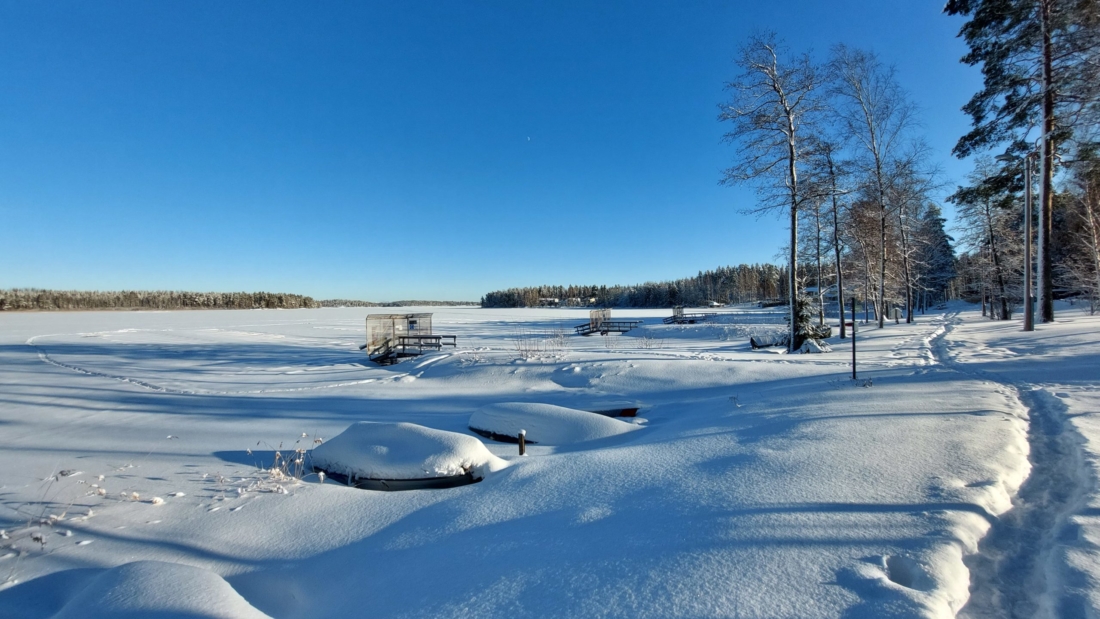
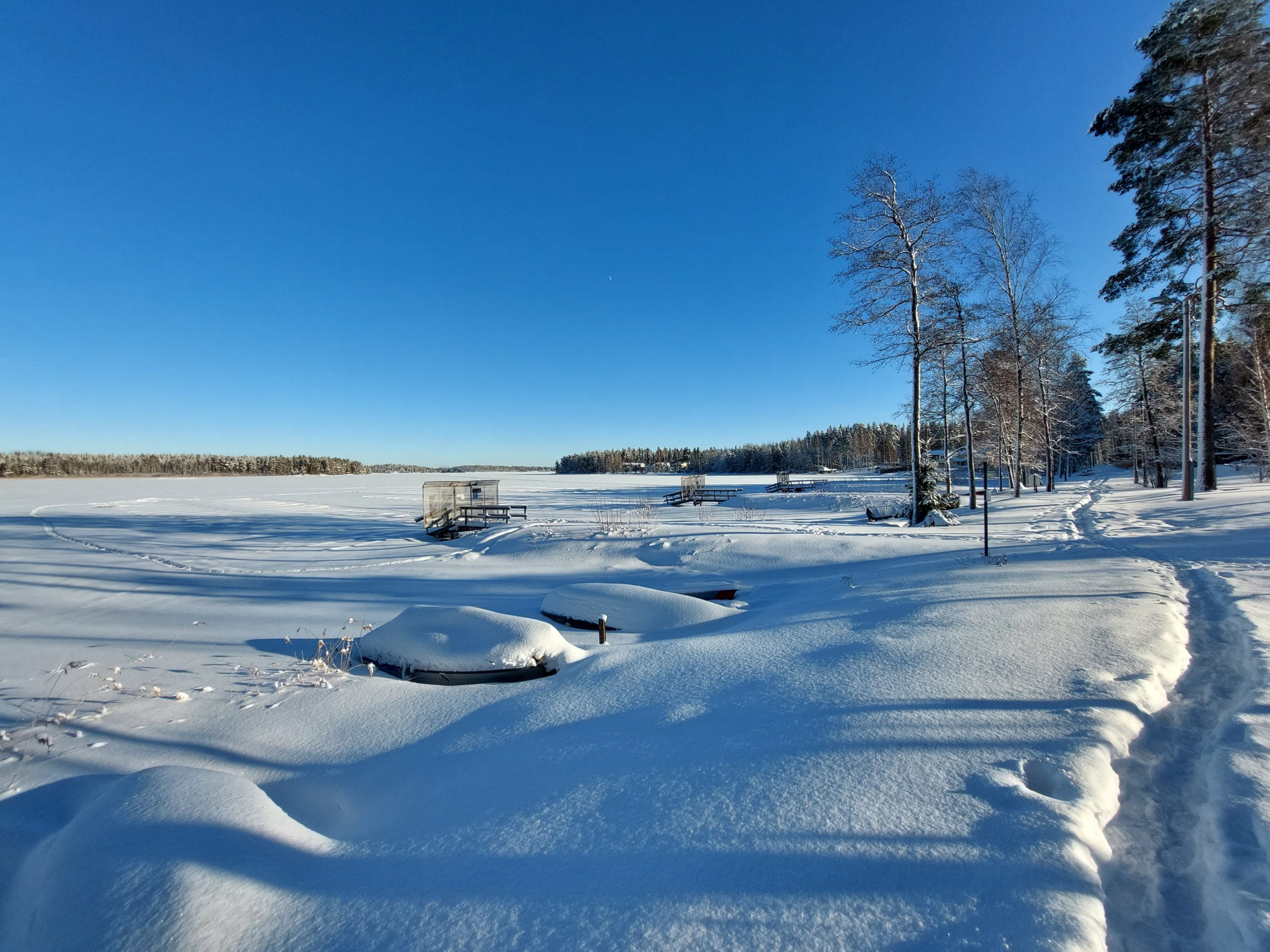
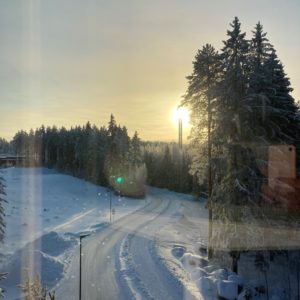
Our view from the office. Source: Jessica Fishburn.

I feel I align quite well with Finnish culture and ways of conducting business; quiet, relaxed, resilient, and respectful. While this has helped me settle here, it also excites me for working with our industry partners here with whom I have begun exciting conversations about orchestrating innovation ecosystems addressing sustainability challenges. Beyond this, I cannot wait to learn and explore other cultures as part of my EINST4INE journey and the amazing research opportunities we have!

Looking forward to seeing what the future holds and I hope others will be inspired to follow along the way 😊