
AI sustainability_chayanuphol_Shutterstock

When in Paris… talk about AI

Exploring AI Beyond the Hype: Reflections from the second edition of our workshop

I recently had the honor of co-organizing (together with my fellow colleague Domenico Di Prisco) and participating in the second edition of the workshop titled “Emerging Technology and AI: Beyond the Hype.” This initiative, launched by Prof. Lauren Waardenburg and my supervisor, Cristina Alaimo, aims to foster a deeper understanding of AI, cut through the surrounding hype, and explore its broader implications for management, society, and institutions.

First workshop “Emerging Technology and AI: Beyond the Hype” at LUISS in 2023:
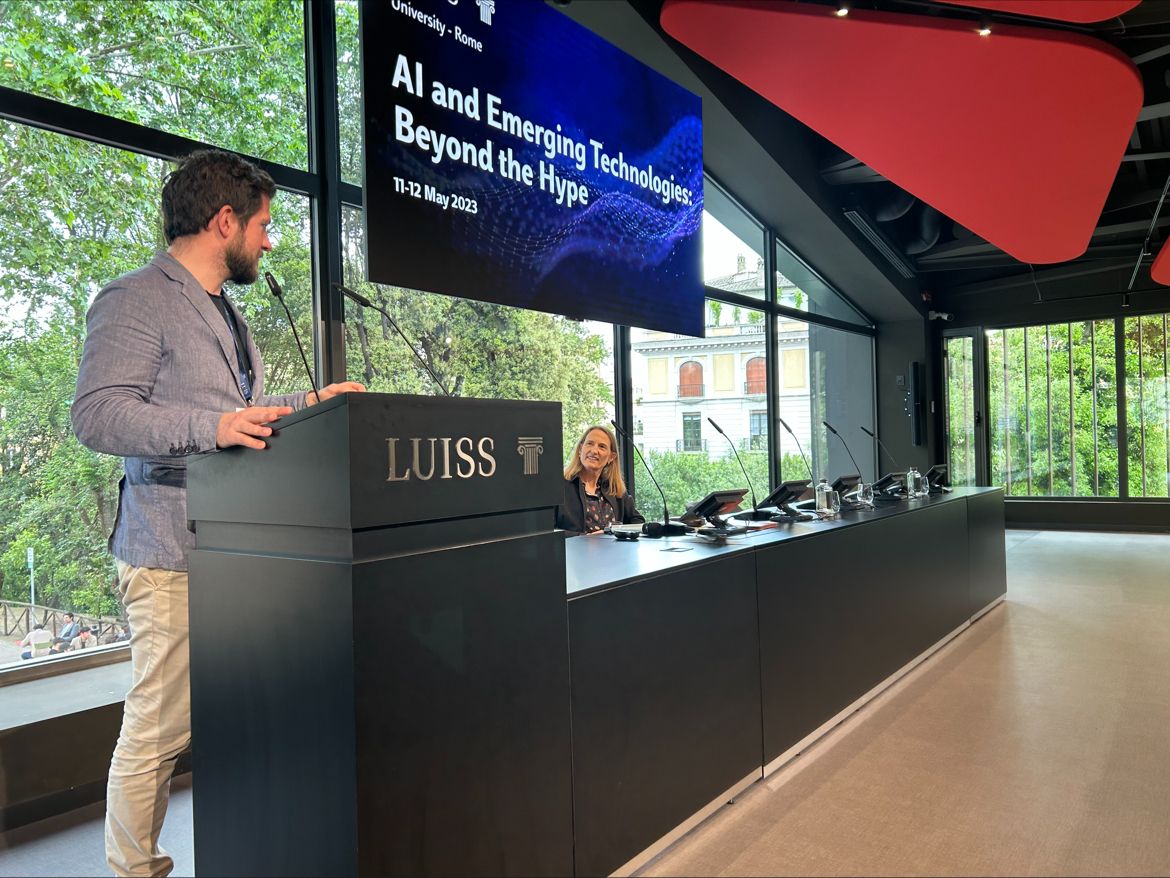
Source: Author

After the inaugural workshop at the LUISS campus in 2023, this second edition was held at the ESSEC campus in Paris. The event brought together experts from various disciplines, including information studies, organization and management theory, marketing, and even sociologists. They were all focused on studying the intricate impacts of AI on organizations and society and how these entities, in turn, shape AI.

2nd workshop edition in ESSEC Paris in May 2024:
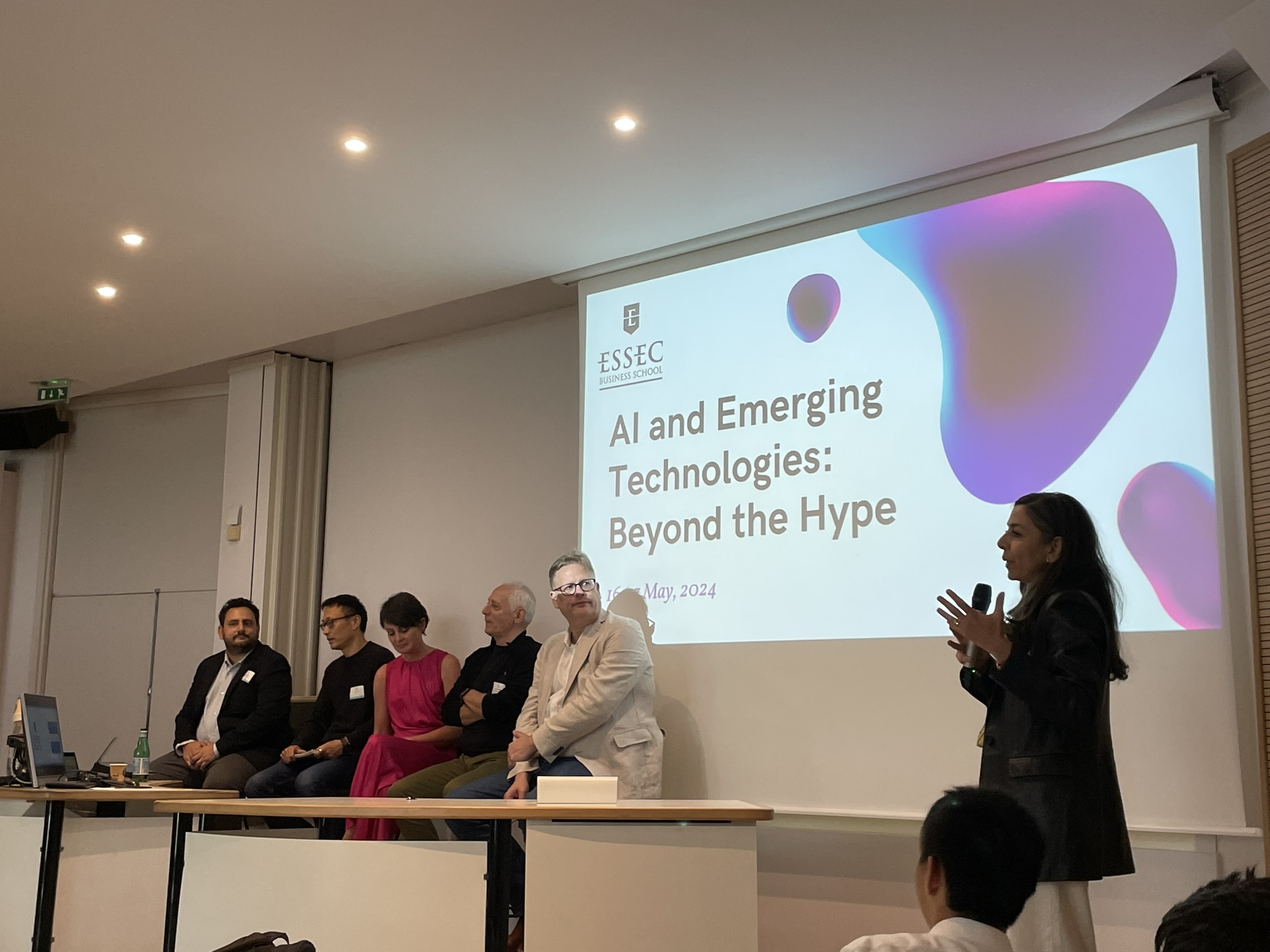
Source: Author

Over the course of two days, the workshop featured a series of insightful keynote speeches. The introductory keynote was delivered by Professor Jan Recker, who set the tone with his thought-provoking topic “Responsible AI = Sustainable AI?” He challenged the assumption that responsible AI is inherently sustainable, suggesting that we need to approach these concepts differently to ensure both responsibility and sustainability in AI development.

Following this, Prof. Elena Esposito delivered a compelling keynote on the transformative power of AI in making predictions actionable. She illustrated how, unlike traditional predictions like weather forecasts that merely prepare us for the future, AI enables proactive interventions to alter the predicted outcomes. This represents a significant shift in the role of predictions, akin to changing the weather itself rather than just dressing appropriately for it.

The second day of the workshop continued with equally engaging keynotes. Prof. Harris Kyriakou discussed the “Implications of AI for Research & Practice,” offering valuable insights into how AI is reshaping both academic research and practical applications. Prof. Melissa Valentine from Stanford University captivated the audience (making us solve math equations!) with her ethnographic study of an online clothing retailer. She demonstrated how introducing an algorithm transformed the organizational structure, with data science approaches to buying and planning redefining existing departmental boundaries.

These keynote speeches, followed by dynamic roundtables and project presentations, provided me with a lot of answers about AI, but it also left me with some new questions (which, I think, is a good thing?):

  • We still don’t truly know what falls under the category of AI. While many consider it an emerging technology, some argue that parts of it have reached the level of a general-purpose technology. As various fields navigate the creation and adoption of digital and advanced technologies, it’s uncertain whether we will have a clear answer to this question even next year.
  • This uncertainty leads to broader questions about our common understanding. Do we mean the same things when we talk about AI, sustainability, responsibility, accountability, and the role of data in addressing problems and finding solutions? How does this ambiguity impact our research? Are we experiencing an epistemological crisis due to the lack of clear definitions and shared understanding?
  • This also raised important questions about AI and sustainability. While AI is often touted as a contributor to sustainable solutions and development, it’s essential to consider the substantial resources these processes consume. Although AI can indeed foster sustainable outcomes, the experimentation process itself, even when shifted from physical to digital realms, still consumes a significant amount of resources. How, then, do we address this issue effectively?
  • As AI continues to become smarter and more autonomous, questions about accountability arise. Who is responsible for the good and bad decisions we outsource to AI? What decisions can we ethically and effectively delegate to non-human entities, and which should remain under human control? This issue is particularly pertinent in the use of AI for human resources, such as in the hiring process.

This workshop was and will continue to be an incredible opportunity to delve into these questions, fostering a deeper understanding of AI’s role and potential in society.

Looking forward to next year!

wasen

Wasen Beers, Workshop Cheers, and Cobot Gears: Stuttgart’s Workshop Fiesta

Hey everyone!

If you think life as a PhD student is just about boring books and endless research, think again! My last few weeks have been a whirlwind of cool events, amazing people, and lots of learning. Let me take you on a quick tour.

A Dive into Enabling Technologies at Stuttgart

In the heart of October, I found myself amidst the historic beauty of Stuttgart, ready to attend a workshop hosted by the University of Stuttgart. The central theme of the event revolved around enabling technologies and their pivotal role in the digital transformation.

The workshop spread over three days, promised – and delivered – a potpourri of informative sessions, panel discussions with industry stalwarts, and glimpses into the future of digital advancements. From discussing AI and data’s role in research to exploring the dynamics of enabling technologies for ecosystems was genuinely enriching.

A personal highlight for me was the chance to present my ongoing research project on the implementation of collaborative robots (or cobots) in SMEs. It’s a subject I’m deeply passionate about, as emphasized in my paper titled “Cobots in SMEs: Processes, Challenges, and Success Factors”. The feedback and interactions that followed the presentation were invaluable, offering diverse perspectives and new angles to consider in my research.

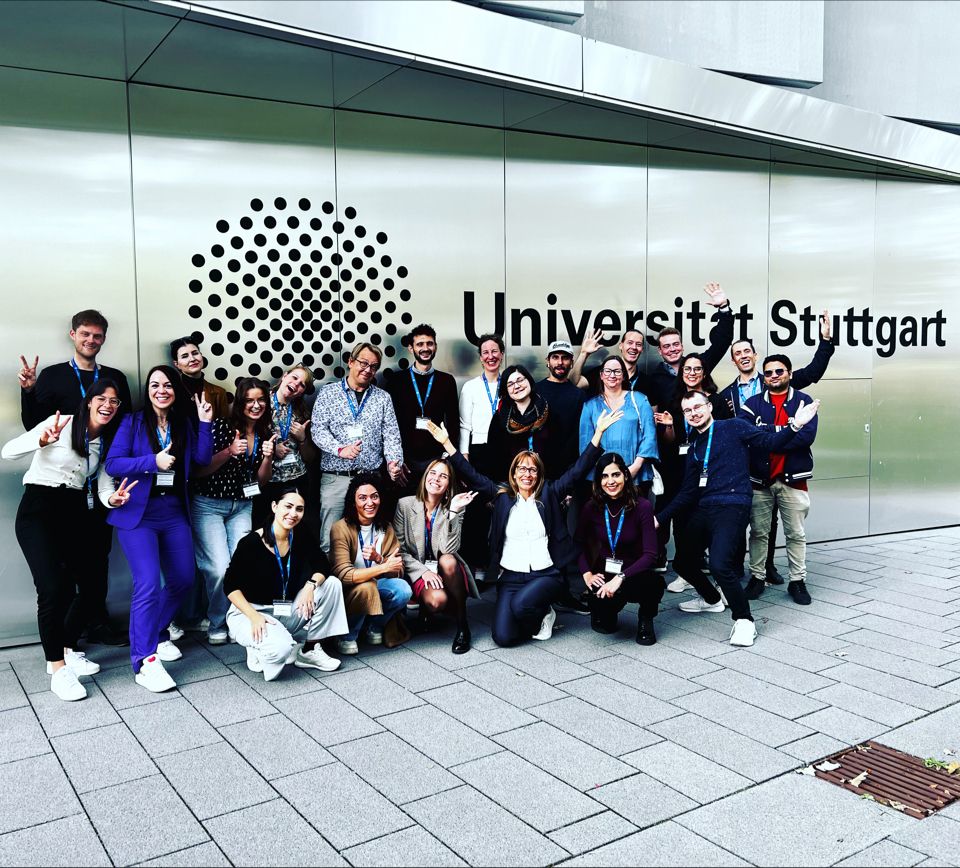
Participants at the EINST4INE Workshop in Stuttgart
Participants at the EINST4INE Workshop in Stuttgart (Source: photo taken by Christina Theodoraki)

A Taste of Local Culture

Before the intellectual marathon began, a few colleagues and I took a cultural detour to the vibrant Wasen event in Stuttgart. It was a delightful amalgamation of tradition, laughter, and shared memories – a perfect start to an intense week.

Reaching Out to the World

Another proud moment was presenting my conference paper remotely at the IEEE TEMs conference in Lithuania. The virtual platform extended the reach of my work to a global audience. Engaging with professionals and academicians from different corners of the world brought forth a myriad of viewpoints, making the experience thoroughly enlightening.

Looking Ahead

The journey, as they say, is never-ending. As I pen down these words, I’m in the midst of preparing a poster presentation for the upcoming World Open Innovation Conference in Bilbao, Spain, this November. I’m eagerly looking forward to further collaborations, feedback, and the joy of sharing my work with a broader audience.

In the world of academia, every day brings new challenges and revelations. These events and interactions have been instrumental in shaping my thought processes and providing direction to my research. I’m grateful for these opportunities and excited for the road ahead.

Until my next update, stay curious and keep exploring!

ian-dooley-3NCA3tbaE5I-unsplash

In-between Places: How to work and travel during your PhD

In-between Places: How to work and travel during your PhD

Why do you go away? So that you can come back. So that you can see the place you came from with new eyes and extra colors. And the people there see you differently, too. Coming back to where you started is not the same as never leaving.” – Terry Pratchett

Originally, I was convinced that doing a PhD means to sit in a dusty, dark office corner at the end of a long echoing corridor of a university. And that may still hold true for some PhD candidates, frankly, I don’t know. Studying one topic in-depth for 3 to possibly many more years, turning that one coin over and over again, that does not exactly sound like a roller-coaster ride. It sounds like a long sweaty marathon when the skies are grey, everyone else is running in front of you, and the cheerleaders have gone home. But that is not it.

Embarking on a PhD journey may seem like a black box at first. Luckily, in my case, this does not describe my office situation. The black box is rather the many things that you figure out along the journey and that uncover over time and that includes the research output as well as the steps to get there. Against assumptions, two years into the journey, the ride continues to be exciting and somewhat mysterious. The times I spent sitting at a desk are finely interwoven with another trip to book, another chance to mingle and learn, another part of the chain to get to the next step.

The requirement of the EINST4INE program to move into another country was what drew me to it. I moved from Berlin to Barcelona in less than 2 months (the time frame is not my personal recommendation, but it worked out in the end!). Ever since, I get to enjoy an environment that was new to me, I am learning a new language and a new way of living—la vida loca. Aside from finding a new place to call home, the consortium also gets together on a regular basis, be it in Denmark, Italy, recently the United Kingdom – or soon in Stuttgart in southwestern Germany. And, of course, conferences, workshops and similar events are vital for joining the academic community, finding like-minded peers, and exchanging on the most recent findings.

While last year I was able to spend 4 months on an industry secondment in southern Norway, I kicked off this year with a joyful 3-months stay in Melbourne at RMIT. And here are some things that I learnt during my trips away thus far:

  1. Leaving your comfort zone is never easy, but can be very rewarding when you keep an open mind to experiencing something new everyday
  2. Planning early on and ahead of time can help to get adjusted more easily and prepare for the new setting (and safe money of your budget for another trip instead)
  3. Networking and getting to know new people are often the highlights of spending time abroad, especially if you can find people to discuss your topic with and get new ideas for your work, you may even make new friends for life
  4. Balancing to try new things and maintain regular habits (e.g., workout, sleep schedule, etc.) can be helpful to challenge yourself and expand your horizon while also keeping connected with your “home base self” for when your trip ends
  5. Exploring a new city and what it has to offer such as restaurants, museums, sights, and nature will provide many opportunities for experience and insight that can sometimes provide new angles on existing thoughts (especially for your research)—go explore and sleep when you are back home 😉

Looking back on every conference, every seminar, every dinner networking I thus far attended, each event provides such a unique value, adding to the pages of the PhD diary. Finally, my favorite saying goes like this: Don’t wait to be sure—move, move, move!


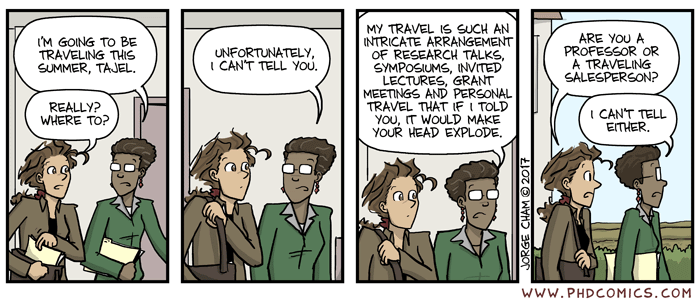
© phdcomics by Jorge Cham
Background

Making Connections: My Boston Odyssey with the Academy of Management

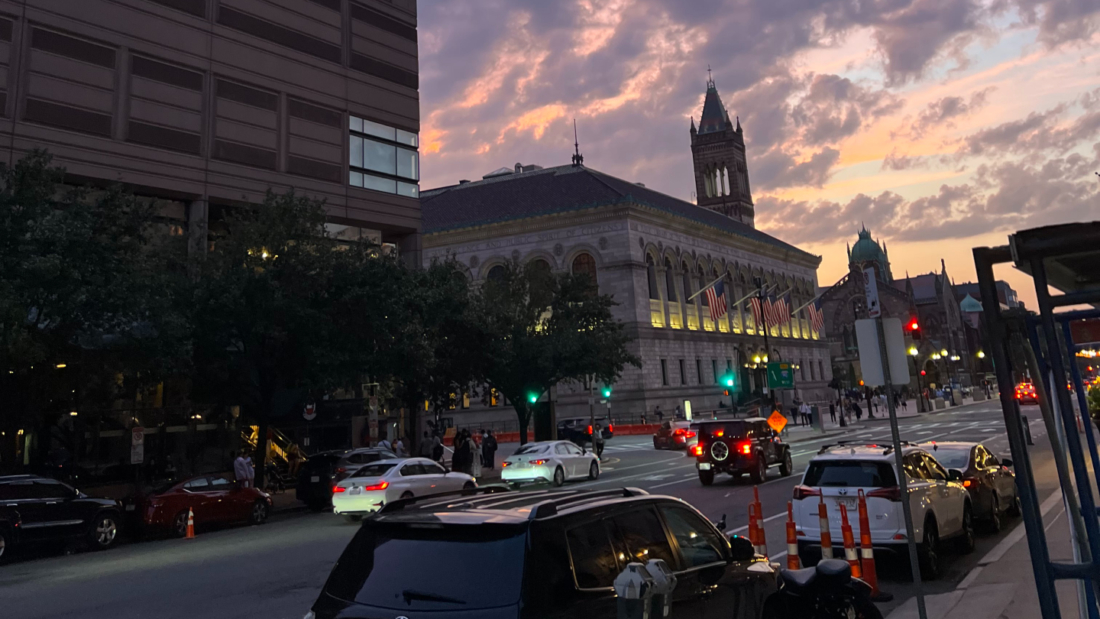
The faint hum of discussion, the air imbued with intellectual verve, and Boston’s ever-endearing charm as the backdrop: this year’s Annual Meeting of the Academy of Management (AoM) was nothing short of enlightening.

A Beacon of Knowledge in Boston

With the banner “Putting the Worker Front and Center,” the 83rd Annual Meeting brought the academic world alive in the heart of Boston, a city recognized globally for its synergy of historic charm and intellectual prowess. The AoM’s return to Boston was a significant affair, given its reputation as the most highly attended location in previous years. Over 10,000 attendees from diverse corners of the globe congregated, epitomizing Boston’s allure as an international hotspot for research and learning.

This year’s conference was a veritable smorgasbord of academic feasting. From over 1,500 in-person sessions to the inaugural Annual Meeting Opening Reception, where attendees could engage with AoM’s past and present leaders. Notably, a cutting-edge online platform facilitated interactions, allowing participants to review the program, coordinate schedules, and immerse in spirited discussions.

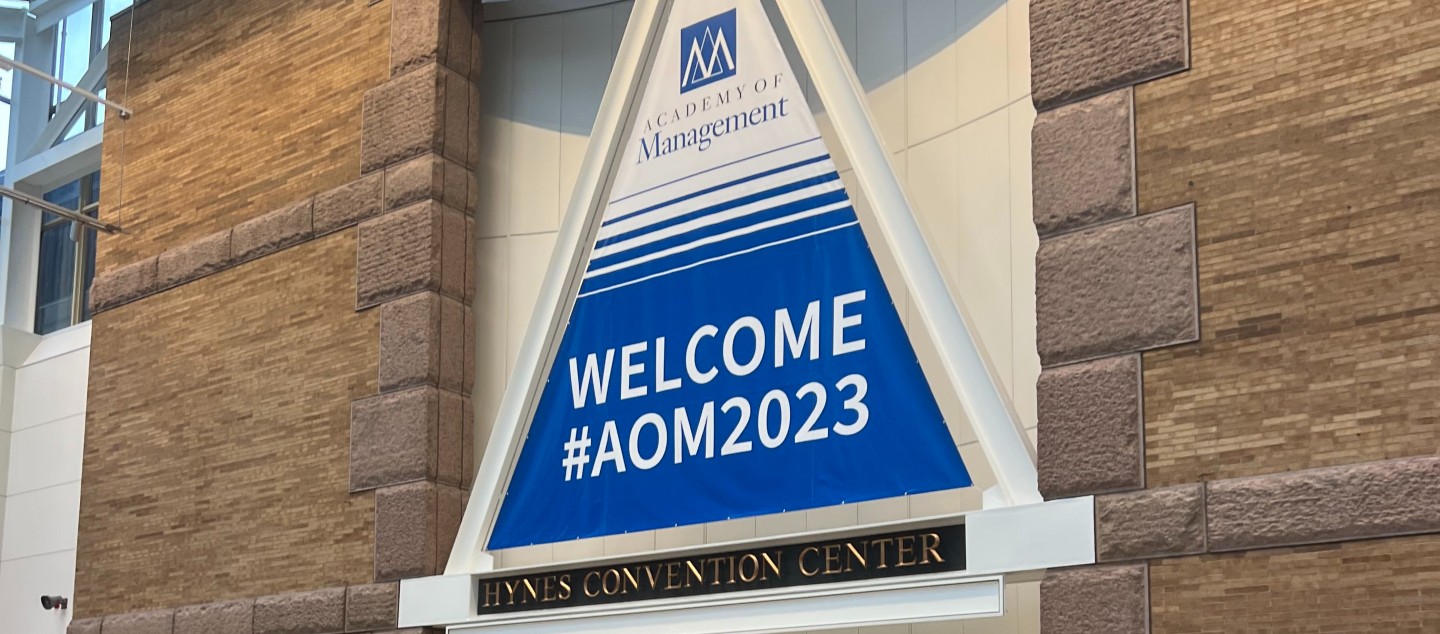
AoM23 Welcome Sign. Source: own photo.

A Day at the Doctoral Consortium

Among the variety of events, one that significantly resonated with my academic pursuits was the Doctoral Consortium at the Boston Hynes Convention Center. This event holds a unique significance, bridging doctoral students from across the world, facilitating discussions on a myriad of topics and workshops tailored to mold the academic leaders of tomorrow.

The day began with the scent of freshly brewed coffee and a light breakfast, providing an informal ambience for attendees to mingle. As the hours unfolded, the consortium delved into a range of sessions: from crafting job talks to understanding the emotional and mental nuances of transitioning to faculty roles. One particularly poignant segment was the Keynote Speech by Rajshree Agarwal on “Fostering your own enterprise.” Her insights, combined with the wisdom imparted by various faculty panels, made the consortium an enriching experience.

The lunchtime roundtable on research pitches was particularly close to my heart. It was here I had the opportunity to present my project, focused on understanding the interaction models of collaborative robots in organizations. The feedback from peers and mentors was invaluable, aligning with my objectives, such as exploring technology acceptance and its overarching impact on organizational performance. This consortium, coupled with the insights and critiques I received, has been instrumental in steering my research of collaborative human-robot interaction towards a clearer goal.

As dusk approached, the consortium attendees gathered for an off-site dinner at the Back Bay Social. While enjoying Boston’s tasty food and nice atmosphere, our day’s talks easily turned into friendly chats, helping us build work friendships.

Reflecting on the Odyssey

Attending the 83rd Annual Meeting of the AoM has been more than just an academic excursion; it was a journey of personal and professional growth. The myriad discussions, panels, and networking opportunities bolstered my understanding, expanded my horizons, and solidified my passion for exploring the realms of collaborative robots in organizations.

In essence, this Boston odyssey has not just been about gaining knowledge but about making connections – with academia, peers, and the deeper nuances of my own research. As I left the city, I carried with me not just memories but a renewed zeal, ready to tackle the challenges of the 21st century related to management and organizations.

PXL_20230501_125941041

Vappu

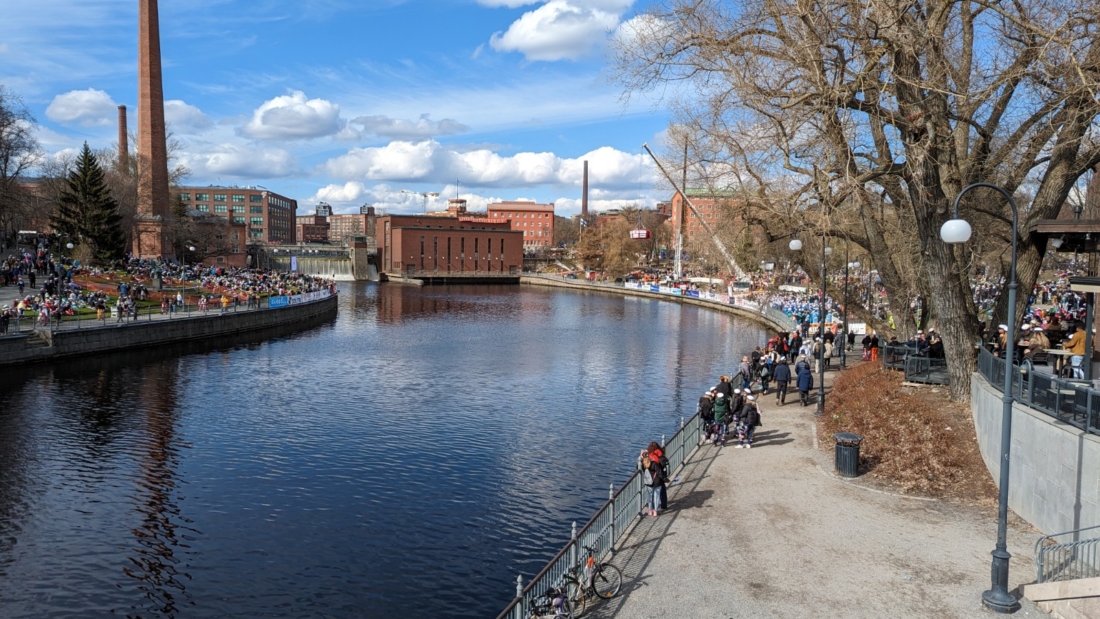
During my first weeks in Tampere I experienced the first of May celebrations in Finland also known as “Vappu”. In contrast to some other countries, the first of May is less important for workers’ rights and more relevant for the university students. The night before is often spend partying, while on the day itself everyone joins for huge public gatherings with sweets, picnics and alcohol. Sima a mead like beverage and munkki, a suggar coated donut are typical for those celebrations and sold in small booths all over the city. Freshly graduated students as well as alumni wear their white student cap and every city has its own traditions on what else is organized on the day. In Tampere, students will be submerged into the river running through the city. This is done in the most convenient way possible: by picking up a cage with students by crane. This spectacle is observed by the whole town, who gather at the riverside and bridge to have a look.

Party and picnic at the riverside. Picture by Finn Tryggvason
Dipping the students into the water by crane. Picture by Finn Tryggvason

Finn in Finland

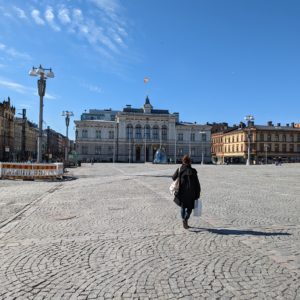
As part of the program I have the opportunity to go to Finland and visit both my industry partner Jakamo, as well as the LUT university. Now the time has finally come and I have arrived in the lovely city of Tampere, where I will be staying for my first two months. I was lucky to be met not only by great weather, but also the amazing team of Jakamo. During my stay I will conduct research in the field of ecosystem legitimacy, using Jakamo as a case study. At the same time, I will gain important industry insights and can engage with the team here so that we can learn from each other. For now I will focus on settling in, which does not seem too hard with such great company showing me the sights of Tampere 😉

I am thankful for this opportunity and am excited to see where my journey here takes me. While working with Jakamo, I will also post on their blog on supplier experience, so stay tuned for more to come!

Approaching Tampere. Picture by Finn Tryggvason
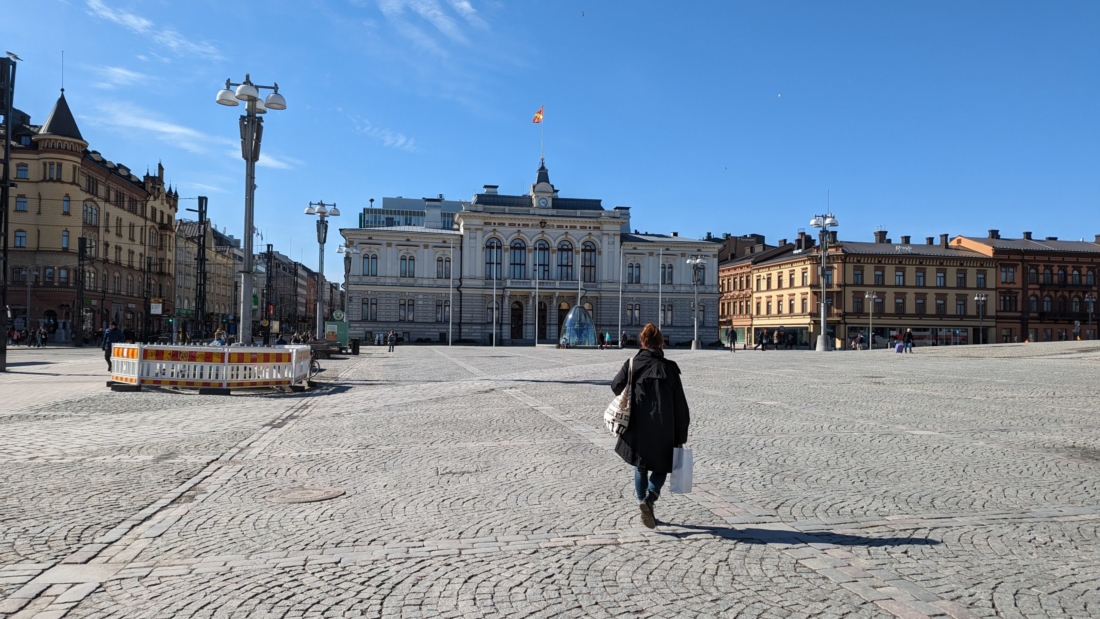
Tampere Town Square. Picture by Finn Tryggvason


After work sunbathing with the team. Picture by Timo Rossi
robot-g78f84ae61_1920

Robots, Drones, and Robo-Dogs, Oh My! A Journey Through the World of Robotics

“The best way to predict the future is to invent it.” – Alan Kay

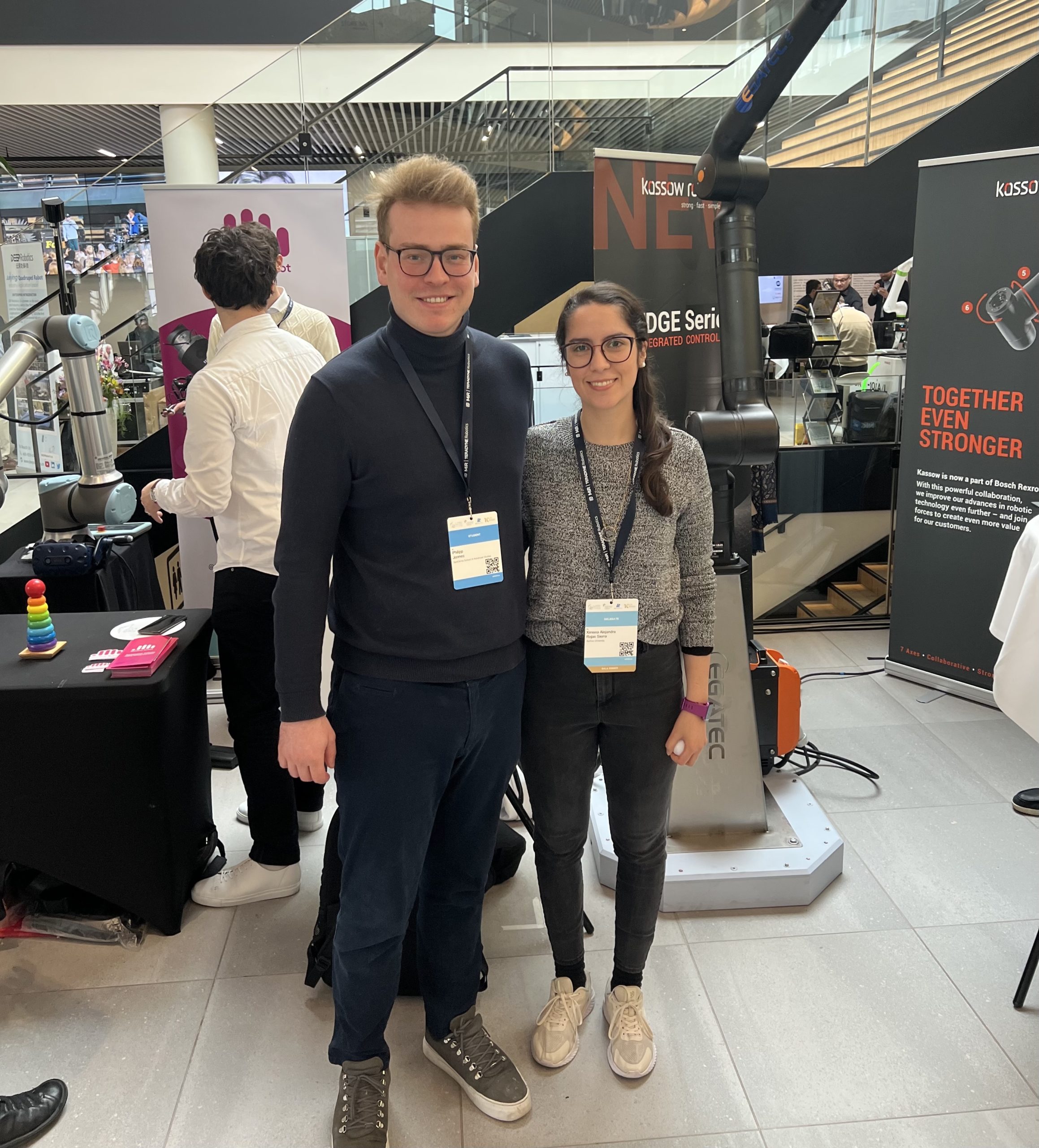
Hello everyone! I’m happy to share some experiences that I’ve made during the last month. Recently, I had the incredible opportunity to accomplish my academic secondment at Aarhus University in Denmark and attend the European Robotics Forum in Odense with my EINST4INE colleague Alejandra Rojas.

ERF23

The European Robotics Forum (ERF) is an annual event that brings together experts in robotics from industry, academia, and government to discuss the latest developments in the field and explore potential collaborations. The forum is organized by the European Robotics Association (ERA) and typically features keynote speeches, technical sessions, panel discussions, and exhibitions showcasing the latest robotics technologies and applications.

The ERF serves as a platform for researchers, engineers, and entrepreneurs to exchange ideas and knowledge on a wide range of topics related to robotics, including industrial automation, healthcare robotics, service robotics, and artificial intelligence. It is also a forum for policy makers and industry leaders to discuss the challenges and opportunities presented by the rapidly evolving field of robotics, such as ethical and legal considerations, workforce training, and investment strategies. Even Crown Prince Frederick, His Royal Highness of Denmark, attended the event this year!

ERF with EINST4INE colleague Alejandra Rojas
ERF23 with EINST4INE colleague Alejandra Rojas. Source: own photo.

As a visiting researcher, I was thrilled to be able to connect with so many people who are passionate about robotics and human-robot interaction. I was able to learn about the latest developments in this field. I was particularly interested in discussions surrounding collaborative robots, which are designed to work alongside humans in manufacturing and other industries. During the forum, I had the pleasure of engaging with some brilliant minds, from both the academic and practitioner side. Their contributions to the discussions were invaluable, and I learned a lot from them.

Exploring the Fascinating World of Robotics

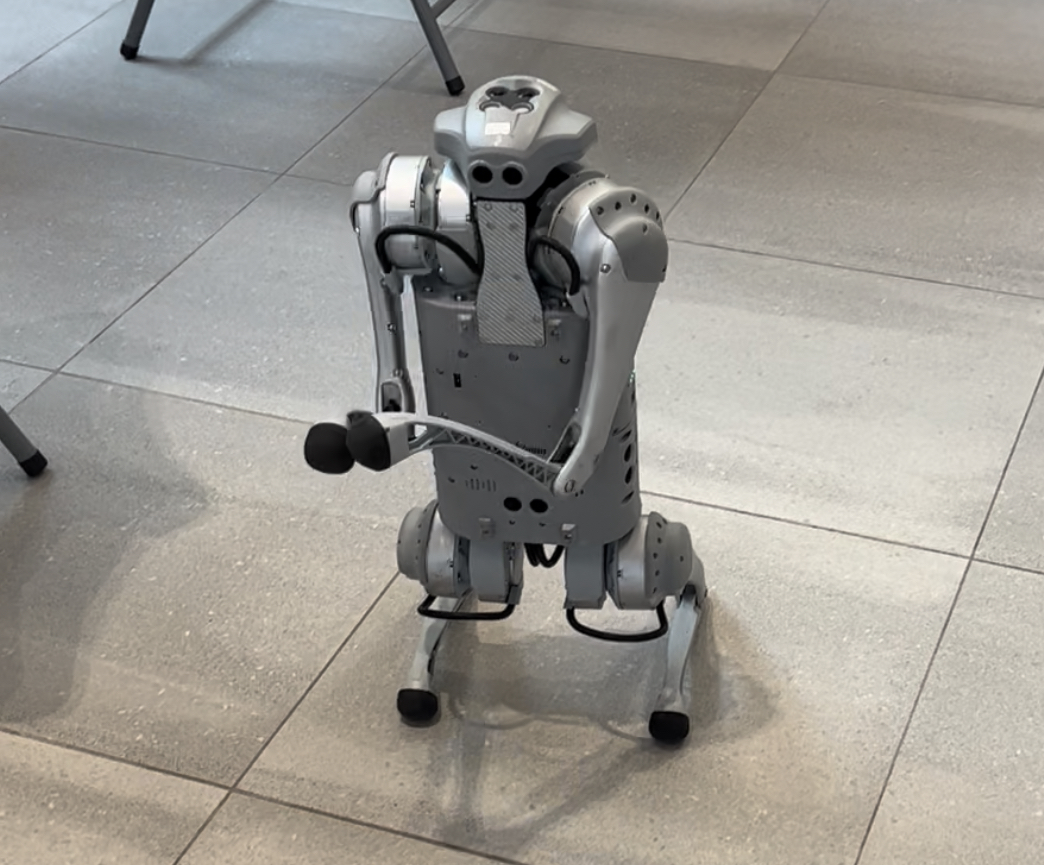
In addition to my research on collaborative robots, I’m also fascinated by other robotic technologies such as drones and robotic dogs. These technologies are shaping our world in profound ways, and I believe they have enormous potential to improve our lives. For example, drones have the ability to conduct aerial surveys, deliver packages, and even help with search and rescue missions. Robotic dogs, on the other hand, can be used in a wide range of applications, from military and law enforcement to assisting people with disabilities. I find the intersection between these technologies and human needs to be particularly interesting, as it challenges us to think about how we can design and use robots in ways that are safe, ethical, and beneficial for society as a whole.

Robotic Dog ERF23
Robotic Dog ERF23. Source: own photo.


The Journey Goes On

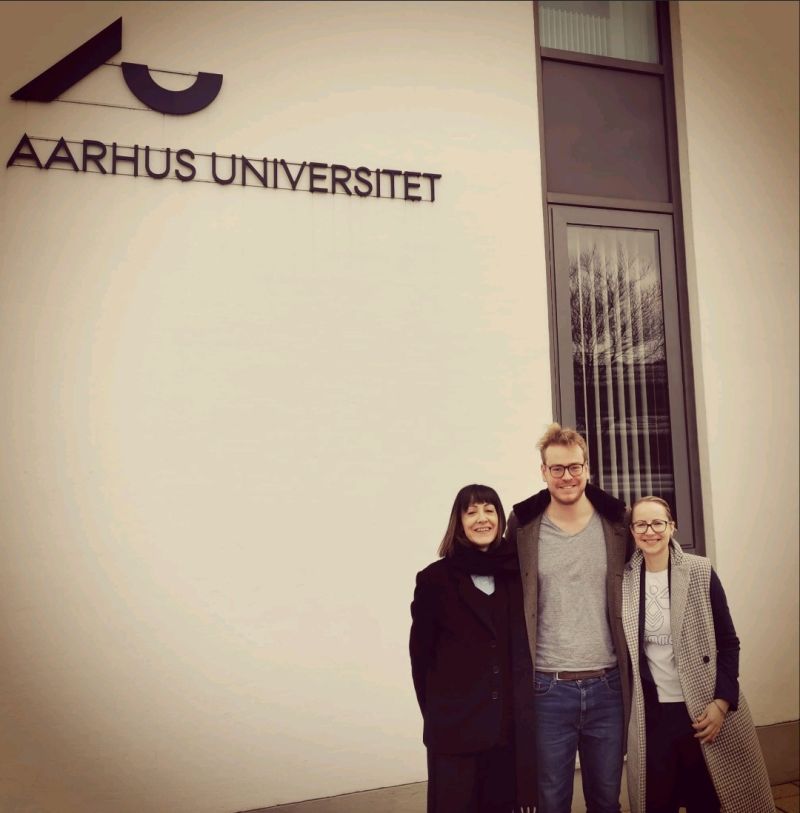
Aside from the forum, I also spent time at Aarhus University, where I was conducting interviews with SMEs located around Denmark. These interviews are an important part of my research, as I’m studying the implementation of social and collaborative robots in organizations. By understanding the effects of cobots on an individual and firm-level, I hope to achieve a clearer understanding of cobot implementation processes, organizational opportunities and challenges.


Visit at AU with Agnieszka Radziwon and Cristina Marullo
Visit at AU with Agnieszka Radziwon and Cristina Marullo. Source: own photo.

Overall, my trip to Denmark was an amazing experience, and I’m so grateful for the opportunity to connect with so many brilliant minds in the robotics field. I’m excited to continue my research and see what developments the future holds for human-machine interaction models. I am also looking forward to the next EINST4INE Summer school and see my ESR friends in person again. Thanks for reading!


Attending a Digital Ethnography summer school in Australia

Attending a Digital Ethnography summer school in Australia

During my current academic placement with RMIT in Melbourne, Australia I have the chance to network with colleagues from the School of Business, attend talks and seminars and collaborate with other departments and researchers from different fields!

One example is the summer school led by the Digital Ethnography Research Centre (DERC) [https://digital-ethnography.com] here at RMIT Melbourne which I attended at the end of February. During the summer school Early Career Researchers (mostly PhDs) from all over the world got together to learn from Annette Markham and Larissa Hjorth about “Digital Ethnography Fieldwork and Analysis: Studying hybrid contexts of human+ non-human+ more-than-human entanglements.

What is Digital Ethnography?

Attending a Digital Ethnography summer school in Australia
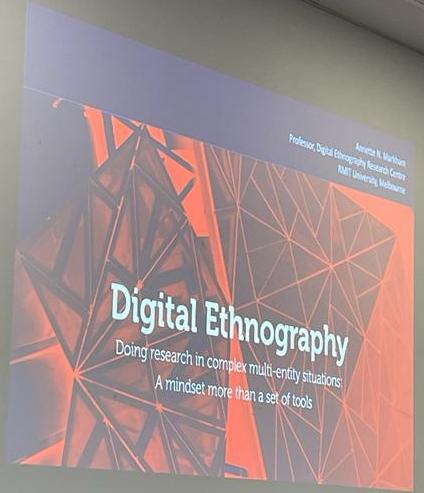
Slide from the summer school (Source: picture taken by C. Leeb).

Digital ethnography encompasses a lot of things. In general, it means investigating how digital technology impacts humans and society by using ethnographic tools. For example, how people use and interact in the digital space (e.g., on social media platforms like Instagram or Twitter, online forums, games, etc.) and trying to understand how this impacts the end-user. Just like the EINST4INE researchers, digital ethnographers investigate digital transformation. They are taking a very human-centred approach to this and are interested in the lived experience and feelings of the people using digital tools. I was lucky enough to be able to participate in this summer school, and I can only say: What an amazing summer school and what a great fit to my research!


The Summer School

The summer school lasted a week, plus an extra day for PhDs to present their work.

We heard lectures on various topics, such as how to do ethical research or on important themes in fieldwork (e.g., immersion, continuous documentation, using “what’s at hand” to generate material). Further, a penal discussion of former PhD students doing Digital Ethnography gave us insights about the possibilities in this research area. We heard from Marissa Willcox (University of Amsterdam), Zöe Glatt (London School of Economics), Kelly Chan (RMIT University) and Jess Hardley (RMIT University). We also had workshops in which we did our first ethnographic fieldwork, we learned how to write field notes and how to use video and photos to document our experiences.

Halfway through the summer school, we did one day of fieldwork out in the public space. We were divided into 6 groups. Half of the groups observed the interactions inside the Australian Centre for the Moving Image (ACMI) and the other half on Federation Square in Melbourne. But – this was not all!

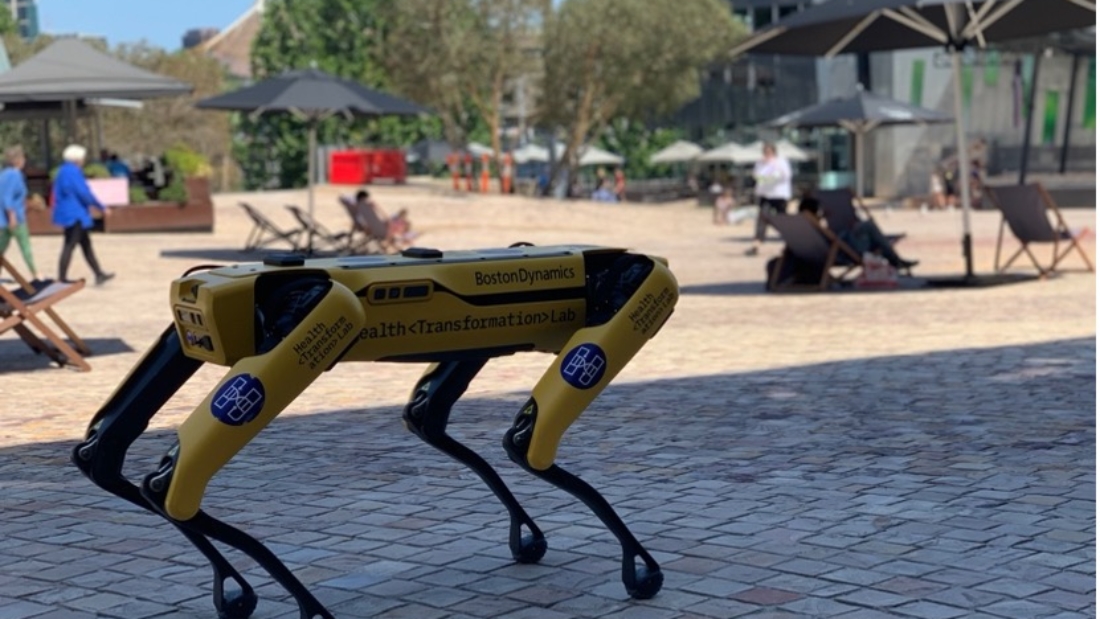
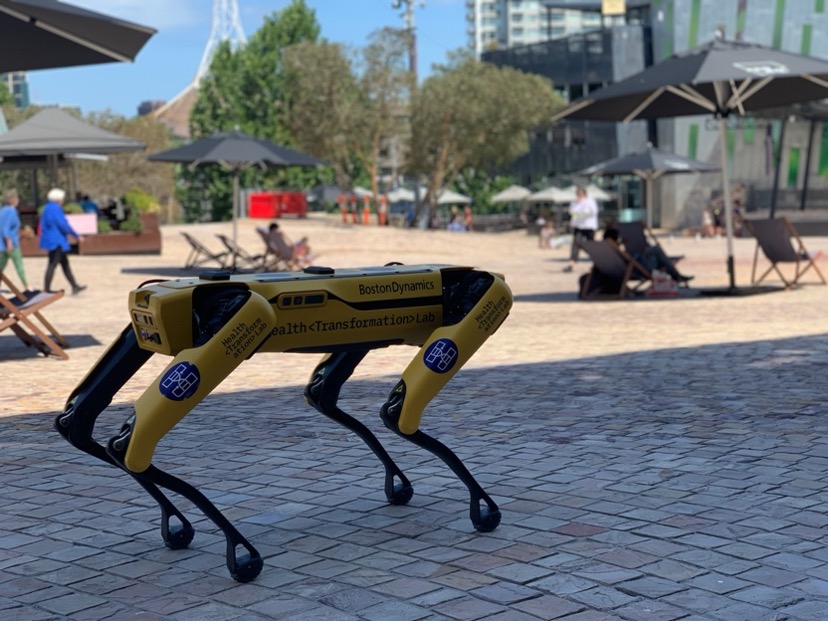
We actually observed something very specific, as we had another participant joining us: Boston Dynamic’s robot Spot!

Attending a Digital Ethnography summer school in Australia
Spot on Federation Square (Source: picture credits to Alison Starr).

The focus of our observation and field day was to see how people of the public react and interact with Spot. This day was very insightful and lots of fun!

After that, we started reflecting on our experiences as a group and heard lectures on some useful tools for the analytical processing of the data, namely on Situational Mapping and Critical Making techniques. Then, each group put together two presentations to share with the other participants: one on our initial reflections of the field day and one on initial findings from the first attempts of analysing some data.

Personal key take-aways

I will very shortly touch upon 3 key take-aways from this summer school:

  • Ethical considerations: Before, during, and after doing research.

It was great to discuss this central topic in research again: how important it is for a researcher to constantly reflect on ethical considerations.

Before the research this seems obvious to most: often simply because you need to obtain ethical approval to do your study. But it doesn’t end there, continuously throughout your data collection time – you need to be aware of your positionality (am I an outsider, an insider?), what effect your research or your presence in the field could have on others, and that you will always bring in subjectivity when entering a field. The more you reflect on these things, the better and the more you can ensure that your research will be ethical. Ethics is not simply an approval to obtain – it is there to support you to do the right thing. It helps you to reflect on possible issues that might arise and to plan ahead on how you will react to them.

  • Looking at the data in a group: Surprises can emerge.

During the analysis stage, we had access to the data we collected ourselves and the data from all other researchers. A key take-away for me here is that looking at data in a group can lead to many different insights and surprising themes! It enriches the analysis process greatly as every member brings a unique point of view into the discussion.

It was exciting to see all the interesting themes that emerged during the analysis process with my group. We talked about the agency of oneself and how we ascribe agency to others (e.g., Spot). While I wasn’t too surprised that participants seemed to struggle to categorize Spot (Is it a dog? A horse? A spider?), I was intrigued by the fact that most people really wanted to categorize it. They either asked a lot of questions or started treating it in a certain way (e.g., petting it etc). Other interesting topics that emerged were control (people started giving Spot commands) and embodiment (participants reflected on their feelings in a bodily sensation).

Attending a Digital Ethnography summer school in Australia
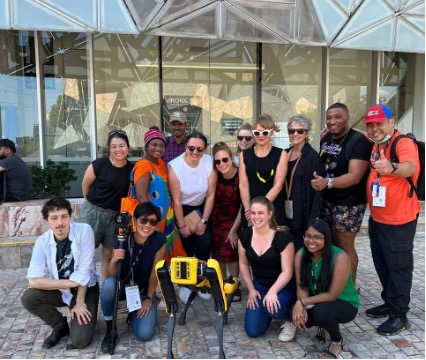
About half of the participants of the summer school + Spot at Federation Square. (Picture credits to Haryo Jiwandono).
  • Not just valuable learnings: Good company & good food.

The last key take-away is clearly that I learned a lot and enjoyed the summer school greatly. I met fascinating people from all (literally every continent except Antarctica was represented) over the world from various disciplines (architecture, urban studies, anthropology, design, journalism, organisational studies…). Actually – one of them, Kateryna Kryzhanivska, who is also a visiting PhD researcher at RMIT, and she is from LUT University, Business School! (which shows again that the world can be really small as well).
Who knows – maybe some of these connections will last and result in future collaborations!

Further, good food is a great plus in any event.

Attending a Digital Ethnography summer school in Australia
The desert at the Welcome Dinner provided by “Piecurious” run by Helen Addison-Smith (picture taken by Constanze Leeb).

All in all I can say:

It was intense, insightful and amazing – a week well spent!

Robotics workshop in Odense Denmark

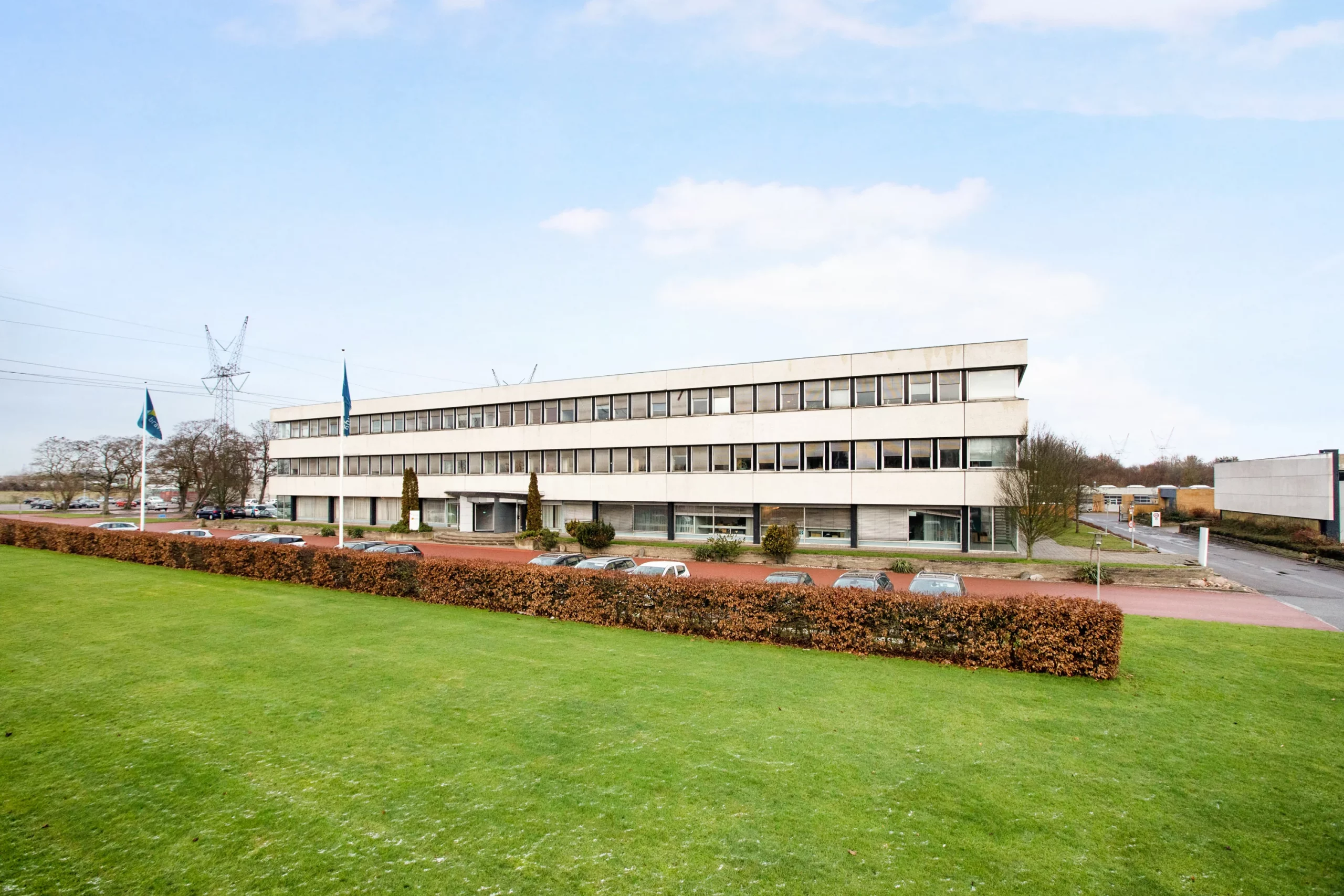
We travelled to Odense, Denmark in October 2022 to attend a workshop on robotics. We were able to tour two businesses, Blue Ocean Robots and Universal Robots, as well as the University of Southern Denmark (SDU), during this workshop. I’ll talk about my experiences touring two robotics companies and one university in this blog.

As a result of the several enterprises that are developing robots in Odense, the city is also known as the “city of robots.” First, we went to Blue Ocean Robotics, which has three primary robots. There, they let us interact with them and showed us some of their most important features. The CTO of Blue Ocean Robots also provided a general overview of the business, including its history, culture, technical staff, etc. Additionally, we went to their production facility and a lot of questions were answered there. Our researcher was quite curious throughout our visit, and I learned that there are still many robot advancements that can be made, and that they are actively working to do so.

Figure 1: Blue Ocean robotics. Photo source: https://cdn2.hubspot.net/hubfs/5809782/Blue%20Ocean%20Robotics%20own%20folder/New%20Headquarters/Blue%20Ocean%20Robotics%20Domicil%202020_3.jpg

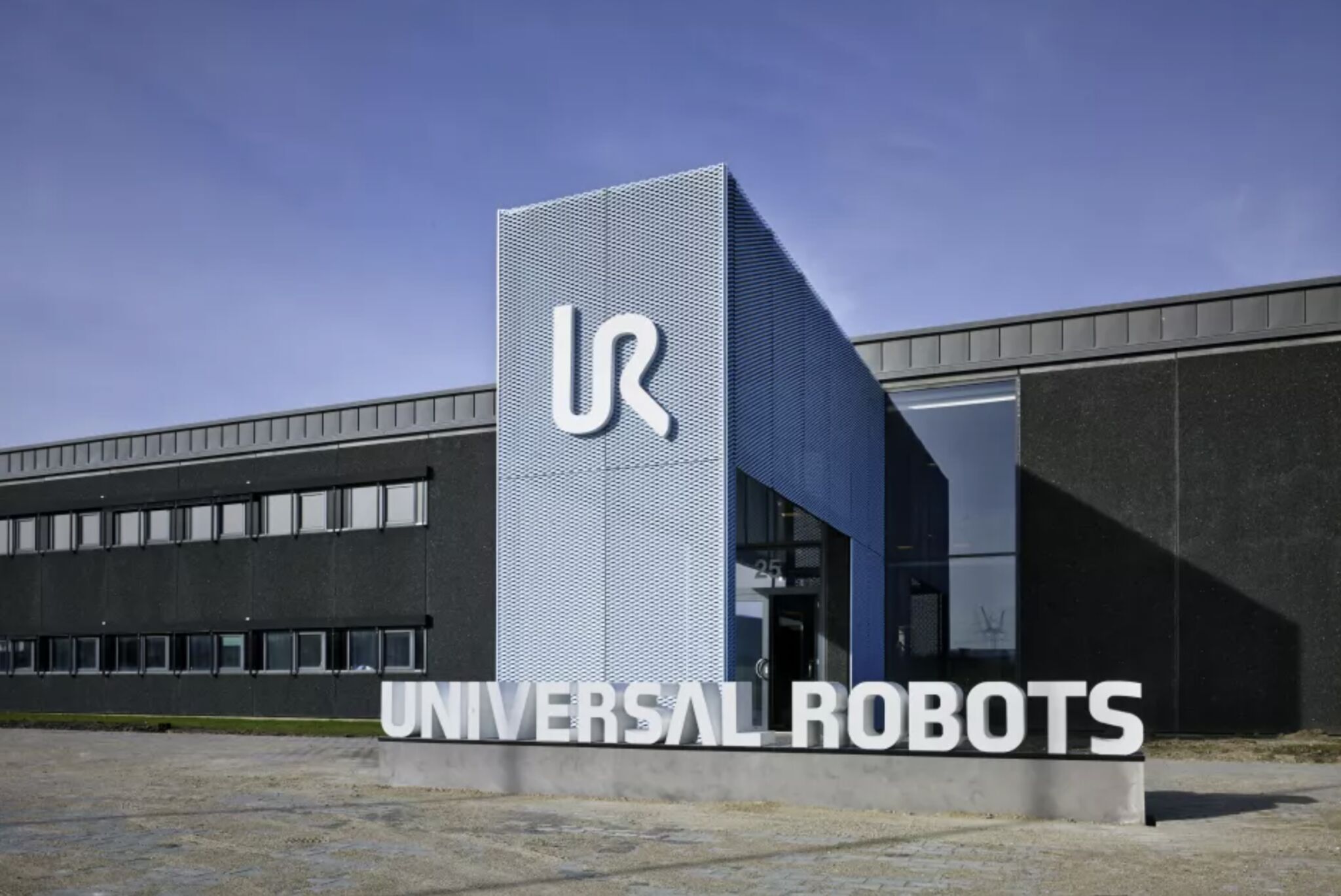
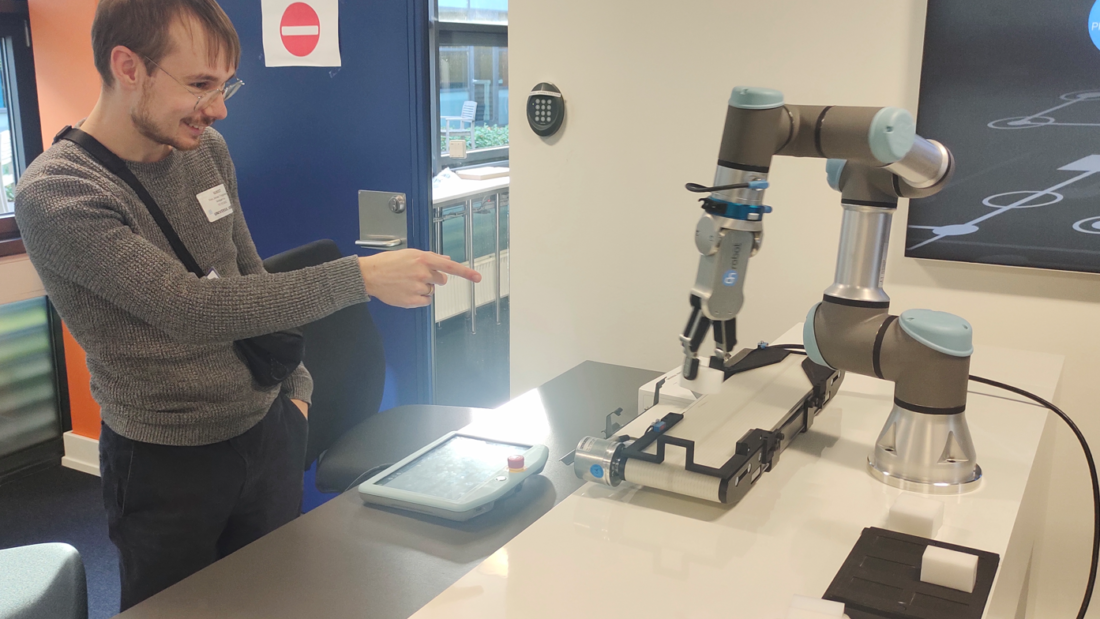
Secondly, we went to Universal Robots, where the innovation manager gave us a tour of the facility and then gave us the opportunity to program their robot. After the presentation, they also gave us access to the production site. One collaborative robot from Universal Robots is capable of carrying out a variety of activities, including screw driving and picking up and placing goods. After using their robot, I discovered that there is still room for development, and they are already enhancing and incorporating new functions into their robots.

Figure 2: Universal Robots. Photo source: https://www.universal-robots.com/media/19454/ur_domicil01_387x290.jpg

Furthermore, the next day, we went to the Southern Danish University (SDU). Professor Calogero Maria Oddo, my supervisor, and other professors from various universities presented their research. Also, I with other researchers presented my poster and described my PhD project. During my stay in Odense, I discovered a lot of new things, and this workshop enabled me to better grasp the kinds of advancements and contributions I can make to the field of robotics during my PhD. It was a fantastic session that all of the organizers did a great job of planning. I’ve included some helpful advice here for anyone planning to visit industry in the future.

  • Before visiting, try to learn about the company’s primary products.
  • Before visiting, try to learn more about the history of the firm.
  • When you visit, try to learn about the company’s vulnerabilities.
  • Speak to as many of the staff members of that firm as you can.
  • Try to determine what a firm may gain from your talents.

In conclusion, I’d like to emphasize the importance of visiting businesses and other academic institutions throughout a PhD to learn about their contributions. Additionally, working in industry for a short period of time might be helpful for a PhD thesis.  You will be able to observe the implementation in actual robots during your tour to industry, and you can learn about ongoing research at other universities by visiting them. You can expand your network by going to workshops, conferences, and industry events. I really believe that when you are surrounded by intelligent individuals, you can learn a lot and, in the future, we will be able to take positive action for the advancement of our society.


Analog Twin

Analog Twin

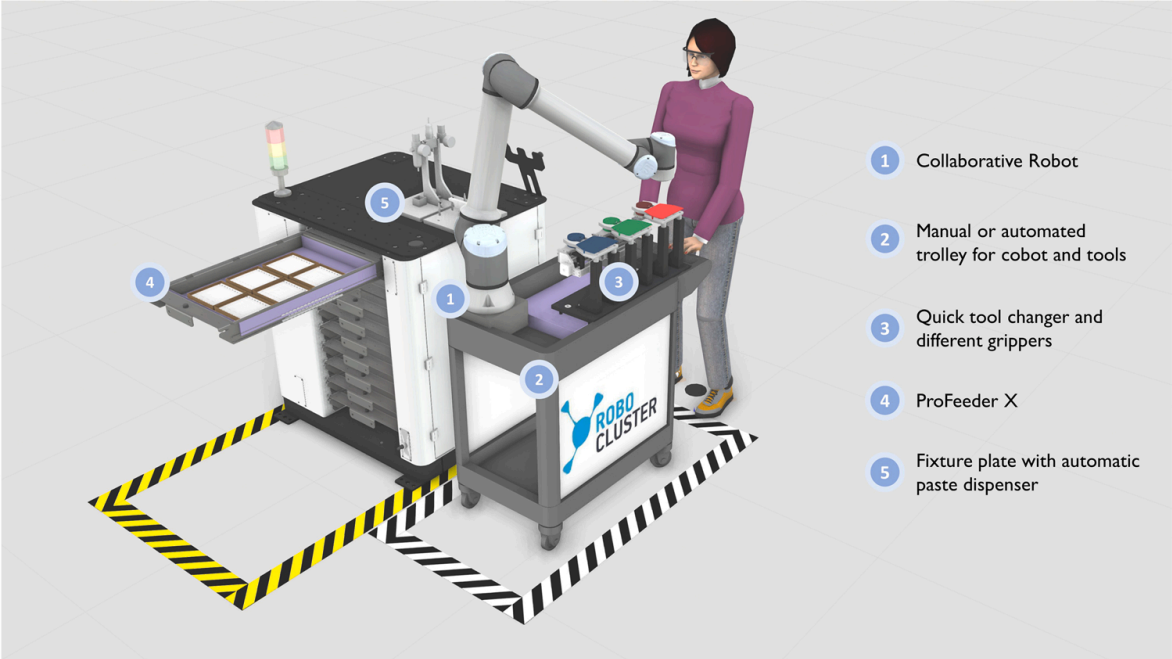
During our recent ENST4INE workshop in Denmark, we had an insightful tour at Universal Robot’s (UR). Part of the tour was an introduction to the programming of their robots in their educational facilities. While brief, it was amazing to get the robot to do some simple stacking tasks. Previously I had been working with a virtual version of the UR robot as part of a paper with my professor at the University of Southern Denmark (SDU), where we investigated different flexible production scenarios using simulation (see Figure below). It was surprising, how much of the knowledge I acquired during this project was directly transferable to programming the robot in real life. While the simulation clearly does not suffice to fully teach how to program a robot, many processes and concepts were almost the same. After this workshop I am convinced, that the simulation work I had been doing before can aid me in understanding real world applications and is suitable to evaluate a possible set up in a production line.

Analog Twin
Picture from: Ribeiro da Silva, E., Schou, C., Hjorth, S., Tryggvason, F., & Sørensen, M. S. (2022). Plug & Produce robot assistants as shared resources: A simulation approach. Journal of Manufacturing Systems, 63(March), 107–117. https://doi.org/10.1016/j.jmsy.2022.03.004
Analog Twin
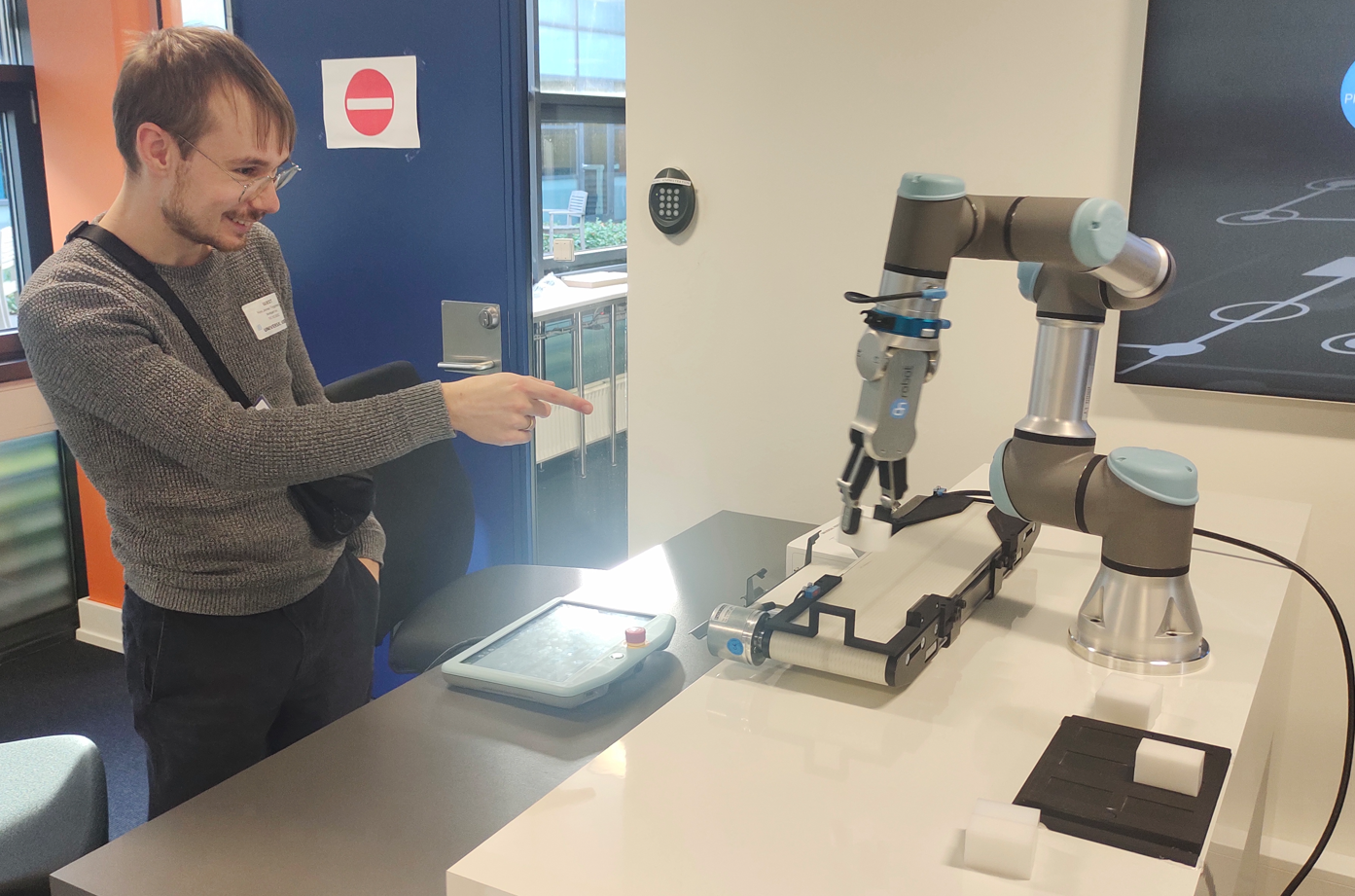
Programming the robot (Picture taken by Parul).
mathew-schwartz-s87bBFZviAU-unsplash

Look back to look forward

Like most people, I remember and reflect on the massive adjustments that occurred during the outset of the Covid pandemic, such as virtual work, masks, and lockdowns, which altered the way we connect and live and make us enter the so-called “post-COVID world.” But, for me, early 2020 marked another one-of-a-kind event in my life when I returned to my hometown from Bangalore to celebrate Holi with my family (the famous festival of colors). I had no idea that I would not return to Bangalore and all the work would be remote after that. In hindsight, after two years, I can say that I learned a lot from uncertainties during the time, which also led me to shift from India to Germany for my EINST4INE project.

The most important question to me is what you learn from your experiences and situations. As a result of COVID, I was able to question and reflect on some of my most fundamental assumptions about life, work, and everything else over the course of the last two years. During this time, as I was trying to figure out what I should do, I came across the EINST4INE projects, and since I was struggling to find answers to the same questions myself at Bosch, where I was working on products at the intersection of Blockchain, AI, and IoT, I was intrigued.

I decided to apply for the project at the University of Stuttgart, looking at the role of technologies in the emergence of Innovation Ecosystems. I am trying to understand the roots of the topic to create a strong foundation for my work and make an impact at a broader level to tackle the grand challenges that we face today. I am exploring Green Hydrogen and Blockchain technologies as part of my research.

As part of my research, I started my secondment at Enel in Rome to understand the structure and processes of the Innovation ecosystem for opportunities in the long term which often have multiple conflicting goals at economic, environmental, and societal levels. It is necessary to look at the past to learn about the future, and the historic city of Rome inspires me to reflect on its rich history and culture to learn about the future and how to tackle the grand challenges we are facing i.e., sustainability.

ROME