If you think life as a PhD student is just about boring books and endless research, think again! My last few weeks have been a whirlwind of cool events, amazing people, and lots of learning. Let me take you on a quick tour.
A Dive into Enabling Technologies at Stuttgart
In the heart of October, I found myself amidst the historic beauty of Stuttgart, ready to attend a workshop hosted by the University of Stuttgart. The central theme of the event revolved around enabling technologies and their pivotal role in the digital transformation.
The workshop spread over three days, promised – and delivered – a potpourri of informative sessions, panel discussions with industry stalwarts, and glimpses into the future of digital advancements. From discussing AI and data’s role in research to exploring the dynamics of enabling technologies for ecosystems was genuinely enriching.
A personal highlight for me was the chance to present my ongoing research project on the implementation of collaborative robots (or cobots) in SMEs. It’s a subject I’m deeply passionate about, as emphasized in my paper titled “Cobots in SMEs: Processes, Challenges, and Success Factors”. The feedback and interactions that followed the presentation were invaluable, offering diverse perspectives and new angles to consider in my research.
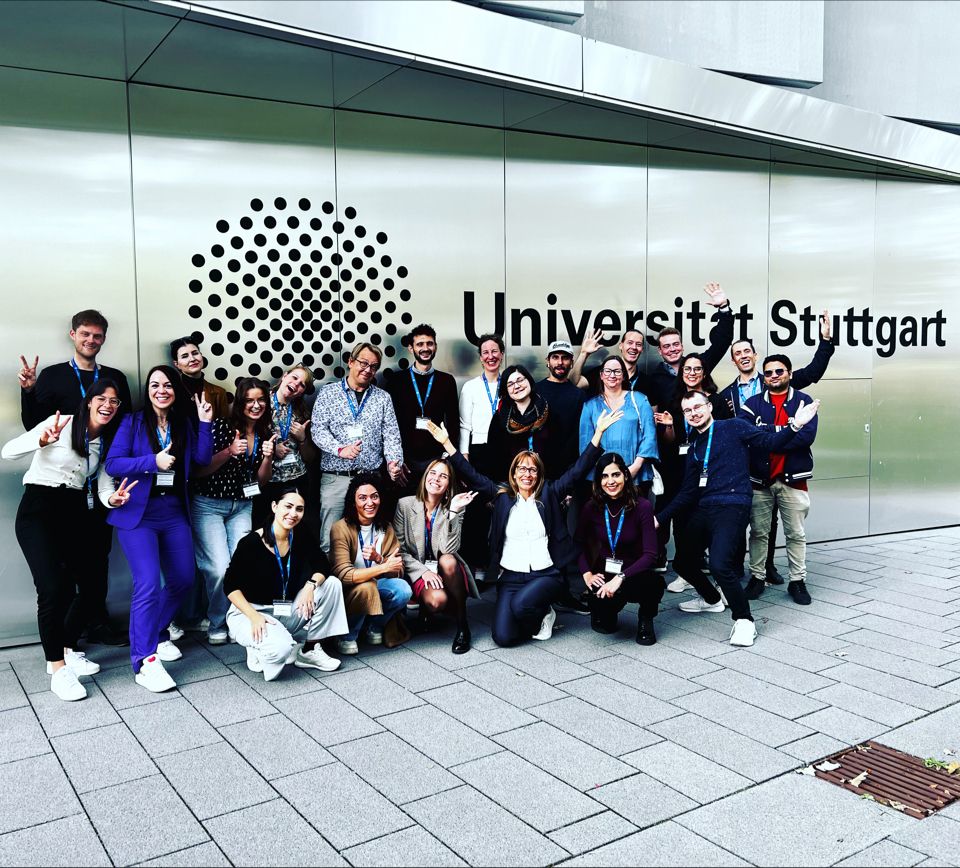
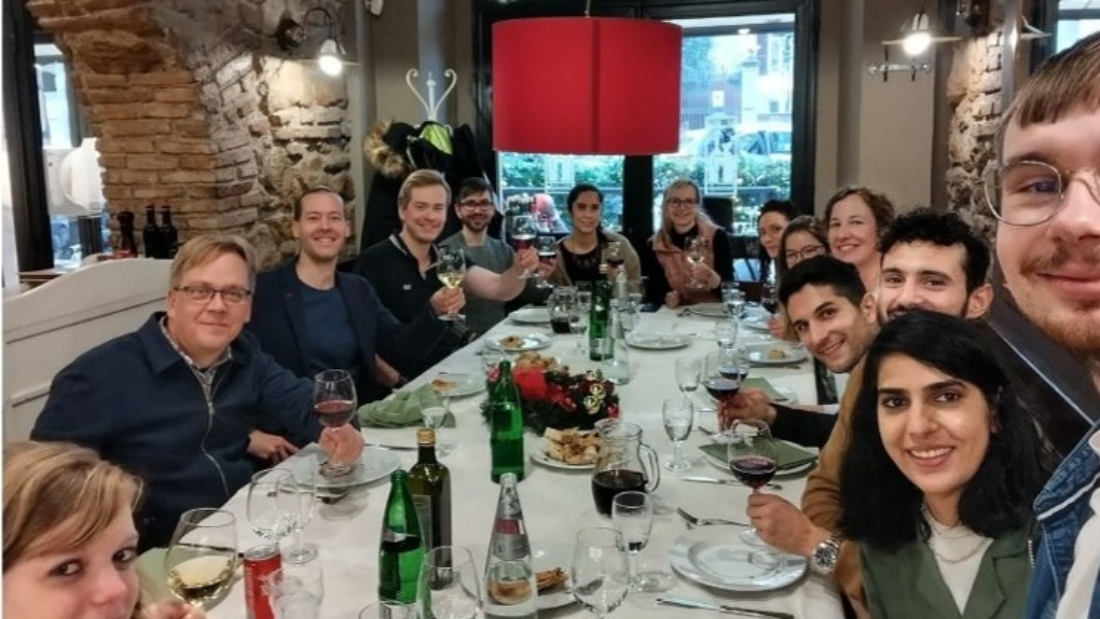
Participants at the EINST4INE Workshop in Stuttgart (Source: photo taken by Christina Theodoraki)
A Taste of Local Culture
Before the intellectual marathon began, a few colleagues and I took a cultural detour to the vibrant Wasen event in Stuttgart. It was a delightful amalgamation of tradition, laughter, and shared memories – a perfect start to an intense week.
Reaching Out to the World
Another proud moment was presenting my conference paper remotely at the IEEE TEMs conference in Lithuania. The virtual platform extended the reach of my work to a global audience. Engaging with professionals and academicians from different corners of the world brought forth a myriad of viewpoints, making the experience thoroughly enlightening.
Looking Ahead
The journey, as they say, is never-ending. As I pen down these words, I’m in the midst of preparing a poster presentation for the upcoming World Open Innovation Conference in Bilbao, Spain, this November. I’m eagerly looking forward to further collaborations, feedback, and the joy of sharing my work with a broader audience.
In the world of academia, every day brings new challenges and revelations. These events and interactions have been instrumental in shaping my thought processes and providing direction to my research. I’m grateful for these opportunities and excited for the road ahead.
Until my next update, stay curious and keep exploring!
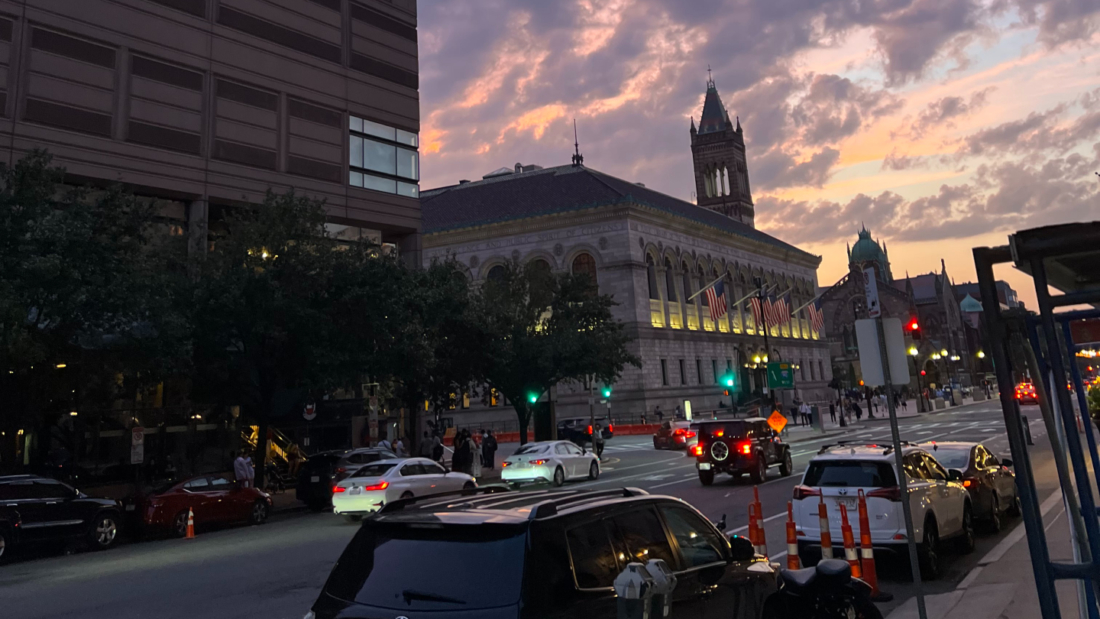
The faint hum of discussion, the air imbued with intellectual verve, and Boston’s ever-endearing charm as the backdrop: this year’s Annual Meeting of the Academy of Management (AoM) was nothing short of enlightening.
A Beacon of Knowledge in Boston
With the banner “Putting the Worker Front and Center,” the 83rd Annual Meeting brought the academic world alive in the heart of Boston, a city recognized globally for its synergy of historic charm and intellectual prowess. The AoM’s return to Boston was a significant affair, given its reputation as the most highly attended location in previous years. Over 10,000 attendees from diverse corners of the globe congregated, epitomizing Boston’s allure as an international hotspot for research and learning.
This year’s conference was a veritable smorgasbord of academic feasting. From over 1,500 in-person sessions to the inaugural Annual Meeting Opening Reception, where attendees could engage with AoM’s past and present leaders. Notably, a cutting-edge online platform facilitated interactions, allowing participants to review the program, coordinate schedules, and immerse in spirited discussions.
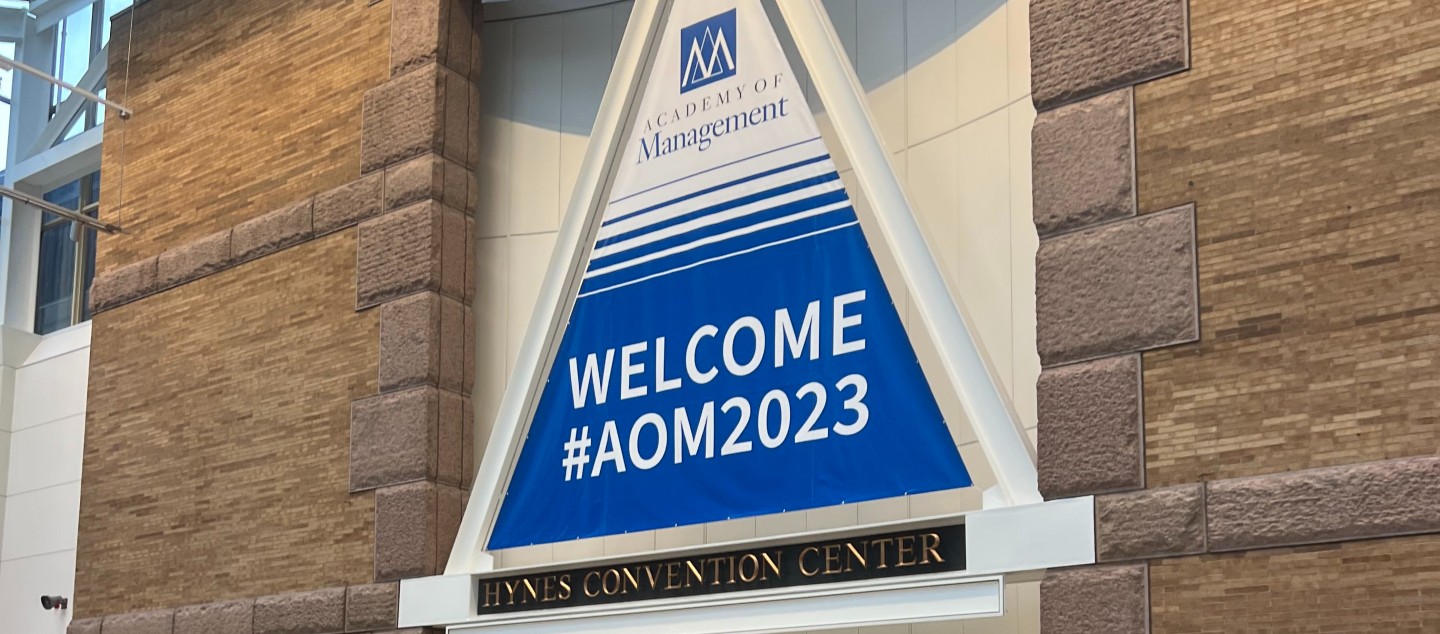
AoM23 Welcome Sign. Source: own photo.
A Day at the Doctoral Consortium
Among the variety of events, one that significantly resonated with my academic pursuits was the Doctoral Consortium at the Boston Hynes Convention Center. This event holds a unique significance, bridging doctoral students from across the world, facilitating discussions on a myriad of topics and workshops tailored to mold the academic leaders of tomorrow.
The day began with the scent of freshly brewed coffee and a light breakfast, providing an informal ambience for attendees to mingle. As the hours unfolded, the consortium delved into a range of sessions: from crafting job talks to understanding the emotional and mental nuances of transitioning to faculty roles. One particularly poignant segment was the Keynote Speech by Rajshree Agarwal on “Fostering your own enterprise.” Her insights, combined with the wisdom imparted by various faculty panels, made the consortium an enriching experience.
The lunchtime roundtable on research pitches was particularly close to my heart. It was here I had the opportunity to present my project, focused on understanding the interaction models of collaborative robots in organizations. The feedback from peers and mentors was invaluable, aligning with my objectives, such as exploring technology acceptance and its overarching impact on organizational performance. This consortium, coupled with the insights and critiques I received, has been instrumental in steering my research of collaborative human-robot interaction towards a clearer goal.
As dusk approached, the consortium attendees gathered for an off-site dinner at the Back Bay Social. While enjoying Boston’s tasty food and nice atmosphere, our day’s talks easily turned into friendly chats, helping us build work friendships.
Reflecting on the Odyssey
Attending the 83rd Annual Meeting of the AoM has been more than just an academic excursion; it was a journey of personal and professional growth. The myriad discussions, panels, and networking opportunities bolstered my understanding, expanded my horizons, and solidified my passion for exploring the realms of collaborative robots in organizations.
In essence, this Boston odyssey has not just been about gaining knowledge but about making connections – with academia, peers, and the deeper nuances of my own research. As I left the city, I carried with me not just memories but a renewed zeal, ready to tackle the challenges of the 21st century related to management and organizations.
“The best way to predict the future is to invent it.” – Alan Kay
Hello everyone! I’m happy to share some experiences that I’ve made during the last month. Recently, I had the incredible opportunity to accomplish my academic secondment at Aarhus University in Denmark and attend the European Robotics Forum in Odense with my EINST4INE colleague Alejandra Rojas.
ERF23
The European Robotics Forum (ERF) is an annual event that brings together experts in robotics from industry, academia, and government to discuss the latest developments in the field and explore potential collaborations. The forum is organized by the European Robotics Association (ERA) and typically features keynote speeches, technical sessions, panel discussions, and exhibitions showcasing the latest robotics technologies and applications.
The ERF serves as a platform for researchers, engineers, and entrepreneurs to exchange ideas and knowledge on a wide range of topics related to robotics, including industrial automation, healthcare robotics, service robotics, and artificial intelligence. It is also a forum for policy makers and industry leaders to discuss the challenges and opportunities presented by the rapidly evolving field of robotics, such as ethical and legal considerations, workforce training, and investment strategies. Even Crown Prince Frederick, His Royal Highness of Denmark, attended the event this year!
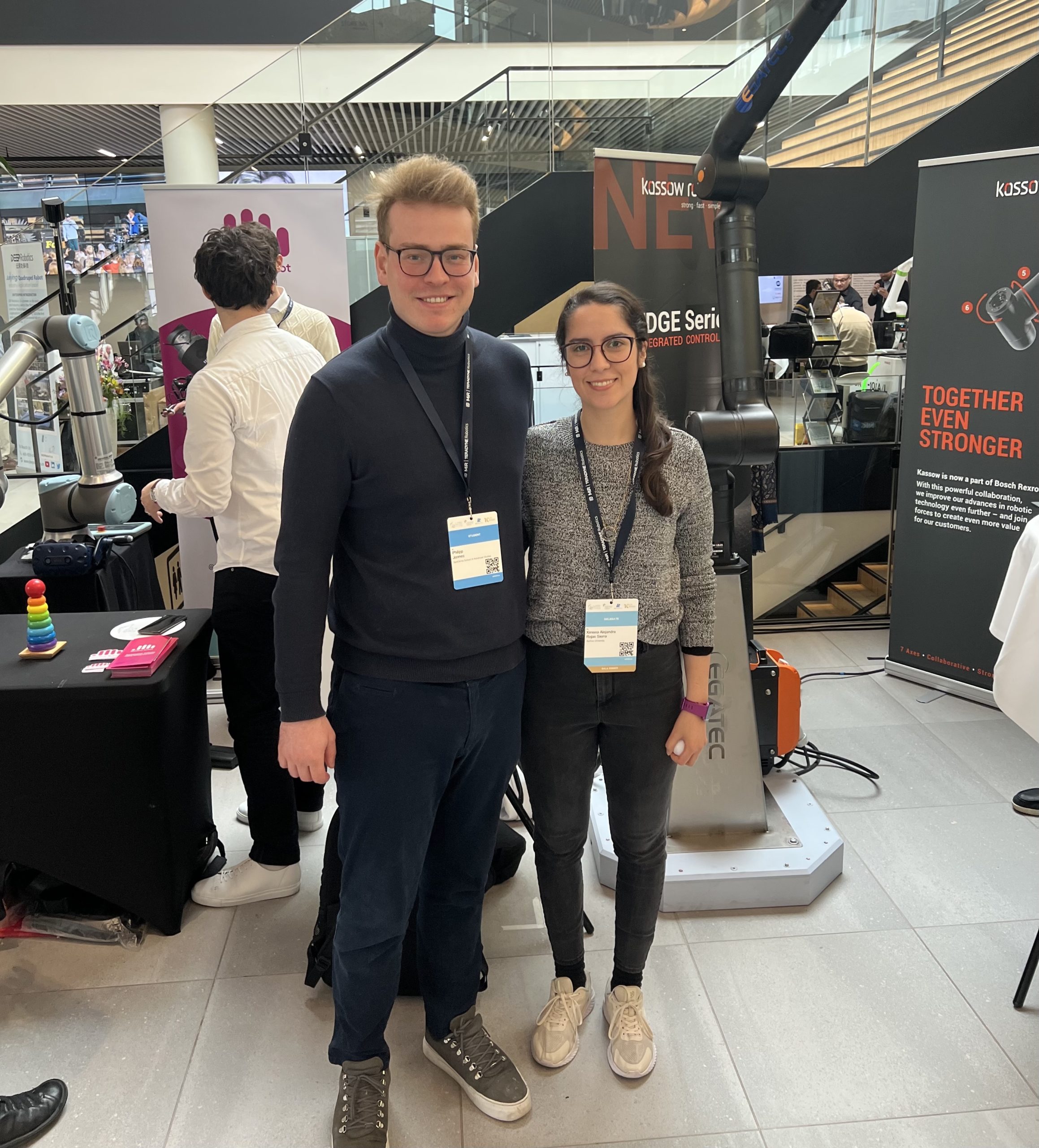
ERF23 with EINST4INE colleague Alejandra Rojas. Source: own photo.
As a visiting researcher, I was thrilled to be able to connect with so many people who are passionate about robotics and human-robot interaction. I was able to learn about the latest developments in this field. I was particularly interested in discussions surrounding collaborative robots, which are designed to work alongside humans in manufacturing and other industries. During the forum, I had the pleasure of engaging with some brilliant minds, from both the academic and practitioner side. Their contributions to the discussions were invaluable, and I learned a lot from them.
Exploring the Fascinating World of Robotics
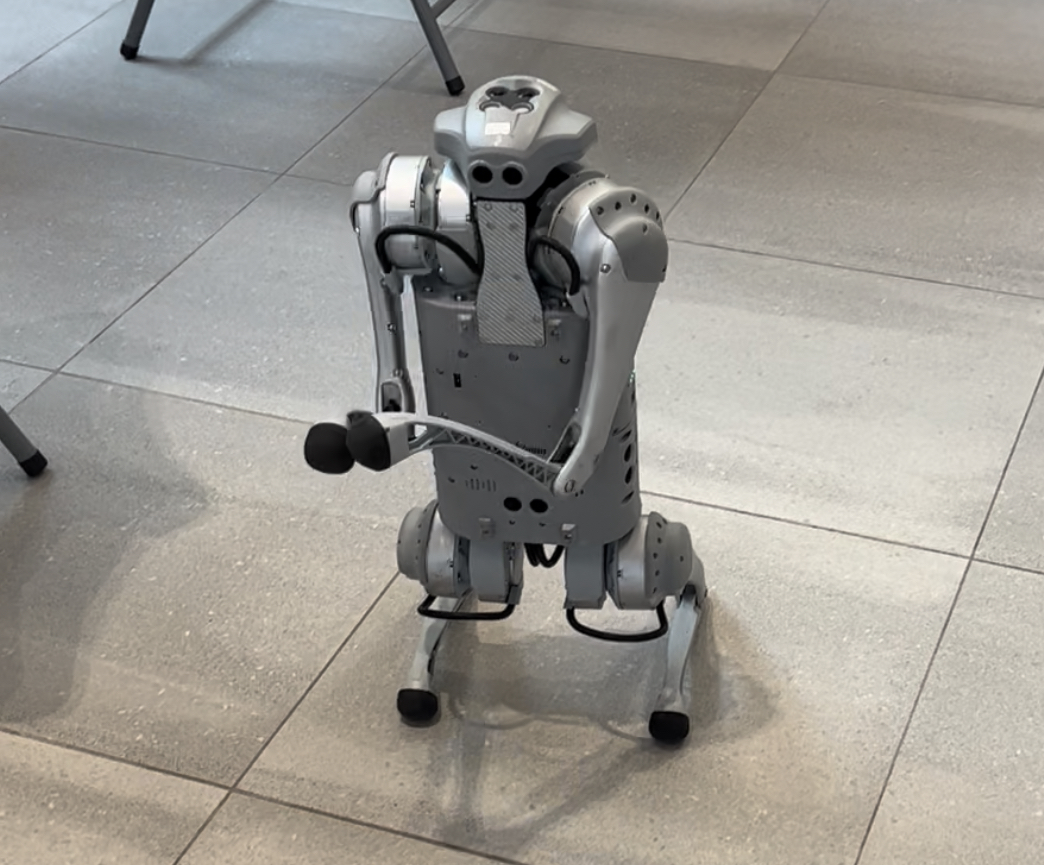
In addition to my research on collaborative robots, I’m also fascinated by other robotic technologies such as drones and robotic dogs. These technologies are shaping our world in profound ways, and I believe they have enormous potential to improve our lives. For example, drones have the ability to conduct aerial surveys, deliver packages, and even help with search and rescue missions. Robotic dogs, on the other hand, can be used in a wide range of applications, from military and law enforcement to assisting people with disabilities. I find the intersection between these technologies and human needs to be particularly interesting, as it challenges us to think about how we can design and use robots in ways that are safe, ethical, and beneficial for society as a whole.
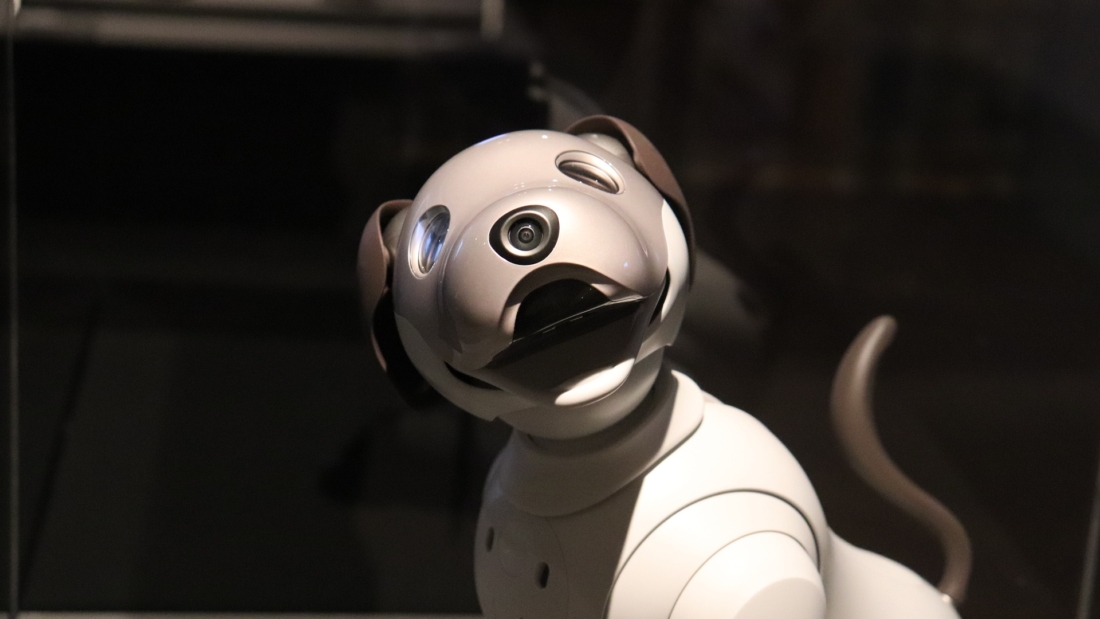
Robotic Dog ERF23. Source: own photo.
The Journey Goes On
Aside from the forum, I also spent time at Aarhus University, where I was conducting interviews with SMEs located around Denmark. These interviews are an important part of my research, as I’m studying the implementation of social and collaborative robots in organizations. By understanding the effects of cobots on an individual and firm-level, I hope to achieve a clearer understanding of cobot implementation processes, organizational opportunities and challenges.
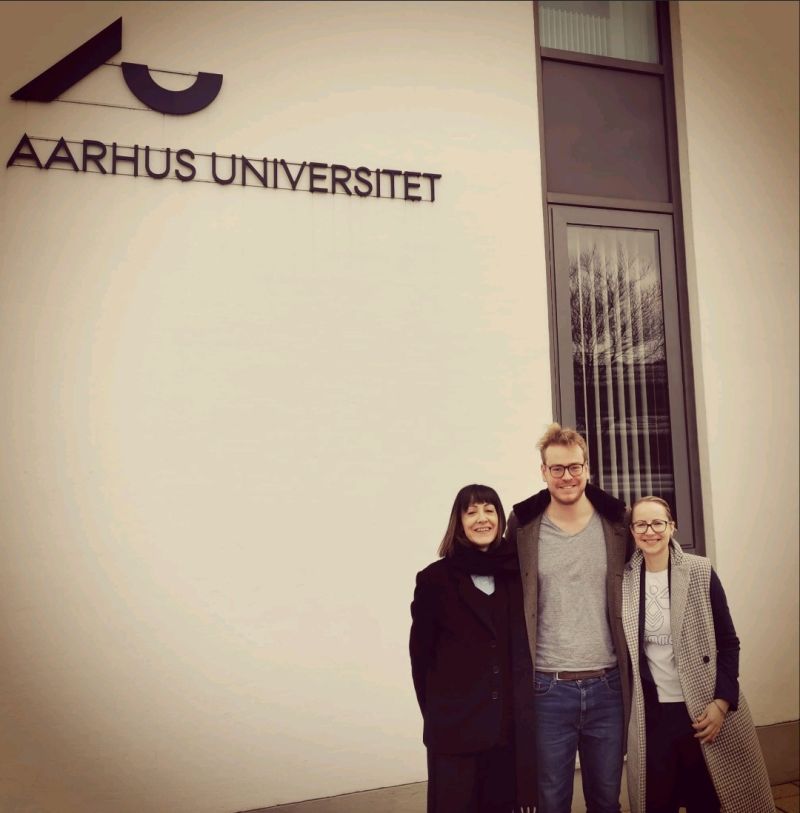
Visit at AU with Agnieszka Radziwon and Cristina Marullo. Source: own photo.
Overall, my trip to Denmark was an amazing experience, and I’m so grateful for the opportunity to connect with so many brilliant minds in the robotics field. I’m excited to continue my research and see what developments the future holds for human-machine interaction models. I am also looking forward to the next EINST4INE Summer school and see my ESR friends in person again. Thanks for reading!
From the 4th to the 8th of July, my institute, RMIT Europe, hosted the first EINST4INE Summer School. Over the course of the week, numerous activities took place, enabling us, ESRs, to expand our academic knowledge, from one side, and understand the new horizons and frontiers in innovation and digital transformation, from the other.
On Tuesday, the 5th of July, we got the opportunity to participate in an industrial challenge involving two of our consortium partners: Innoget and Enel.
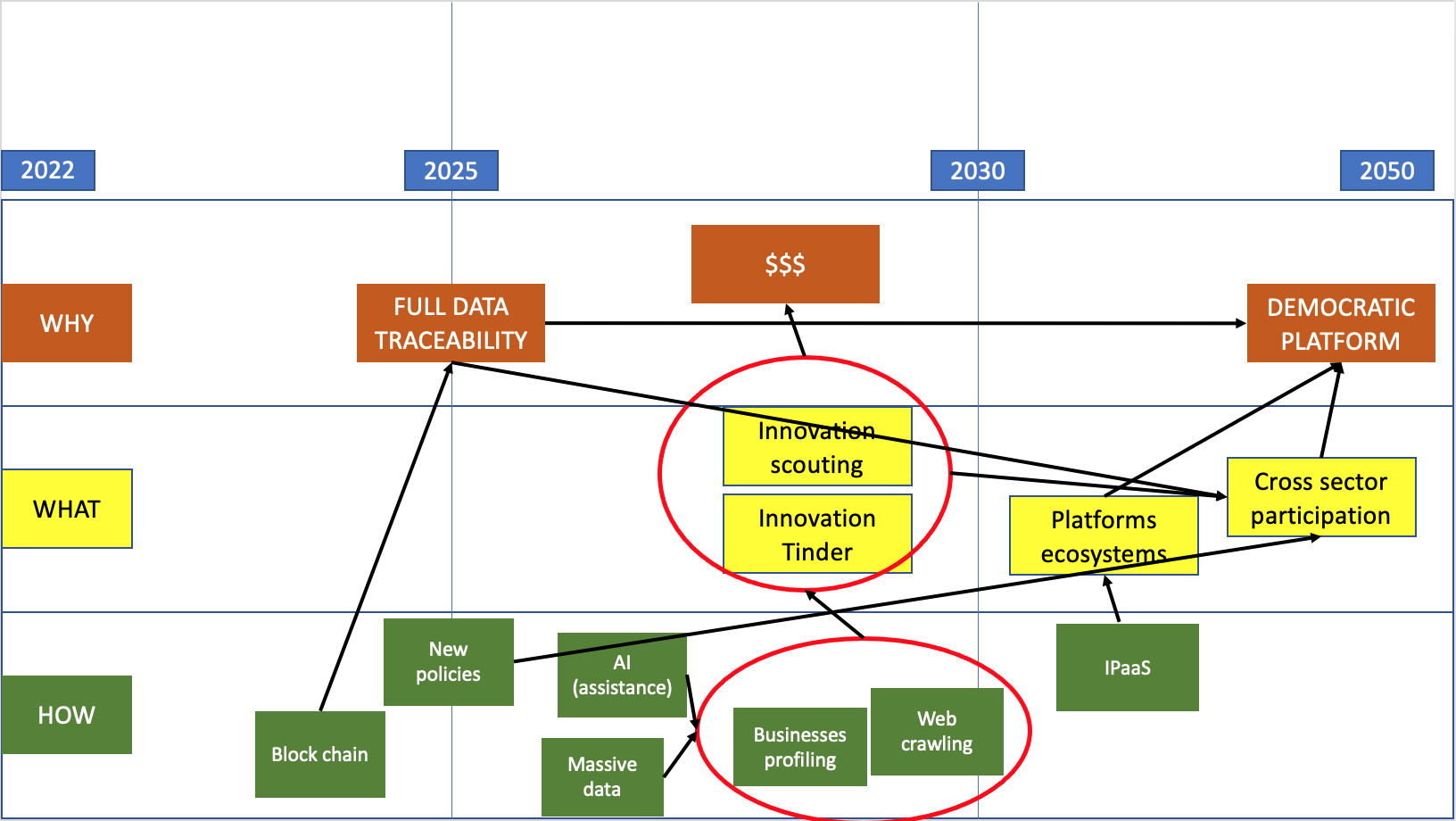
I took part in the challenge proposed by Innoget, which expected us to draw an applied technology roadmap for a clear understanding of potentially available digital solutions to improve the interactions among the different stakeholders.
Roadmaps are practical tools that help to clearly visualize plans for long-term objectives. During the summer school we attended a lecture by Dr. Rob Phaal who gave us a theoretical understanding of “roadmapping” and its potential applications in numerous fields, including our PhD journey.
During the Innoget challenge, people from my team and I firstly set a horizontal timeline on the top and a vertical column on the left, including the “why” (i.e., the objectives), the “what” (i.e., the elements we need to get the objectives) and the “how” (i.e., elements to build the “what”, in other words, the foundation of the plan).
Afterwards, we started to think about the goals, in particular those in the long-run, and then we progressively built the whole map accordingly. Building roadmaps is an iterative process, where many trials and errors take place. A first brainstorming session was essential for us to think outside the box and imagine big long-term goals for Innoget; we used sticky notes to collect and share ideas.
The picture was taken by Chiara Mariottini – from Innoget challenge – group presentation
This challenge was particularly useful because we got the chance to apply something theoretical from the management field to a practical industrial case, building a roadmap according to the expectations and the needs of an industrial partner.
Understanding the new horizons, needs, and frontiers in innovation and digital transformation is particularly important to identify hot topics and outline research projects that can practically solve specific issues or produce impactful results for companies operating in the market.
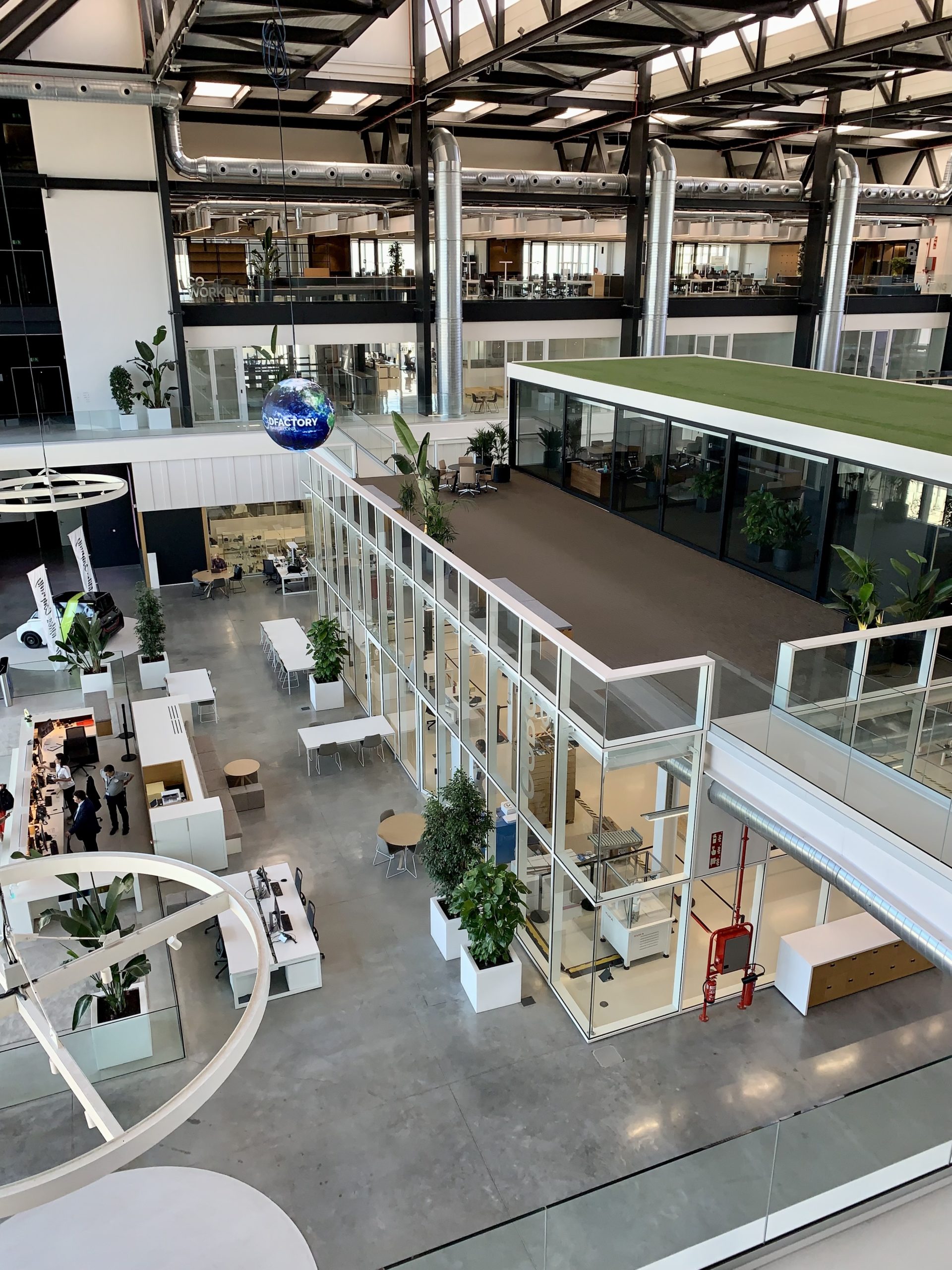
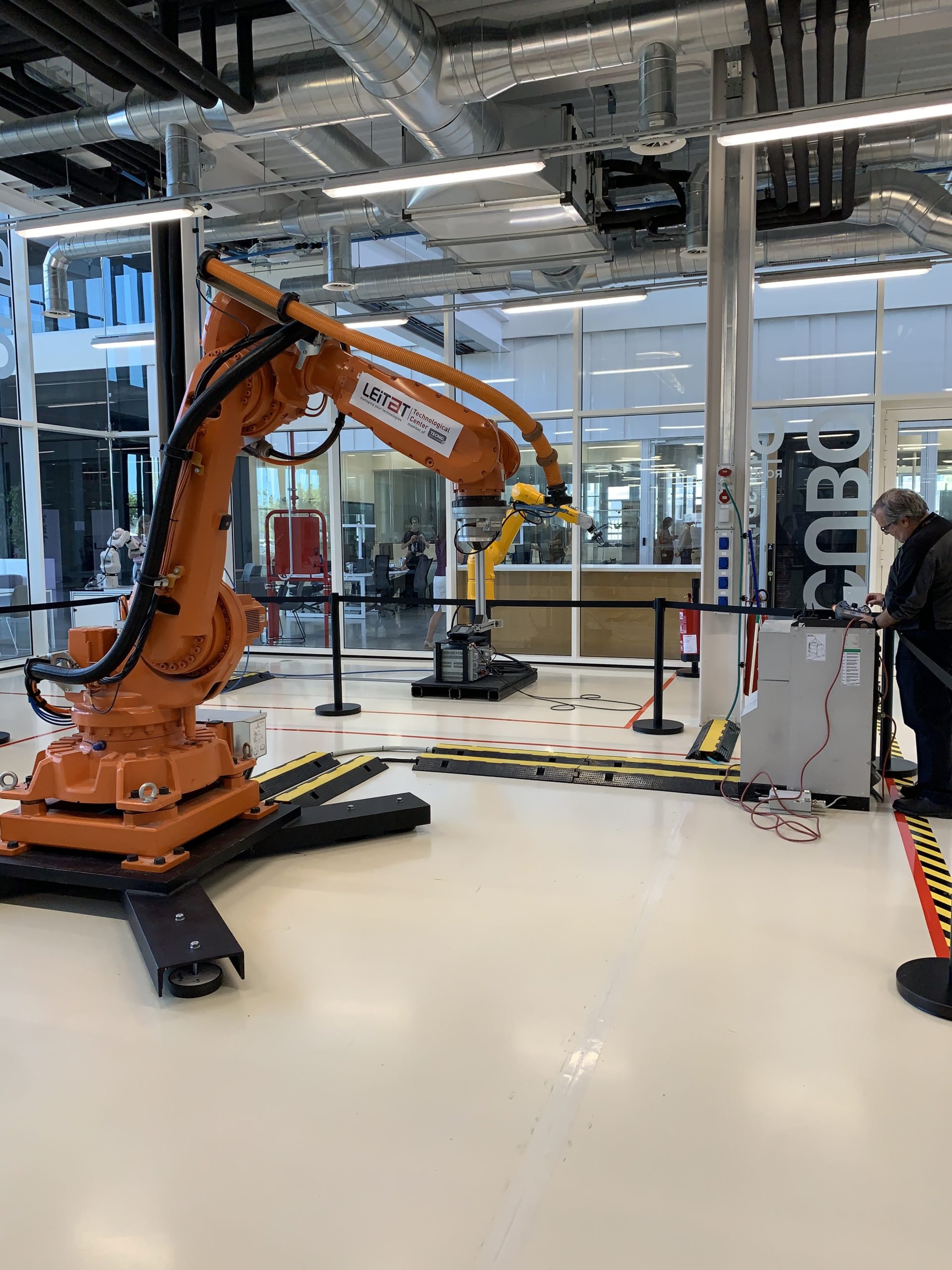
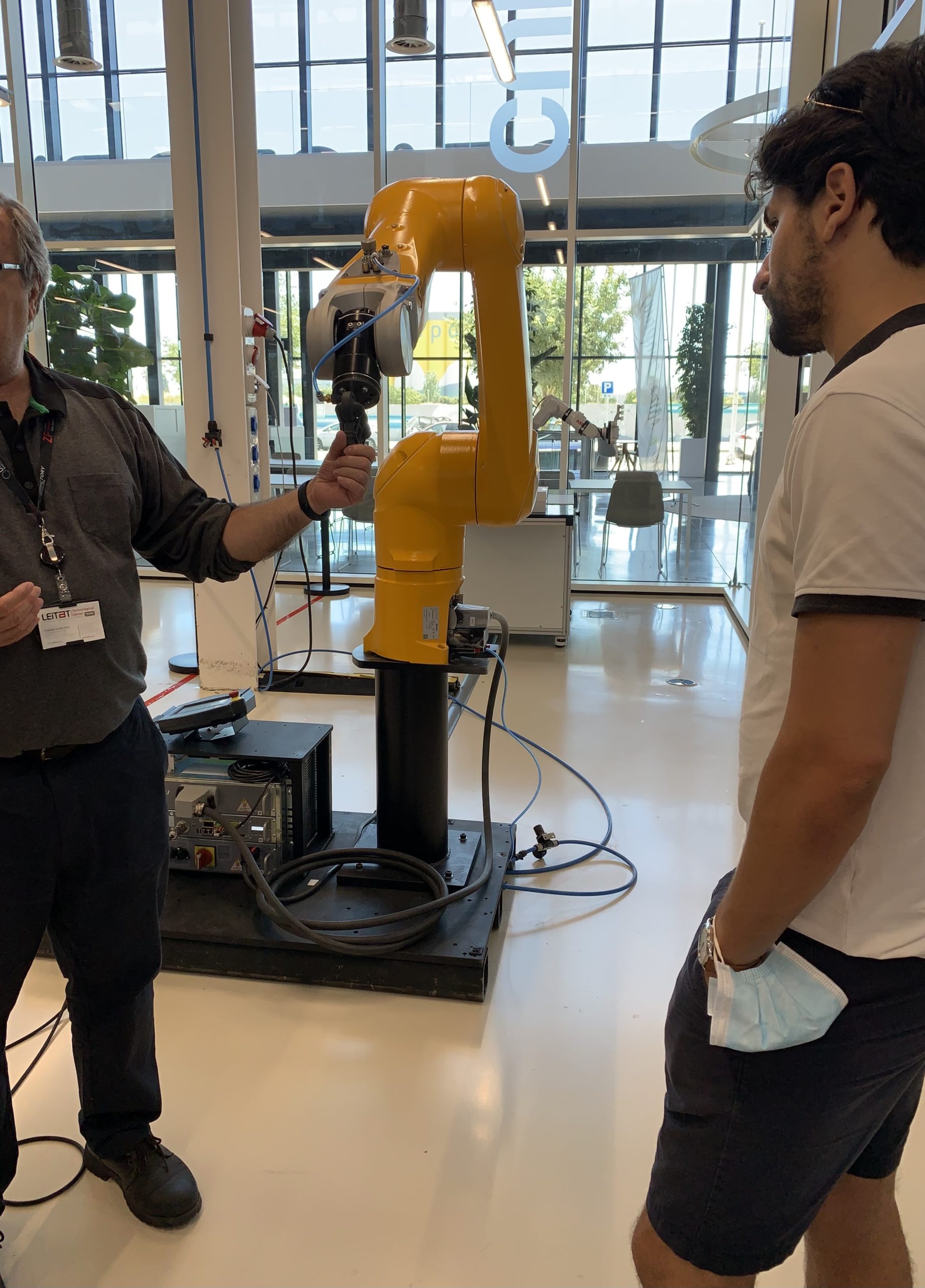
During the summer school we also got the chance to visit DFactory, a hub for the creation of an ecosystem to encourage the promotion and development of 4.0 industry. We saw robots, 3D printing, and other advanced Industry 4.0 technologies in action, understanding their functioning and their practical applications.
All these inputs were extremely valuable starting points to expand my practical knowledge about Digital Transformation, Industry 4.0, and innovation, and gave me new lenses for the exploration of the topics I am now addressing in my research projects.
Picture taken by Chiara Mariottini – DFactory – 08/07/2022Picture taken by Chiara Mariottini – DFactory – 08/07/2022Picture taken by Chiara Mariottini – DFactory – 08/07/2022
The ability to leverage digital technologies is a business imperative. In pursuit of digital business, companies across the globe have dedicated significant resources to pursuing digital innovation and new digital business creation. Yet, industry and academic research consistently report a high failure rate.
Intrigued, I decided to explore what is known about the high failure rates of digital transformation initiatives, especially regarding the human and organisational factors that might contribute to the issue.
Given the attention the topic has received in the business and management media, on this post, I investigate what the industry literature has to say about the topic (on my next post, I will look at what academia has to say. So come back if you want to get hear from the other side).
For this investigation, I focussed on the outlets with most influence. Thus, I selected reports of research conducted by leading global consulting firms. Reports and articles on the topic were found for Bain & Company, Boston Consulting Group, and McKinsey & Company. In addition, a sample of articles were sourced from three actors with significant influence among practitioners: Forbes, MIT Sloan Management Review and Harvard Business Review.
Defining Success or Failure
According to the articles and reports analysed, success range from 5 to 30 percent. Flipping the coin, that means a 95 to 70 percent failure rate. However, the way success and failure is defined vary greatly from one source to the other. I found that while some focus on the success of the overall digital transformation over time, others counted each individual project developed as part of a digital transformation journey. In both cases, however, industry actors asked executives and senior managers to report to what extent their initiatives had succeeded.
My own thoughts were that more consensus is clearly needed on how to define and measure success and failure. Let´s hope that we can get more insights on this from the academic literature.
Table 1. Reported success and failure rates: Sample Bain & Company, BCG and McKinsey & Company
Source
What is measured
Achieved or Succeeded
Partial Results
Failed
Bain & Company
(2017)
Success of digital transformation initiatives
5% Achieved or exceeded expectations
75% Settled for dilution of value and mediocre performance
20% Failed to deliver, producing less than 50% of the expected results
BCG (2020)
Success of digital transformation projects
30% met or succeeded their targets and resulted in sustainable change
44% created some value but did not meet their targets and resulted in only limited long-term change
26% created limited value (less than 50% of the target), producing no sustainable change
McKinsey & Company (2018)
Success of overall digital transformation
16 % have successfully improved performance and also equipped them to sustain changes in the long term.
7 % performance improved but improvements were not sustained.
77% performance did not improve*
* Implied, but not stated
Key Success Factors
Although the industry literature all start by highlighting the high failure rate, the bulk of the attention has been on the key success factors based on what leading organisations have done right. The most systematic or semi-scientific industry research has been along these lines. So, what do they say?
First, my assumption was right, industry literature state that people and organisational factors are much more determinant to success than technological elements (Baculard et al., 2017; BCG, 2020; McKinsey, 2018). Successful companies tend to focus on and invest heavily in the fundamental changes to their ways-of-working and culture that enable them to develop digital innovation initiatives rapidly and execute them at scale. That means that companies that succeed focus on developing human and organisational elements along with investing in technology.
Next, there are numerous commonalities regarding the factors cited as key for success in digital transformation. In general, these are:
Clear digital transformation vision, strategy and roadmap, with aligned goals, metrics and monitoring tools
Strong engagement of leadership and middle-management, with aligned ownership and accountability
Development of talent within the organisation and engagement of key employees in developing and executing digital transformation
Adoption of new ways of work, especially lean and agile, and enabling innovation
Building foundational digital technologies guided by business needs
Interestingly (but not surprisingly given that the targeted audience tends to be executives), industry literature LOVES to talk about top leadership. The key success factors related to leadership tend to focus on strong involvement in design and implementation, alignment among leadership groups, encouraging and empowering employees to adopt new ways of work and innovate, communicating effectively and creating a sense of urgency, effectively monitoring initiatives, and having incentives attached to digital transformation. So, nothing new here…
Looking at the reasons why digital transformation fails, however, these success-focussed industry literature tends to equate the cause of failure to organisations not doing what successful organisations have done, or not doing it sufficiently (BCG, 2020) – that is to say, if organisations had done exactly what successful organisations did, they most likely would have succeeded.
In my view, however, this is overly simplistic as it does not investigate the specificities for why organisations have not succeeded in doing what others have done. It might often be the case that they have, indeed, tried to do exactly the same – it might not be a case of not knowing what should be done. In these cases, saying they have not done what others have done equate to saying “they failed because they could not succeed.”.
Key Failure Factors
While there are a few industry studies systematically listing the success factors of digital transformation, industry literature truly discussing failure factors tend to be more dispersed across multiple news articles, reports and case studies.
A common practice is to list reasons why companies fail based on personal experiences, anecdotical information or “previous studies” and tend to focus on well-known challenges and barriers to digital transformation.
These include:
Not understanding digital transformation
Placing technology at the centre of digital transformation, instead of approaching it as a business transformation
Mistaking digitization, converting digital products or processes to a digital form, for digitalization, making the most out of opportunities of digital products and processes
Miscalculating efforts
Overestimating benefits and underestimating costs, especially by senior management
Underestimating the amount of legacy applications that need to be digitally transformed
Lack of understanding that “it is going to be hard” and commitment despite the challenges
Not doing implementation well
Working with poor onboarding and implementation processes for digital transformation projects and initiatives
Misaligned goals and stakeholders (across levels, teams, business units, partners, etc.) and lack of coordination
Issues at the project level
Poor user-market-solution fit of digital innovations, low focus on customer value, or lack of alignment to company’s strategy and strengths
Miss-alignment between digital capabilities supporting pilot and capabilities for supporting scale
Issues with employees
Employees’ resistance to change and fear of losing their jobs
Not having the proper skills, technical, business and innovation
Issues with culture
Fear of failure
Not being willing to spend time changing behaviours and how people make decisions (culture change).
Worth highlighting…
Digital Transformation is crazy hard
Digital transformation is significantly harder than conventional transformation (Baculard et al. 2017, p.1) and thus traditional change management best practices might not be sufficient or adequate to deal with the challenges at hand.
Part of the challenge is the need to manage an increasingly multi-faceted and diffused set of organisational transformations, while trying to create new digital businesses aligned to the needs of customers and the readiness of markets, and while also maintaining a healthy high-performing core business.
Another part of this challenge would be a consequence of digital technologies. Even if traditional companies are used to innovating in the product development realm, few are adept in deploying digital technologies to solve problems and boost performance across the organisation (Baculard et al. 2017, p.2).
Initiatives do happen, they just don’t scale
Most of digital transformation initiatives stall at scaling phase. Image source: Radix Blog
Another element worth highlighting is that companies embarking on digital transformation tend to struggle to translate prototypes or pilots into products and capabilities that can have a meaningful impact on the company’s performance (Sutcliff, 2018).
While there is a proliferation of initiatives, they tend to plateau somewhere short of broad organizational impact. Indeed, a recent McKinsey & Company survey found that most (38%) of digital transformation initiatives stall at scaling phase (McKinsey, 2020). This has given placed to the expression “stalled in pilot purgatory” (Denning, 2021).
Most common indicated reasons for this include resourcing issues, misaligned culture and ways of working, lack of skills and competencies to bring these initiatives further (Sutcliff, 2018), lack of internal alignment and commitment, and lack of a well-integrated and communicated strategy and aligned initiatives (McKinsey, 2020). Also, noteworthy, the disconnect between those in charge of pilot initiatives and those in charge of operations (and thus potential scaling) has also been highlighted by industry literature (McKinsey, 2020). This happens even in the case of organisations that have built internal digital innovation units to pursue ambidexterity (Baculard et al., 2017), but without a clear indication of how to best concretely build this integration. This ends up creating “two-speed” organizations that are responsive in limited respects but still held back by legacy systems (Baculard et al. 2017, p.2).
The hidden leadership issues
Interestingly, some articles have started scraping the surface of potentially hidden leadership elements that might play an important role in digital transformation implementation. For instance, Baculard et al. (2017), writing for Bain & Company, hints to scepticism of managers as an element, suggesting that despite survey data reporting that digital investment is a top priority of management, anecdotal evidence suggests that many executives are sceptical that they can translate the buzz around digital into meaningful improvements in performance. This scepticism, in turn, could lead them to make day-to-day decisions that, paradoxically, deprioritises digital innovation and digital transformation.
As another example, Bughin et al. (2018), writing for McKinsey & Company, hint towards the misalignment between management’s “intuition” – developed though years of formal education and practical experience based on traditional economic, strategic and operating models – and the new logic of a reality shaped by digital technologies. Denning, S. (2021) also talks about an “efficiency-driven” (decrease costs and maximize profits) mindset that does not fit the need for constant investment in skills and innovation of the digital reality. Managers have built their career on top of such intuition and are likely to make day-to-day decisions accordingly – even subconsciously and while understanding well the so called imperatives of successful digital transformation. Furthermore, this traditional intuition might clash with the requirements of digital transformation and digital innovation, leading to the emergence or exacerbation of tensions and paradoxes and the aggravation of challenges and complexities.
On the other hand, Sutcliff et al. (2018), in an article published by the Harvard Business Review, talk about the allure of a new exciting digital business model causing executives to not pay enough attention to the issues of the core business, especially when things are not going well for the existing business lines. In short, the illusion that a new tech-based digital business will solve all the companies problems without the need to deal with the rest.
So, what next?
In general, industry research indicates a clear need for academic investigation of digital transformation to gain a deeper understating of the challenges and potentially hidden complexities of digital transformation, including by moving beyond the focus on top leadership teams.
In particular, understanding of the challenges and complexities that drive failure in digital transformation is anecdotal at best. This is very little regarding the concreate challenges and complexities that managers can expect to experience on a daily-basis. In this regard, as Denning S. (2021) puts in a recent Forbes article, senior executives are frustrated by the slow pace and limited return on investment of their digital transformations, and are (still) unsure what is holding them back.
So next, let´s see how much better academic research is…
Did you know that material handling is projected to be the biggest area of application for collaborative robots (cobots) in 2022?
Nowadays, the cobot market is booming, because this technology ensures a high-level of flexibility during manufacturing processes, economic benefits and individuals’ ergonomic advantages. But what are cobots in the first place? To develop a better understanding on what cobots are, it is important to consider the way they interact with workers.
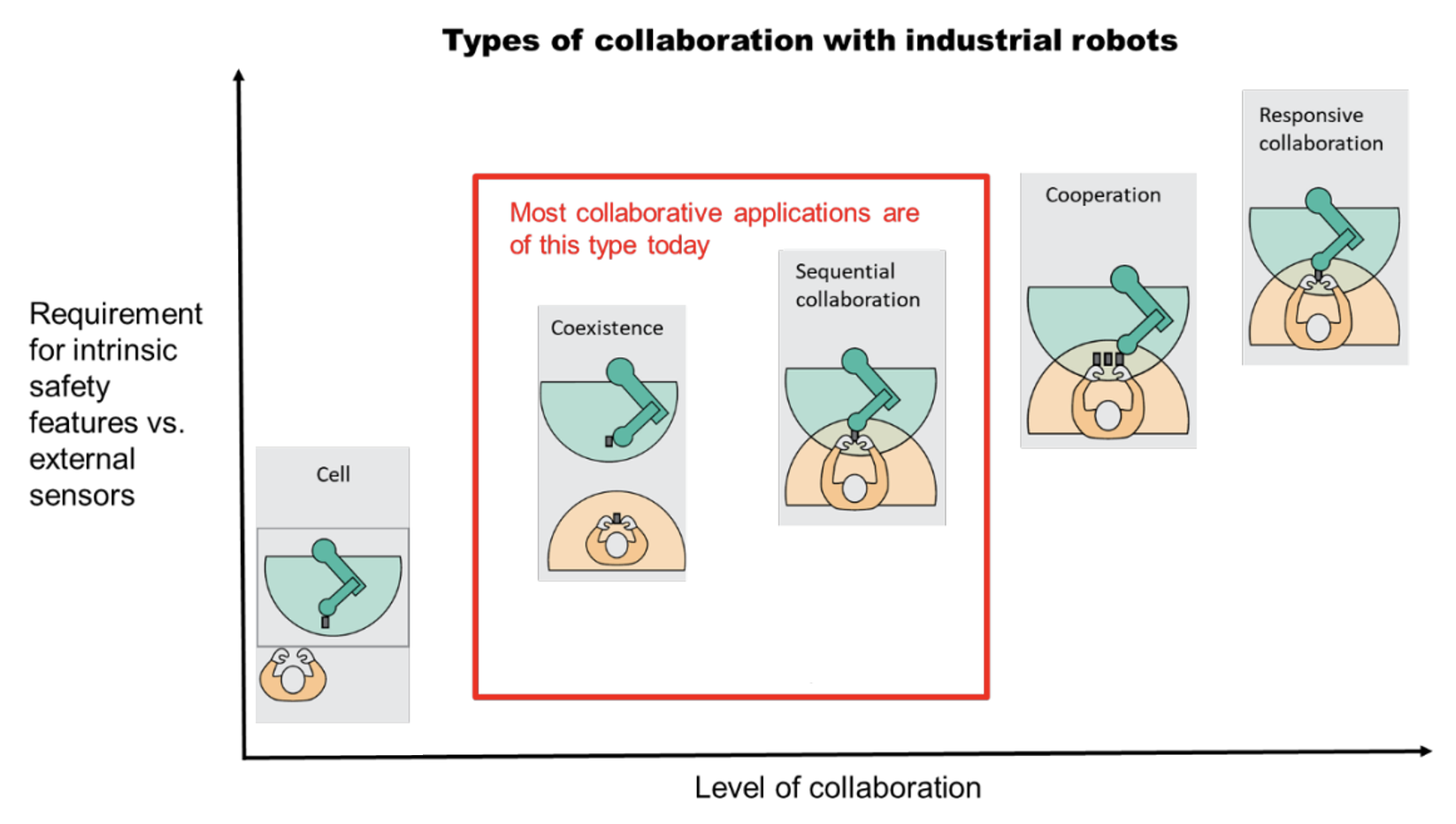
The International Federation of Robotics distinguishes between four types of collaboration between robots and human workers:
Types of collaboration with industrial robots (Source: IFA, 2018)
The interaction can be designed in a coexistent environment, in the sense that workers and robots work together without security barriers, but the workplace is not shared. This kind of interaction represents the safest type of collaboration between robots and humans. In sequential collaboration, the robot and the human worker share a workspace but the work process and movements are designed sequentially.
Furthermore, robots and human can work in motion and at the same time, which is called cooperative collaboration. Finally, responsive collaboration represents the kind of collaboration where robots respond to workers movements in real time. This type of interaction is classified as the highest level of collaboration and sets huge emphasis on requirements for robotic sensors and worker’s safety and security standards.
Nowadays, the most applicable types of collaboration are coexistence and sequential collaboration. The integration of cobots help the workers in terms of ergonomics, as the purpose of implementation is not only to increase the production efficiency but also to reduce workers’ biomechanical overload.
Conducting research
Thus, the implementation of cobots is extremely beneficial for companies that aim to improve their manufacturing processes, but also for worker’s safety.
However, the integration of this technology can be assumed as biggest challenges for companies, because of missing methodology for the analysis of workplaces. In order to detect possible workloads and fields of application, research has to be conducted. Currently I’m synthesizing and analyzing the literature in order to develop a deep understanding of the general implementation of cobots in organizations. My goal is to cluster the knowledge gained from the review and extract factors that facilitate the integration and adoption of cobots.
The journey goes on
Personally, it is an exciting and wonderful task to delve into the subject and to be guided by different perspectives and aims. It is becoming more and more apparent that technology is not just about technology alone, but much more about people. The expansion of people’s capabilities is central here.
During the last weeks we have established task forces within the EINST4INE team in order to practice and experiment some of the usual roles of a researcher including exploring matters and being empowered on project management activities. I’m happy to be part of the task forces that are responsible for technology awareness and socializing.
I’m looking forward to attend the Summer School (Spain) during July and the Robotic Conference NordiCHI (Denmark) in October. These events certainly contribute to my research as synergy drivers and it will be great to see my EINST4INE colleagues in person again.
References:
International Federation of Robotics, Demystifying Collaborative Industrial Robots, 2018. Source: https://web.archive.org/web/20190823143255/https://ifr.org/downloads/papers/IFR_Demystifying_Collaborative_Robots.pdf
I believe in the power of setting an intention and seeing where it takes you. Being more abstract than a goal, an intention can guide you and allow the flexibility of taking different paths. In the last semester of my master’s degree in Tourism Management, I set my intention of contributing to the human side of digital transformation. Humans and technology co-create the present and the future. I firmly believe that digital transformation is not just about technology, it is about how it strategically works together with (and for) humans.
Why?
Why would I set that intention when studying tourism? In the first semester of the Erasmus Mundus European Master in Tourism Management, I led a project on Big Data as an open innovation source to accelerate innovation in the tourism ecosystem. This research project opened my eyes to the amazing world of emerging technologies, open innovation, and sustainable development. Then, I wrote my master’s thesis about Intelligent automation and robotics in the service sector and the job transformation it brings. My goal was to understand how can tech start-ups develop Intelligent automation solutions that contribute to sustainable development’s socio-economic sphere. I got so many interesting insights from this research! By interviewing start-ups members and policymakers, I could have the perspectives of two actors that seem crucial for the ethical development of technology. I wanted to continue this research journey, and when I found the EINST4INE project I thought it was the perfect opportunity.
How?
How can I be part of the human side of digital transformation? By investigating robots from a social approach and bringing new perspectives of human-robot interaction. I believe in research that can make a difference in how technology is used and how it affects humans. This is why I want to fill some knowledge gaps and contribute to the strategic introduction and implementation of social robots. In the end, social robots should enhance humans’ interactions, not diminish them.
What is knowledge for if not for sharing it and putting it into practice? I think it is very important to disseminate all the findings, theories, and whatever we think might help someone. We have to share it, mostly with young generations because that is where the hope is placed right now (at least mine). So, at some point, I might also be teaching about the human side of digital transformation hoping to have an impact on future decision-makers.
What?
What kind of robots am I going to investigate? Social robots, for example, Mobile telepresence robots (MTRs) allow people to communicate remotely and have a physical presence. These robots are changing organizational dynamics, work practices and processes, occupations, and challenging the psycho-social factors in organizations. In the following years, I will be studying robots from a social approach and aiming to ultimately help people to use social robots in a way that benefits humans.
Where?
My host is Aarhus University, in the Department of Business Development and Technology located in Herning, Denmark, a very cozy little town. I am part of the Advanced Interdisciplinary Research on Organisational Development (AIROD) and supervised by Sladjana Nørskov. I am very grateful to be part of the Aarhus University team and to have Sladjana guiding me through this path. Also, I am collaborating with our industry partner Blue Ocean Robotics which offers professional service robots mainly in healthcare and hospitality. Exciting research stays abroad are coming, but that would be the topic for another blog post.
I am very happy to have set that intention that brought me to where I am now. Let’s see what the future brings!
Currently I am working on extending my theoretical knowledge on innovation ecosystems. Over the past few years, I have developed a strong research interest in innovation, entrepreneurship, and strategic management. With multilateral sets of partners interacting in ecosystems, legitimacy processes are an important part of successful orchestration. I’m particularly interested in finding out how innovation ecosystems can be initiated and maintained so that they flourish, and how legitimacy is established.
My research at EINST4INE focuses on innovation orchestration. I’m interested in the mechanisms that contribute to prospering ecosystems. The orchestration of ecosystems involves multiple organizations and parties. Innovation ecosystems create new opportunities for diverse stakeholders to collaborate. At the same time, they create challenges for the inclusion of multiple perspectives of various stakeholders.
My expectations for the EINST4INE project are to learn and to build a network of colleagues working in different areas of digital transformation. I intend to contribute with insights through my own research and to profit from excellent research training. Having worked in higher education for the last couple of years, I had wanted to specialize in innovation. As I have been involved in several innovation projects in the past, I was looking for opportunities that would give me international research and training experience.
Research on innovation provides for me the opportunity to delve further into a topic I find fascinating. During the first few months we were able to participate in highly interactive reading and discussion sessions. We learned about various research activities and received a lot of input and tips from experienced researchers and practitioners. It is great to get to know a diverse group of young research colleagues and an extended network of partners in the field of digital business and organization. So far, we had many discussions in our cohort and were able to get to know our EINST4INE colleagues better. One topic that I particularly liked in our discussions was open innovation, as this has been an interest of mine for a while. Different forms of collaboration have fascinated me for a long time. When the Marie Skłodowska-Curie Fellowship presented this excellent opportunity to further develop my skills, I was – and still am – very happy to be able to pursue my new career path in research.
The reason why I joined Einst4ine as an early-stage researcher
To address this, I must first introduce myself. My name is Syed Ali Hassan, and I have over 4 years of experience working as a software engineer in the computer vision domain, focusing on Augmented Reality (AR), Virtual Reality (VR), Mixed Reality, and Deep Learning. I began my career in Pakistan, where I received my bachelor’s degree in software engineering from Mohammad Ali Jinnah University Karachi. During my bachelor’s studies, I completed several internships related to web design and development, and I began freelancing to gain hands-on experience. After finishing my final year project on a virtual reality game, I worked as an AR applications developer for Intellexal Solutions Private Limited, as a software developer in Karachi, Pakistan. During my two years at Intellexal Solutions Private Limited, I worked on various AR-based mobile applications. My interest in innovation is the reason behind joining einst4ine as an early-stage researcher. In this post I will discuss my career goals and the several reasons of joining einst4ine with the description of my master’s thesis-based robotics project.
Working with innovative technologies is one of my greatest passions.
I prefer to collaborate with specialists from various fields.
Working on a collaborative robot project could boost my professional reputation significantly.
Working with Einst4ine could help us to win Nobel prizes and awards.
I won a fully-funded scholarship in wens lab south Korea which is situated in Kumoh National Institute of Technology South Korea so I moved to Korea to complete master’s of research. During my master’s degree tenure, I developed several solutions and published several research papers related to deep learning in computer vision domain and I also developed robotics and deep learning-based projects and managed to publish the research paper; that robotics project is the main reason behind why I joined einst4ine, because that project introduced me to robotics and helped me to understand robotics with Ai. After completing my master’s degree, I worked for a year in a software development company in South Korea. Then I was chosen for a Marie Curie-based robotics project with einst4ine, funded by the European Commission. Because I had previously worked with robots, I was able to quit my Korean employment and relocate to Italy to begin my PhD in the Sant’Anna school of advanced studies bio robotics lab, where I am working on a Marie Curie-based project managed by einst4ine. Einst4ine has diverse staff from several nations, which is beneficial when we need different perspectives from professionals in various fields. During my PhD I have an opportunity to publish my work on top ranked journals and also, I will be able to nominate myself for several big awards.
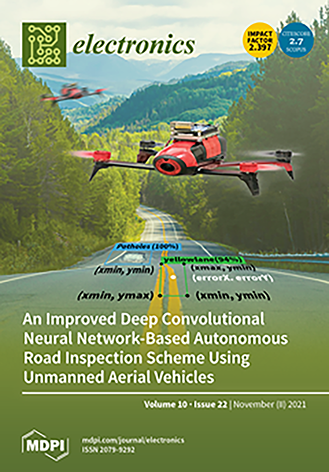
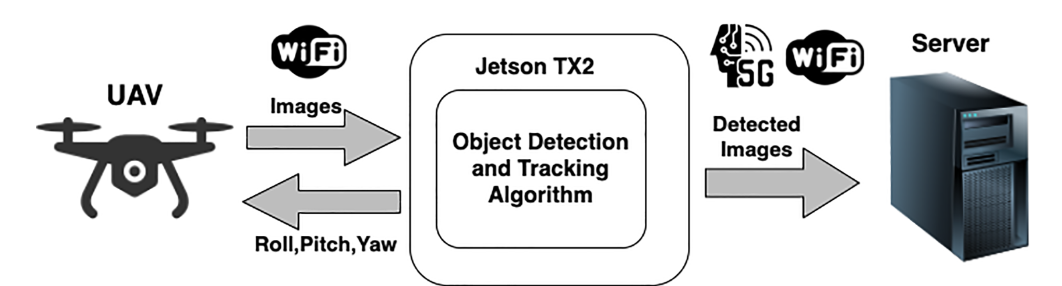
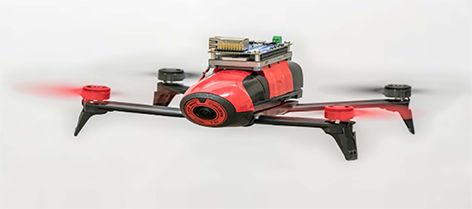
Finally, I’ve been active in creative technologies since my bachelor’s degree. When I first started programming, I started with the console, which I found tedious because I prefer to have a user interface as a result of my work not a black screen as an output. When I first started working with the AR mobile app, I was ecstatic to see a result in the shape of a 3D model appear in front of me. Further, in robotics, we can test our functioning code in a real robot, when I first developed my robotics project and tested it in UAV, I decided to advance my knowledge in robotics domain and it is one of the reasons I joined the einst4ine to work with real robots. My robot’s project was a success, and the research paper was published in MDPI electronics and chosen as the cover of the MDPI electronics journal, as seen in figure 1. “An upgraded deep convolutional neural network-based autonomous road inspection technique using unmanned aerial vehicle” is presented in [1]. In this project, UAVs can fly autonomously by identifying and tracking yellow lanes on the road, as well as detecting road cracks and potholes, and sending information about road damages to a server through WIFI or 5G medium. The architecture of this project is shown in Figure 2. The jetson tx2 is the hardware that is use to run the algorithm in the UAV and it is modified and mounted on the UAV as shown in figure 3. This project increased my interest in robotics, when I read the project details of einst4ine, I found that project interesting because that is also related to robotics, and I found this European project has many partners from academia and industry both that can be helpful for me to learn from different experts to improve my profile and to start my own startup in future. This project’s architecture is depicted in Figure 2. The hardware used to run the algorithm in the UAV, as indicated in figure 3, is the Jetson tx2. When I read the project details of einst4ine, I found that project interesting because it is also related to robotics, and I discovered that this European project has many partners from academia and industry, both of which can be beneficial for me to learn from different experts in order to improve my profile and start my own startup company and research lab in the future as a professor.
Figure 1: Paper selected as a cover in MDPI electronics journal
Figure 2: Architecture of the proposed system [1]
Figure: 3 Mounted TX2 in on UAV [1]
To conclude, I personally believe that working with innovative technologies is really important as technology is changing rapidly and we must learn new things in order to stay updated. Early adoption in robotics domain will be beneficial for my career to develop a collaborative robot in future. Einst4ine has a diversified environment, with numerous experienced researchers from several countries collaborating to deliver information from various sectors and an environment conducive to achievement.
Reference:
[1] Hassan, Syed-Ali, Tariq Rahim, and Soo-Young Shin. “An Improved Deep Convolutional Neural Network-Based Autonomous Road Inspection Scheme Using Unmanned Aerial Vehicles.” Electronics 10, no. 22 (2021): 2764.
About the Author:
I’m SYED ALI HASSAN. I have completed my graduation in Software engineering from Mohammad Ali Jinnah University-Pakistan and completed post-graduation in I.T Convergence Engineering from Kumoh National Institute Of Technology – South Korea. I have been awarded Fully funded Professor Scholarship in wens lab South Korea. I have work experience as a software engineer for more than 4 years. I have Developed Several games and AR/VR/MR based mobile applications. I won a fully-funded Marie curie scholarship funded by European commission under the organization named as einst4ine. I am working with 15 Early-stage researchers from different countries my host institute Sant’Anna Pisa Bio-Robotics lab. My responsibility is to develop robotics-based solution using collaborative robots. Below is a link of my portfolio.
A genuine question I received when explaining my new project and role (yes, EINST4INE is intended to be pronounced Einstein). I simply laughed and dismissed the comment.. of course I am not the next Einstein.
But, it did make me think.
Collectively, our projects will embrace the major challenges of future industrial systems. That’s pretty big. While this is certainly a daunting prospect as the imposter syndrome starts to creep in, I remind myself that I was selected to embark on this journey alongside other brilliant young researchers, so why shouldn’t we aim for such an impact with our research projects?
Impact really drives me. Graduating only in 2020 and 2021, I completed both my Bachelors in Business and Master of Research in Sustainable Futures at the University of Exeter, Cornwall. During my studies, I interned for a social enterprise that trains and supports entrepreneurs to innovate social and environmental challenges through purpose-led businesses, as well as co-founding and leading my own venture of a ‘Women in Business’ society to empower young women to pursue their dream careers. Further to this, I have worked on several projects providing consultancy and freelance support to start-ups and research projects addressing various business and sustainability challenges.
Despite a rather naïve and potentially even immodest notion to believe that a group of PhDs will contribute groundbreaking science, I also believe that if you are not striving for something you will never come close to achieving it. So, we must dream big.
The main expectations I have for my EINST4INE journey is to make connections and build my network, receive high-level research training with great support from colleagues, and be exposed to a number of multicultural and practical experiences which all help deliver impact and enhance employability. At current, my research topic is broadly focussed on orchestrating innovation ecosystems. I’m really interested in investigating how things work, what challenges are being faced, and how they can be improved or resolved. As a result, I hope that my research will explore and develop mechanisms to successfully orchestrate ecosystems and the challenges they face. From an industrial perspective, I would like to explore ecosystems applied in circular innovation as I find it very applicable and an area that faces its own unique challenges. Above this, digital transformation has created opportunity to accelerate both the emergence and management of innovation ecosystems and the sustainable transition to a Circular Economy, areas that need development of understanding and best practices. And of course, being part of Gen Z, life before technology is pretty incomprehensible to me so curiosity into the digital phenomenon is almost second nature.
With these big dreams, how did I end up here in the first place? And another funny remark I have received…why Finland?!
Well, I am extremely pleased that LUT University is my host institution. It was my hope to pursue a career in research, and with a strong academic background, I was seeking opportunities that would give me international and industrial experience whilst still gaining PhD research training. The Marie Skłodowska-Curie Action presented the perfect opportunity to enable this. I am still in disbelief to be in such a fortunate position and am extremely honoured. I feel very grateful that I get to be located in such a beautiful place with such high quality of life and connected to incredible expertise through the institution and EINST4INE; I believe these factors will make all the difference on this learning and development journey.
Our view from the office. Source: Jessica Fishburn.
I feel I align quite well with Finnish culture and ways of conducting business; quiet, relaxed, resilient, and respectful. While this has helped me settle here, it also excites me for working with our industry partners here with whom I have begun exciting conversations about orchestrating innovation ecosystems addressing sustainability challenges. Beyond this, I cannot wait to learn and explore other cultures as part of my EINST4INE journey and the amazing research opportunities we have!
Looking forward to seeing what the future holds and I hope others will be inspired to follow along the way ?
This is the aphorism that sums up the famous Socratic paradox, according to which the first step to knowledge is to recognize one’s own ignorance. Beyond its original meaning, I think this concept summarizes very well also the spirit in which I am embarking on my PhD journey.
In my opinion, there are two ingredients that are necessary to conduct meaningful research: being able to recognize the shortcomings of current theories and formulate the right question in order to address these gaps.
Then, based on these questions, being a researcher means making hypotheses, testing and analyzing results in order to propose concepts and claims that no one has ever proven before. In short, it means to innovate, starting from the awareness that some pieces are still missing to completing the puzzle.
Back to the roots
But what does it mean to innovate? Why do we do it?
Since I was a child, I have always been attracted by everything that was innovative, especially if it was related to technology. In retrospect, it was probably for these reasons that I enrolled in an engineering degree, having the curiosity to understand how these innovations work. But until a few years ago, I had never reflected on these two questions.
According to Schumpeter, an innovation represents the combination of new and existing ideas disturbing the current economic equilibrium. Building on that, there are two main reasons why this word has become increasingly more important in our society:
on a macro level, innovation is the main reason why the world’s economy has been steadily growing, a factor that has also ensured a general improvement in living conditions over time;
at the micro-level, innovation allows companies to be competitive and, in short, to increase the chances to survive in the long term.
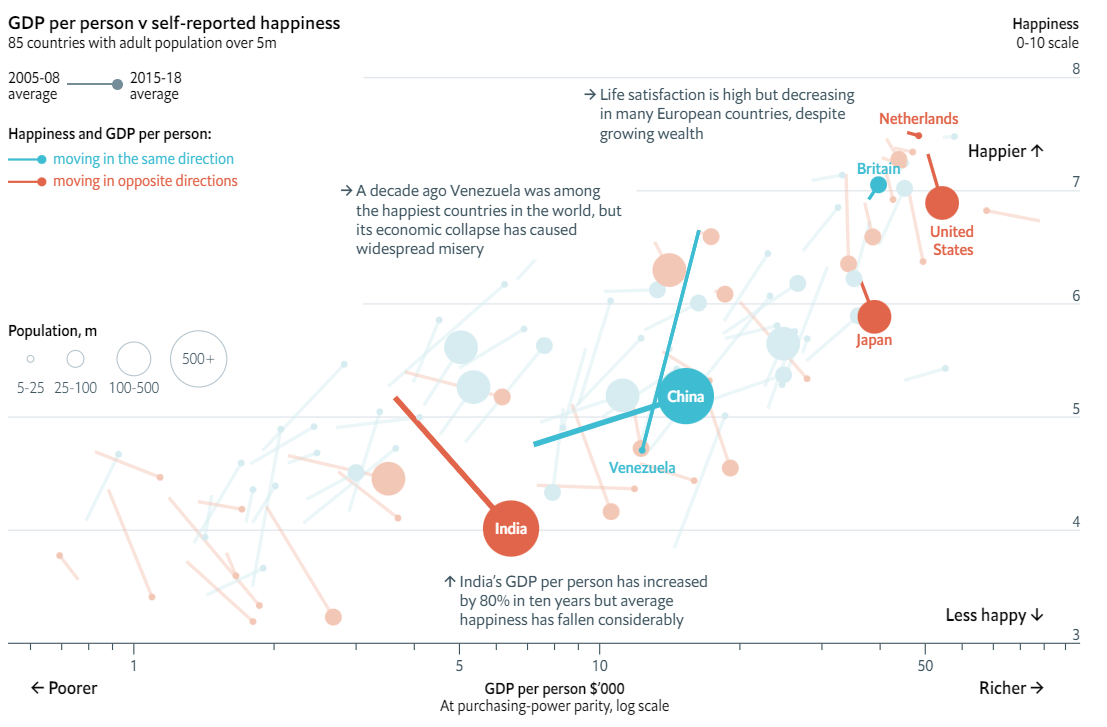
Despite these positive outcomes, in the last century humanity has also realised that the implementation of new ideas or technologies can no longer fail to take account of the externalities generated. Examples can range from e-scooter sharing, to AI up to the atomic bomb. Moreover, it is now widely known that the correlation between GDP per capita and life satisfaction is far from perfect.
GDP per person compared to perceived happiness. Source: https://www.economist.com/graphic-detail/2019/03/21/economic-growth-does-not-guarantee-rising-happiness
Mindset’s change
This is the main factor whereby I decided to choose a master’s degree focused on sustainability and social innovation, where I could deepen how the market dynamics and the human factors affect the success or failure of an innovation. Indeed, as Henry Chesbrough once argued: “a mediocre technology pursued within a great business model may be more valuable than a great technology exploited via a mediocre business model”.
Then, after a couple of years of work experience as a sustainability consultant, I realised that I wanted to better understand the causes of and solutions to unsustainable development, adopting a more systemic view than the one I knew at the time. Therefore, I started looking for research opportunities about these topics, until a friend of mine shared with me the link for the application to the EINST4INE project.
In this way, on the 1st of November, I started my PhD project at Aarhus University, under the supervision of Agnieszka Radziwon and Henry Chesbrough.
The project
When I first saw the EINST4INE application, what really caught my attention was the term “ecosystem”, which can be conceived as a set of partners collaborating toward a shared goal, without necessarily having formal or contractual bonds. However, I have to admit that at that time I didn’t know much about it.
Now, a few months into my PhD, I actually realized that I was not the only one having unclear ideas about it and that this is actually a positive thing. In fact, the term ecosystem is still being used in a rather fuzzy way both by scholars and practitioners due to its novelty, which means that there is room for further research in this direction.
In particular, I will focus on exploring the emergence process of technology-enabled innovation ecosystems. Since this is a concept that could be addressed from very different perspectives, now I am focusing on shaping the boundaries of the research, in order to define which could be the best way to study it.
The future
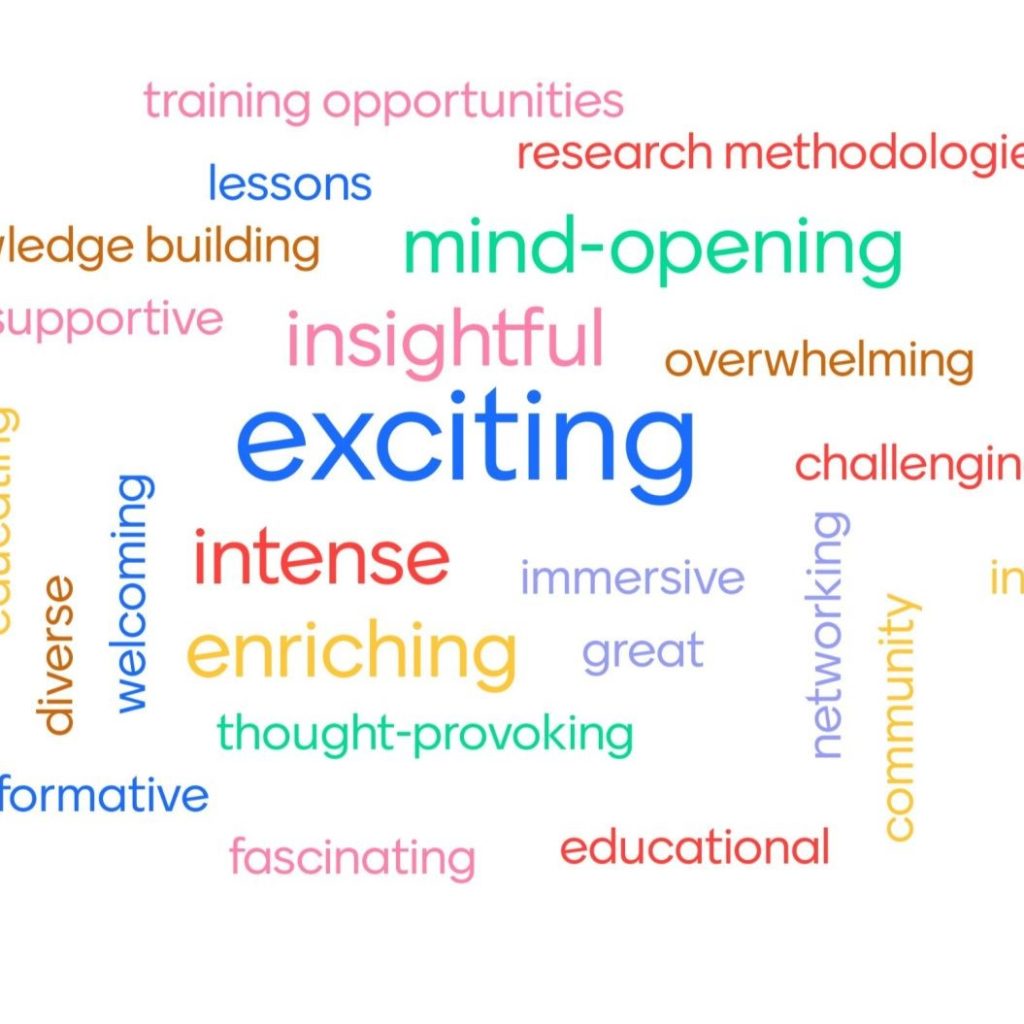
As the mind map below shows, I believe that the next three years will be a combination of exciting, intense and insightful moments that will enable all Early Stage Researchers’ (ESRs) professional and personal lives to enrich.
ESRs’ answers to the question “How your first few months with EINST4INE have been so far?”
In this regard, I think that a crucial role will be played by the special structure of this program, which allows us to spend several months abroad, between summer schools and academic and industrial secondments. Indeed, all the projects supported by the MSCA funding scheme represent a powerful democratization experiment. They give the chance to people with very different backgrounds to inspire each other and receive high-quality education that otherwise would have been almost inaccessible to them. Moreover, together with all the ESRs, I will be involved in several dissemination activities over the next years, such as conducting this blog and organizing outreach events with the Consortium partners.
In short, it will be a three-year journey that I hope will ultimately allow me to say that, at least in a very specific field, I know something.
Note
The title is inspired by the homonymous blog edited by Tim Urban
The EINST4INE project turns out to be the perfect opportunity to move forward and to develop myself personally and professionally.
Shopping Basket
This website collects cookies to enable the proper functioning and security of the website, and help us offer you a better browsing experience. By using our website you agree we can place functional and analytical cookies on your device. Find out more about cookies and how to manage them by visiting the RMIT Privacy Statement link in the website footer. If you're happy to continue, please press accept. You can opt-out if you wish but this may affect how the website functions. Cookie settingsACCEPT
Privacy and Cookies Policy
Privacy Overview
This website uses cookies to improve your experience while you navigate through the website. Out of these cookies, the cookies that are categorized as necessary are stored on your browser as they are essential for the working of basic functionalities of the website. We also use third-party cookies that help us analyze and understand how you use this website. These cookies will be stored in your browser only with your consent. You also have the option to opt-out of these cookies. But opting out of some of these cookies may have an effect on your browsing experience.
Necessary cookies are absolutely essential for the website to function properly. This category only includes cookies that ensures basic functionalities and security features of the website. These cookies do not store any personal information.
Any cookies that may not be particularly necessary for the website to function and is used specifically to collect user personal data via analytics, ads, other embedded contents are termed as non-necessary cookies. It is mandatory to procure user consent prior to running these cookies on your website.