
headway-F2KRf_QfCqw-unsplash

Unveiling the Hidden Gems of the First Academic Conference

Fellow researchers, I recently took part to the first conference of my PhD journey. As a PhD student, joining a conference for the first time is a milestone rich of emotions and takeaways.

In this blog post, I will highlight eight key reasons why attending a conference is a game-changer for early-stage researchers like me, hopefully inspiring those who are undecided or haven’t attended one yet to take the leap and experience the invaluable benefits of such events. For more experienced researchers, this post will serve as a good reminder of the profound impact that conferences can have on their professional growth and networking endeavours.
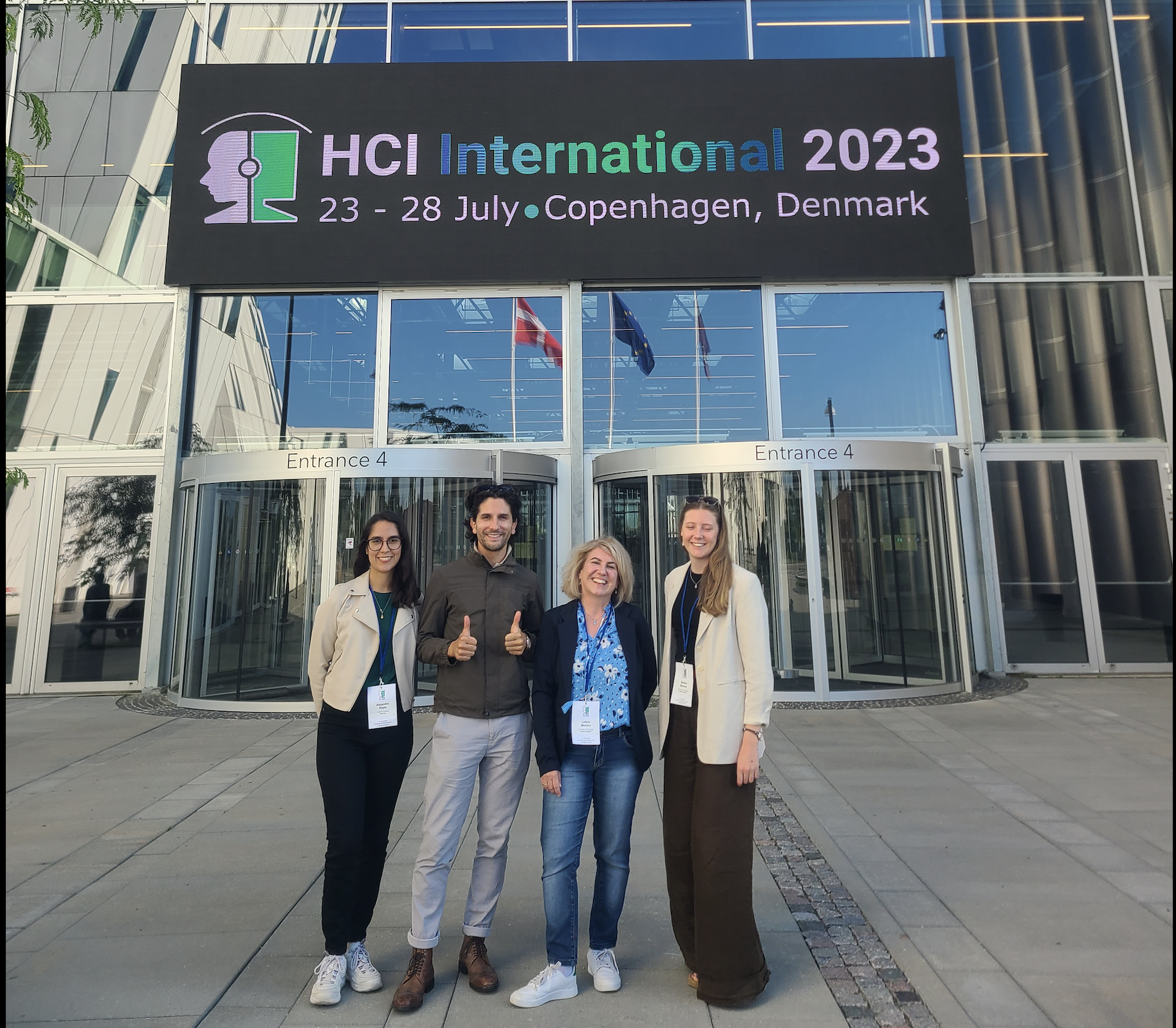
The mixed group of colleagues attending the HCI 2023 conference in Copenhagen. Source: Nicola Felicini.

Networking Opportunities

The conference was teeming with brilliant minds from diverse fields and backgrounds. From more established academics to fellow PhD students, I found myself amidst an ocean of intellect and ideas. Engaging in discussions during coffee breaks and networking events allowed me to connect with like-minded individuals, and I even exchanged contact information with potential collaborators. These connections opened doors to potential research partnerships and sparked exciting possibilities for my future career.

Knowledge Exchange

Presenting my research at the conference was a bit of a nerve-wracking experience, but it turned out to be immensely rewarding. The audience’s constructive feedback during the Q&A session provided fresh perspectives and valuable insights into my work. Additionally, attending other presentations exposed me to various research approaches and methodologies, which I could integrate into my own study to enhance its quality and depth.

Staying Updated with the Latest Research

The conference boasted a diverse range of presentations, workshops, and keynote speeches, each showcasing cutting-edge research. As a PhD student, staying informed about the latest trends and advancements in my field is crucial, and the conference provided the perfect platform for this. The exposure to the latest studies and discoveries has renewed my passion for research and motivated me to push my work further.
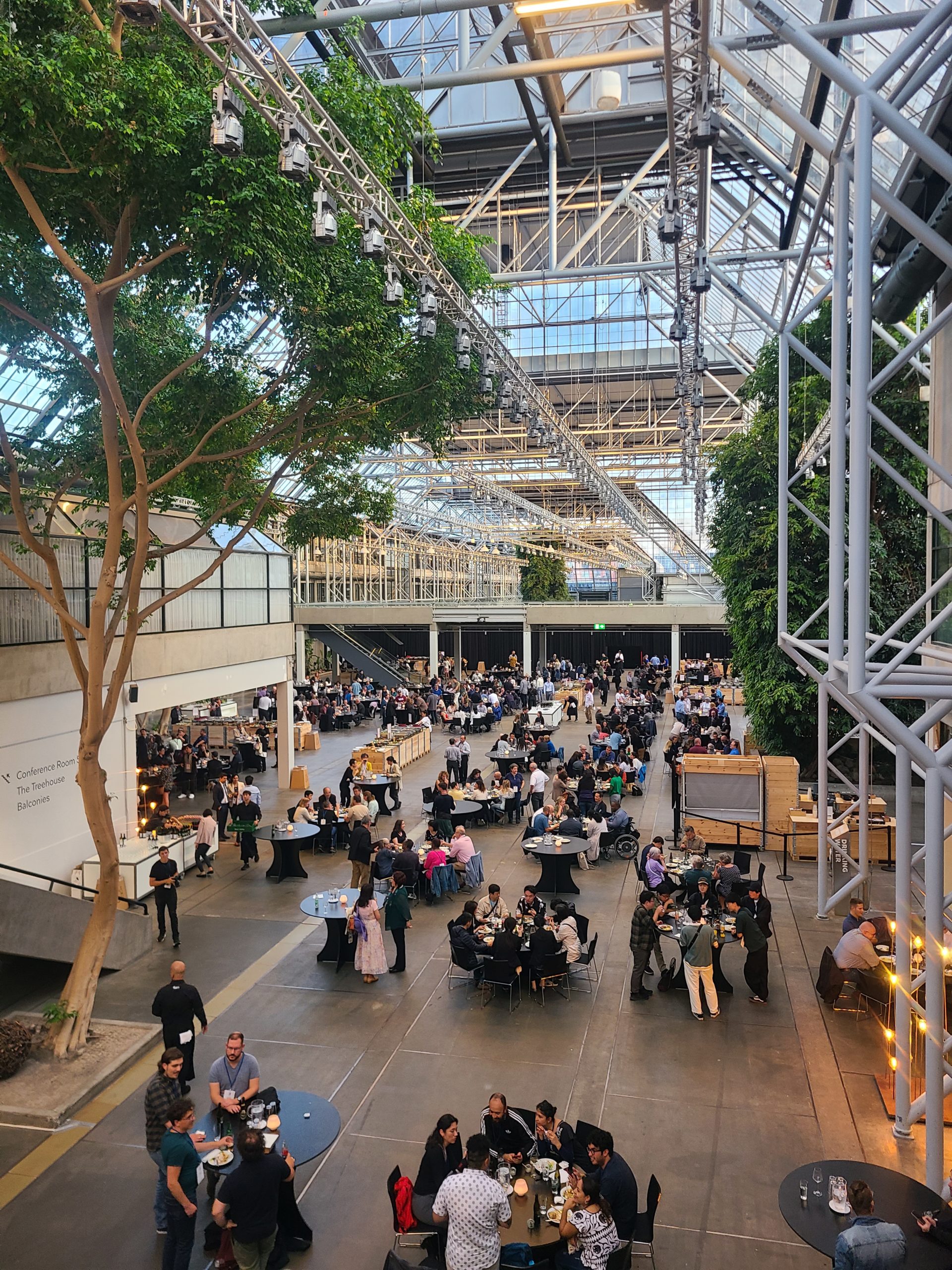
Break and networking time at the HCI 2023 conference. Source: Nicola Felicini.

Skill Development

Attending conferences offers a valuable opportunity to develop essential skills that are vital for a researcher’s academic and professional growth. One of the key skills that can be honed through conference participation is effective communication. Presenting research to a diverse audience, engaging in discussions during Q&A sessions, and networking with fellow researchers all contribute to refining communication abilities. Articulating complex ideas concisely, adapting language to suit different audiences, and conveying research findings persuasively are just a few aspects of communication that can be improved. This skill is not only crucial for disseminating research effectively but also for building lasting connections and collaborations within the academic community and beyond.

Inspiration and Motivation

As I sat through thought-provoking presentations by seasoned researchers and passionate fellow students, I couldn’t help but feel inspired and motivated. Witnessing the relentless pursuit of knowledge and the tangible impact of research fueled my determination to make a meaningful contribution to my field.

Building Confidence

Presenting my research in front of a diverse audience was indeed intimidating, but the experience immensely bolstered my confidence. Defending my work during the Q&A session taught me to articulate my ideas more effectively and logically. This newfound confidence will undoubtedly serve me well during future academic events and job interviews.

Centre of Copenhagen, where the HCI 2023 conference took place. Source: Nick Karvounis on Unsplash.

Broadening Perspectives

Attending a multidisciplinary conference exposed me to a wide range of research topics and methodologies beyond my primary area of study. Engaging with researchers from different backgrounds expanded my horizons, challenging me to think more creatively and consider novel approaches to my research questions.

Strengthening Academic Identity

As a PhD student, it’s crucial to feel like a part of the academic community. Presenting my research at the conference was a significant step in establishing my academic identity. The positive feedback and recognition from peers and established researchers helped solidify my presence within the academic realm.

In conclusion, attending to my first academic conference was an unforgettable experience that has left an indelible mark on my academic journey. The networking opportunities, knowledge exchange, and exposure to the latest research have undoubtedly enhanced my research skills and broadened my perspective. Furthermore, the inspiration, motivation, and strengthened academic identity have instilled in me the belief that my contribution to the field is valuable and vital.

To all my fellow PhD students out there, I wholeheartedly encourage you to take advantage of such opportunities whenever they arise. Embrace the chance to connect, learn, and grow within the academic community. The benefits are immeasurable, and you’ll find yourself returning from the conference with a renewed sense of purpose and enthusiasm for your research endeavours. Happy researching!
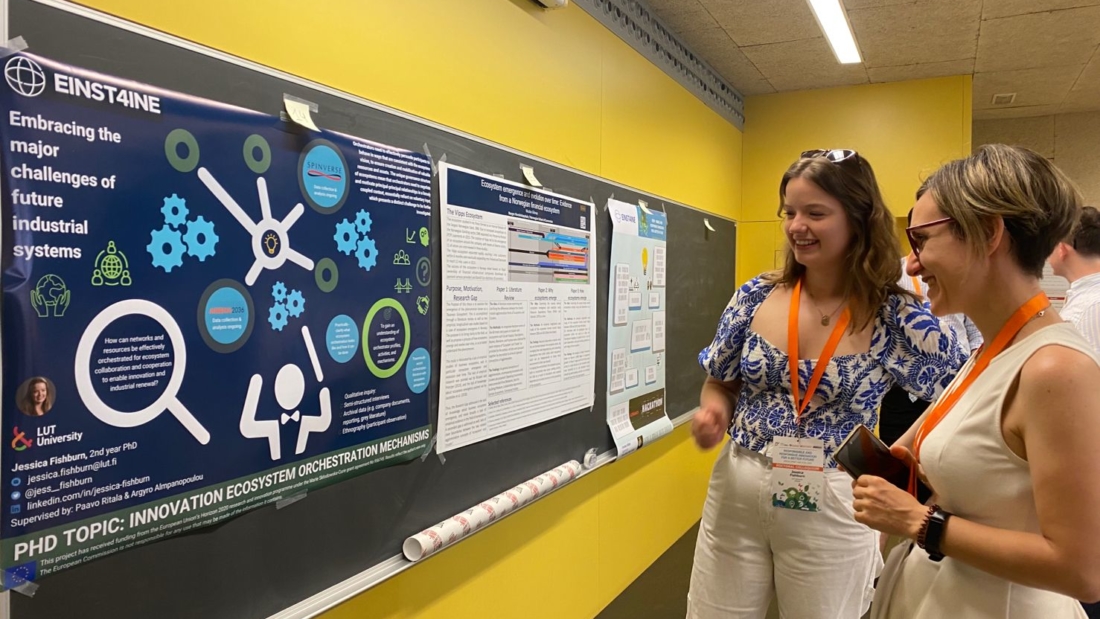
Source: Own image.

R&D Management Conference Doctoral Colloquium: here’s what to expect

Attending a Doctoral Colloquium can be an exciting and valuable experience for doctoral students at all stages in their journey. I was lucky enough to be accepted to this year’s R&D Management conference and Doctoral Colloquium, held in the beautiful (and very hot) Sevilla. This was my first time attending a colloquium so I thought I would share my experiences to help other first-time goers or those that are simply interested to learn more about the experience.

The colloquium typically provides a platform for doctoral candidates to present themselves and their ongoing research work, receive feedback, and interact with experienced researchers and scholars in our field. Here are my key takeaways:

Research is MEsearch:

Alberto Di Minin (Co-Editor in Chief of R&D Management Journal) energetically opened the colloquium with a ‘Start with Why’ exercise (if you are familiar with Simon Sinek’s work). As an icebreaker and to introduce ourselves, we all shared the ‘why’ of our research, before explaining the ‘what’ and the ‘how’. This was a meaningful reminder of how research is really MEsearch which we don’t often acknowledge – you are the one invested in your topic, you are carrying out the research, you are producing the results. It is important we remind ourselves why we are doing this and continue to engage with that in order to power on and in creating connections with others.


Presentation of Research:

As a participant, we had the opportunity to present our doctoral research projects in the form of a poster presentation. It was interesting to see the range of posters presented, from the traditional academic poster format to more visual and creative ones. Honestly, I felt a little self-conscious displaying my work on a giant A0 sheet for everyone to poke at, but this became a very fruitful exercise both for myself and I hope for those interested in my work. In the preparations I stressed over what and how I should present, but in the end I learnt it is most important to understand what YOU would like to get from the interaction and let your poster follow that principle, no matter how others have approached the task.


Networking Opportunities:

The colloquium allows you to connect with other doctoral students and researchers who share similar interests in R&D management and wider management topics. Networking is an essential aspect of academic conferences, as it opens doors for potential collaborations and research partnerships in the future. However, what is perhaps some unspoken law about conferences that is maybe unknown to new PhD students (at least it was to me) is how social these events are. The majority of networking, and deeper connections, happen outside of the conference centre and instead in the bars, tours, dinners, etc. Having these bonding moments and community building activities are essential, so while these are very long and tiring days, I would urge all students to make the most of these additional activities where possible and be open to getting involved.


Mentorship and Guidance:

Expect to receive insights, suggestions, and critiques from both fellow doctoral students and established researchers. This feedback can be invaluable in refining your research approach and identifying potential areas for improvement, particularly gaining insights from outside of your usual mentorship. We were honoured to benefit from the expertise and wisdom of Petra C. de Weerd-Nederhof, Lucia Naldi, Wim Vanhaverbeke, Anne Ter-Wal, Bart Van Looy, Shanthi Gopalakrishnan, Andrea Piccaluga, Leticia Pérez-Calero, and Jeremy Klein.


Exposure to Current Trends:

We can often get stuck in our narrow little holes as PhD students focussing hard on our topics. While sometimes I find it overwhelming to become distracted by so many new ideas and inputs, you never know when a piece of advice, literature suggestion, new connection, etc. may become fundamental to your work. Since R&D Management conference attracts the leading experts and top students in the field, the colloquium can expose you to the latest trends and emerging areas of interest in R&D management.


Practice in Academic Communication:

Presenting at the colloquium allows you to refine your academic communication skills, including attempting to deliver clear research ideas, responding to questions, and engaging with an audience. When working with experts who have 10s of years experience in these fields, I often still feel that I know nothing about my topic. Having to communicate my research, respond to questions, and share the observations I am making surprisingly gave me some ‘uh-huh’ moments where I realised, perhaps sometimes I do know what I am talking about. Similarly, being asked questions opened up new avenues even in my own mind about what should be clarified and what is most interesting to answer – which is key to making impact with your work!

Community Building:

As mentioned above regarding networking, one of the biggest takeaways was the social aspect that I did not expect. Being able to connect with other doctoral students in your field and share some of the trials and tribulations of this journey with them is a very cathartic and underrated activity. Particularly since this is a small and select group (approx. 40 students accepted) means that you do have the opportunity to get to know most of the students over the 2 days and, even better, you then have some familiar faces to say hello to during the conference. Of course, I hope that all doctoral students also have a great community at their home institution, but having this community extended across borders is all the more valuable. For future collaboration, or future complaining, as you wish!


Overall, remember to come prepared with energy and intention and don’t be shy to receiving constructive criticism. This is an excellent chance to gain valuable insights into your work and build connections within the academic community, so don’t forget to follow-up afterwards too. Enjoy the experience and make the most out of this unique opportunity!

PXL_20230501_125941041

Vappu

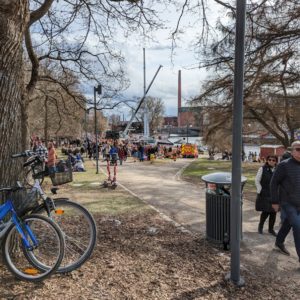
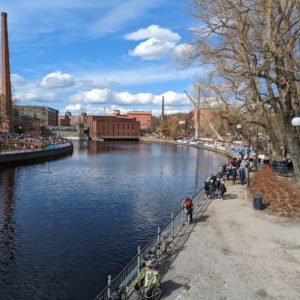
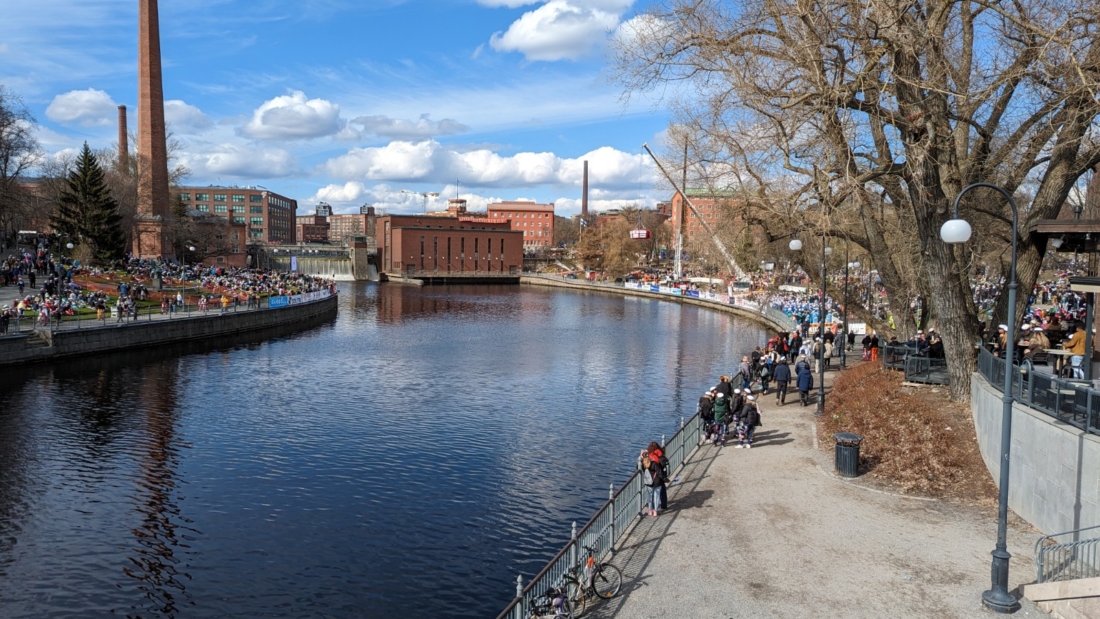
During my first weeks in Tampere I experienced the first of May celebrations in Finland also known as “Vappu”. In contrast to some other countries, the first of May is less important for workers’ rights and more relevant for the university students. The night before is often spend partying, while on the day itself everyone joins for huge public gatherings with sweets, picnics and alcohol. Sima a mead like beverage and munkki, a suggar coated donut are typical for those celebrations and sold in small booths all over the city. Freshly graduated students as well as alumni wear their white student cap and every city has its own traditions on what else is organized on the day. In Tampere, students will be submerged into the river running through the city. This is done in the most convenient way possible: by picking up a cage with students by crane. This spectacle is observed by the whole town, who gather at the riverside and bridge to have a look.

Party and picnic at the riverside. Picture by Finn Tryggvason
Dipping the students into the water by crane. Picture by Finn Tryggvason
Image by Macrovector on Freepik

The energy transition and the NIMBY syndrome

The global energy transition towards renewable and sustainable resources has been nudged by institutions such as the UN setting universal standards for social and environmental welfare, and external shocks have questioned the current standards of operation. As they show a pressing necessity to (not only) address issues like climate change, several clusters of organizations, and institutions have started to come together to tackle this challenge.

By “transforming the environmental crisis from a problem into an opportunity” (Fabrizio Di Amato, CEO of Maire Tecnimont during a talk about Leadership at LUISS in Rome), various industries have developed promising solutions like the production of green hydrogen and more.
However, some of these technologies remain costly, and more solutions are needed at a faster pace. The EU has financed and granted several European initiatives like the introduction of hydrogen valleys. Recently, the Important Projects of Common European Interests (IPCEI) (a European Union framework that supports large-scale, transnational projects in strategic industries, like the energy infrastructure) has granted NextChem, an Italian leader in energy transition technologies, and a subsidiary of the Maire Group, 194 € million, as part of the “IPCEI Hy2USE” EU project, for the development of one of the first Waste to Hydrogen plant in the world. The goal of the project is to set up the first industrial-scale technology hub for the development of the entire national hydrogen supply chain.
Projects which include plants like these use specific technologies to transform waste into hydrogen and/or other industrial products and represent a promising solution to address both waste management and energy transition challenges. By converting waste into valuable products, different transformational processes can be applied, and all this, by reducing greenhouse gas emissions, minimizing landfill use, and contributing to renewable energy production.

However, as with other infrastructure projects, like the infamous project of subway building in the Netherlands, they can often be met with community resistance. Concerns about potential impacts on health, the environment, property values, and aesthetics can lead to delays in project approvals, increased costs, and even project cancelations. Coined as the NIMBY syndrome (Not In My Back Yard), communities are often rooting for innovative solutions, as long as they are not close to them.

So, what can be done?

When planning the construction of a plant, the use of digital technologies can limit the environmental impact of the design and experimentation (for example through 3D mappings, like digital twins). But the actual construction of such projects needs strong incentives to attract stakeholders.

Even though this list is not extensive, there are several ways in which companies are adopting a proactive strategy to get various people and institutions on board:

  1. Engaging and including them early on in the decision-making process by maintaining open and transparent communication throughout the implementation and activity of the project.
  2. By collaborating with research institutions and other leaders in the field, projects can gain increasing legitimacy, for instance through grants and scientific outputs.
  3. Collaboration with local organizations and communities: while research centers and higher institutions advocate for the technology itself and the benefit it provides at a broader level, partnering with local organizations like NGOs and community leaders can help gain insights into community concerns and use their networks to facilitate communication.

While these are just general comments that I have been able to observe throughout my research, the energy sector remains a highly debated sector, undergoing major changes. Thus, there is a lot more to it than communication and engagement, and preparing the field to build an ecosystem infrastructure around a green transition can be very complex. With the most promising efforts, projects can still fail. Factual information may provide the technical arguments that speak for the plant, but effective stakeholder engagement fosters trust, cooperation, and shared value among different participants and could help create a supportive environment for problem-solving and innovation.


1680942590109

18 things I have learned in the first half of my PhD (part 1)

It seems yesterday that I have started my PhD but, when this blog will be out, I will have already completed the first half. To celebrate this milestone (or to convince myself that has been a fruitful journey), I decided to list one thing per month that I have learnt or discovered. Without further ado, we can start with the first nine:


  1. Learning is not a linear process

Despite this maybe being common sense for someone (or just my personal opinion for someone else), these months have clearly reminded me that to master a topic, two things are necessary: focused and extended practice.
First, I need to focus on a single project at a time. This means that multitasking or working on too many different tasks does not allow you (or, at least, me) to get over that wall you face when approaching a new topic. Second, I need to be consistent for an extended period of time (at least a few days of full concentration before gradually introducing other aspects/subjects). This prolonged practice involves not just reading, but also writing.

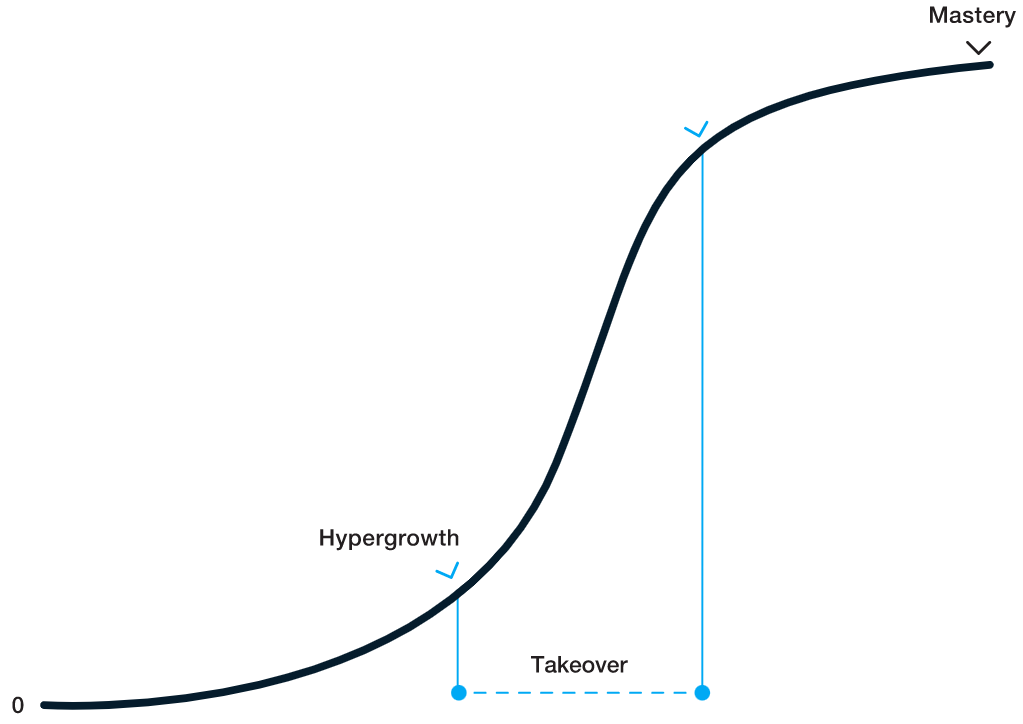
These principles resemble what is also known as the S-learning curve (see image below). This is a rather established concept in different fields, which I believe describes well my learning experience.
So, what I wanted to highlight in this blog is its main implication, i. e., the importance of not giving up when at first learning a new subject seems to be particularly difficult. Because, actually, this is how it is expected to be.


18 random things I have learned in the first half of my PhD (part 1)
S-shaped learning curve Source: McKinsey, 2019


  1. Learning is not just about how much you read, but how deep you go
    Regardless of the topic of your research, just few articles can be defined as foundational. All the rest concerns more marginal aspects of that theory or phenomenon. This means that you don’t need to dedicate the same amount of time to every paper. Just focus on identifying and reading the most relevant articles in your area of interest and this will be enough to set the ground for your research.
    However, these articles deserve a deeper reading to really grasp and internalize their contributions.

  2. Thinking (and writing) can be divided into different layers

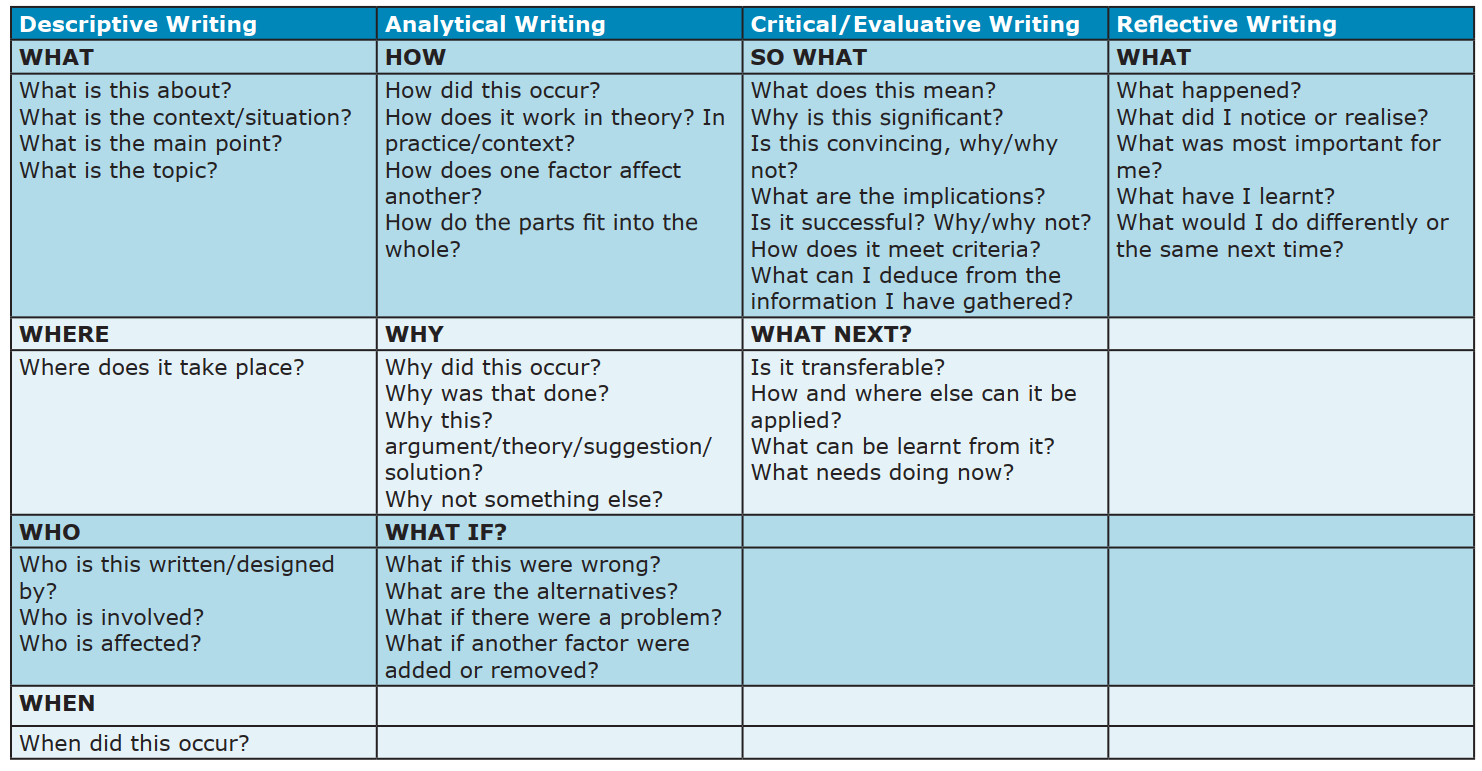
While I was acting as a censor during a session of oral examinations, the professor I was supporting made me reflect on the way students were expressing their thoughts. The way he was evaluating them was well structured and made me notice that you could not expect a student to get the highest marks (and thus express more elaborated answers) if s/he had not implicitly answered to some basic questions.
The table below exemplifies the questions characterizing the four levels of thinking/writing that he was following to assess the students: descriptive, analytical, critical and reflective.

What is the implication here? In my opinion, if we don’t have clear answers to the first questions, we cannot expect to reach the most advanced levels of thinking and writing on the topic we are studying.

18 random things I have learned in the first half of my PhD (part 1)
Four writing layers. Source: EIT

4.  Good research takes time:

After reading hundreds of articles and starting to write a couple of them, nothing is clearer to me than that good research takes time. And, for now, I am just referring to the planning and writing phase. This means that to identify the right research area, select the adequate case study, refine the research questions, collect data, analyse the findings and generate some valuable contributions might take years.
There is a reason why PhDs in Management in the US (and few other Countries) last for around 6 years, including two years fully dedicated to theoretical courses.

Nevertheless, the path does not end there. As the graph below shows, the review process is not free of hurdles, either. On average, this process takes almost 300 days in the area of management of technology and innovation. Everyone is free to draw their own conclusions here…


  1. Publishing a paper is not just about writing

In addition to all the previous steps, publishing a paper requires a thorough choice of the right framing for your research. This decision usually concerns:

  • what journal you are targeting;
  • choosing whether your paper should be theory or phenomenon-driven;
  • what theoretical lens is the most suitable to analyse your findings;
  • how to manage all the activities you are working on in parallel.

For this reason, you should consider at the outset in which journals the conversation you want to contribute is taking place, to avoid wasting time rephrasing the article accordingly at the end.

6.  Writing is not an easy task (for anyone)

Some takeaways from my experience:

  • To write, I need to have read what has been written before on that topic. Even though it might seem a trivial observation (and a boring activity), I believe that perfecting this exercise and taking your time to study the literature is a necessary step that can help avoid problems toward the end of the PhD;
  • When I read, I try to always have a general goal or direction in mind. However, these goals should not be set in stone, as you should keep refining the research objective and research gaps after every read paper;
  • Once I am ready to write the first section of a paper, having a structure in mind (reflected on the Word file) of what I would like to focus on makes my writing process more effective;
  • Always prioritize Freewriting (a technique in which you write down your thoughts without worrying about form or even grammar) and then, in the following waves, focus on adjusting and perfecting the style;
  • Another tip for improving (or forcing me) to write is joining a Writing Club. Writing Clubs are (virtual or hybrid) meeting where you can briefly talk about your writing goals and progress, writing together with your supervisor or other peers for a couple of hours.
  1. Writing is even harder, especially if you are a non-native English speaker.
    • During my stay at UC Berkeley I have attended a seminar called “How to Get Published in International Journals”, where the following provocative question posed by the lecturer caught my attention “If a native speaker has to rewrite a paragraph 10 times before arriving at the final version, how many times should you rewrite it?”
    • Writing in academic English follows rules that are mostly unfamiliar to researchers foreign to the Anglo-Saxon educational system. Therefore, proofreading services are necessary to decrease the likelihood that your research will be rejected because it does not meet the quality standards of a journal. If you want to know more about this topic, this book resumes the five essential strategies for maximizing your publication chances:
      • Analyzing journals both for elimination and for submission
      • Organizing and arguing in Aristotelian logic
      • Editing for strength (less is more)
      • Editing for clarity
      • Revising rigorously for language, clarity, argumentation, punctuation, etc.


  1. The importance of planning and organizing your work
    • As said before, a PhD is a long and winding path where there is always the risk to lose motivation, self-confidence and your final goal.
    • Notion and OneNote represent two easy but very powerful management tools that have been helping me to keep track of my progress over the years.
      Another useful resource is the YouTube channel below.

9. The importance of finding distractions outside academia

    • Being a PhD should be part of your life and not vice-versa (even if sometimes it is difficult to see the big picture while you are immersed).
    • This is an advice that I have received multiple times. So, after a first year of PhD full-immersion, I decided to dedicate more time to one of my main passions: running. The result is that in March 2023 I completed my first half-marathon!


Oakland Half-marathon medal Source: photo taken by myself

Ensuring Safe Human-Robot Collaboration: The Role of Vision and Proximity Sensors

Robots working alongside humans is becoming more and more probable as robotics technology develops. But when people and robots collaborate, safety is still a major issue. Vision and proximity devices can be used in this situation to guarantee secure human-robot interaction. Robots can detect people, objects, and obstacles in their environment due to vision sensors. They track and identify motion and shapes using cameras and other tools. Robots are able to identify and steer clear of humans and other objects with the help of this ability.

  • As the use of robots spreads across a variety of sectors, safety concerns regarding human-robot collaboration have taken on greater significance.
  • Robots can sense their surroundings and identify objects, people, and obstacles with the help of vision sensors.
  • Proximity sensors can help avoid collisions by detecting the existence of an object or person and their proximity to the robot.
  • By utilizing both kinds of sensors, robots can more accurately perceive their surroundings and decide how to interact with people.
  • Human-robot collaboration is becoming more prevalent in the industrial and healthcare sectors, but safety is still of utmost importance in these environments.
  • While sensors can significantly increase safety, human supervision and training are still necessary to guarantee secure and productive human-robot interaction.

On the contrary, proximity sensors can both sense the presence of an object or person and their proximity to the robot. They employ a variety of technologies, including ultrasonic, capacitive, and infrared sensors, to identify changes in the environment and warn the robot to stop or slow down when a person is close. Robots can more accurately sense their surroundings and decide how to interact with people by combining these two kinds of devices. A robot in a manufacturing environment, for instance, could use vision sensors to recognize nearby people and proximity sensors to determine their closeness. The robot may slow down or halt if the person approaches too closely in order to prevent a collision.

Healthcare is a further application where vision and proximity sensors can be used for secure human-robot collaboration. When working with vulnerable patients, safety is of the highest importance. Robots can help medical workers with tasks like lifting and transporting patients. While proximity sensors can warn the robot to halt if the patient approaches too closely, vision sensors can track the patient’s position and movements. Additionally, sensors can be used by robots to track their own motion and recognize when something is wrong. For instance, a robot with a broken arm may be able to sense when it is moving too quickly or in the incorrect direction and stop before it does any damage. While sensors can significantly increase safety in human-robot collaboration, it is essential to remember that they are not infallible. For the collaboration between humans and robots to be secure and productive, human supervision and instruction are still necessary.

Finally, the integration of vision and proximity sensors can significantly improve the security of human-robot interaction in a variety of contexts, from manufacturing to healthcare. The distance between a person and a robot can also be determined using a depth camera, but it is more difficult to attach multiple cameras to the robot’s skin than it is to attach numerous proximity sensors to various regions of the skin in order to calculate the precise distance from various angles and prevent collisions. The project we’re working on also makes use of a camera and a proximity sensor for secure human-robot collaboration.


Finn in Finland

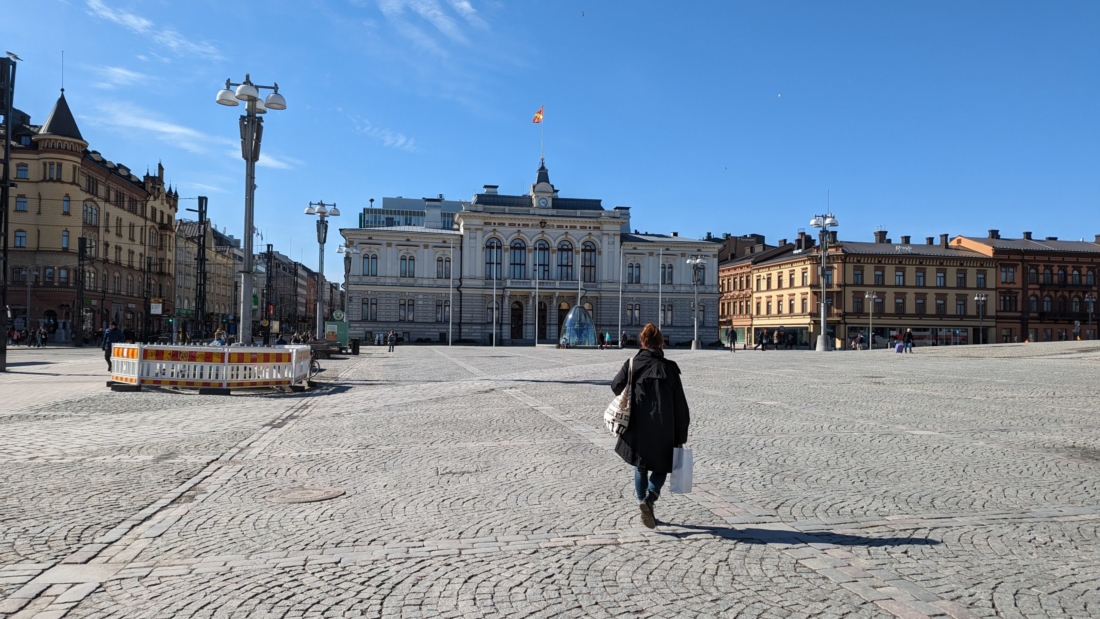
As part of the program I have the opportunity to go to Finland and visit both my industry partner Jakamo, as well as the LUT university. Now the time has finally come and I have arrived in the lovely city of Tampere, where I will be staying for my first two months. I was lucky to be met not only by great weather, but also the amazing team of Jakamo. During my stay I will conduct research in the field of ecosystem legitimacy, using Jakamo as a case study. At the same time, I will gain important industry insights and can engage with the team here so that we can learn from each other. For now I will focus on settling in, which does not seem too hard with such great company showing me the sights of Tampere 😉

I am thankful for this opportunity and am excited to see where my journey here takes me. While working with Jakamo, I will also post on their blog on supplier experience, so stay tuned for more to come!

Approaching Tampere. Picture by Finn Tryggvason
Tampere Town Square. Picture by Finn Tryggvason


After work sunbathing with the team. Picture by Timo Rossi
Unsplash picture by Joshua Hoehne

Pitfalls and Blessings: A 21st century Research Journey

Pitfalls and Blessings: A 21st century Research Journey

Being in the academic world these days comes with many pros and cons, ups and downs, privileges, and struggles. On average, doctorate holders represent 1.1% of the 25–64-year-old population across OECD countries (source). That sounds like a very small percentage. But let us put this number a little bit into perspective: In 2006, approximately 1.3 million peer-reviewed scientific articles were published, synonymously leading to a rise in scientific journals from 16.000 in 2001 to more than 23.000 in just five years (source). Today the number of available journals to choose from is even larger, a presumed 30.000+ while, at the same time, enabling lower quality journals (source). You might think “paradox of choice”, how to decide which journal to go for?

Unsplash picture by Claudio Schwarz

Let us add another lens to that: “Fewer than 1%—manage to publish a paper every year” (source). Publication practices have long received the slogan: “publish or perish” (that speaks for itself) across disciplines such as medicine (source) and management studies (source). Assuming you have made it into a journal, about one third of articles in the social sciences do not get cited, much less in the natural sciences, but even more in the humanities with an approximate 80% of publications never getting cited after publication (source).

Publishing in a scientific journal has become a significant challenge. A challenge so significant that a professor once said to me, “When you receive the response from a journal inviting you to revise your manuscript – you celebrate” (Note, this does not mean the paper has been accepted yet, but it has moved on to round 2). A study on journal acceptance rates at Elsevier found an average of 32% of papers that make it past review (source) while “scientists suffer constant pressure to publish new work frequently” (source). In the case of a paper-based PhD, it is often mandatory to get papers into the review process while working on the PhD. Fortunately, actually being published by the end of the PhD is not necessarily a requirement – although it certainly will not hurt. But looking at the statistics sheds a light on the chances of doing that.

The lifecycle of scientific publishing only works with the valuable and dedicated time of unpaid reviewers but the pressure in the academic world is high, and an elbow-mentality is growing. In recent years the peer-review process is receiving some significant backlash. An article published by the highly recognized Journal of Management Studies almost read like a long-suppressed outcry: “Reining in Reviewer Two: How to Uphold Epistemic Respect in Academia”, criticizing the behavior of a reviewer who deprecated the use of low-tier journals (source). In a similar vein, DORA (the Declaration on Research Assessment) was formed in 2012 in order to improve ways in which researchers and research outputs are evaluated (source) and to date, more than 20,000 individuals and organizations have joined in, promoting this objective. While epistemic respect is crucial for scientific publishing, criticism and accepting rejection is the “daily bread” as Germans would say, or “the norm” for every researcher. However, a rejection by one reviewer or one journal does not decrease the value of the manuscript. Publishing is a journey and taking it from an Associate Professor at Princeton: “Authors should be wary of being drawn into this morass until they find an interested editor“ (source). And, I too know researchers who publish more than one paper a year—nothing is impossible.

Unsplash picture by Nathan Dumlao

It goes without saying that we have achieved a few milestones in education and academia in general. Higher education enrolment rates have almost doubled to close to 40% worldwide since the beginning of this century to 2018 (source). Education has become increasingly accessible to people around the world and this is a great achievement in many ways. However, there is no such thing as a flawless education system and scientific publishing has become an obstacle like never before. But along the ups and downs and the long way ahead, being able to learn, publish, and contribute to knowledge generation, informing others about our findings feels so very rewarding at the end of the day. Being able to produce research and working on the world’s challenges and concerns, in my humble opinion, is still worth the hours we put into it.

“Any fool can know. The point is to understand.” 
― Albert Einstein

robot-g78f84ae61_1920

Robots, Drones, and Robo-Dogs, Oh My! A Journey Through the World of Robotics

“The best way to predict the future is to invent it.” – Alan Kay

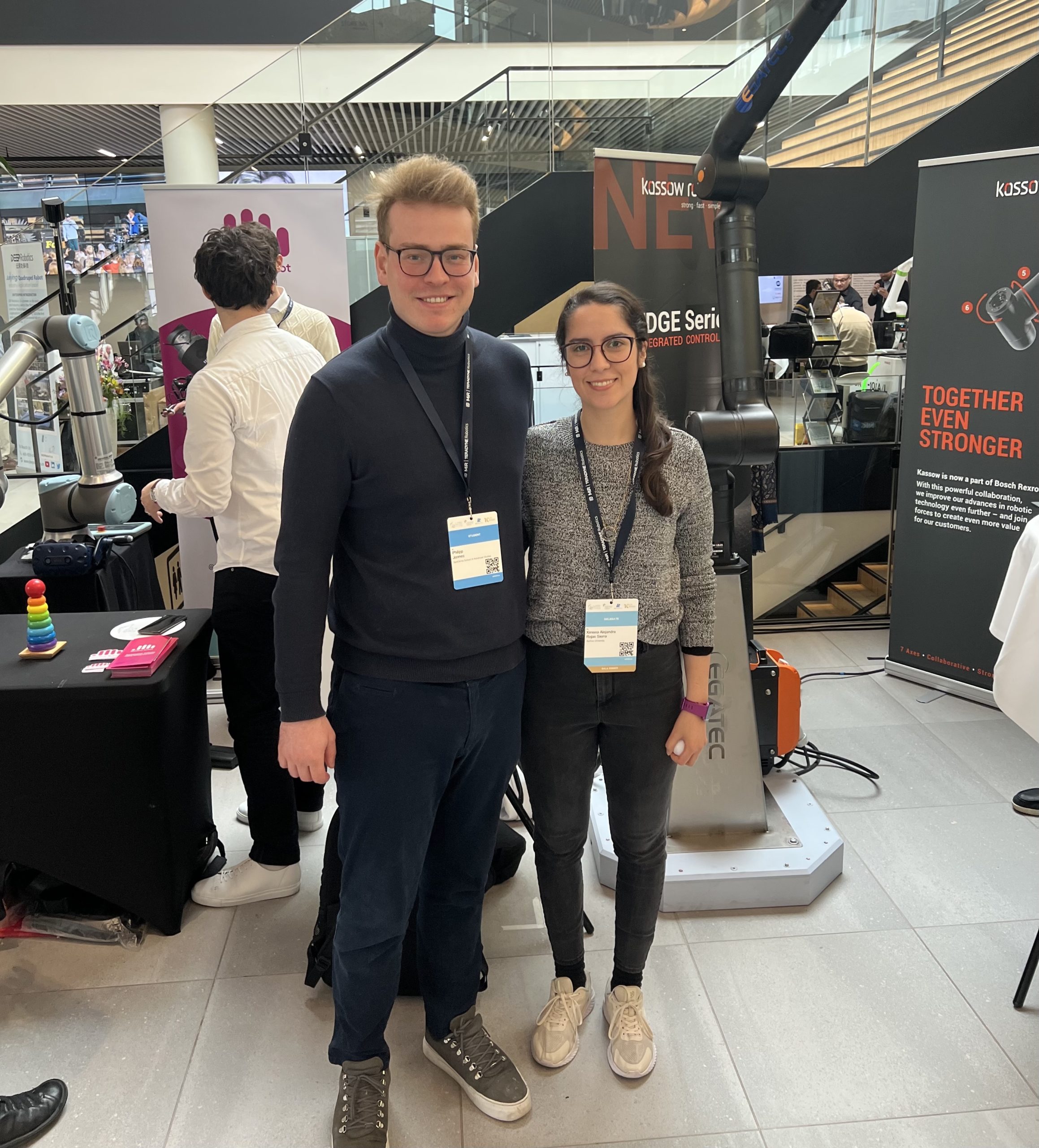
Hello everyone! I’m happy to share some experiences that I’ve made during the last month. Recently, I had the incredible opportunity to accomplish my academic secondment at Aarhus University in Denmark and attend the European Robotics Forum in Odense with my EINST4INE colleague Alejandra Rojas.

ERF23

The European Robotics Forum (ERF) is an annual event that brings together experts in robotics from industry, academia, and government to discuss the latest developments in the field and explore potential collaborations. The forum is organized by the European Robotics Association (ERA) and typically features keynote speeches, technical sessions, panel discussions, and exhibitions showcasing the latest robotics technologies and applications.

The ERF serves as a platform for researchers, engineers, and entrepreneurs to exchange ideas and knowledge on a wide range of topics related to robotics, including industrial automation, healthcare robotics, service robotics, and artificial intelligence. It is also a forum for policy makers and industry leaders to discuss the challenges and opportunities presented by the rapidly evolving field of robotics, such as ethical and legal considerations, workforce training, and investment strategies. Even Crown Prince Frederick, His Royal Highness of Denmark, attended the event this year!

ERF with EINST4INE colleague Alejandra Rojas
ERF23 with EINST4INE colleague Alejandra Rojas. Source: own photo.

As a visiting researcher, I was thrilled to be able to connect with so many people who are passionate about robotics and human-robot interaction. I was able to learn about the latest developments in this field. I was particularly interested in discussions surrounding collaborative robots, which are designed to work alongside humans in manufacturing and other industries. During the forum, I had the pleasure of engaging with some brilliant minds, from both the academic and practitioner side. Their contributions to the discussions were invaluable, and I learned a lot from them.

Exploring the Fascinating World of Robotics

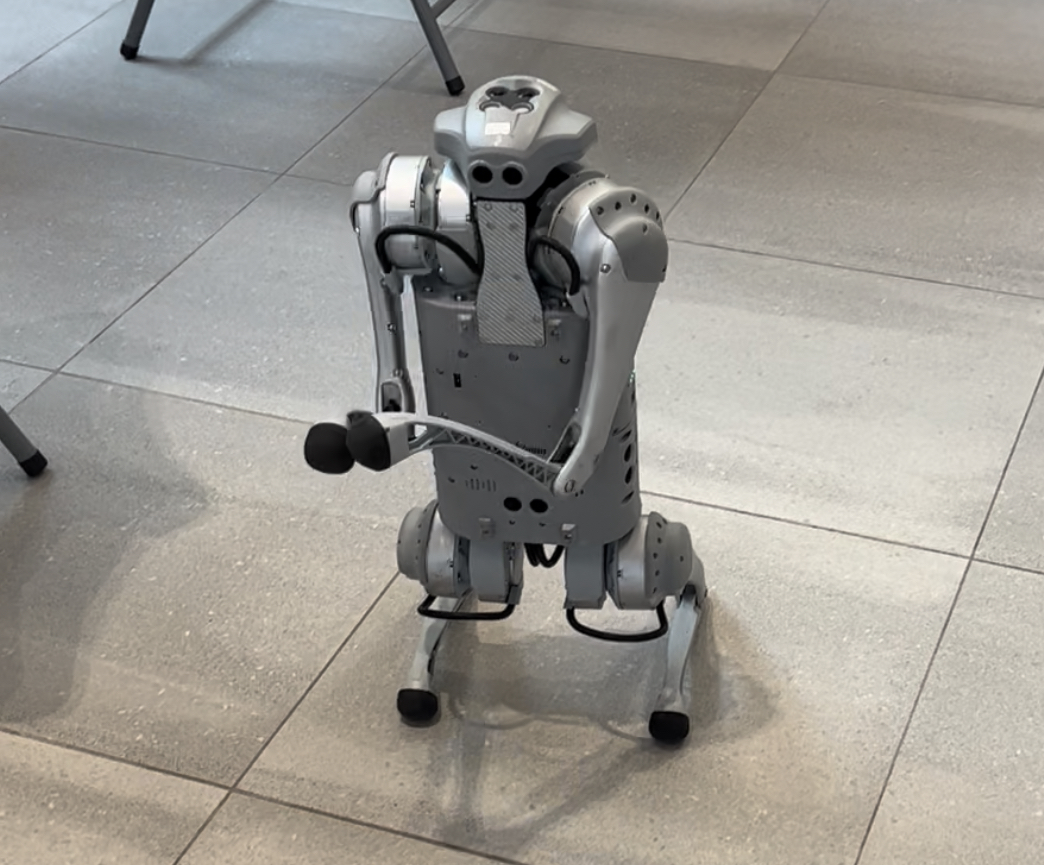
In addition to my research on collaborative robots, I’m also fascinated by other robotic technologies such as drones and robotic dogs. These technologies are shaping our world in profound ways, and I believe they have enormous potential to improve our lives. For example, drones have the ability to conduct aerial surveys, deliver packages, and even help with search and rescue missions. Robotic dogs, on the other hand, can be used in a wide range of applications, from military and law enforcement to assisting people with disabilities. I find the intersection between these technologies and human needs to be particularly interesting, as it challenges us to think about how we can design and use robots in ways that are safe, ethical, and beneficial for society as a whole.

Robotic Dog ERF23
Robotic Dog ERF23. Source: own photo.


The Journey Goes On

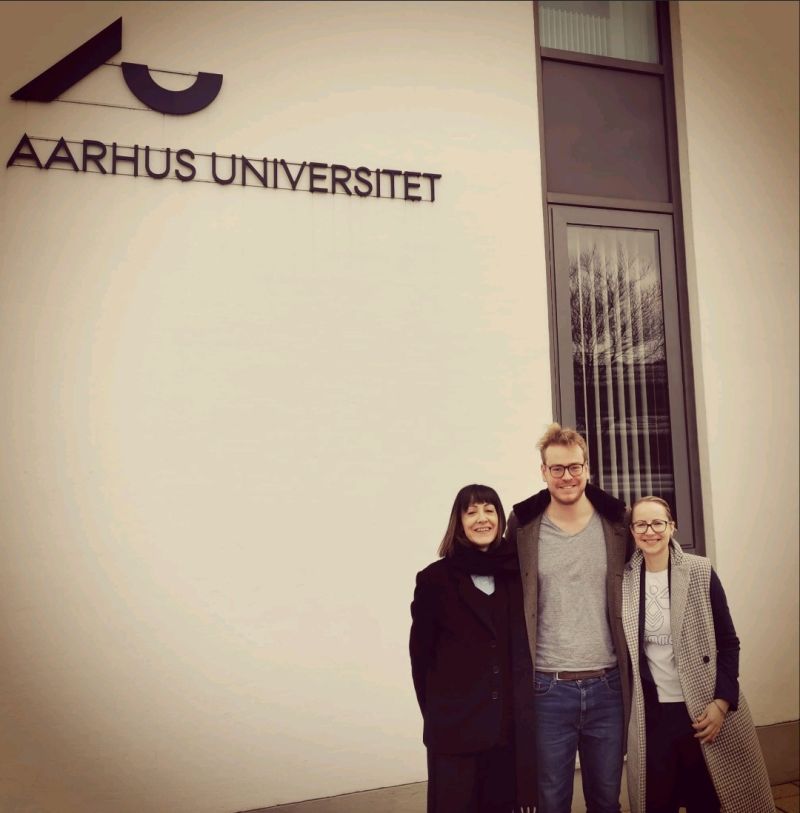
Aside from the forum, I also spent time at Aarhus University, where I was conducting interviews with SMEs located around Denmark. These interviews are an important part of my research, as I’m studying the implementation of social and collaborative robots in organizations. By understanding the effects of cobots on an individual and firm-level, I hope to achieve a clearer understanding of cobot implementation processes, organizational opportunities and challenges.


Visit at AU with Agnieszka Radziwon and Cristina Marullo
Visit at AU with Agnieszka Radziwon and Cristina Marullo. Source: own photo.

Overall, my trip to Denmark was an amazing experience, and I’m so grateful for the opportunity to connect with so many brilliant minds in the robotics field. I’m excited to continue my research and see what developments the future holds for human-machine interaction models. I am also looking forward to the next EINST4INE Summer school and see my ESR friends in person again. Thanks for reading!
 

kenny-eliason-1-aA2Fadydc-unsplash

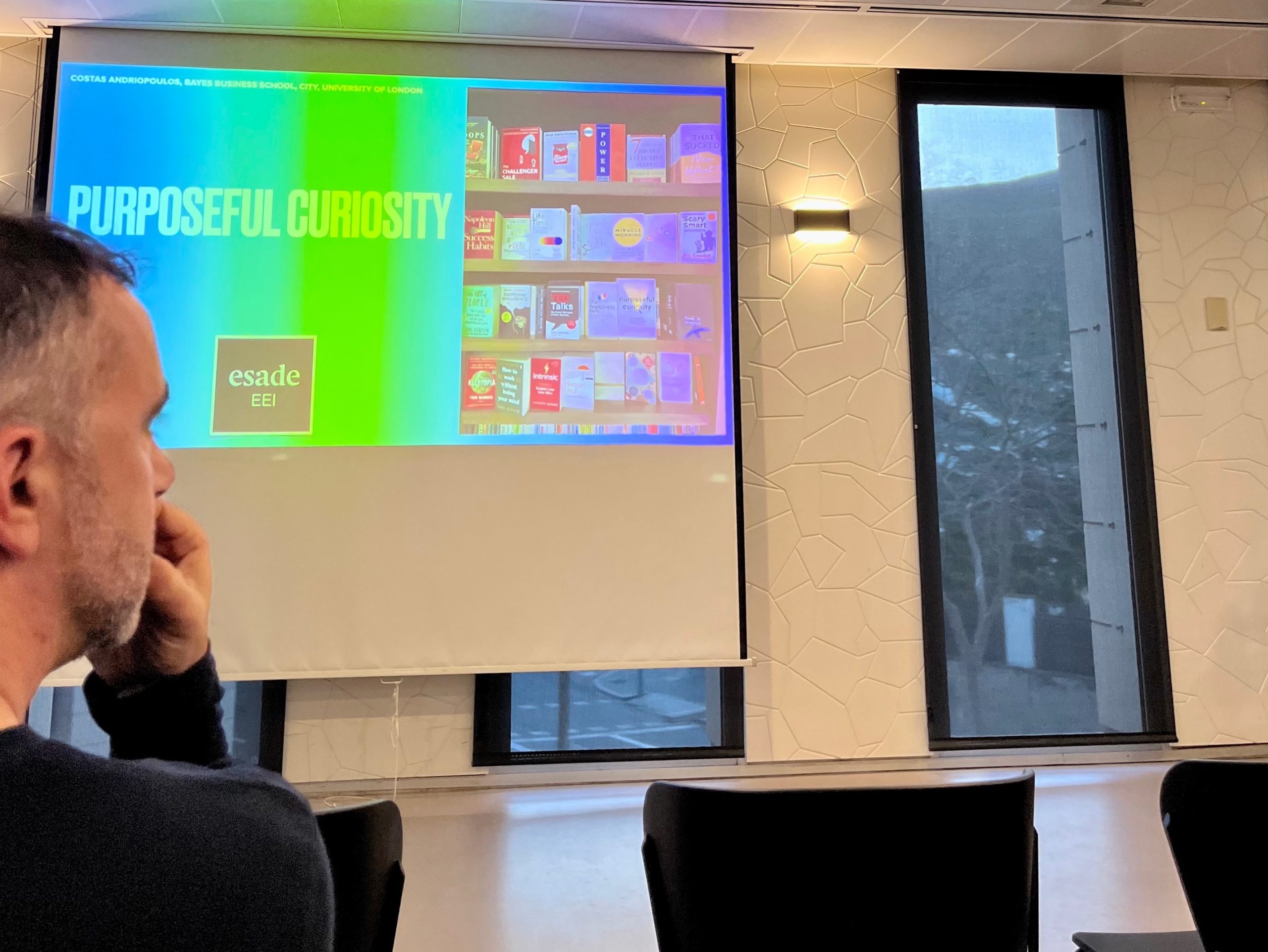
Masterclass on “Purposeful Curiosity” by Prof. Andropoulos

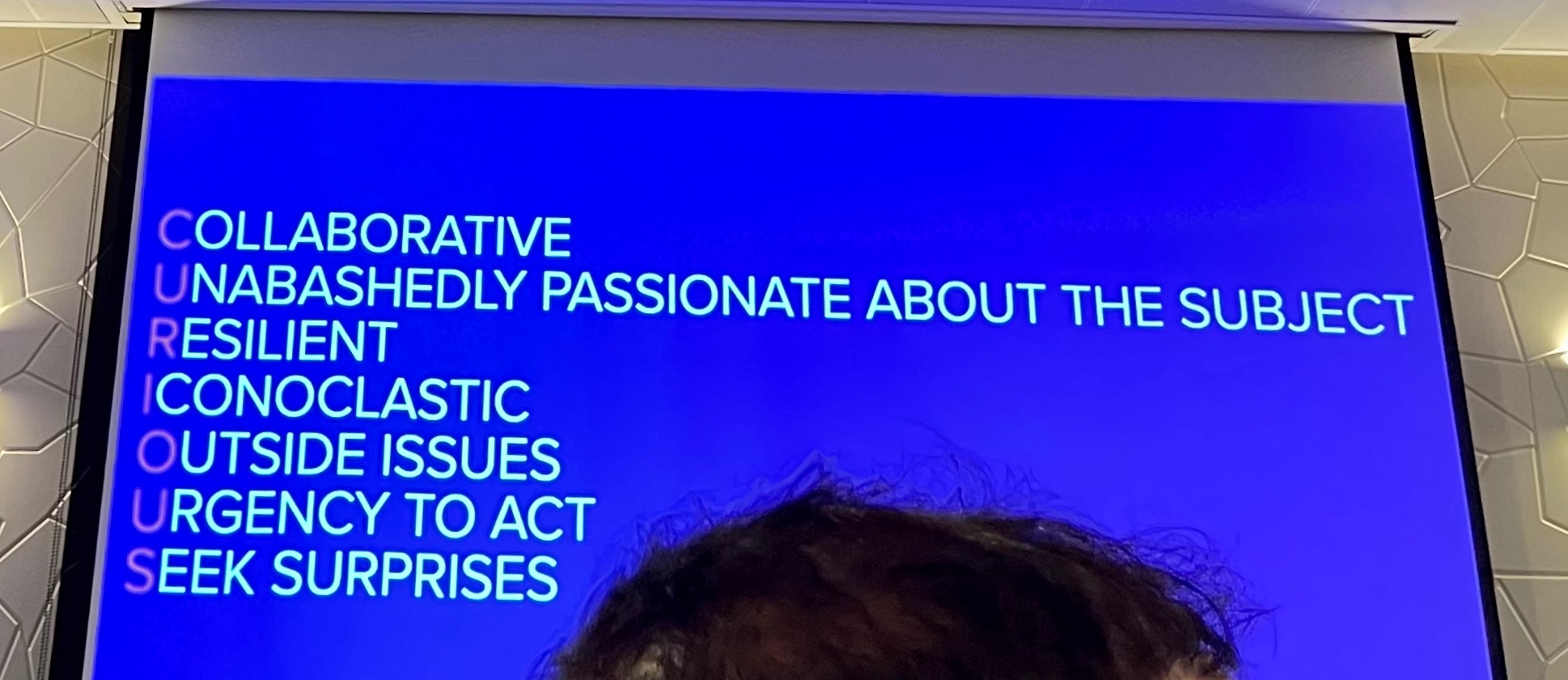
On March 9th, 2023, I attended a masterclass on “Purposeful Curiosity”, hosted by the ESADE business school in Barcelona and held by Professor Constantine Andropoulos. The theme of the event was curiosity and how best to manage this resource.

The picture was taken by Chiara Mariottini

In our daily lives, we are continuously overwhelmed by a huge load of data through social media, texts, e-mail, and streaming services that distract us from focusing on deeper understanding and knowledge. Nonetheless, when we take the time to refine our interests and skills, curiosity – if harnessed purposefully – can take us to unexpected places and provide us with new paths to fulfillment and success.

Professor Constantine Andropolous collected interview data from hyper-curious people – including Formula One engineers, scientists working to grow food on Mars, polar explorers, athletes, and star chefs, ending up being able to explain how the most capable people overcome the ‘noise’ of information overload and use the productive power of curiosity to discover, create and succeed.

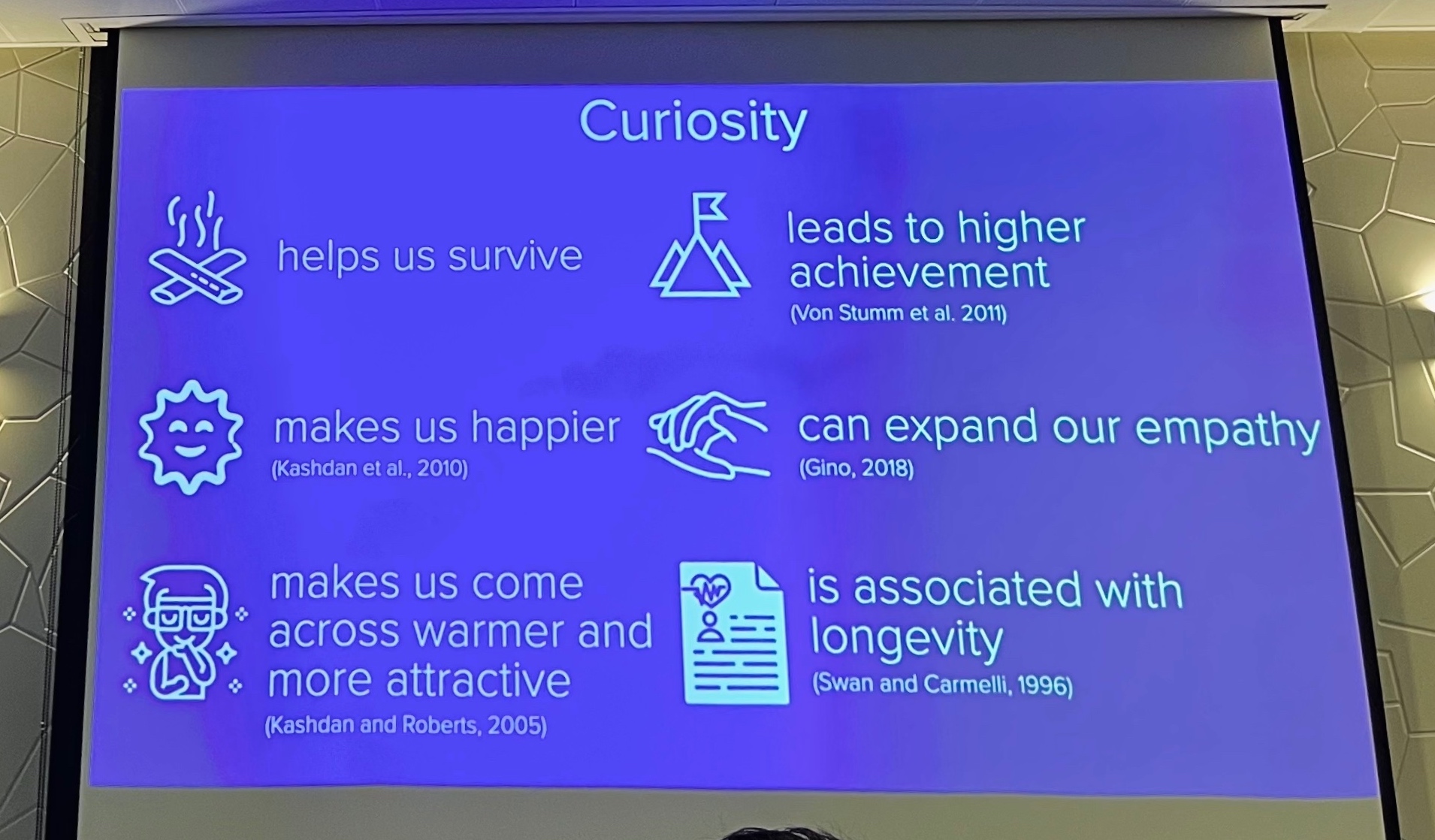
During the meeting, the professor introduced the concept of “frivolous curiosity”, distinguishing it from the idea of purposeful curiosity aimed at exploring specific topics. According to existing literature, curiosity helps us survive, leads to higher achievement (Von Stumm et al., 2011), makes us happier (Kashdan et al., 2010), can expand our empathy (Gino, 2018), makes us come across warmer and more attractive (Kashdan and Roberts, 2005) and is associated with longevity (Swan and Carmelli, 1996).

The picture was taken by Chiara Mariottini

A Q&A session then took place during the meeting, from which much food for thought emerged on how to invest our time in something that really interests us and how best to focus our attention on targeted interests that can really help us expand our knowledge and perspectives. This is particularly relevant in the research and PhD pathway, where we may encounter different inputs and stimuli. The challenge lies in identifying the topics that most interest us and then exploring them properly, hence purposeful curiosity can be a valuable support.

The picture was taken by Chiara Mariottini
Attending a Digital Ethnography summer school in Australia

Attending a Digital Ethnography summer school in Australia

During my current academic placement with RMIT in Melbourne, Australia I have the chance to network with colleagues from the School of Business, attend talks and seminars and collaborate with other departments and researchers from different fields!

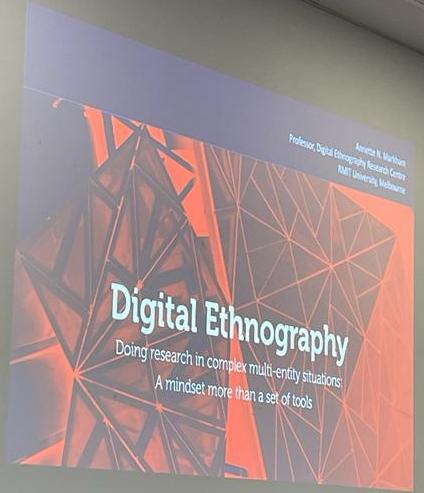
One example is the summer school led by the Digital Ethnography Research Centre (DERC) [https://digital-ethnography.com] here at RMIT Melbourne which I attended at the end of February. During the summer school Early Career Researchers (mostly PhDs) from all over the world got together to learn from Annette Markham and Larissa Hjorth about “Digital Ethnography Fieldwork and Analysis: Studying hybrid contexts of human+ non-human+ more-than-human entanglements.

What is Digital Ethnography?

Attending a Digital Ethnography summer school in Australia
Slide from the summer school (Source: picture taken by C. Leeb).

Digital ethnography encompasses a lot of things. In general, it means investigating how digital technology impacts humans and society by using ethnographic tools. For example, how people use and interact in the digital space (e.g., on social media platforms like Instagram or Twitter, online forums, games, etc.) and trying to understand how this impacts the end-user. Just like the EINST4INE researchers, digital ethnographers investigate digital transformation. They are taking a very human-centred approach to this and are interested in the lived experience and feelings of the people using digital tools. I was lucky enough to be able to participate in this summer school, and I can only say: What an amazing summer school and what a great fit to my research!


The Summer School

The summer school lasted a week, plus an extra day for PhDs to present their work.

We heard lectures on various topics, such as how to do ethical research or on important themes in fieldwork (e.g., immersion, continuous documentation, using “what’s at hand” to generate material). Further, a penal discussion of former PhD students doing Digital Ethnography gave us insights about the possibilities in this research area. We heard from Marissa Willcox (University of Amsterdam), Zöe Glatt (London School of Economics), Kelly Chan (RMIT University) and Jess Hardley (RMIT University). We also had workshops in which we did our first ethnographic fieldwork, we learned how to write field notes and how to use video and photos to document our experiences.

Halfway through the summer school, we did one day of fieldwork out in the public space. We were divided into 6 groups. Half of the groups observed the interactions inside the Australian Centre for the Moving Image (ACMI) and the other half on Federation Square in Melbourne. But – this was not all!

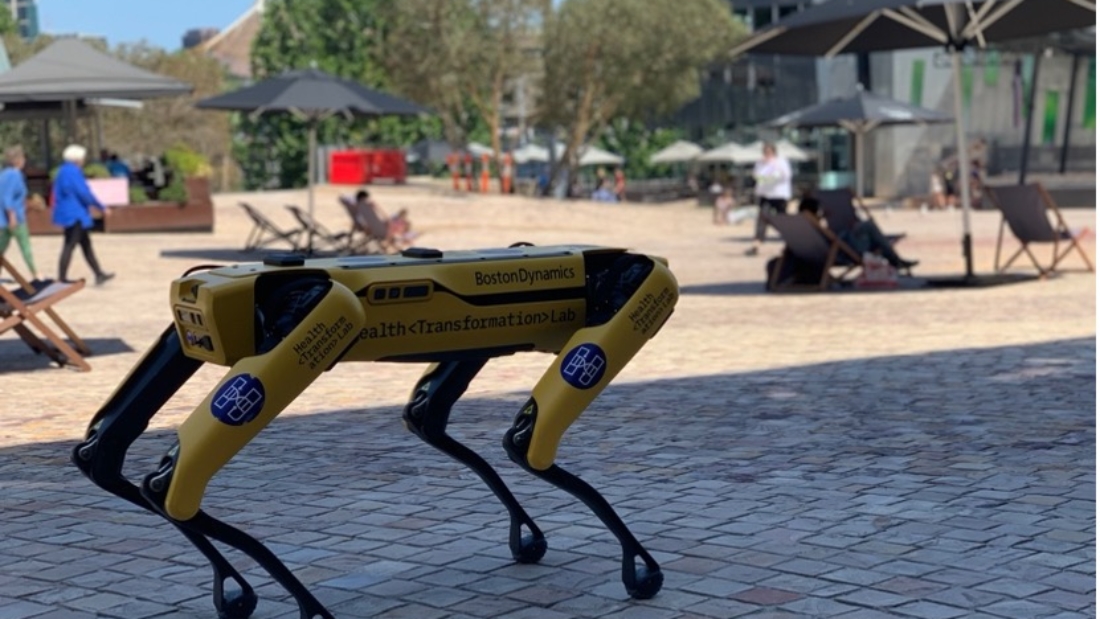
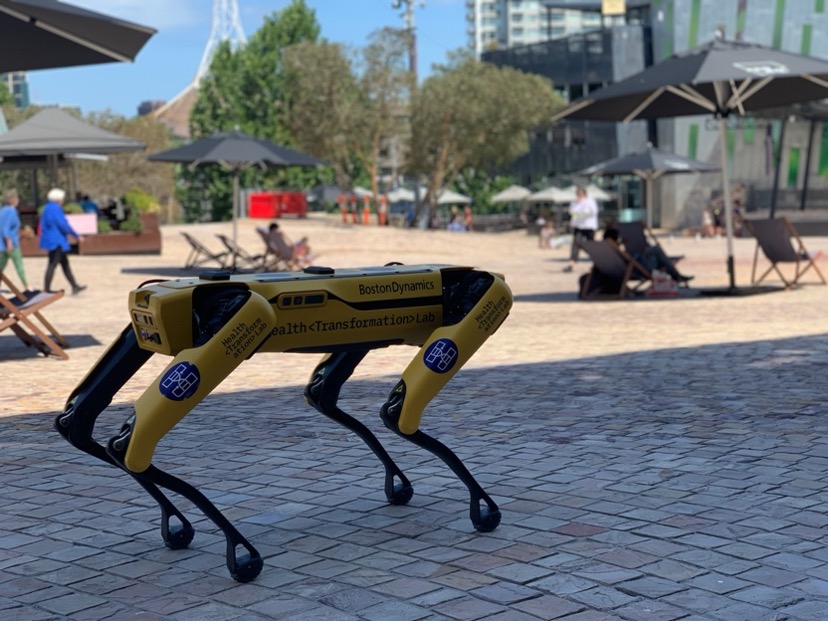
We actually observed something very specific, as we had another participant joining us: Boston Dynamic’s robot Spot!

Attending a Digital Ethnography summer school in Australia
Spot on Federation Square (Source: picture credits to Alison Starr).

The focus of our observation and field day was to see how people of the public react and interact with Spot. This day was very insightful and lots of fun!

After that, we started reflecting on our experiences as a group and heard lectures on some useful tools for the analytical processing of the data, namely on Situational Mapping and Critical Making techniques. Then, each group put together two presentations to share with the other participants: one on our initial reflections of the field day and one on initial findings from the first attempts of analysing some data.

Personal key take-aways

I will very shortly touch upon 3 key take-aways from this summer school:

  • Ethical considerations: Before, during, and after doing research.

It was great to discuss this central topic in research again: how important it is for a researcher to constantly reflect on ethical considerations.

Before the research this seems obvious to most: often simply because you need to obtain ethical approval to do your study. But it doesn’t end there, continuously throughout your data collection time – you need to be aware of your positionality (am I an outsider, an insider?), what effect your research or your presence in the field could have on others, and that you will always bring in subjectivity when entering a field. The more you reflect on these things, the better and the more you can ensure that your research will be ethical. Ethics is not simply an approval to obtain – it is there to support you to do the right thing. It helps you to reflect on possible issues that might arise and to plan ahead on how you will react to them.

  • Looking at the data in a group: Surprises can emerge.

During the analysis stage, we had access to the data we collected ourselves and the data from all other researchers. A key take-away for me here is that looking at data in a group can lead to many different insights and surprising themes! It enriches the analysis process greatly as every member brings a unique point of view into the discussion.

It was exciting to see all the interesting themes that emerged during the analysis process with my group. We talked about the agency of oneself and how we ascribe agency to others (e.g., Spot). While I wasn’t too surprised that participants seemed to struggle to categorize Spot (Is it a dog? A horse? A spider?), I was intrigued by the fact that most people really wanted to categorize it. They either asked a lot of questions or started treating it in a certain way (e.g., petting it etc). Other interesting topics that emerged were control (people started giving Spot commands) and embodiment (participants reflected on their feelings in a bodily sensation).

Attending a Digital Ethnography summer school in Australia
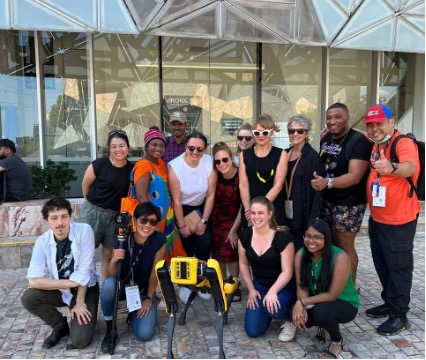
About half of the participants of the summer school + Spot at Federation Square. (Picture credits to Haryo Jiwandono).
  • Not just valuable learnings: Good company & good food.

The last key take-away is clearly that I learned a lot and enjoyed the summer school greatly. I met fascinating people from all (literally every continent except Antarctica was represented) over the world from various disciplines (architecture, urban studies, anthropology, design, journalism, organisational studies…). Actually – one of them, Kateryna Kryzhanivska, who is also a visiting PhD researcher at RMIT, and she is from LUT University, Business School! (which shows again that the world can be really small as well).
Who knows – maybe some of these connections will last and result in future collaborations!

Further, good food is a great plus in any event.

Attending a Digital Ethnography summer school in Australia
The desert at the Welcome Dinner provided by “Piecurious” run by Helen Addison-Smith (picture taken by Constanze Leeb).

All in all I can say:

It was intense, insightful and amazing – a week well spent!

Source: Midjourney / DALL-E 2 prompted by MIXED

What’s new in the VR and AR shelf?

Augmented reality and virtual reality have been advancing rapidly, with each new release bringing exciting developments to the table. As someone who’s been researching AR and VR for a while now, I can say that there are some benefits of working with such cool technologies. For one thing, it’s easy to try out the newest gear from top companies.

Researching headsets makes it possible to get your hands on cutting-edge technology without breaking the bank. Even better, resellers are often happy to bring the latest products directly to you, so you can try them out in the comfort of your own workspace. Recently, I had the opportunity to try out the latest VR headset from Meta, the Quest Pro, as well as the Magic Leap 2 AR headset from Magic Leap. Both probably represent the state of the art in the two different technologies of augmented and virtual reality. It was exciting to see how these technologies are advancing, even though they still present a few flaws that make them far from ready for the mass market.

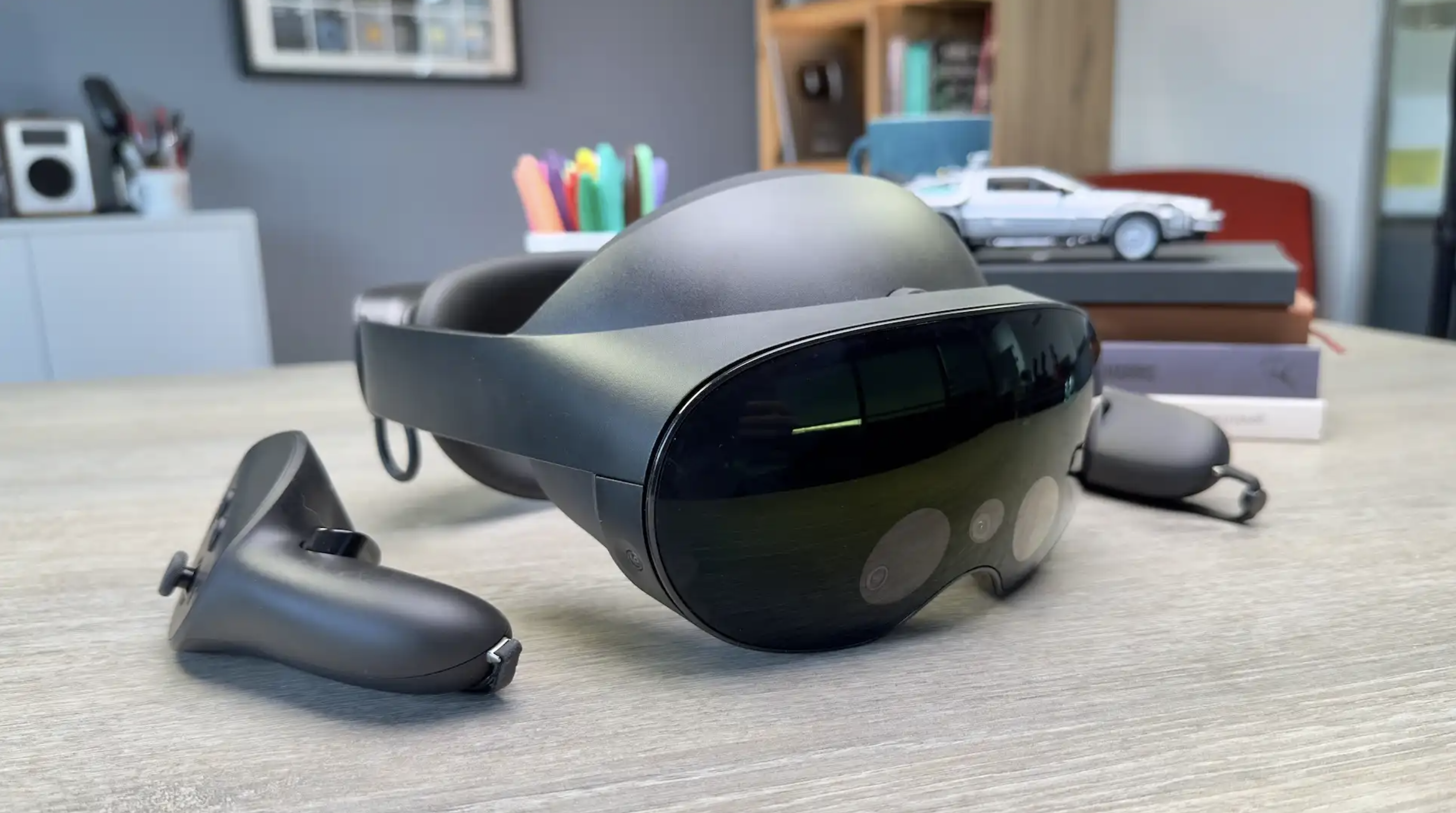
Meta Quest Pro from Meta. Source: Lewis Painter – Foundry.

Starting from virtual reality, one of the evident improvements of the Meta Quest Pro from its predecessor, the Quest 2, is its enhanced comfort. This is thanks to the battery pack being moved to the back of the head, the compact lenses pack developed by Meta, and the cushions and spacers that make the headset light to wear. While the resolution remains the same as the Quest 2, the Meta Quest Pro features better screen technology (QLED) and a (usually expected) increase in memory and storage. The new sensors, especially face and eye tracking, are incredibly interesting for remote collaboration applications and can really enhance the immersion of your peers in the so-called metaverse. The addition of RGB pass-through cameras is also a huge plus, as the previous model only had grayscale cameras.

However, there are a few drawbacks to be aware of. The pass-through video quality is still quite raw and doesn’t seem to be suitable for prolonged use in XR mode. It’s more useful for quickly checking the surroundings while developing. Another drawback is the battery duration, which doesn’t seem to last much more than a couple of hours during intense usage. Even keeping it plugged in, the battery doesn’t seem to charge fast enough to forget about its charging status. This can impede prolonged demo sessions and break the developing flow.

A final note about the recent price drop (~30%) of the model, whose reasons are unclear. On the one hand, it could be a strategic move to shake up the market, increase sales and gain market share. On the other hand, it could be an attempt to give away models before the release of the future one later this year. Whatever the reason, it’s clear that the VR market is incredibly competitive and moves at a rapid pace. For early adopters who paid the full price for the device, this drop might be frustrating. But for those looking for a deal, could be an excellent time to get a quality product at a lower price point.

Magic Leap 2 AR glasses. Source: Magic Leap.

Moving into augmented reality. The Magic Leap 2 it’s incredibly light and comfortable to wear. This is a huge plus for anyone who plans to use the device for extended periods of time, especially in a work-related context. But the most impressive feature of the Magic Leap 2 is its field of view. This has long been a bottleneck for AR devices, but the Magic Leap has managed to dramatically increase it. The device now covers all the space within the frame of the goggles, eliminating the “window effect” that previously made the AR experience less convincing. Additionally, the dimming function is a surprising feature that occludes the lenses with a black filter, making the device almost like a VR headset when activated. The dimming function has a ‘segmented dimming’ option which works only behind the virtual object visualized. It aims to remove transparency of the AR content, which is the second barrier to a perfect AR experience. While giving kudos to the company for the ground-breaking feature, it isn’t accurate enough to follow the object’s boundaries, resulting in a dark aura that isolates the object from the context. Finally, the image quality of the trial apps, in terms of resolution, texture, and lighting quality, was not as impressive as I expected in terms of realism. Despite this, the Magic Leap 2 is a big step ahead in the AR market and the newly introduced features look very promising.

From the comparison of the latest models, VR emerges as a more mature technology. AR is still in earlier stages of development, even though progressing very fast. The recent news that Apple has postponed indefinitely the launch of their AR headset is a testament to the difficulties inherent in creating convincing, high-quality, mass-market-ready AR glasses. This news shows two things: firstly, the fact that they postponed and not canceled means that it is still appealing and there are market applications to be seized. Secondly, it is evident that technological breakthroughs are still required to reach the level of readiness required for the mass market. It will be exciting to see what the future holds for both VR and AR.

The views and opinions expressed in this blog post are independent and purely personal from the author. The author has not received any funding or other incentives from the companies producing the products described in this post.