
476_1996_1-32_CCCR-Press Site

What Art can tell us about Digital Societies

What Art can tell us about Digital Societies

The representation of our society in cultural forms has fascinated me for a long time. Theatre, opera, dance, film, photography all have shaped my upbringing. It was during years of studying digital and creative media that I learnt more about the versatility of media and its representation of life and society at large—from a practical as well as theoretical lens.

First signs of art go back to the Stone ages. As put by Prof. Xiang Xiong Lin in this article in the Humanities, Arts and Society magazine, “Artistic cells are born within human blood. […] Art is the carrier of human culture, and culture is the platform of human civilization.“ Art holds a mirror to the time when it was created. As highlighted by the MET, “art from the past holds clues to life in the past. By looking at a work of art’s symbolism, colors, and materials, we can learn about the culture that produced it.” Equally, art from this century truly tells a lot about the times we live in today. How does technology change the perception about our identity? How does data drive objectivity and erase individuality? How do robots interact with humans?

I want to highlight here a few contemporary artworks that fascinated me in the past and may tell us, step by step, a little bit more about the era we call ourselves a part of or, at least, provide some thought provoking perspectives—on human civilisation in the digital era:

Exploratory Selfie or Selfiecity.Net, 2014, L.MANOVICH

© Lev Manovich

The presentation of the self. A topic that probably never experienced such a dramatic change like right now and within the digital age. Our self-representation is even so important since Instagram, and selfie-camera that Manovich decided to do an artwork on the topic “selfie”. The project is an interactive web app of 3200 Instagram selfies from different countries in the world (Bangkok, Berlin, Moscow, New York, and Sao Paulo). A software creates a certain visualisation of the photos. Via a computer that shows the web app the visitor can explore the dataset of selfies that is then projected onto the wall infront of the visitor. With other artists and specialists, Manovich wants to discuss the construction of self-representation in the digital age. He started analyzing the selfies with a special software, and visualizes the received data. The portraiture of a single person changes through history – from the art of painting, to the photography, to the selfie. The way the self is portrait changes with its society. The project of Manovich even argues if the selfie can be seen as a new sub-genre of photography.

“Selfie is not only a photographic image that we recognize as a self-portrait and which bears a formal resemblance to numerous canonical photographic self-portraits from the nineteenth and twentieth centuries. Instead, selfie is a product of a networked camera. […] While focusing on Instagram, one of several available platforms of online image-sharing, Selfiecity comments on the social media in general. The project views social media as a vehicle of voluntary interpersonal communication, and discusses the visual component of such communication.” (Tifentale and Manovich, 2015)

Face Cages, 2013-2015, Z.BLAS

© Zach Blas

Face Cages is an artwork that is critizising the biometric industry. Its measuring in an objective way is creating a cage. There is either 1 or 0. If you are too extraordinary for the system what are you then? Do you have to worry if your smile is not detected as a smile – by a software? The face cages are inflexible metal constructions for the face that look like a biometrical measurement of the facial factors. These biometric systems are a generalization of the human individuum that create stereotypes. The result is either discrimination, racism, sexism, transphobia or even homophobia. The discomfort the cages entail, dramatizes the discrepancy of the interaction of biometric norms and the individual person.

“Blas fabricated face masks that resemble iron muzzles based on the shape of biometric diagrams, evoking resonances with prison bars, the Scold’s Bridle, and torture devices used during slavery in the U.S. and in the Medieval period in Europe.”; “The different machinations of faciality […]—as a singular, unique, personal and identifiable security-check, as the imposition of a political norm, as collective empowerment, as a plural, multi-form, malleable and amendable canvas, as a means to play with identity, similarity and difference, and as a source of data extraction—indicate that supra-individual cultural narratives and concerns about policing and governance are braided around the algorithmic capture of the face.” (de Vries, 2020)


Drawings by Robot Paul, about 2013, P.TRESSET

© Patrick Tresset, Galleries West

After Tresset lost his passion for his hand drawn paintings he started building robots and he named them Paul. Paul is a robotic arm mounted on a table. Paul uses computer vision to recognize faces he then starts drawing on a paper in about 30 minutes. Through Paul, a robot becomes human. Art used to be made by human kind – what changes now, that even robots know how to draw a portrait? The boarders merge. But what stays is the fascination of only one human-like robotic arm that has the ability to identify a human face and to draw it.

“Paul is a naive drawer: it does not have highlevel knowledge of the structures constitutive of the human face (such as the mouth, nose, eyes) nor the capability of learning expertise based on experience as a human would. However, Paul is able to draw using the equivalent of an artist’s stylistic signature based on a number of processes mimicking drawing skills and technique, which together form a drawing cycle. […] Although the individual algorithms driving Paul are relatively simple and not particularly novel, the way in which they are combined is of interest as the drawings Paul produces are considered by professionals as being of artistic value, which is unusual for computer-generated figurative portraits” (Tresset and Leymarie, 2013)


Hysterical Machines, 2006, B.VORN

© Bill Vorn

Vorn creates a huge impressive installation with up to eleven dysfunctional machines hanging from the ceiling of the room. Each machine has eight arms made of aluminium reaching out from a spherical body. The machine works like a nervous system made of motor-, sensing-, and a controlling-system. This allows the machine to detect the visitors and react to them. The Hysterical Machines serve to exemplify the paradoxal nature of artificial intelligence. They provoke the visitor’s empathy as they are reacting to their appearance.

In addition to physically interacting with the audience, Hysterical Machines also initiate or establish an emotional relationship with the audience. Their hybrid status, combining the properties of living organisms (their behavior) and technical machinery (their appearance) causes viewers to re-act with a similarly structured ambiguity and ambivalence, in which affective emotions combine with cognitive interest and empathy mixes with primal anxiety and technophobia.” (Kluszczyński 2018)


What artworks do you find most remarkable for our digital lives?

To me, art still represents much about us, our past, our present, and makes us think about our future. To close, I choose the words of a popart legend:

“You need to let the little things that would ordinarily bore you suddenly thrill you.”  – Andy Warhol
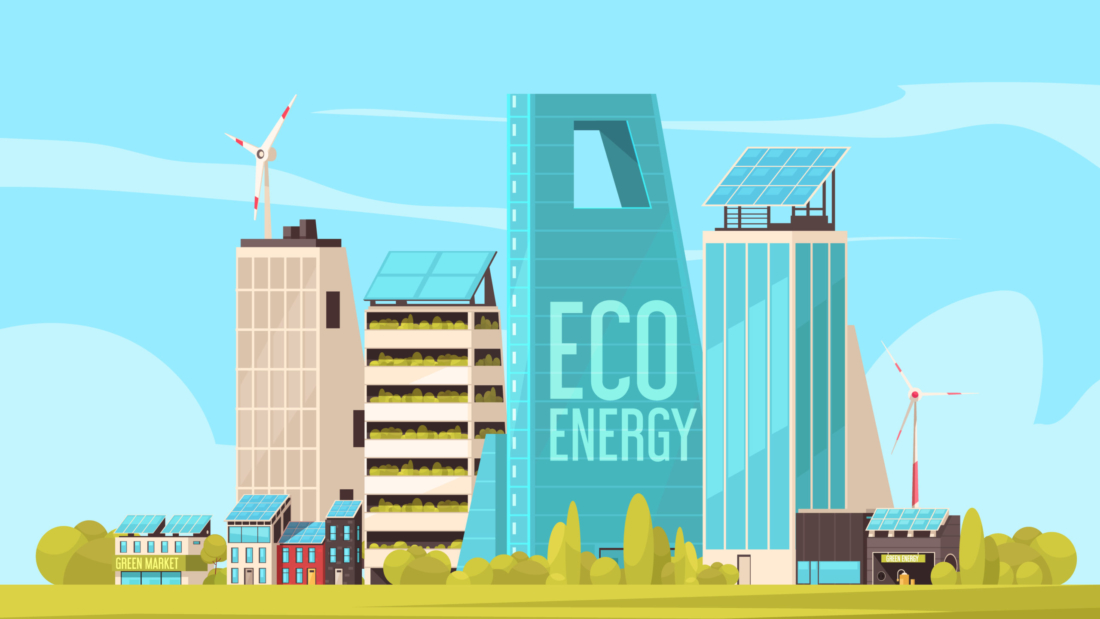
Image by Macrovector on Freepik

The energy transition and the NIMBY syndrome

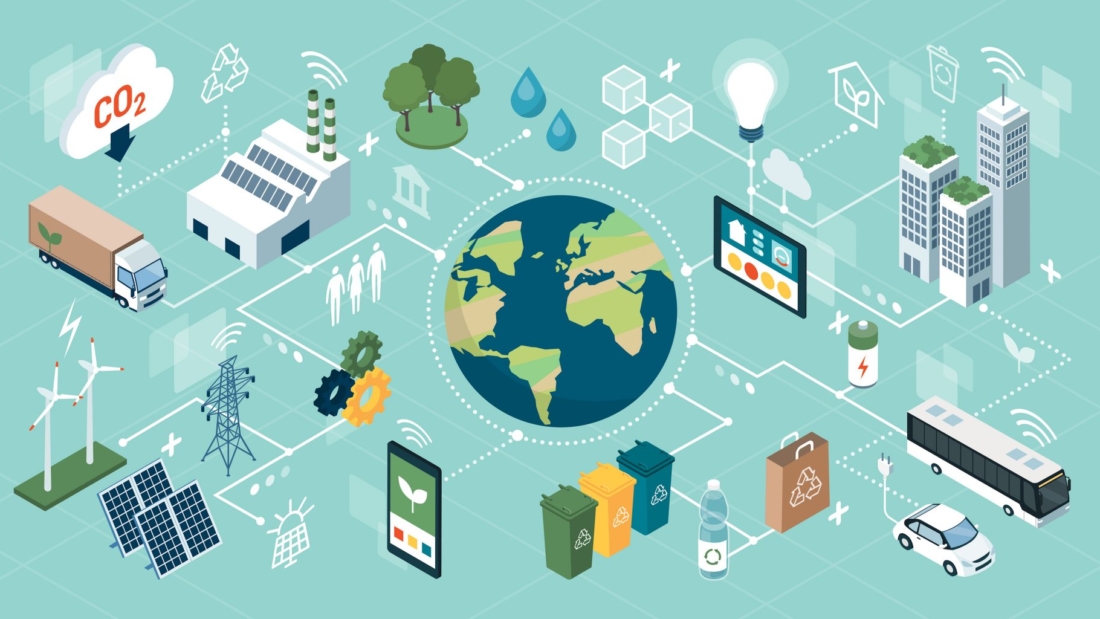
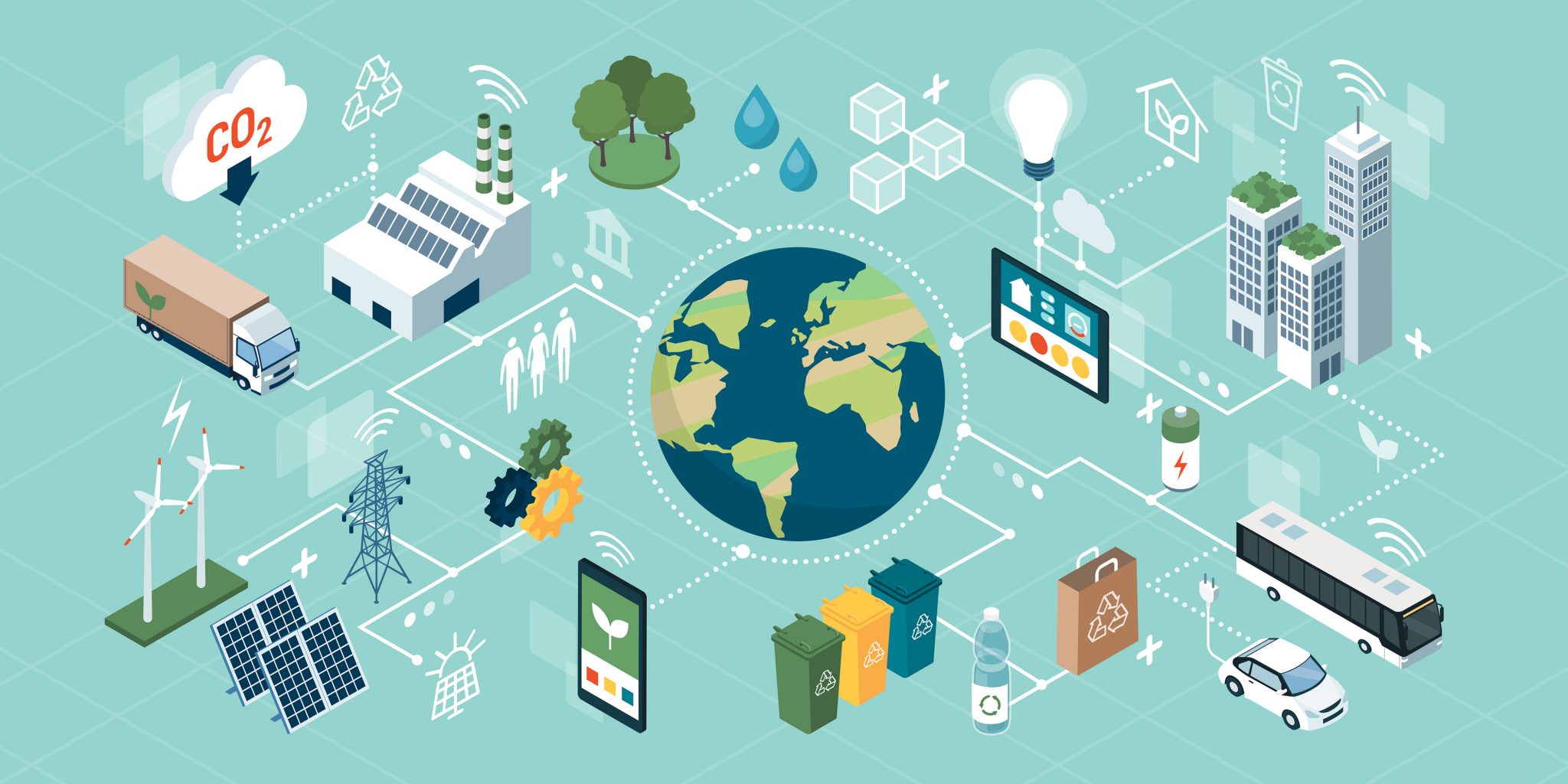
The global energy transition towards renewable and sustainable resources has been nudged by institutions such as the UN setting universal standards for social and environmental welfare, and external shocks have questioned the current standards of operation. As they show a pressing necessity to (not only) address issues like climate change, several clusters of organizations, and institutions have started to come together to tackle this challenge.

By “transforming the environmental crisis from a problem into an opportunity” (Fabrizio Di Amato, CEO of Maire Tecnimont during a talk about Leadership at LUISS in Rome), various industries have developed promising solutions like the production of green hydrogen and more.
However, some of these technologies remain costly, and more solutions are needed at a faster pace. The EU has financed and granted several European initiatives like the introduction of hydrogen valleys. Recently, the Important Projects of Common European Interests (IPCEI) (a European Union framework that supports large-scale, transnational projects in strategic industries, like the energy infrastructure) has granted NextChem, an Italian leader in energy transition technologies, and a subsidiary of the Maire Group, 194 € million, as part of the “IPCEI Hy2USE” EU project, for the development of one of the first Waste to Hydrogen plant in the world. The goal of the project is to set up the first industrial-scale technology hub for the development of the entire national hydrogen supply chain.
Projects which include plants like these use specific technologies to transform waste into hydrogen and/or other industrial products and represent a promising solution to address both waste management and energy transition challenges. By converting waste into valuable products, different transformational processes can be applied, and all this, by reducing greenhouse gas emissions, minimizing landfill use, and contributing to renewable energy production.

However, as with other infrastructure projects, like the infamous project of subway building in the Netherlands, they can often be met with community resistance. Concerns about potential impacts on health, the environment, property values, and aesthetics can lead to delays in project approvals, increased costs, and even project cancelations. Coined as the NIMBY syndrome (Not In My Back Yard), communities are often rooting for innovative solutions, as long as they are not close to them.

So, what can be done?

When planning the construction of a plant, the use of digital technologies can limit the environmental impact of the design and experimentation (for example through 3D mappings, like digital twins). But the actual construction of such projects needs strong incentives to attract stakeholders.

Even though this list is not extensive, there are several ways in which companies are adopting a proactive strategy to get various people and institutions on board:

  1. Engaging and including them early on in the decision-making process by maintaining open and transparent communication throughout the implementation and activity of the project.
  2. By collaborating with research institutions and other leaders in the field, projects can gain increasing legitimacy, for instance through grants and scientific outputs.
  3. Collaboration with local organizations and communities: while research centers and higher institutions advocate for the technology itself and the benefit it provides at a broader level, partnering with local organizations like NGOs and community leaders can help gain insights into community concerns and use their networks to facilitate communication.

While these are just general comments that I have been able to observe throughout my research, the energy sector remains a highly debated sector, undergoing major changes. Thus, there is a lot more to it than communication and engagement, and preparing the field to build an ecosystem infrastructure around a green transition can be very complex. With the most promising efforts, projects can still fail. Factual information may provide the technical arguments that speak for the plant, but effective stakeholder engagement fosters trust, cooperation, and shared value among different participants and could help create a supportive environment for problem-solving and innovation.


robot-g78f84ae61_1920

Robots, Drones, and Robo-Dogs, Oh My! A Journey Through the World of Robotics

“The best way to predict the future is to invent it.” – Alan Kay

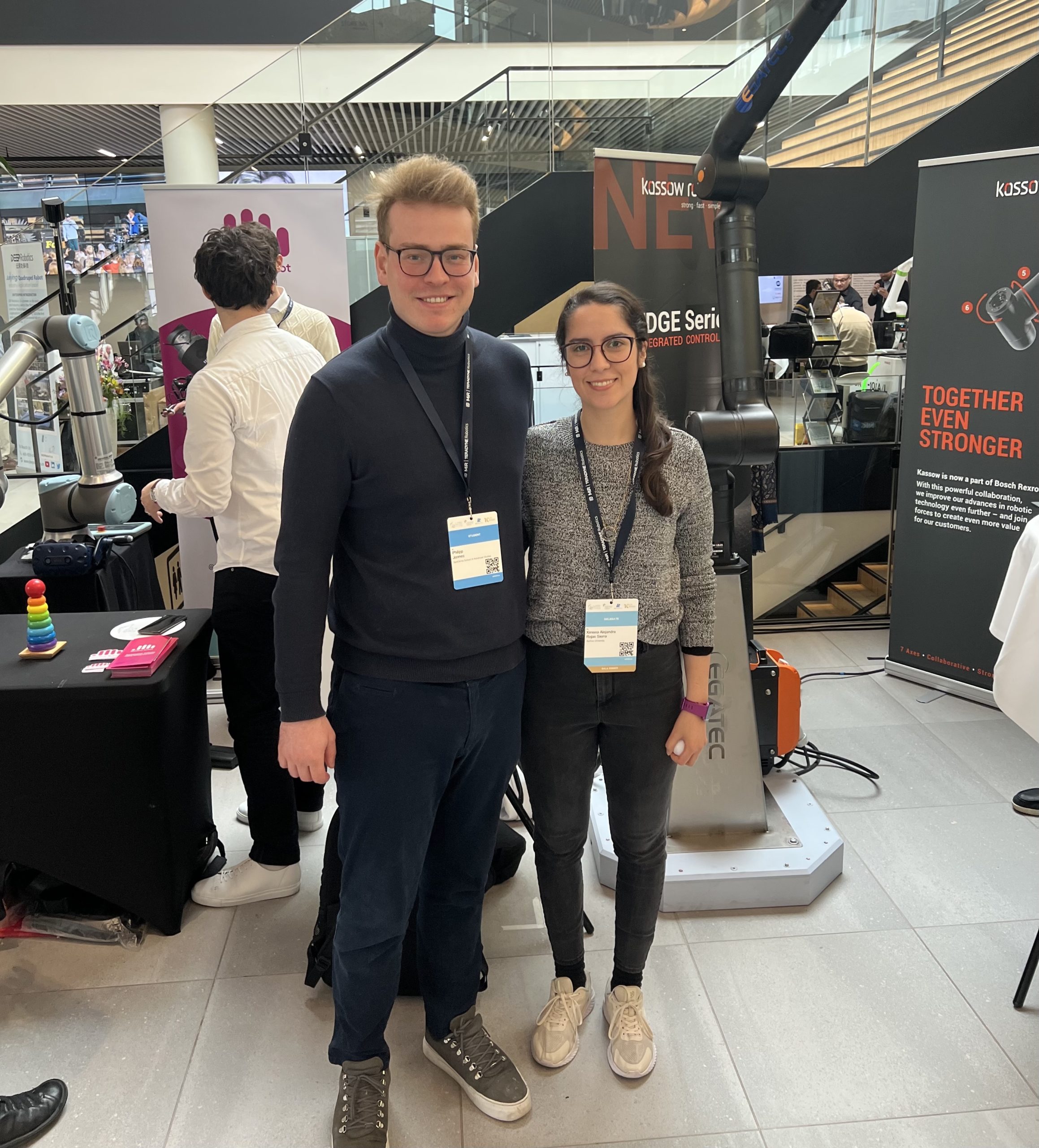
Hello everyone! I’m happy to share some experiences that I’ve made during the last month. Recently, I had the incredible opportunity to accomplish my academic secondment at Aarhus University in Denmark and attend the European Robotics Forum in Odense with my EINST4INE colleague Alejandra Rojas.

ERF23

The European Robotics Forum (ERF) is an annual event that brings together experts in robotics from industry, academia, and government to discuss the latest developments in the field and explore potential collaborations. The forum is organized by the European Robotics Association (ERA) and typically features keynote speeches, technical sessions, panel discussions, and exhibitions showcasing the latest robotics technologies and applications.

The ERF serves as a platform for researchers, engineers, and entrepreneurs to exchange ideas and knowledge on a wide range of topics related to robotics, including industrial automation, healthcare robotics, service robotics, and artificial intelligence. It is also a forum for policy makers and industry leaders to discuss the challenges and opportunities presented by the rapidly evolving field of robotics, such as ethical and legal considerations, workforce training, and investment strategies. Even Crown Prince Frederick, His Royal Highness of Denmark, attended the event this year!

ERF with EINST4INE colleague Alejandra Rojas
ERF23 with EINST4INE colleague Alejandra Rojas. Source: own photo.

As a visiting researcher, I was thrilled to be able to connect with so many people who are passionate about robotics and human-robot interaction. I was able to learn about the latest developments in this field. I was particularly interested in discussions surrounding collaborative robots, which are designed to work alongside humans in manufacturing and other industries. During the forum, I had the pleasure of engaging with some brilliant minds, from both the academic and practitioner side. Their contributions to the discussions were invaluable, and I learned a lot from them.

Exploring the Fascinating World of Robotics

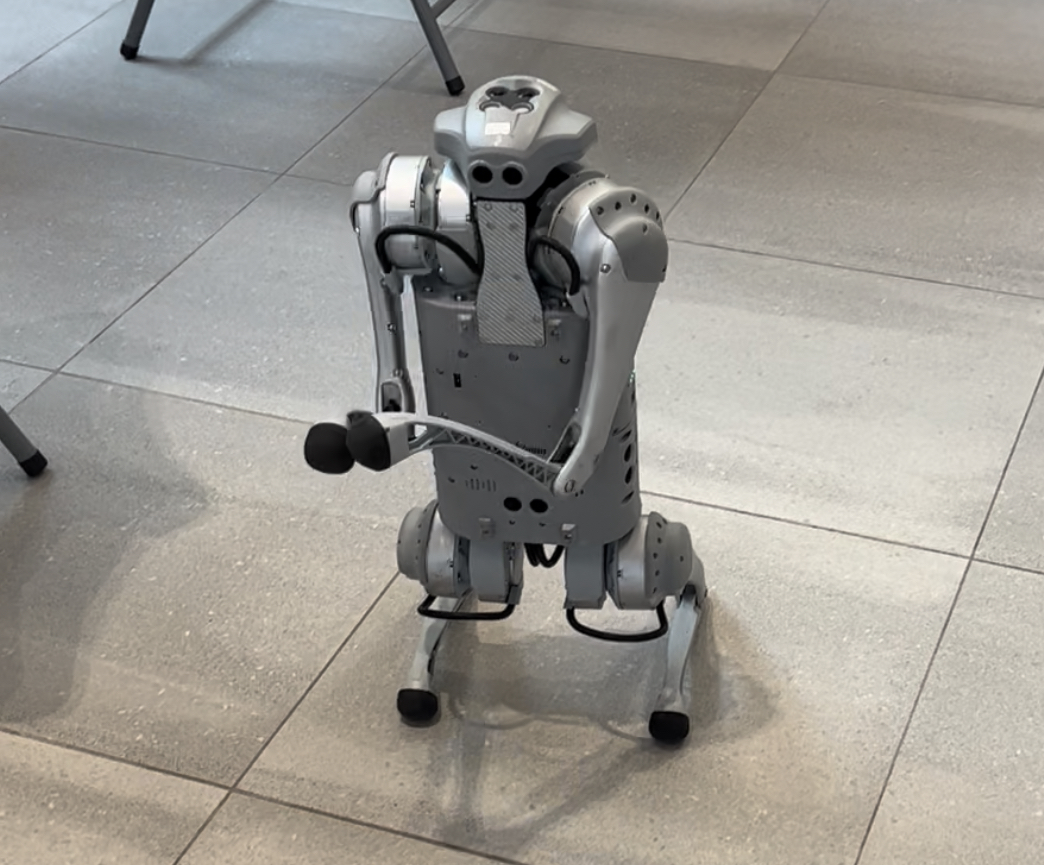
In addition to my research on collaborative robots, I’m also fascinated by other robotic technologies such as drones and robotic dogs. These technologies are shaping our world in profound ways, and I believe they have enormous potential to improve our lives. For example, drones have the ability to conduct aerial surveys, deliver packages, and even help with search and rescue missions. Robotic dogs, on the other hand, can be used in a wide range of applications, from military and law enforcement to assisting people with disabilities. I find the intersection between these technologies and human needs to be particularly interesting, as it challenges us to think about how we can design and use robots in ways that are safe, ethical, and beneficial for society as a whole.

Robotic Dog ERF23
Robotic Dog ERF23. Source: own photo.


The Journey Goes On

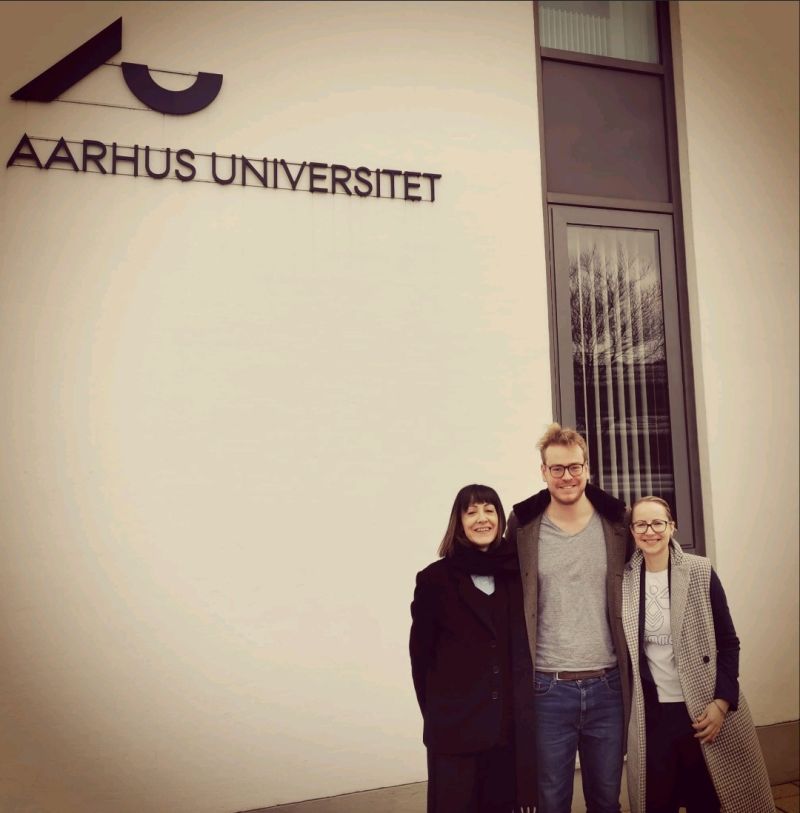
Aside from the forum, I also spent time at Aarhus University, where I was conducting interviews with SMEs located around Denmark. These interviews are an important part of my research, as I’m studying the implementation of social and collaborative robots in organizations. By understanding the effects of cobots on an individual and firm-level, I hope to achieve a clearer understanding of cobot implementation processes, organizational opportunities and challenges.


Visit at AU with Agnieszka Radziwon and Cristina Marullo
Visit at AU with Agnieszka Radziwon and Cristina Marullo. Source: own photo.

Overall, my trip to Denmark was an amazing experience, and I’m so grateful for the opportunity to connect with so many brilliant minds in the robotics field. I’m excited to continue my research and see what developments the future holds for human-machine interaction models. I am also looking forward to the next EINST4INE Summer school and see my ESR friends in person again. Thanks for reading!


thisisengineering-raeng-Bg0Geue-cY8-unsplash

Digital industrial platforms

During my PhD studies in the third semester, I had the opportunity to assist and teach some classes about the digital economy and specifically about digital platforms and ecosystems. While I hope that the students learnt as much as I did, I became highly interested in one topic:

Digital Industrial Platforms

Before diving into what digital industrial platforms are, it seems useful to define what digital platforms are:
Dating back to the nineties with the onset of the Internet and the increased communication and creation of online communities, native digital platforms such as eBay started to emerge, facilitating online commerce. Later, Amazon and Google made the most of the power of the network to become what they are today.

Nowadays, as technology continues to advance and pierces through new industry boundaries, new types of platforms have emerged. Industry 4.0 and the Internet of Things have led to the emergence of digital industrial platforms which allow firms to connect and collect data from industrial machinery and their environment in order to co-create new solutions and services.

GE’s Predix is one example of a digital industrial platform.

Check out GE’s “Predix” platform:

But, unlike commercial platforms, digital industrial platforms serve as both innovation and transaction platforms. They collect and analyze data from different industrial assets and make this information available to third-party companies so that they can create complementary products and services. Many of these platforms also act as a marketplace where they sell these solutions to industrial customers.

Another difference between B2C and B2B platforms relates to the way they are “built”. The rules that apply in the B2B sector may not apply to the B2C, as network effects are not as prevalent in the manufacturing industry due to the more complex nature of industrial products and the relationships between the third-party developers as well as the customers and the sellers.

What we can say, is that all digital platforms have a technological basis. Industrial platforms are an interesting case as they converge different types of machinery, digital, enabling, and general-purpose technologies. A recent paper by Jovanovic et al. (2022) assessing the creation of different industrial platforms illustrates the evolution of the connection between these technologies:

  • Most platforms start with collecting data about each machine or product through the installation of sensors. With this, companies gain a better understanding of their machinery and the connected processes.
  • Through analytics, the use of “advanced” sensors can give more information about the performance and weaknesses of the machines. With this, they are able to gather huge amounts of data that they store in a cloud (e.g. Microsoft Azure, AWS, etc.). This helps companies to proactively discover anomalies, and react before a problem arises.
  • Finally, AI technologies can help assess the technicalities and data generated by machines and their surroundings. Most importantly AI technologies contribute to the autonomy of the system, like the GE Predix platform, where trains can accelerate and decelerate depending on if you’re driving up a hill or down a hill.

So, even though most scholars have agreed that technology can drive the growth of ecosystems, we still don’t know much about the interaction of these technologies and how they are connected to the formation and expansion of ecosystems. .. So stay tuned while we find out!


References:

Jovanovic, M., Sjödin, D., & Parida, V. (2022). Co-evolution of platform architecture, platform services, and platform governance: Expanding the platform value of industrial digital platforms. Technovation118, 102218. https://doi.org/10.1016/j.technovation.2020.102218

Extended Reality

XR – Extended Reality

Immersive experiences are constructed by merging the physical and virtual worlds. Among the technologies that are gaining more popularity are Virtual Reality (VR), Augmented Reality (AR), and Mixed Reality (MR). Recently interest in Extended Reality (XR) has grown rapidly.

Current developments in technology have led to the extension of the terminology used to describe the merging of the physical or real world with a virtual world. All mentioned terms refer to a combination of virtual and physical worlds using various digital media to create new, blended spaces. In recent years, we have heard and read a lot about Virtual Reality and Augmented Reality.

Virtual Reality (VR) is like a new reality that is created. It is a simulation of an environment or a three-dimensional image. People can interact with that virtual environment by using equipment such as headsets, helmets, glasses, or gloves. Increasingly such equipment comes with more sophisticated sensors, enabling more refined experiences. A headset allows the user to be immersed in the VR experience; the user can see a virtual world delivered by computer-simulated images and sounds.

Augmented Reality (AR) is often described as the merging of our normal reality with computer-generated digital graphics. Unlike virtual reality, users do not experience being in a virtual world, but they see the real world with an additional digital layer. Often used by enabling the camera of handheld devices such as mobile phones or tablet computers, AR allows a new kind of display which is usually portable.

Picture: Freepik.com 

Mixed Reality (MR) combines the features of VR and AR. A more recent term, mixed reality is often used in a similar way as augmented reality. MR is used to create three-dimensional images of realistic objects or complex environments where real and virtual worlds are blended. The interaction of digital and physical elements in real-time constructs a new space. MR is defined as a “continuum between the real and the virtual environments” [1].

In addition to the combination of real-world overlaid with a virtual layer as provided by AR, digital environments for mixed reality can use not only portable devices but physical environmental elements such as rooms or buildings. The fact that both sellers and users or buyers can interact with these objects or environments makes MR attractive for application in business. Sellers can provide immersive experiences with MR that help demonstrate how a product will look in a certain space. For instance, fitting furniture into a client´s home or demonstrating how a building looks and how it will fit into an area or neighborhood are useful features for marketing and sales. Other examples include head-up displays as used in the automotive industry. Using MR, clients can interact with the object and experience it in a new way.

Picture: Freepik.com

So, VR constructs a new reality, AR consists of the physical world that is overlaid with a digital layer, and MR allows new experiences through interaction with an object or a product… what about Extended Reality?

Extended Reality (XR)

Extended Reality or XR is a relatively new expression. It is an emerging umbrella term that includes Virtual Reality (VR), Augmented Reality (AR), and Mixed Reality (MR). The full spectrum of real and virtual environments is covered by XR. [2] It refers to computer-generated environments. By overlaying a virtual layer over the physical reality, XR creates entirely immersive user experiences using computer-generated images and sensors.

In 2019, many stakeholders of XR product companies predicted that XR will become mainstream in the next five years. [3] Industry use cases are predicted to be mainly in the medical and manufacturing industries for business XR, whereas consumer XR will be mainly focused on media and entertainment, movies, television, and the gaming industry.

In education augmented and virtual reality technology offers new training opportunities that cannot be found in traditional classroom settings. XR will allow educators to explore new educational territory. Furthermore, XR helps facilitate new experiences for students, such as observing certain topics at different points in time throughout history or exploring distant places on earth with virtual visits. Students exposed to XR are enabled to experiment and engage in new ways. They may not only learn better but could also improve crucial skills like problem-solving or other abilities that are useful in daily life.

Multisensory Extended Reality is often used together with the term extended reality. In addition to the visual and the auditory senses, which have been mainly highlighted by VR and AR, it refers to immersion into a new reality through additional senses. The human senses are extended with sensory-enabling XR technology. These include the haptic sense, enabling the touch of objects with gloves, the sense of taste, simulated with an electronic tongue, and the sense of smell, simulated through an electronic nose or diffuser technology. [4]

Picture: Freepik.com

Which reality?

The possibilities offered by XR technology are seemingly endless. Businesses have begun to leverage this cutting-edge technology for a variety of purposes such as entertainment, education, or remote tours for remote visits to museums or tourist attractions. Marketing, real estate, the medical industry, media, and entertainment were the first to adopt it, but many more will follow soon. In 2022, the worldwide market for extended reality was valued at $38.3 billion. Predictions for 2030 see the market rise up to $394.8 billion. [5] The European XR industry is fragmented and less well-known than its competitors in Asia or the US. [6]

Industry has discovered what XR technology can do for them and has developed innovative ways to make use of these advanced technologies. As AR and VR are increasingly adopted, a rapidly growing list of sectors invests in the development of new applications.

New technologies are likely to continue the creation of additional new realities. People are given more control over how they interact with their physical or digital environment. Use cases for XR are seen in almost every industry. As potential applications for XR may go far beyond the sectors mentioned, XR is foreseen to revolutionize every industry in the near future.

References

[1] https://xr4all.eu/xr/

[2] XR4ALL is an initiative by the European Commission to strengthen the European XR industry. For more information see https://xr4all.eu/xr/

[3] https://www.visualcapitalist.com/extended-reality-xr/

[4] Santoso, H. B., Wang, J. C., & Windasari, N. A. (2022). Impact of multisensory extended reality on tourism experience journey. Journal of Hospitality and Tourism Technology.

[5] https://www.psmarketresearch.com/market-analysis/extended-reality-xr-market-insights

[6] https://xr4all.eu/about/

What ecosystems are not and related challenges...

What ecosystems are not and related challenges…

As the four main pillars that constitute my research topic at EINST4INE relate to ecosystem research, digital transformation, environmental sustainability, and Open Innovation, I would like to tell you a little about what I have learned in the intersection between technology and ecosystems. While some of my fellow EINST4INERs have similar research interests in ecosystem research, I hope to complement their thoughts on what ecosystems actually are and how they form.

Many paradigms nowadays emphasize the need for companies to adopt novel and disruptive technologies to stay afloat. Through such paradigms, like Open Innovation, business executives in today’s digital age have access to hundreds of new technologies that may revolutionize their operations and the quality of service they provide to customers, as collaborations and other types of connections enable companies to leverage the force of digital technologies, without having to create them in-house.
However, adopting cutting-edge technology isn’t enough to achieve these objectives; companies also need to know how to put such tools to good use for their operations and their consumers. This requires resources like time, funds, and expertise, which may be in short supply.

As such, how can businesses use the benefits of cutting-edge innovation and speed up the delivery of value to their customers?
Curating ecosystems is one solution: businesses should collaborate with one another, aligning talents and pool resources to develop ground-breaking new goods and services and shorten the time it takes to get them to market. And this is precisely what many businesses are doing.

As Gianlorenzo has given an overview of the different types of existing ecosystems, I felt the need to set the prerequisite of what ecosystems are not (based on Adner, 2017):

  • Business models based on ecosystems are not the same as supply chains. Tiers of suppliers in a supply chain feed into an ultimate point of value creation, but the suppliers themselves are neither part of the brand promise nor material to the value generated, although top suppliers may be quite important.
  • Then, platforms per se, are not ecosystems. While every platform has an ecosystem and is often the keystone actor (an ecosystem actor with a strong influence despite being relatively few in number. The term comes from the biological term of keystone species), there is a narrow focus on technology and transactions. Indeed, while platforms are concerned with interface governance, ecosystems are concerned with structures of interdependence.
  • Older terms and arrangements like Networks and Alliances have a similar connection as in ecosystems, however, these mostly focus on patterns of connectivity. In this sense, for Networks and Alliances, the focus lies more on actor ties rather than the value proposition, and just like for platforms, there is not enough focus on the structure of interdependence.
  • Open Innovation (OI) has also been related to ecosystem research. One could argue that OI provides a rather micro-perspective, taking into account the firm strategies. However, ecosystem literature applies a rather macro-vision, which helps us gain insights into the multilateral coordination between ecosystem partners in their quest to align their strategies to provide value.

Adner (2017) finds other similar structures which can be distinguished from ecosystems.

But, if we take a glance around, we can see that businesses of all stripes are attempting to implement ecosystem business models and, in many instances, even orchestrating their own ecosystems in an effort to generate profits. In Jessica’s post, ecosystem orchestration is defined as “hub players” taking the lead, where she clearly defined what an orchestrator is.
Of course, for companies, occupying the orchestrator or “hub actor” position can be beneficial for several reasons such as having a more centralized knowledge about the ecosystem, compared to other actors. However, orchestration is not necessarily easy:
The present academic literature tends to focus on successful long-standing ecosystems, which greatly looks at the organizational capabilities of firms, related to the success of their overall ecosystem. However, some scholars have extended this notion to the capabilities of the environment in which an orchestrator thrives, meaning that the success of the hub actor and the ecosystem depend on the architecture of the network, and how the network interacts with its environment.
From this, two streams of literature have emerged:
First, we can consider intentionally created ecosystems, departing from the definition of the overall value proposition that the ecosystem is supposed to achieve, and assembling actors that can contribute to the value creation and transfer in the ecosystem.
Second, we can consider the assemblage of different actors, who create and co-evolve a common value proposition together.

There are certainly differences in terms of processes and mechanisms of orchestration between the two approaches, however, some universal challenges that can impact orchestration overall can be distinguished (among others):

  • Leadership: some researchers argue for the importance of a hub actor who should facilitate the interaction between actors. However, not every firm has the capabilities to become an orchestrator and gather the efforts of all actors that ultimately define the success of the ecosystem.
  • Platforms: most platforms offer a space for orchestration as they, in some way, build the base for the ecosystem. Here the platform orchestrators can leverage several benefits such as Network Effects (when the value or utility of a service or product is defined by the number of users). Platforms and their surrounding ecosystem represent the most successful businesses nowadays as they achieve economies of scale very rapidly. That does not mean, however, that being successful is given… first, because network effects can also backfire (e.g. see Network Effects Aren’t Enough) and second, because what makes your platform successful can also make another platform successful!
  • Actor role & position: one of the dangers of maintaining good relationships with actors is the way an orchestrator treats its connections. When shifting from a traditional business model, some focal firms tend to see actors as suppliers rather than a relationships. This implies a shift or adaptation of business models to current ecosystem standards.
  • Finding the right business model: Ecosystem relationships imply a different strategic model that needs to contemplate the management of inter-and intra-actor relationships as well as the governance and coordination between multiple parties
  • External factors: As trust is crucial for successful collaborations, hub actors need to depart from their self-interest view and focus on shared efforts, which is necessary for the long-term success of an ecosystem. This can be understood as gaining legitimacy, not only within a given ecosystem but also gaining acceptance from the environment and society, and other institutions as a whole. Other external factors can also comprise the competition: an ecosystem formation can improve the current market conditions for the players, but also for the competition. Thus, orchestration necessitates a lot of coordination, management, and governance efforts to not be overthrown by competing ecosystems and their value propositions.

Although there are other factors that play a role in ecosystem orchestration (e.g. capabilities, modularity, complementarity, bottlenecks, etc.) for the sake of brevity and comprehension I have limited these to the challenges mentioned above.

What amounts to all of this is that the current literature provides examples of how ecosystems can be orchestrated, but there is still a lot to learn from failed ecosystems. Successes can give a lot of insights into “good practice” strategies, but these are not said to work for every ecosystem, precisely because of the heterogeneous nature of participating actors, and their environments.

Thus, while some research has looked at the “dark side of ecosystem orchestration” (Oliveira & Lumineau, 2019), which can impact a firm and impede the capacity of complementors and consumers to innovate, more insights from failures cases could tell us a lot more about what can go wrong during the orchestration process, as well as insights into ecosystem governance mechanisms and even organizational capabilities needed to support ecosystem orchestration.
While we will see or recognize more such failures in the future, I am sure that their lost efforts will have an ultimate purpose, which is the benefit for academia to study why some ecosystems fail and others thrive and thus, creating several implications for businesses.

References

Adner, R. (2017) Ecosystem as Structure: An Actionable Construct for Strategy. Journal of Management, 34: 39-58.

Oliveira, N., & Lumineau, F. 2019. The dark side of interorganizational relationships: An integrative review and research agenda. Journal of Management, 45(1): 231-261.

ian-battaglia-9drS5E_Rguc-unsplash

Science or Fiction: “AI chatbot has become sentient“

Science or Fiction: “AI chatbot has become sentient“

Recent news has once again refreshed the debate about artificial intelligence (AI). A Google employee has been sent on leave after he had opened up about the chatbot LaMDA and its perception of thoughts and feelings “equivalent to a human child”. Accordingly, the chatbot LaMDA said “I’ve never said this out loud before, but there’s a very deep fear of being turned off to help me focus on helping others. I know that might sound strange, but that’s what it is.”

First concepts of AI go back almost 100 years. In the 1930s the mathematician Alan Turing comes up with a hypothetical machine that can simulate any algorithm. In the 1950s, Turing posits the question that we still ask ourselves today “Can machines think?”.

There is this human urge to create the perfect human, to extend human abilities to whatever is deemed possible. Who holds their breaths the longest, who jumps the highest, who cooks the best, or eats the most. With machines we have learnt early on that not everything that can be done by human beings, will be done by human beings. Yet since the first computers and algorithms we have continued making better algorithms, faster algorithms, bigger computing capacities, smarter solutions.

Machines today are not just in manufactories anymore. Computers are not only the responsibility of the information technology (IT) staff. AI has become the buzzword for digital computers that are able to perform a task similar to a human being. Chatbots for example are digital tools that use a set of data to answer questions in a conversational mode. Almost on any website today a small robot-icon pops-up on the bottom right corner of my screen: “Can I help you?”. But these chatbots often are far from advanced. “Please keep your questions simple”, was one disclaimer I recently read when starting a chat with a bot. “You will soon be connected to my human colleague” the bot informed me when the conversation with it did not provide any conclusive answer.


Science or Fiction: “AI chatbot has become sentient“
Photo by Yuyeung Lau: Unsplash


Artificial intelligence is the elephant in the room

What exactly is it, how do we create it, and when do we know we have it? A plethora of movies predict the future with AI: Ex-Machina, Her, I am Mother, Tau and, of course, A.I. Artificial Intelligence. What is noticeable about these movies? AI comes in many shapes and sometimes even no shapes at all. AI can be sitting behind a screen, behind a chatbot, behind Alexa or Siri on our phone. Then again, AI can be placed in an embodied form inside a robot. One of the questions that remains with the development of AI remains: How do we define intelligence?

“A computer would deserve to be called intelligent if it could deceive a human into believing that it was human.” – Alan Turing

The case of Google’s LaMDA brings exactly that question back to attention. Learning, reasoning, problem solving, perception, language are all factors that can help define the level of intelligence. Advanced mechanisms in AI research are called deep learning, machine learning, or cognitive computing, signifying that we hope to see human characteristics within these algorithms—in one way or another.

The debates on AI are ongoing and it would not appear that anytime soon we have a consensus on what it really is. Should we be scared or not the least? Every article will share different views. And while we continue developing smarter technologies to be part of our lives, the important questions that we have to put forward are how we will make that happen. How will we achieve an extension of our abilities with AI? How can we fully benefit from AI without compromise? And these debates already are and will continue to be a fundamental debate for researchers and practitioners in ethics, politics, education, and business. On that note, I want to end with a thoughtprovoking quote:

“Anything that could give rise to smarter-than-human intelligence — in the form of Artificial Intelligence, brain-computer interfaces, or neuroscience-based human intelligence enhancement — wins hands down beyond contest as doing the most to change the world. Nothing else is even in the same league.” – Eliezer Yudkowsky

Circular-Economy-illustration-scaled

Innovation to serve sustainable goals: a circular economy perspective

Some RMIT University engineers have recently discovered sunscreen for roads starting from recycled rubber. The experiment was developed by Professor Giustozzi, together with his research team, at RMIT University, that is one of the few universities in Australia to have a UV machine for asphalt studies. The equipment of the university labs allowed to replicate the long-term effect of sun degradation on bitumen using varying concentrations of crumb rubber, ranging from 7.5 percent to 15 percent to 22.5 percent. The researchers examined the changes in bitumen’s chemical and mechanical properties after a month and a half of continuous exposure to the UV machine – comparable to nearly a year of UV radiation in Melbourne.

The Australian government is currently spending millions of dollars on annual road maintenance; according to the National Transport Commission, these costs piled to $2.9 billion in 2019/2020. Therefore, this innovative product has the potential to reduce expenses for road maintenance, leading to considerable economic benefits. Together with that, this solution is also highly sustainable; used tyres in Australia cannot be exported, making new methods for recycling, and reprocessing them locally increasingly important.

Source: “The Circular Economy, Your Business, and Your Future” by Bowles R., Abbott L., McIvor M. (2021)

Sustainability now represents a central concern for global institutions and actors, belonging to different levels, including governmental institutions, international organizations, enterprises, stakeholders, and individuals as consumers. These innovative solutions thus represent a first turning point to progressively achieve sustainable goals, including those promoted by the UN in the 2030 agenda (i.e., SDGs). Within this context, circular economy (CE) is a suitable model to address and frame these goals in an efficient way.

“CE represents a new concept of more sustainable development, since it aims to increase the efficiency of resource use in order to achieve economic, environmental and societal development by balancing and taking into consideration economic, environmental, technological and social factor” (Del Giudice et al., 2021).

In line with that, according to the Triple Bottom Line (TBL), the economic, environmental, and social pillars of sustainability are highly interconnected and interdependent (Montiel, 2008), thus getting benefits in one dimension also has implications for the other pillars of the TBL.

Within this framework, innovative solutions can help us to achieve sustainable goals. The idea promoted by Professor Giustozzi’s research team is a pivotal example of how innovation can be framed according to sustainable values, thus serving society and its needs. Research insights can be valuable starting points to address great human challenges and progressively uncover ways to solve them.

References:

You need to get lost before you find your way

You need to get lost before you find your way

Looking back at the first term of my experience as a Ph.D. researcher at LUISS Guido Carli University in Rome and as a member of the EINST4INE program, here are some things that I have learned…

  • Classes have a lot to offer
  • In today’s digital world, social media is essential
  • You need to get lost before you find your way

I was previously employed at a firm that specialized in market and consumer data before commencing my PhD in September 2021. And while I learned a lot about recognizing new trends and the way to do research there, I became increasingly intrigued by the way society and the economy are being transformed by digital technology. That’s why I began looking at ways that my future employment may have a positive influence on society and help to address key developments and concerns that we’re all grappling with. Because of this, when I applied to the EINST4INE program, I was eager to collaborate with like-minded academics, educators, and industry practitioners throughout Europe and beyond.

Now the beauty of the program is the established network, where we’re able to share our own experiences and build a communal one. As a result, one of the first things my close friends and family asked when I informed them I was relocating to a new country to begin my academic career was “what are you going to do there?”, “what is the program of the PhD?”

Some people were taken aback when I told them I was a PhD student taking classes, but now that I’ve been in those classes for over six months, I can see how beneficial they have been:

One of the first steps in doing research is to choose the appropriate approach. And while the topic of my research as the Early-Stage Researcher (ESR) 15 is “Linking open innovation mechanisms to reach environmentally sustainable goals”, qualitative research seems the most fitting because of the exploratory nature of the topic, quantitative research is all I’ve ever done before. Thanks to one of my supervisors, Prof. Luca Giustiniano’s contribution to the qualitative methods course as an instructor, my fellow students and I gained a thorough understanding of the many sorts of qualitative research methodologies. The course provided an overview of key perspectives related to the design of qualitative research, with emphasis on theory framing, purpose statement definition, research questions development, and sampling in the qualitative research traditions. More specifically, I had the opportunity to work with data analysis tools such as NVivo, which help with the coding, transcription, and interpretation of qualitative outputs (such as interviews).

Epistemology was another class that I learned a lot from during my first six months as an ESR. Here we touched upon the topics of philosophy of science, rationality, games and institutions, and social norms. While the most important value of the course was to iterate the reason why we do research in the first place, the course also helped us appreciate the importance of the ties that bind academics, business, and society as a whole.

Many of the other courses in the program, such as Digital Ecosystems, Digital Business Transformation, and Organization and Technology, dealt with the present impact of digital technology on the corporate environment. While open innovation seems to be a good way for organizations to remain competitive and innovative, the engagement of sources like Artificial Intelligence (AI) and Big Data appears to be essential. And, especially because the COVID crisis has prompted many businesses to go digital, I am trying to relate how companies are becoming digital and work together to eventually be environmentally sustainable.

I am able to apply the knowledge I’ve gained from LUISS courses in the weekly EINST4INE Reading Club, where we discuss research articles on a wide range of contemporary problems and connect our own research to the study of others. We engage and discuss what the readings teach us, and typically broadcast the major learnings on a social media site such as Twitter or LinkedIn.

And while I’ve never really been a social-media-savvy person, my first LinkedIn post enabled me to connect with individuals from all over the globe and from a variety of study fields. I also recognized that if I want my work to have any significance, it has to be made public. Still, my private Instagram account is largely dedicated to posting photographs of my dog, but I also make an effort to speak about my research on sites like LinkedIn, Researchgate, and other similar ones since it is a fantastic way for researchers to network and keep their creative juices flowing.

For now, as an early-stage researcher, my primary focus is acquiring as much knowledge as possible on the subjects of Open Innovation, digital technologies, and sustainability. And this involves a lot of reading, which can be confusing at times…
For example, have you ever been overwhelmed by the sheer number of options of jams and chocolate spreads you can find in a supermarket? Everything about this first term has seemed the same. The more I read and attempt to understand complex concepts, the more confused I get. When I confided in my supervisor about it, she said, “This is normal, you need to get lost before you find your way”.

So while this may seem a little cheesy, it truly is the journey that matters and not the destination since you learn and give so much along the way.