kenny-eliason-1-aA2Fadydc-unsplash

Masterclass on “Purposeful Curiosity” by Prof. Andropoulos

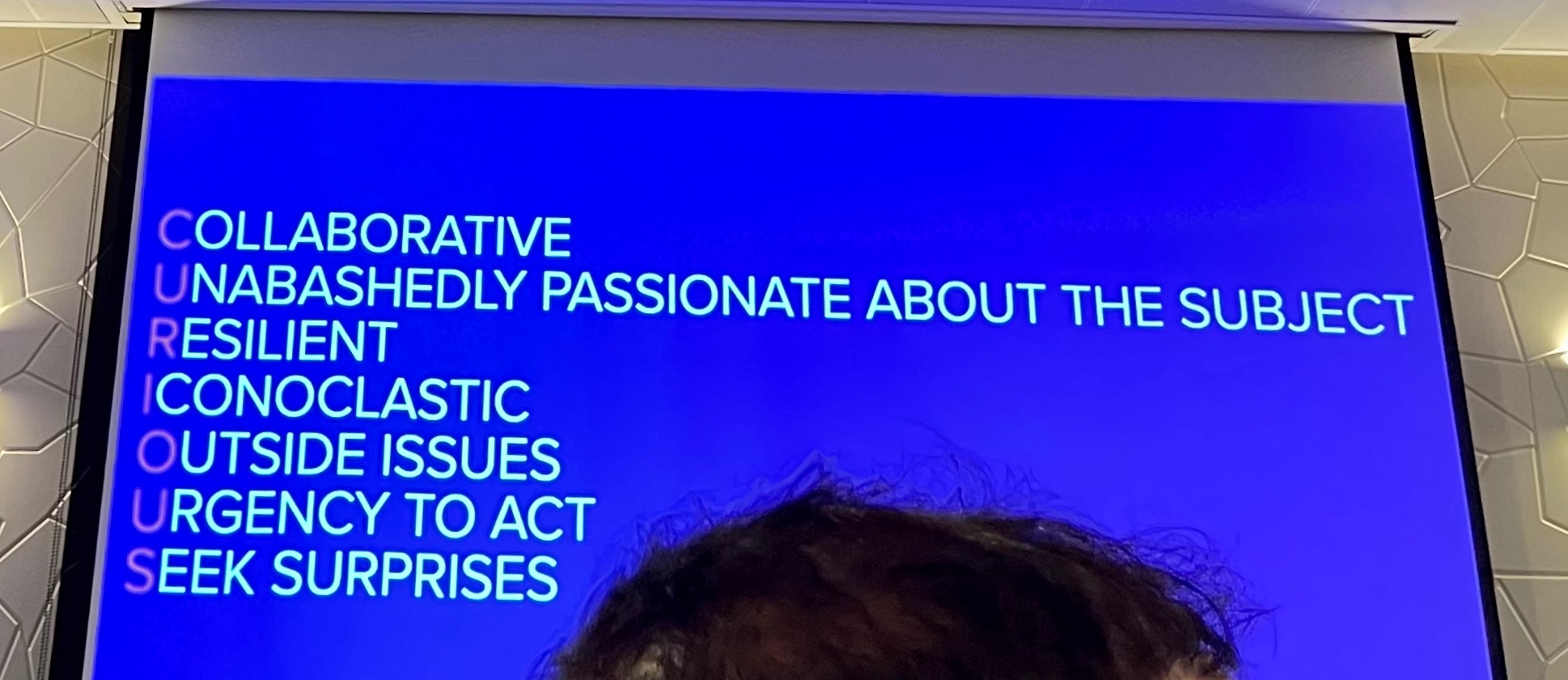
On March 9th, 2023, I attended a masterclass on “Purposeful Curiosity”, hosted by the ESADE business school in Barcelona and held by Professor Constantine Andropoulos. The theme of the event was curiosity and how best to manage this resource.
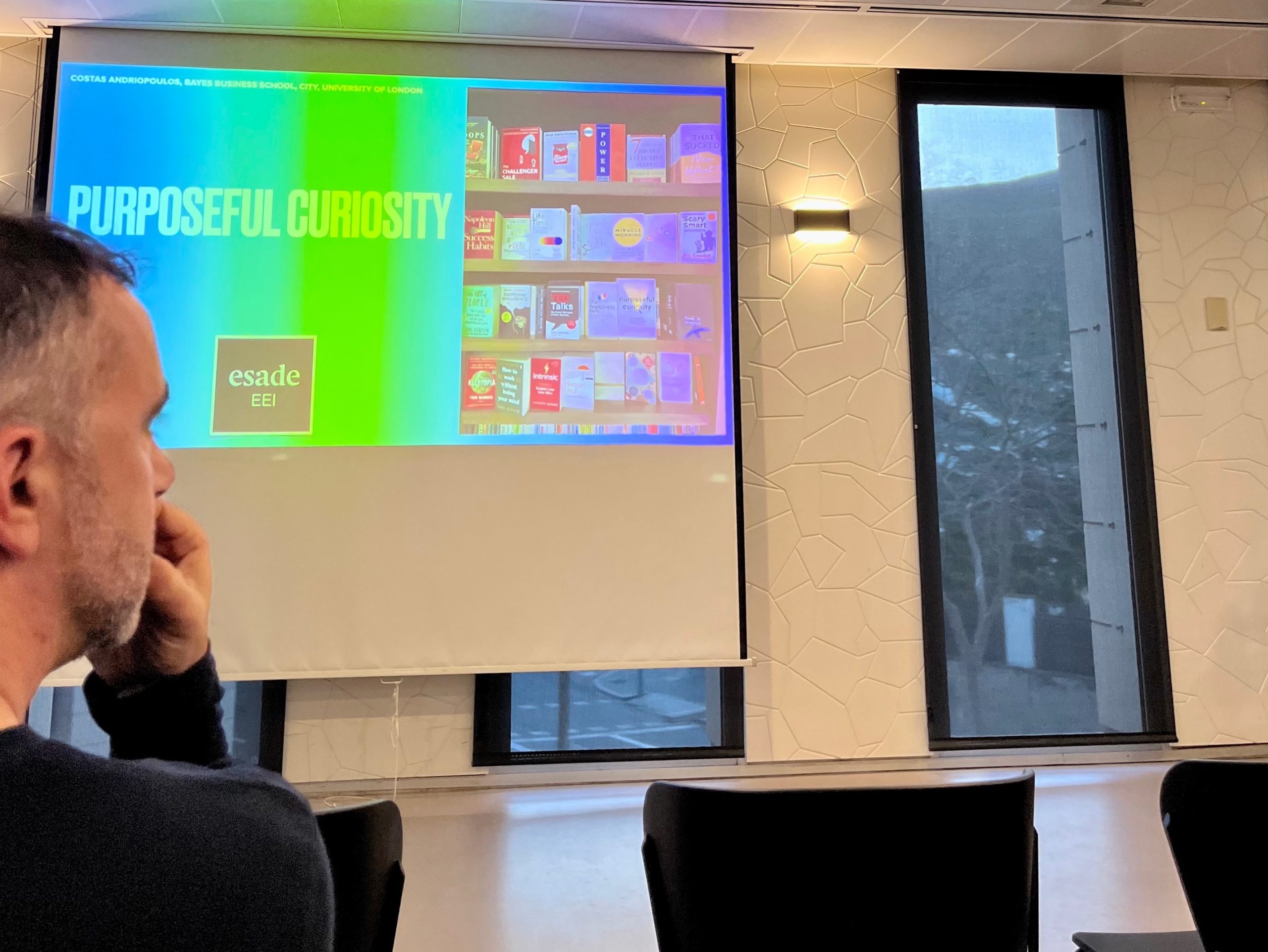
The picture was taken by Chiara Mariottini

In our daily lives, we are continuously overwhelmed by a huge load of data through social media, texts, e-mail, and streaming services that distract us from focusing on deeper understanding and knowledge. Nonetheless, when we take the time to refine our interests and skills, curiosity – if harnessed purposefully – can take us to unexpected places and provide us with new paths to fulfillment and success.

Professor Constantine Andropolous collected interview data from hyper-curious people – including Formula One engineers, scientists working to grow food on Mars, polar explorers, athletes, and star chefs, ending up being able to explain how the most capable people overcome the ‘noise’ of information overload and use the productive power of curiosity to discover, create and succeed.

During the meeting, the professor introduced the concept of “frivolous curiosity”, distinguishing it from the idea of purposeful curiosity aimed at exploring specific topics. According to existing literature, curiosity helps us survive, leads to higher achievement (Von Stumm et al., 2011), makes us happier (Kashdan et al., 2010), can expand our empathy (Gino, 2018), makes us come across warmer and more attractive (Kashdan and Roberts, 2005) and is associated with longevity (Swan and Carmelli, 1996).
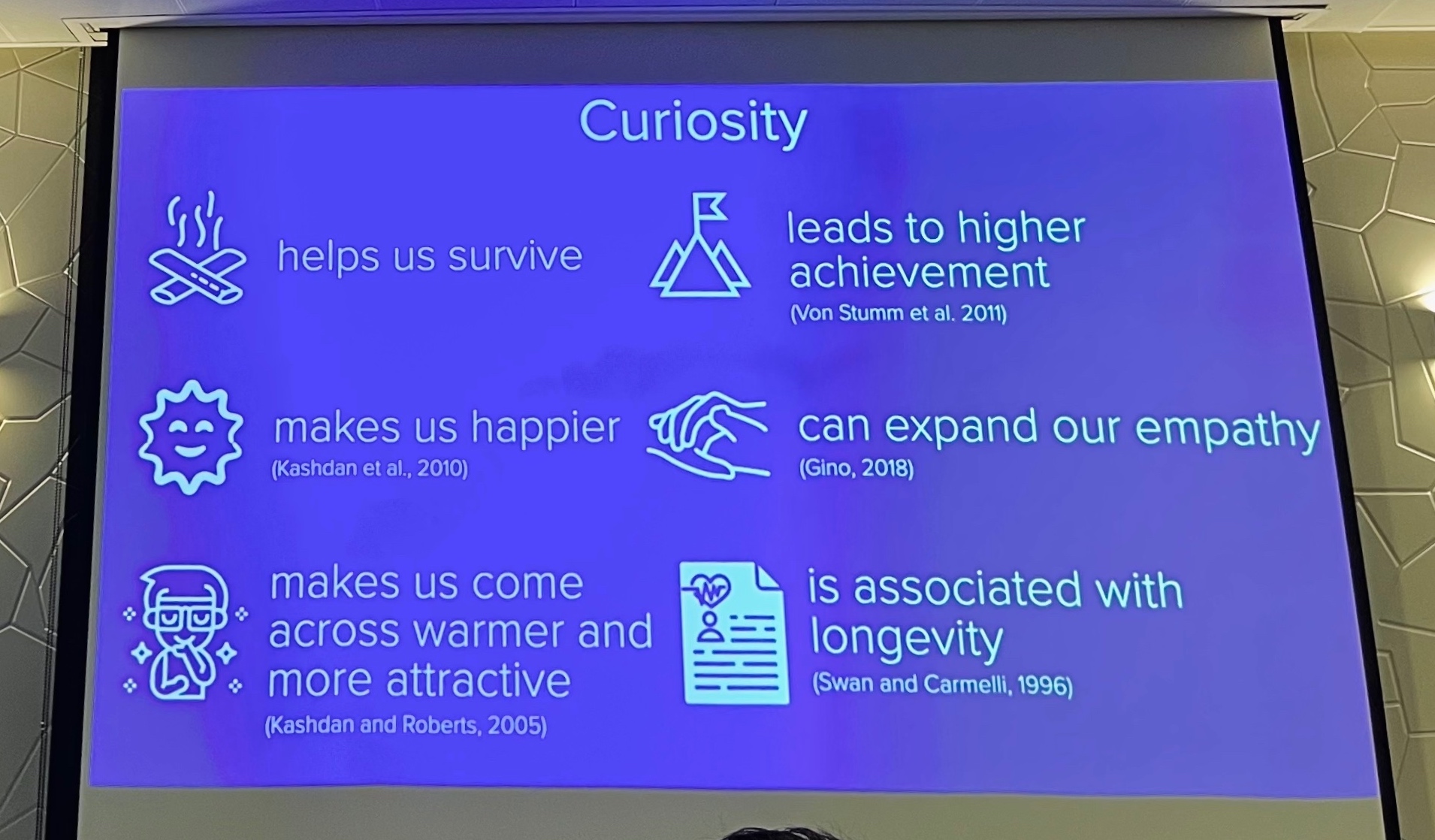
The picture was taken by Chiara Mariottini

A Q&A session then took place during the meeting, from which much food for thought emerged on how to invest our time in something that really interests us and how best to focus our attention on targeted interests that can really help us expand our knowledge and perspectives. This is particularly relevant in the research and PhD pathway, where we may encounter different inputs and stimuli. The challenge lies in identifying the topics that most interest us and then exploring them properly, hence purposeful curiosity can be a valuable support.

The picture was taken by Chiara Mariottini
patrick-perkins-ETRPjvb0KM0-unsplash

The importance of conjugating academic insights with industry engagement in management field

From the 4th to the 8th of July, my institute, RMIT Europe, hosted the first EINST4INE Summer School. Over the course of the week, numerous activities took place, enabling us, ESRs, to expand our academic knowledge, from one side, and understand the new horizons and frontiers in innovation and digital transformation, from the other.

On Tuesday, the 5th of July, we got the opportunity to participate in an industrial challenge involving two of our consortium partners: Innoget and Enel.

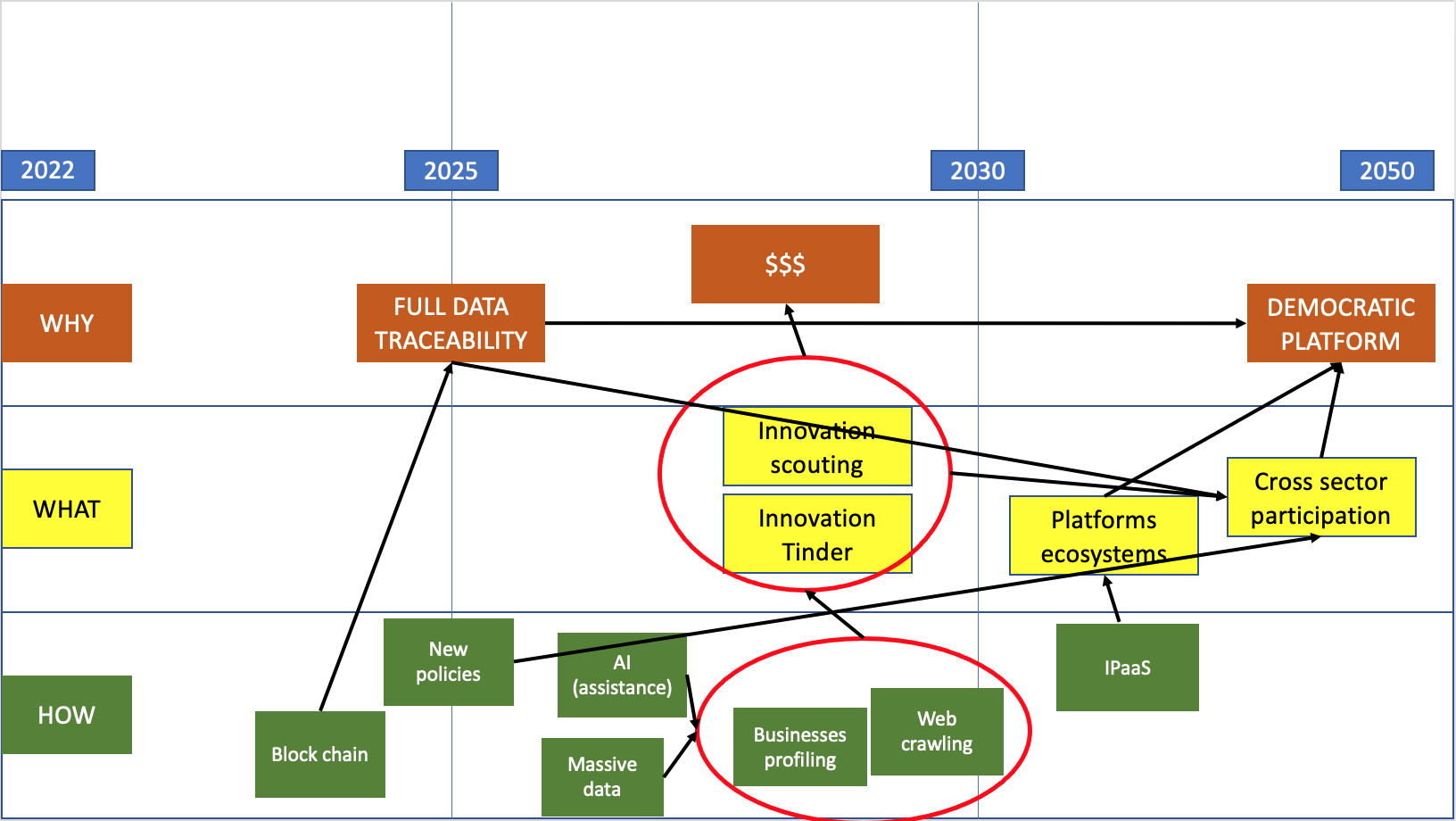
I took part in the challenge proposed by Innoget, which expected us to draw an applied technology roadmap for a clear understanding of potentially available digital solutions to improve the interactions among the different stakeholders.

Roadmaps are practical tools that help to clearly visualize plans for long-term objectives. During the summer school we attended a lecture by Dr. Rob Phaal who gave us a theoretical understanding of “roadmapping” and its potential applications in numerous fields, including our PhD journey.

During the Innoget challenge, people from my team and I firstly set a horizontal timeline on the top and a vertical column on the left, including the “why” (i.e., the objectives), the “what” (i.e., the elements we need to get the objectives) and the “how” (i.e., elements to build the “what”, in other words, the foundation of the plan).

Afterwards, we started to think about the goals, in particular those in the long-run, and then we progressively built the whole map accordingly. Building roadmaps is an iterative process, where many trials and errors take place. A first brainstorming session was essential for us to think outside the box and imagine big long-term goals for Innoget; we used sticky notes to collect and share ideas.

The picture was taken by Chiara Mariottini – from Innoget challenge – group presentation

This challenge was particularly useful because we got the chance to apply something theoretical from the management field to a practical industrial case, building a roadmap according to the expectations and the needs of an industrial partner.

Understanding the new horizons, needs, and frontiers in innovation and digital transformation is particularly important to identify hot topics and outline research projects that can practically solve specific issues or produce impactful results for companies operating in the market.

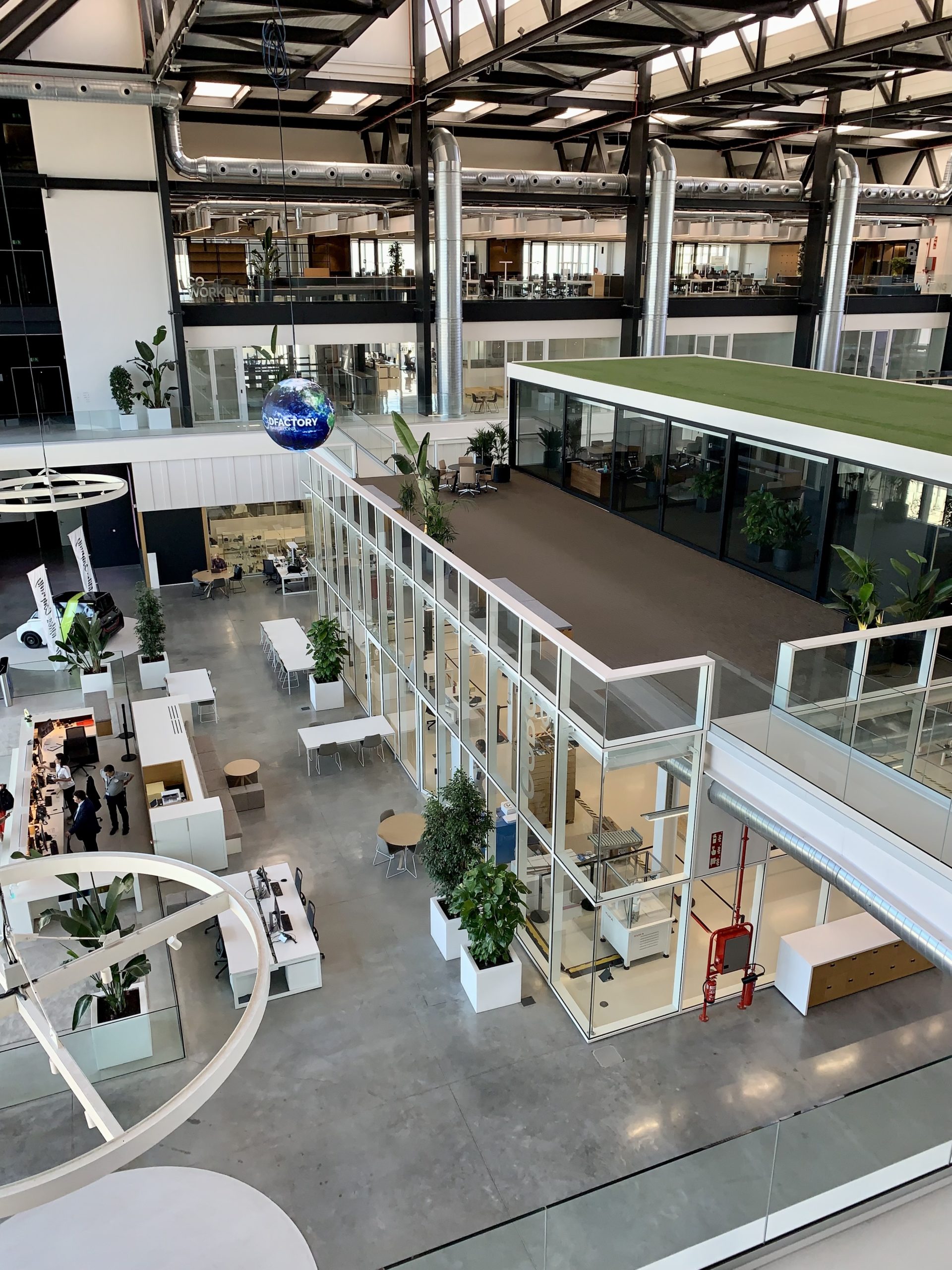
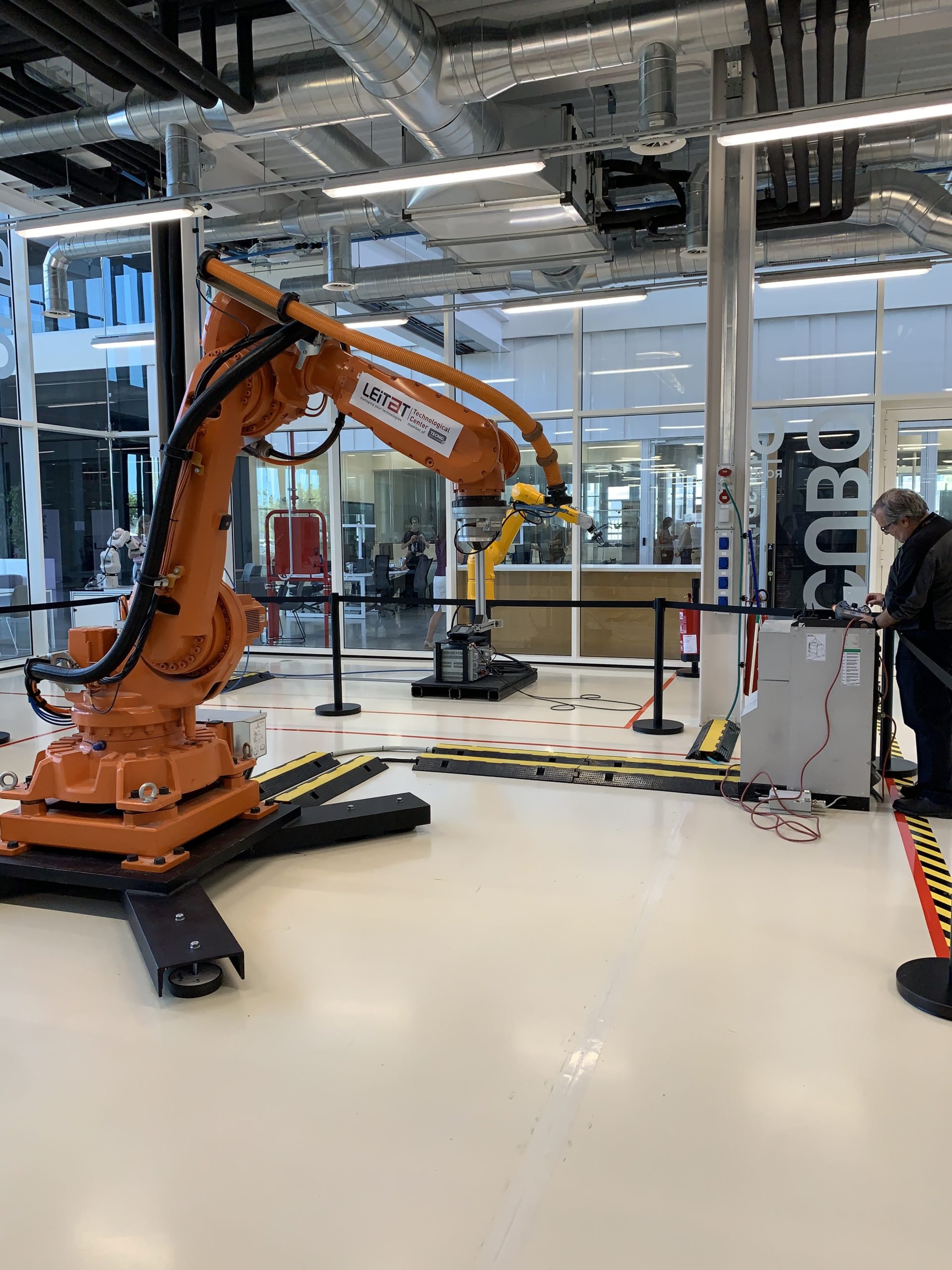
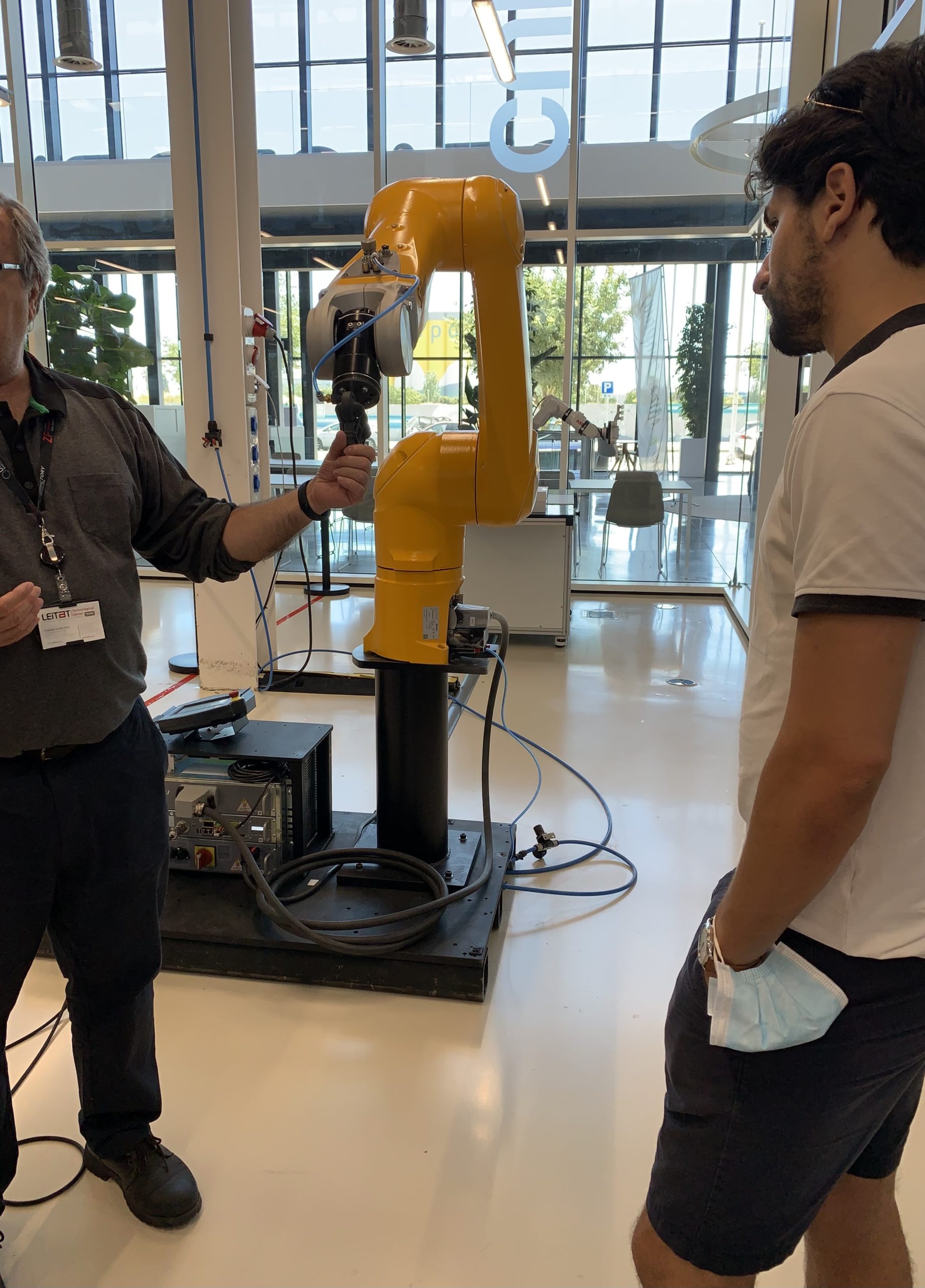
During the summer school we also got the chance to visit DFactory, a hub for the creation of an ecosystem to encourage the promotion and development of 4.0 industry. We saw robots, 3D printing, and other advanced Industry 4.0 technologies in action, understanding their functioning and their practical applications.

All these inputs were extremely valuable starting points to expand my practical knowledge about Digital Transformation, Industry 4.0, and innovation, and gave me new lenses for the exploration of the topics I am now addressing in my research projects.

Picture taken by Chiara Mariottini – DFactory – 08/07/2022

Circular-Economy-illustration-scaled

Innovation to serve sustainable goals: a circular economy perspective

Some RMIT University engineers have recently discovered sunscreen for roads starting from recycled rubber. The experiment was developed by Professor Giustozzi, together with his research team, at RMIT University, that is one of the few universities in Australia to have a UV machine for asphalt studies. The equipment of the university labs allowed to replicate the long-term effect of sun degradation on bitumen using varying concentrations of crumb rubber, ranging from 7.5 percent to 15 percent to 22.5 percent. The researchers examined the changes in bitumen’s chemical and mechanical properties after a month and a half of continuous exposure to the UV machine – comparable to nearly a year of UV radiation in Melbourne.

The Australian government is currently spending millions of dollars on annual road maintenance; according to the National Transport Commission, these costs piled to $2.9 billion in 2019/2020. Therefore, this innovative product has the potential to reduce expenses for road maintenance, leading to considerable economic benefits. Together with that, this solution is also highly sustainable; used tyres in Australia cannot be exported, making new methods for recycling, and reprocessing them locally increasingly important.

Source: “The Circular Economy, Your Business, and Your Future” by Bowles R., Abbott L., McIvor M. (2021)

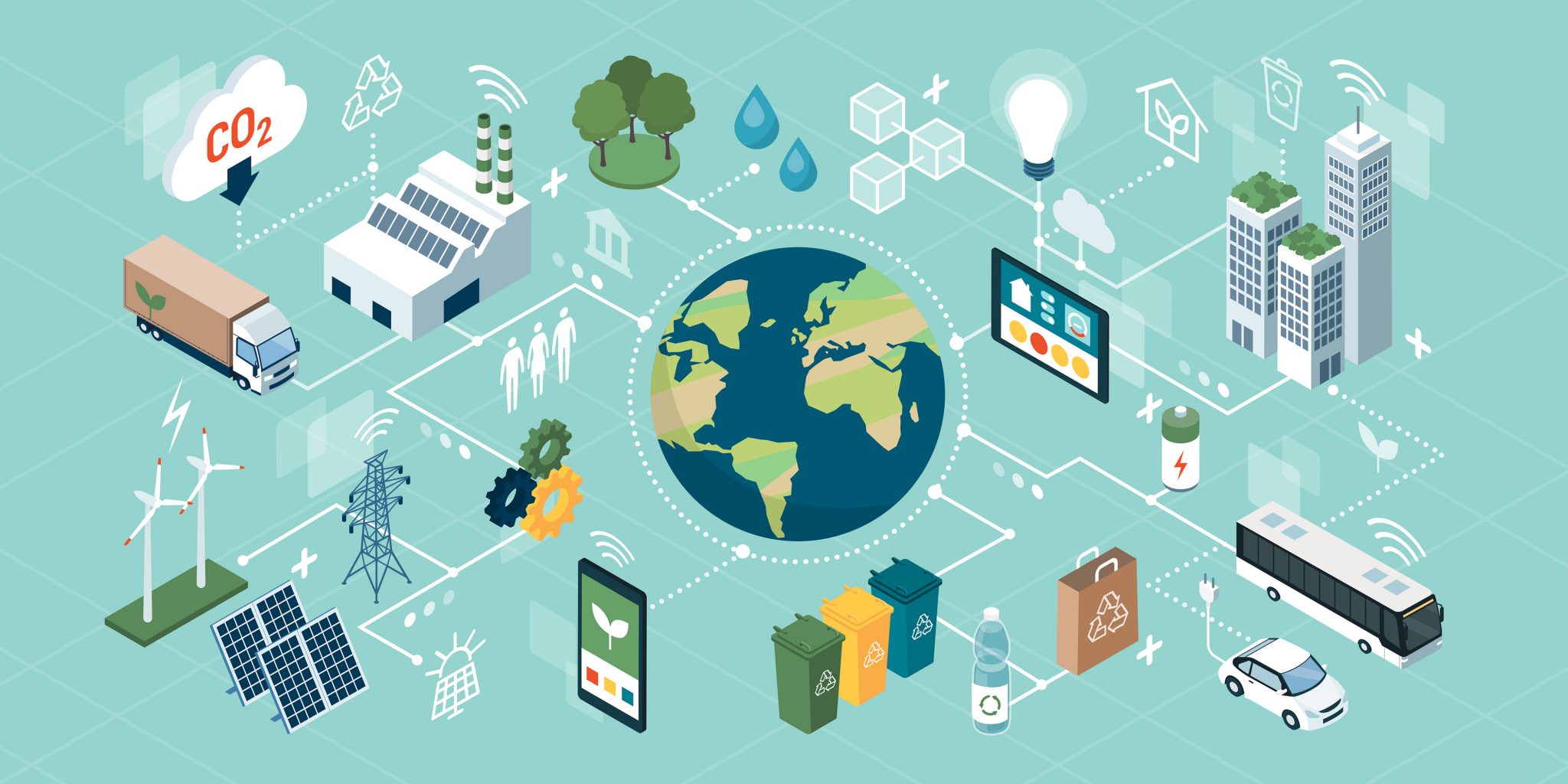
Sustainability now represents a central concern for global institutions and actors, belonging to different levels, including governmental institutions, international organizations, enterprises, stakeholders, and individuals as consumers. These innovative solutions thus represent a first turning point to progressively achieve sustainable goals, including those promoted by the UN in the 2030 agenda (i.e., SDGs). Within this context, circular economy (CE) is a suitable model to address and frame these goals in an efficient way.

“CE represents a new concept of more sustainable development, since it aims to increase the efficiency of resource use in order to achieve economic, environmental and societal development by balancing and taking into consideration economic, environmental, technological and social factor” (Del Giudice et al., 2021).

In line with that, according to the Triple Bottom Line (TBL), the economic, environmental, and social pillars of sustainability are highly interconnected and interdependent (Montiel, 2008), thus getting benefits in one dimension also has implications for the other pillars of the TBL.

Within this framework, innovative solutions can help us to achieve sustainable goals. The idea promoted by Professor Giustozzi’s research team is a pivotal example of how innovation can be framed according to sustainable values, thus serving society and its needs. Research insights can be valuable starting points to address great human challenges and progressively uncover ways to solve them.

References:

pexels-rodion-kutsaiev-9436715

Digital transformation and human capital: how to conjugate them? The beginning of my journey in EINST4INE

My name is Chiara Mariottini and I am PhD student in Management at RMIT. Part of the valuable EINST4INE consortium, I also cover the role of early-stage researcher at RMIT Europe, where I am developing my research project on organizational capabilities, processes, and structures that support and drive digital transformation.

Before joining EINST4INE consortium, I firstly got a bachelor’s degree in Political Science and International Affairs and then, I successfully achieved a master’s degree in Marketing Analytics and Metrics, both obtained with honours at LUISS Guido Carli University.

Last year, I had the chance to work on my final dissertation, titled “Regulating Dark Patterns: promise and pitfalls of a fairness-oriented holistic approach in the European framework”, which helped me better understand and frame my ambitions for my professional career. My research aimed at investigating the impact of the employment of Dark Patterns (i.e., misleading user interfaces) on individual trust. Specifically, with my analysis, I analyzed the suitability of European legal tools to protect individuals from these business practices, which exploit cognitive bias and information asymmetries between professionals and consumers.

After that, I realized that I wanted to expand my interest in the impact of innovation and digitalization, focusing more on their implications within companies and trying to understand how digital transformation is best conjugated with human-driven resources. That’s why I decided to apply for the EINST4INE position I am currently covering.

EINST4INE represents for me the optimal place where I can best learn within the research field and explore my profound interest in new technologies and innovation through a strong interdisciplinary approach. Also, with this opportunity, I am getting the unique chance to integrate theoretical studies with in-field research, with industry partners, while building a wide network of scholars and researchers. Further, the consortium continuously promotes inter-institutional activities, such as bootcamps and summer schools, engaging students and Professors from all over the world.

My goal is to pursue an academic career, contributing to the research environment on European and global levels. This experience is giving me the proper tools and opportunities to lay the foundation for my professional life.

Of course, as in every PhD journey, challenges can emerge, especially when exploring new topics and working on new tasks. In my opinion, the best trick is to be always curious, trying to absorb as much information as possible when participating in debates, meetings, and events. Moreover, I think it is relevant to have a strategic approach in the organization of work, keeping in mind what our priorities are.

With my research project, I aim at producing valuable results, that can be used by industries to succeed in the digital transition, creating the right corporate environment and conjugating existing human resources with new digital technologies.