
AI sustainability_chayanuphol_Shutterstock

When in Paris… talk about AI

Exploring AI Beyond the Hype: Reflections from the second edition of our workshop

I recently had the honor of co-organizing (together with my fellow colleague Domenico Di Prisco) and participating in the second edition of the workshop titled “Emerging Technology and AI: Beyond the Hype.” This initiative, launched by Prof. Lauren Waardenburg and my supervisor, Cristina Alaimo, aims to foster a deeper understanding of AI, cut through the surrounding hype, and explore its broader implications for management, society, and institutions.

First workshop “Emerging Technology and AI: Beyond the Hype” at LUISS in 2023:
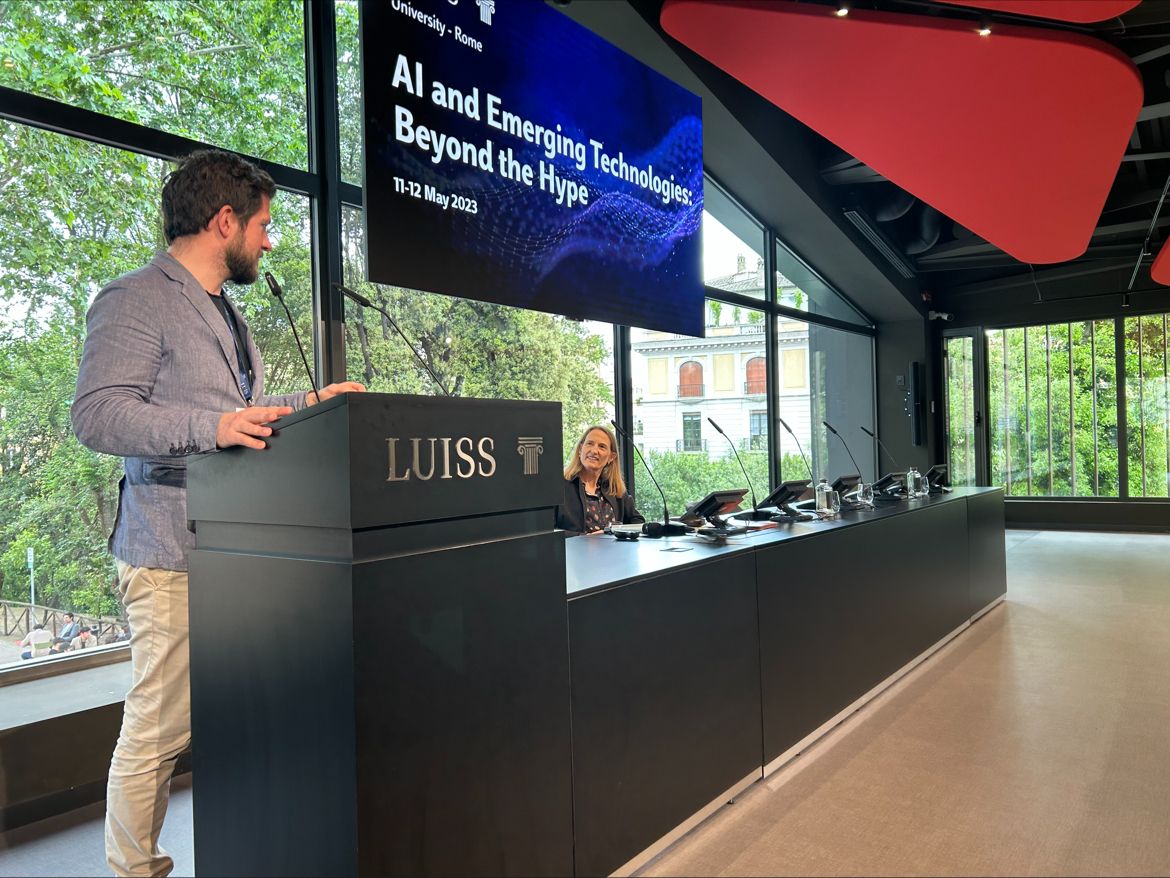
Source: Author

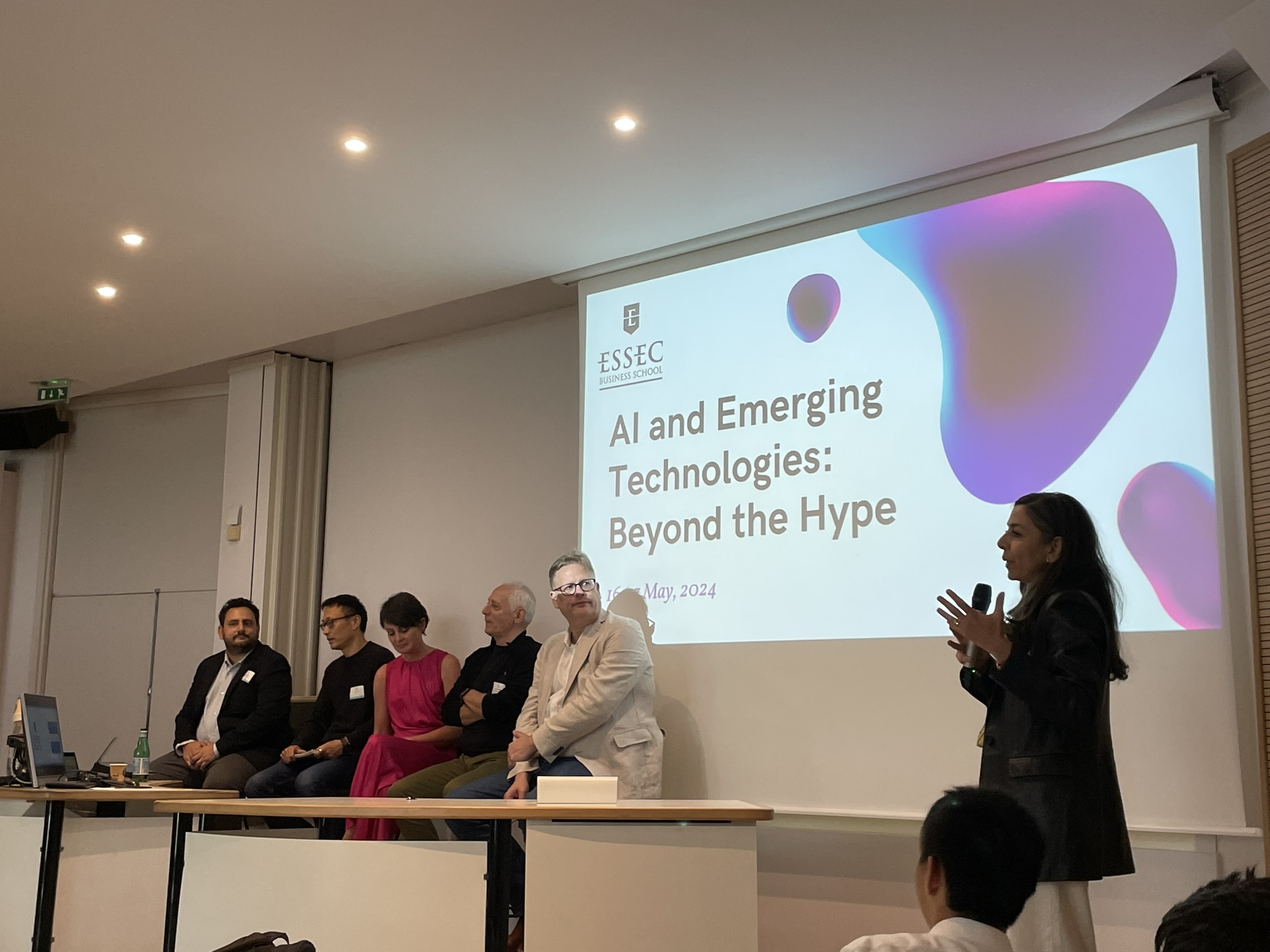
After the inaugural workshop at the LUISS campus in 2023, this second edition was held at the ESSEC campus in Paris. The event brought together experts from various disciplines, including information studies, organization and management theory, marketing, and even sociologists. They were all focused on studying the intricate impacts of AI on organizations and society and how these entities, in turn, shape AI.

2nd workshop edition in ESSEC Paris in May 2024:
Source: Author

Over the course of two days, the workshop featured a series of insightful keynote speeches. The introductory keynote was delivered by Professor Jan Recker, who set the tone with his thought-provoking topic “Responsible AI = Sustainable AI?” He challenged the assumption that responsible AI is inherently sustainable, suggesting that we need to approach these concepts differently to ensure both responsibility and sustainability in AI development.

Following this, Prof. Elena Esposito delivered a compelling keynote on the transformative power of AI in making predictions actionable. She illustrated how, unlike traditional predictions like weather forecasts that merely prepare us for the future, AI enables proactive interventions to alter the predicted outcomes. This represents a significant shift in the role of predictions, akin to changing the weather itself rather than just dressing appropriately for it.

The second day of the workshop continued with equally engaging keynotes. Prof. Harris Kyriakou discussed the “Implications of AI for Research & Practice,” offering valuable insights into how AI is reshaping both academic research and practical applications. Prof. Melissa Valentine from Stanford University captivated the audience (making us solve math equations!) with her ethnographic study of an online clothing retailer. She demonstrated how introducing an algorithm transformed the organizational structure, with data science approaches to buying and planning redefining existing departmental boundaries.

These keynote speeches, followed by dynamic roundtables and project presentations, provided me with a lot of answers about AI, but it also left me with some new questions (which, I think, is a good thing?):

  • We still don’t truly know what falls under the category of AI. While many consider it an emerging technology, some argue that parts of it have reached the level of a general-purpose technology. As various fields navigate the creation and adoption of digital and advanced technologies, it’s uncertain whether we will have a clear answer to this question even next year.
  • This uncertainty leads to broader questions about our common understanding. Do we mean the same things when we talk about AI, sustainability, responsibility, accountability, and the role of data in addressing problems and finding solutions? How does this ambiguity impact our research? Are we experiencing an epistemological crisis due to the lack of clear definitions and shared understanding?
  • This also raised important questions about AI and sustainability. While AI is often touted as a contributor to sustainable solutions and development, it’s essential to consider the substantial resources these processes consume. Although AI can indeed foster sustainable outcomes, the experimentation process itself, even when shifted from physical to digital realms, still consumes a significant amount of resources. How, then, do we address this issue effectively?
  • As AI continues to become smarter and more autonomous, questions about accountability arise. Who is responsible for the good and bad decisions we outsource to AI? What decisions can we ethically and effectively delegate to non-human entities, and which should remain under human control? This issue is particularly pertinent in the use of AI for human resources, such as in the hiring process.

This workshop was and will continue to be an incredible opportunity to delve into these questions, fostering a deeper understanding of AI’s role and potential in society.

Looking forward to next year!
wasen

Wasen Beers, Workshop Cheers, and Cobot Gears: Stuttgart’s Workshop Fiesta

Hey everyone!

If you think life as a PhD student is just about boring books and endless research, think again! My last few weeks have been a whirlwind of cool events, amazing people, and lots of learning. Let me take you on a quick tour.

A Dive into Enabling Technologies at Stuttgart

In the heart of October, I found myself amidst the historic beauty of Stuttgart, ready to attend a workshop hosted by the University of Stuttgart. The central theme of the event revolved around enabling technologies and their pivotal role in the digital transformation.

The workshop spread over three days, promised – and delivered – a potpourri of informative sessions, panel discussions with industry stalwarts, and glimpses into the future of digital advancements. From discussing AI and data’s role in research to exploring the dynamics of enabling technologies for ecosystems was genuinely enriching.

A personal highlight for me was the chance to present my ongoing research project on the implementation of collaborative robots (or cobots) in SMEs. It’s a subject I’m deeply passionate about, as emphasized in my paper titled “Cobots in SMEs: Processes, Challenges, and Success Factors”. The feedback and interactions that followed the presentation were invaluable, offering diverse perspectives and new angles to consider in my research.

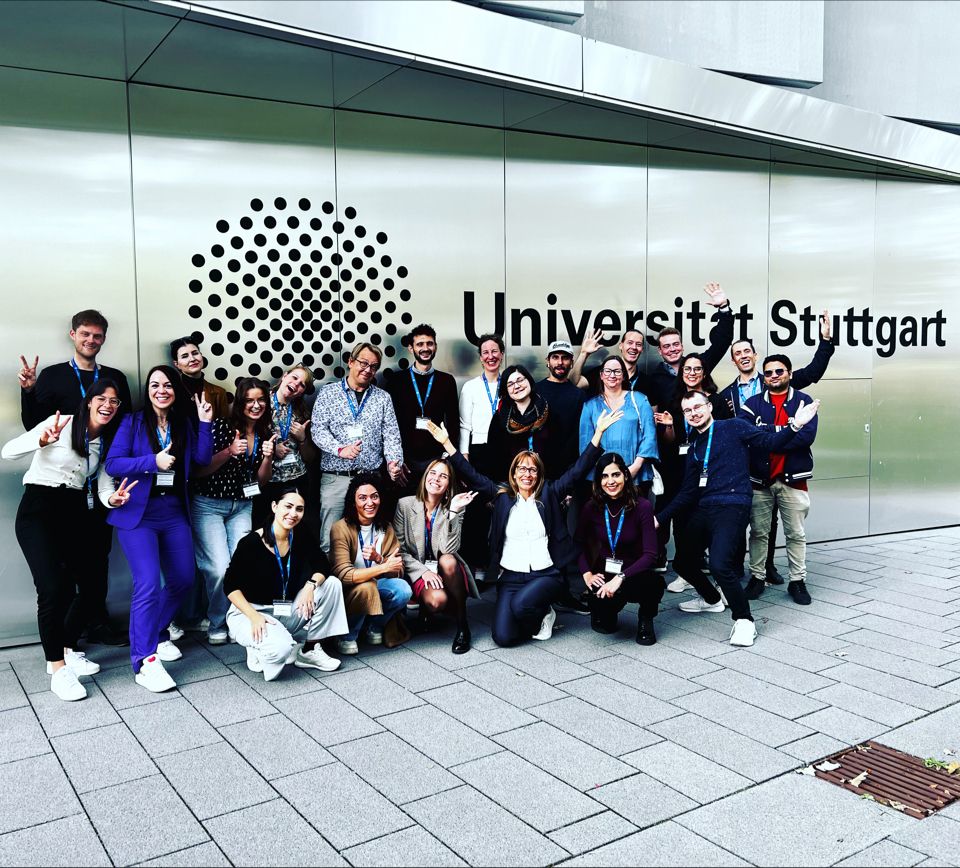
Participants at the EINST4INE Workshop in Stuttgart
Participants at the EINST4INE Workshop in Stuttgart (Source: photo taken by Christina Theodoraki)

A Taste of Local Culture

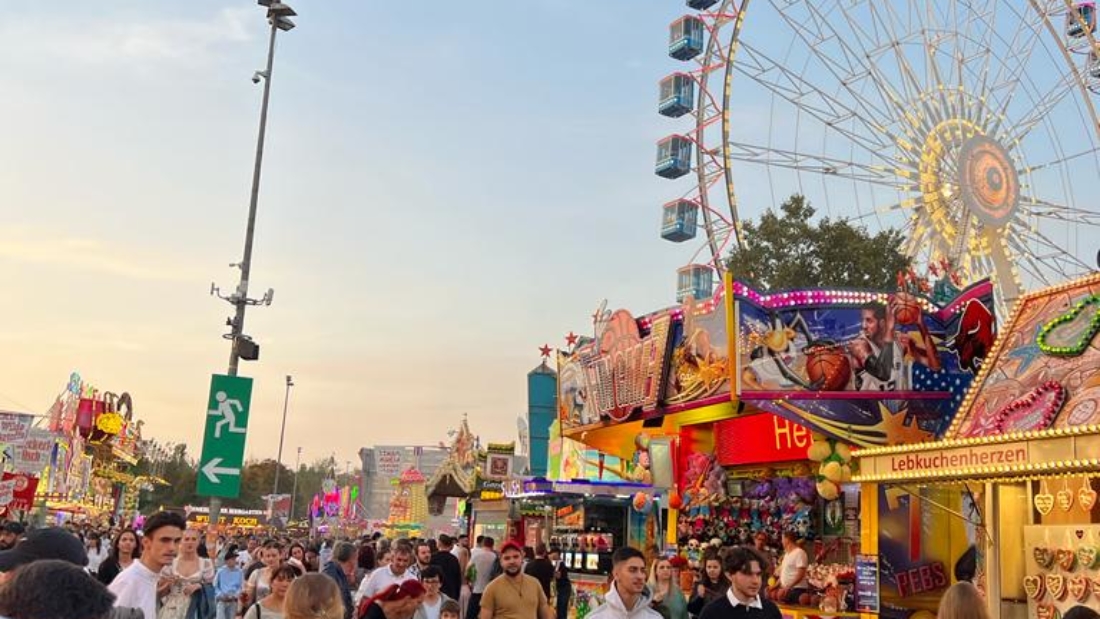
Before the intellectual marathon began, a few colleagues and I took a cultural detour to the vibrant Wasen event in Stuttgart. It was a delightful amalgamation of tradition, laughter, and shared memories – a perfect start to an intense week.

Reaching Out to the World

Another proud moment was presenting my conference paper remotely at the IEEE TEMs conference in Lithuania. The virtual platform extended the reach of my work to a global audience. Engaging with professionals and academicians from different corners of the world brought forth a myriad of viewpoints, making the experience thoroughly enlightening.

Looking Ahead

The journey, as they say, is never-ending. As I pen down these words, I’m in the midst of preparing a poster presentation for the upcoming World Open Innovation Conference in Bilbao, Spain, this November. I’m eagerly looking forward to further collaborations, feedback, and the joy of sharing my work with a broader audience.

In the world of academia, every day brings new challenges and revelations. These events and interactions have been instrumental in shaping my thought processes and providing direction to my research. I’m grateful for these opportunities and excited for the road ahead.

Until my next update, stay curious and keep exploring!

Attending the EGOS Colloquium & EGOS PhD Colloquium 2023 in Cagliari

Attending the EGOS Colloquium & EGOS PhD Colloquium 2023 in Cagliari

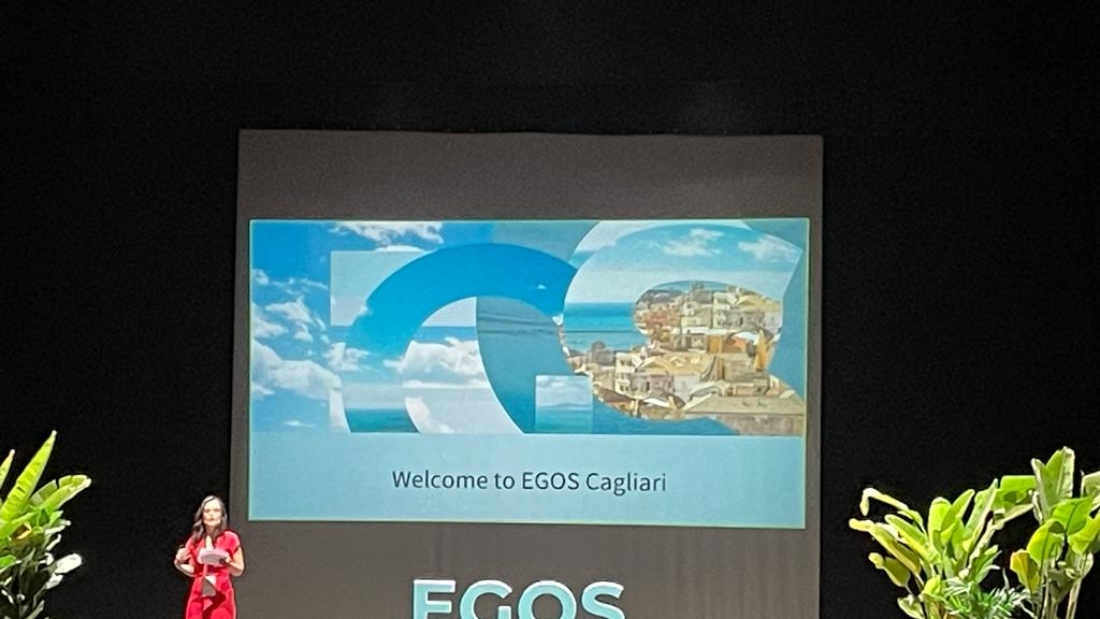
As a researcher, often summertime is conference time – this was true for me this year as well. Like some other ESRs’, I attended and presented at R&D Management Conference 2023 in Seville in June. In July I travelled again, this time to Cagliari, Italy to attend and present at the EGOS Colloquium 2023. In addition, I got a spot at the EGOS PhD Colloquium, which is a one-day event before the conference itself. In the following blog post, I will share some insights from my time there – EGOS is indeed a really good conference and the research there is so amazing and high quality, I can totally recommend going!

Attending the EGOS Colloquium & EGOS PhD Colloquium 2023 in Cagliari
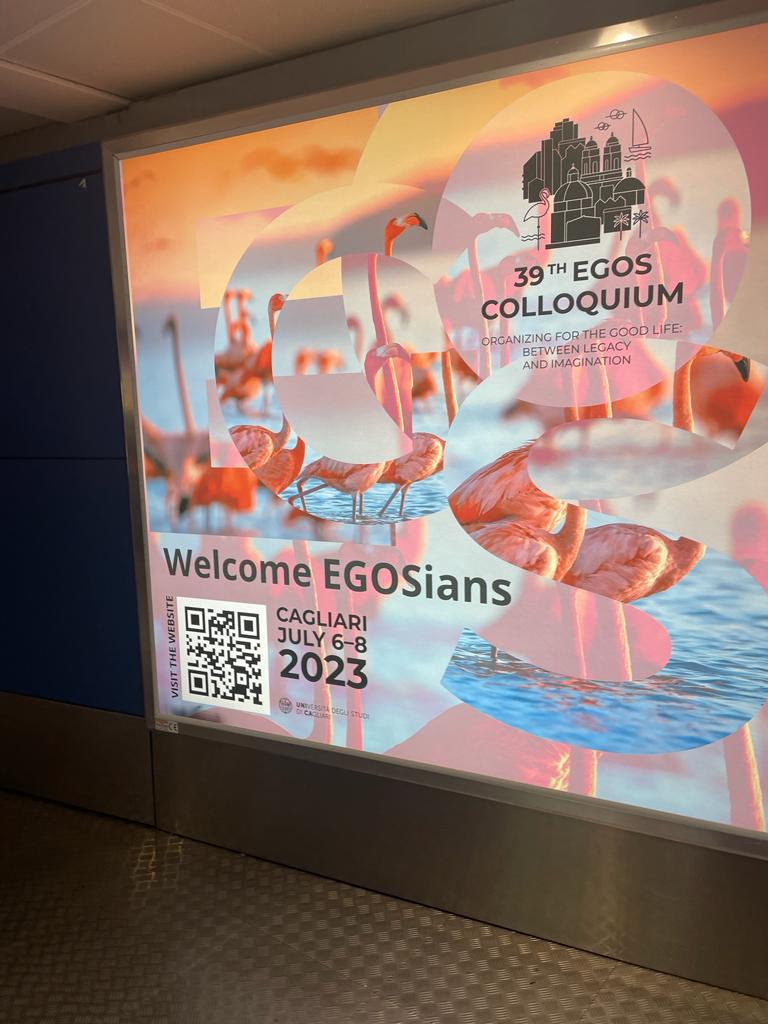
Poster at Cagliari airport welcoming all EGOSians (picture taken by C. Leeb).

The EGOS PhD Colloquium

PhD Colloquia are an excellent opportunity for any PhD student and I highly recommend attending one or several! This year I attended the one from R&D Management and the one from EGOS. Jess already wrote an insightful summary of the PhD Colloquium with R&D, and I thought it could be useful to share how the EGOS one looks like.

It was a one-day event before the main conference and we heard some talks by senior scholars about writing theory papers, the art of reviewing, and insights on how to publish in Organization Studies. In addition, the EGOS PhD Colloquium consists of small table rounds of a few students and one senior researcher. Each student submits a thesis proposal which is then being discussed in these smaller groups. This way you get to meet fellow PhD students from around the world, as well as brilliant researchers from various fields within organisational studies.
Even though it can be daunting to share your thoughts, especially as everybody is doing such great work, it is a great opportunity! This part was extremely productive and useful for me – I learned so much and got very valuable tips from the other PhDs and my facilitator. In addition, you already get to meet other people you will see again at the main conference!

In general, I would recommend doing PhD Colloquia as early as possible in your PhD – it sometimes is a bit hard to be ready for these in your first year. At the EGOS colloquium, I felt like most people were in their 3rdyear of PhD (also depending on the PhD system of their home country), so it is for more “advanced” PhDs.

Attending the EGOS Colloquium & EGOS PhD Colloquium 2023 in Cagliari
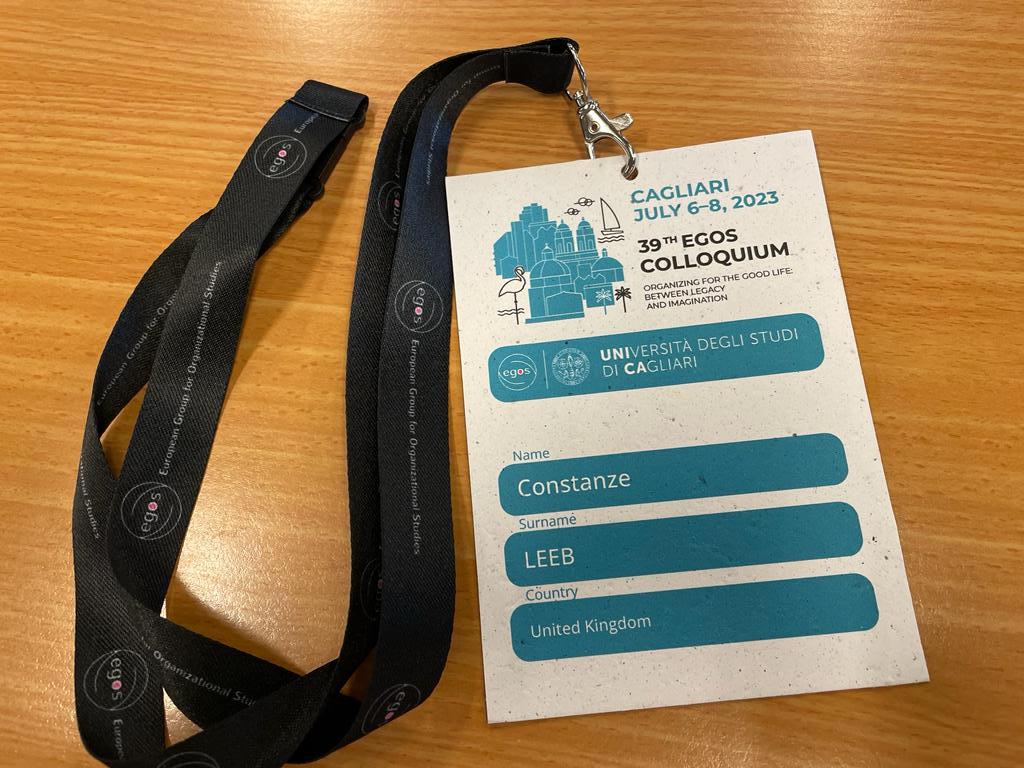
Sustainable conference badge, which can be planted! (picture taken by C.Leeb).

The main EGOS colloquium

Don’t get confused – the main EGOS colloquium is the name of the conference, and it is really a big conference! We were spread out in 3 different locations across the city, and I heard from others that it really was a conference with thousands of people.
Something really great about EGOS is that they are trying to be as sustainable as possible. One example is their conference badges (see picture)!

What is specific for EGOS is that they have a track-based system. That means that you submit your work to one specific track and if you get selected to present, you are asked to attend all sessions in this track throughout the conference. This way, they are trying to build a community around a topic – which is really nice! I presented in the track “Professions in an Age of Intelligent Technologies”.
It was such an amazing experience for me to join this as such a junior researcher. In my track, there were so many excellent researchers, whose papers I had read in top journals – just incredible! The feedback I got was so useful and of excellent quality. Many of the attendees had read my paper and were really trying to give useful feedback to help me progress further. In addition, every single presentation in my track was interesting to listen to and the topic was relevant to my research – incredible!

Of course, this can also be intimidating, and it is normal to start questioning what you do, etc. – but courage, it is part of the PhD journey (what I have been told from senior researchers) and it’s just an amazing opportunity to connect with great scholars from your field!

At EGOS I did not know many people. Alejandra was there as well, which was really nice for some social events, and also another friend that I met at my placement at RMIT Australia was there. However, as noted above, the conference is really big, which meant that I did not meet them during coffee breaks and was alone – something daunting as well! As in most conferences, people travel with colleagues or have their community already, so it can feel a bit lonely and overwhelming. But, don’t be afraid – you will meet people that you can have a chat with or you can just approach new people to make some small talk. Or, what happened to me, is you meet somebody who is really well connected and who introduces you (in person or via e-mail) to other scholars. And don’t forget: it’s also totally ok to take breaks from socialising now and then, conferences are exhausting!

Even though it was harder to meet people at EGOS than it was at R&D (where I already knew many people through EINST4INE, especially more senior scholars), I still met a few new people who do similar things to me, some of whom I will also try to visit when I pass by their university.

As a summary: EGOS is an amazing and excellent conference. It was daunting, exciting and brought me invaluable and extremely helpful insights into my research – I can only recommend everybody to attend EGOS if you get a chance to!

Background

Making Connections: My Boston Odyssey with the Academy of Management

The faint hum of discussion, the air imbued with intellectual verve, and Boston’s ever-endearing charm as the backdrop: this year’s Annual Meeting of the Academy of Management (AoM) was nothing short of enlightening.

A Beacon of Knowledge in Boston

With the banner “Putting the Worker Front and Center,” the 83rd Annual Meeting brought the academic world alive in the heart of Boston, a city recognized globally for its synergy of historic charm and intellectual prowess. The AoM’s return to Boston was a significant affair, given its reputation as the most highly attended location in previous years. Over 10,000 attendees from diverse corners of the globe congregated, epitomizing Boston’s allure as an international hotspot for research and learning.

This year’s conference was a veritable smorgasbord of academic feasting. From over 1,500 in-person sessions to the inaugural Annual Meeting Opening Reception, where attendees could engage with AoM’s past and present leaders. Notably, a cutting-edge online platform facilitated interactions, allowing participants to review the program, coordinate schedules, and immerse in spirited discussions.

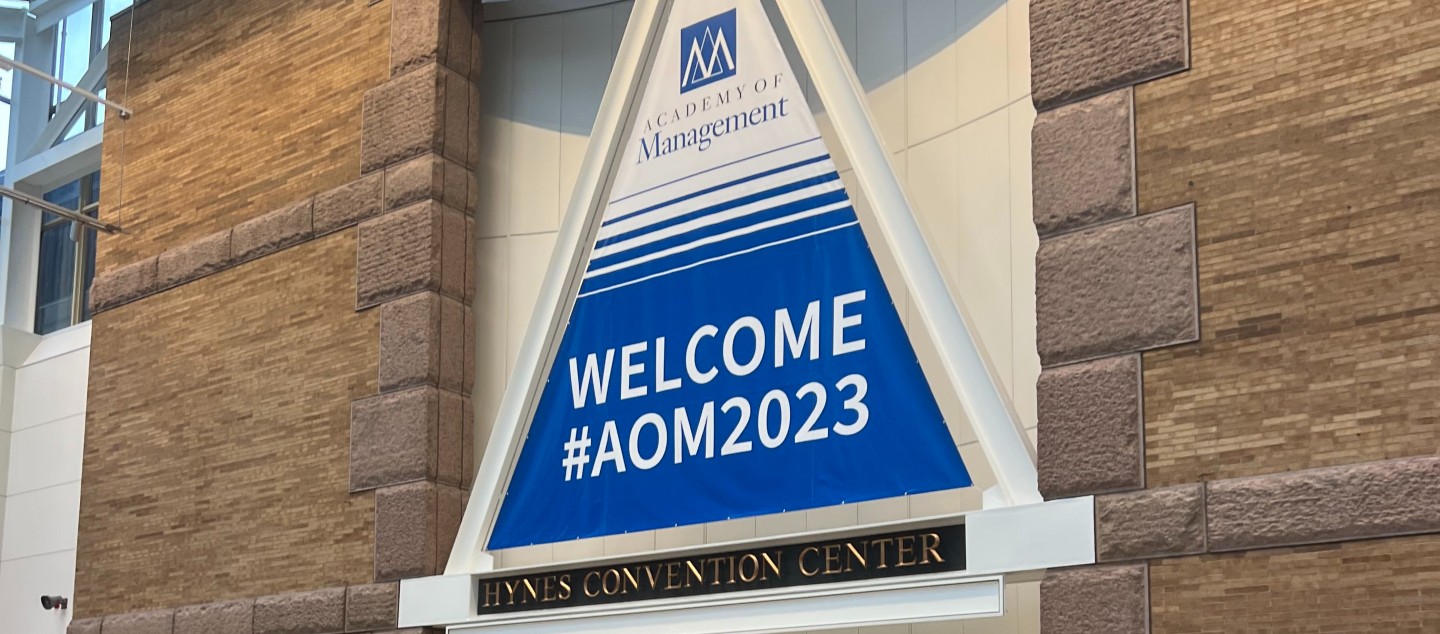
AoM23 Welcome Sign. Source: own photo.

A Day at the Doctoral Consortium

Among the variety of events, one that significantly resonated with my academic pursuits was the Doctoral Consortium at the Boston Hynes Convention Center. This event holds a unique significance, bridging doctoral students from across the world, facilitating discussions on a myriad of topics and workshops tailored to mold the academic leaders of tomorrow.

The day began with the scent of freshly brewed coffee and a light breakfast, providing an informal ambience for attendees to mingle. As the hours unfolded, the consortium delved into a range of sessions: from crafting job talks to understanding the emotional and mental nuances of transitioning to faculty roles. One particularly poignant segment was the Keynote Speech by Rajshree Agarwal on “Fostering your own enterprise.” Her insights, combined with the wisdom imparted by various faculty panels, made the consortium an enriching experience.

The lunchtime roundtable on research pitches was particularly close to my heart. It was here I had the opportunity to present my project, focused on understanding the interaction models of collaborative robots in organizations. The feedback from peers and mentors was invaluable, aligning with my objectives, such as exploring technology acceptance and its overarching impact on organizational performance. This consortium, coupled with the insights and critiques I received, has been instrumental in steering my research of collaborative human-robot interaction towards a clearer goal.

As dusk approached, the consortium attendees gathered for an off-site dinner at the Back Bay Social. While enjoying Boston’s tasty food and nice atmosphere, our day’s talks easily turned into friendly chats, helping us build work friendships.

Reflecting on the Odyssey

Attending the 83rd Annual Meeting of the AoM has been more than just an academic excursion; it was a journey of personal and professional growth. The myriad discussions, panels, and networking opportunities bolstered my understanding, expanded my horizons, and solidified my passion for exploring the realms of collaborative robots in organizations.

In essence, this Boston odyssey has not just been about gaining knowledge but about making connections – with academia, peers, and the deeper nuances of my own research. As I left the city, I carried with me not just memories but a renewed zeal, ready to tackle the challenges of the 21st century related to management and organizations.

Source: Own image.

R&D Management Conference Doctoral Colloquium: here’s what to expect

Attending a Doctoral Colloquium can be an exciting and valuable experience for doctoral students at all stages in their journey. I was lucky enough to be accepted to this year’s R&D Management conference and Doctoral Colloquium, held in the beautiful (and very hot) Sevilla. This was my first time attending a colloquium so I thought I would share my experiences to help other first-time goers or those that are simply interested to learn more about the experience.

The colloquium typically provides a platform for doctoral candidates to present themselves and their ongoing research work, receive feedback, and interact with experienced researchers and scholars in our field. Here are my key takeaways:

Research is MEsearch:

Alberto Di Minin (Co-Editor in Chief of R&D Management Journal) energetically opened the colloquium with a ‘Start with Why’ exercise (if you are familiar with Simon Sinek’s work). As an icebreaker and to introduce ourselves, we all shared the ‘why’ of our research, before explaining the ‘what’ and the ‘how’. This was a meaningful reminder of how research is really MEsearch which we don’t often acknowledge – you are the one invested in your topic, you are carrying out the research, you are producing the results. It is important we remind ourselves why we are doing this and continue to engage with that in order to power on and in creating connections with others.


Presentation of Research:

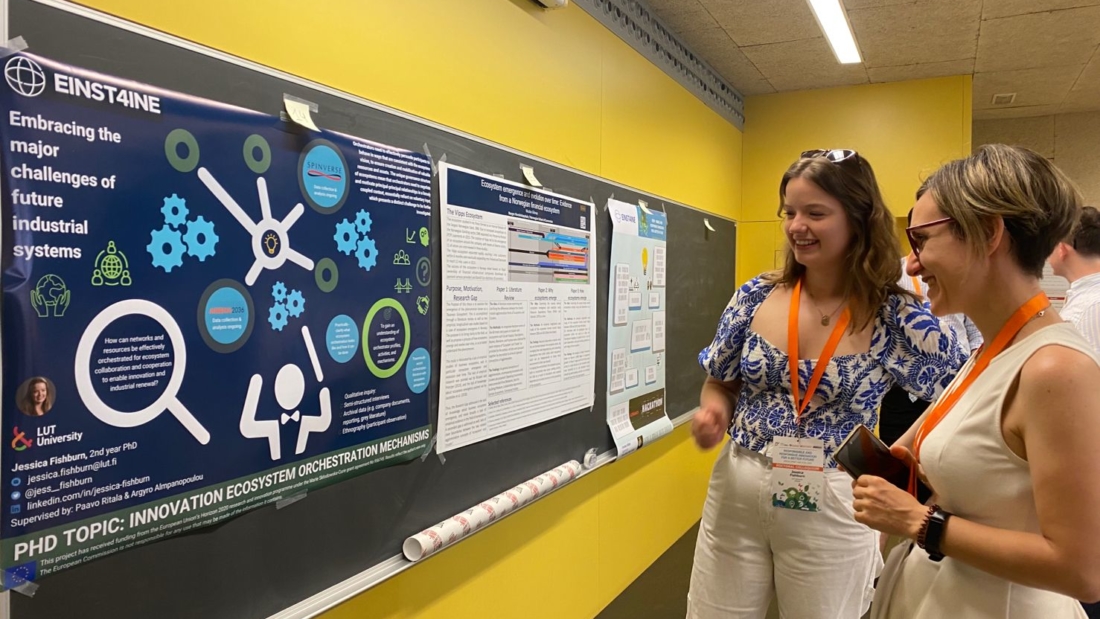
As a participant, we had the opportunity to present our doctoral research projects in the form of a poster presentation. It was interesting to see the range of posters presented, from the traditional academic poster format to more visual and creative ones. Honestly, I felt a little self-conscious displaying my work on a giant A0 sheet for everyone to poke at, but this became a very fruitful exercise both for myself and I hope for those interested in my work. In the preparations I stressed over what and how I should present, but in the end I learnt it is most important to understand what YOU would like to get from the interaction and let your poster follow that principle, no matter how others have approached the task.


Networking Opportunities:

The colloquium allows you to connect with other doctoral students and researchers who share similar interests in R&D management and wider management topics. Networking is an essential aspect of academic conferences, as it opens doors for potential collaborations and research partnerships in the future. However, what is perhaps some unspoken law about conferences that is maybe unknown to new PhD students (at least it was to me) is how social these events are. The majority of networking, and deeper connections, happen outside of the conference centre and instead in the bars, tours, dinners, etc. Having these bonding moments and community building activities are essential, so while these are very long and tiring days, I would urge all students to make the most of these additional activities where possible and be open to getting involved.


Mentorship and Guidance:

Expect to receive insights, suggestions, and critiques from both fellow doctoral students and established researchers. This feedback can be invaluable in refining your research approach and identifying potential areas for improvement, particularly gaining insights from outside of your usual mentorship. We were honoured to benefit from the expertise and wisdom of Petra C. de Weerd-Nederhof, Lucia Naldi, Wim Vanhaverbeke, Anne Ter-Wal, Bart Van Looy, Shanthi Gopalakrishnan, Andrea Piccaluga, Leticia Pérez-Calero, and Jeremy Klein.


Exposure to Current Trends:

We can often get stuck in our narrow little holes as PhD students focussing hard on our topics. While sometimes I find it overwhelming to become distracted by so many new ideas and inputs, you never know when a piece of advice, literature suggestion, new connection, etc. may become fundamental to your work. Since R&D Management conference attracts the leading experts and top students in the field, the colloquium can expose you to the latest trends and emerging areas of interest in R&D management.


Practice in Academic Communication:

Presenting at the colloquium allows you to refine your academic communication skills, including attempting to deliver clear research ideas, responding to questions, and engaging with an audience. When working with experts who have 10s of years experience in these fields, I often still feel that I know nothing about my topic. Having to communicate my research, respond to questions, and share the observations I am making surprisingly gave me some ‘uh-huh’ moments where I realised, perhaps sometimes I do know what I am talking about. Similarly, being asked questions opened up new avenues even in my own mind about what should be clarified and what is most interesting to answer – which is key to making impact with your work!

Community Building:

As mentioned above regarding networking, one of the biggest takeaways was the social aspect that I did not expect. Being able to connect with other doctoral students in your field and share some of the trials and tribulations of this journey with them is a very cathartic and underrated activity. Particularly since this is a small and select group (approx. 40 students accepted) means that you do have the opportunity to get to know most of the students over the 2 days and, even better, you then have some familiar faces to say hello to during the conference. Of course, I hope that all doctoral students also have a great community at their home institution, but having this community extended across borders is all the more valuable. For future collaboration, or future complaining, as you wish!


Overall, remember to come prepared with energy and intention and don’t be shy to receiving constructive criticism. This is an excellent chance to gain valuable insights into your work and build connections within the academic community, so don’t forget to follow-up afterwards too. Enjoy the experience and make the most out of this unique opportunity!