
1709163213610xy

18 things I have learned in the first half of my PhD (part 2)

After a small interruption to reflect on what the movie “Oppenheimer” can teach academics working in innovation-related fields, I am now getting back to the list of “18 things I have learned in the first half of my PhD”. Without further ado, you can find the remaining nine points below:

10. The importance of changing research environment

Even though you are enrolled in a specific University, the life of a researcher goes way beyond the boundaries of your office. Most of your community (and readers) will be outside your faculty and this is a strong incentive to plan short research visits, conferences or PhD courses abroad, in addition to your main environment change. Speaking with researchers outside your inner circle will allow you to collect more feedback on the ongoing projects, get rid of the less promising ideas and expand your network (something that could benefit also the search for your next position).
Despite these pros, there are also some challenges related to it. First, you may need to complement your funding with some additional grants. Second, finding an accomodation for you (and potentially, your partner or family) may not be straightforward. As this may take time, I would suggest to plan our research stay as much in advance as possible, in accordance with your supervisor and your loved ones.

11. The importance of being able to describe your PhD in a few words

Even though you are studying and trying to extend human knowledge on a very complex phenomenon, this does not mean that you are grandma should not be able to understand the value added through your research. This blog aims at disseminating to the general public some of the main findings of our research, but there are also competitions called ‘3 Minute Thesis Competition’, where PhDs from very different fields try to condensate their work in just 3 minutes.
In one of the Doctoral consortia that I attended, I have been told to prepare three different ways of pitching my research: the first, shorter (around 10 seconds), where you offer a more general understanding of your research. A second one, more conversational, where you provide more details on the topic, without being too technical. And a third one, longer, that you should usually share with other experts in the field. That way you should be able to communicate your research with any kind of interlocutor.

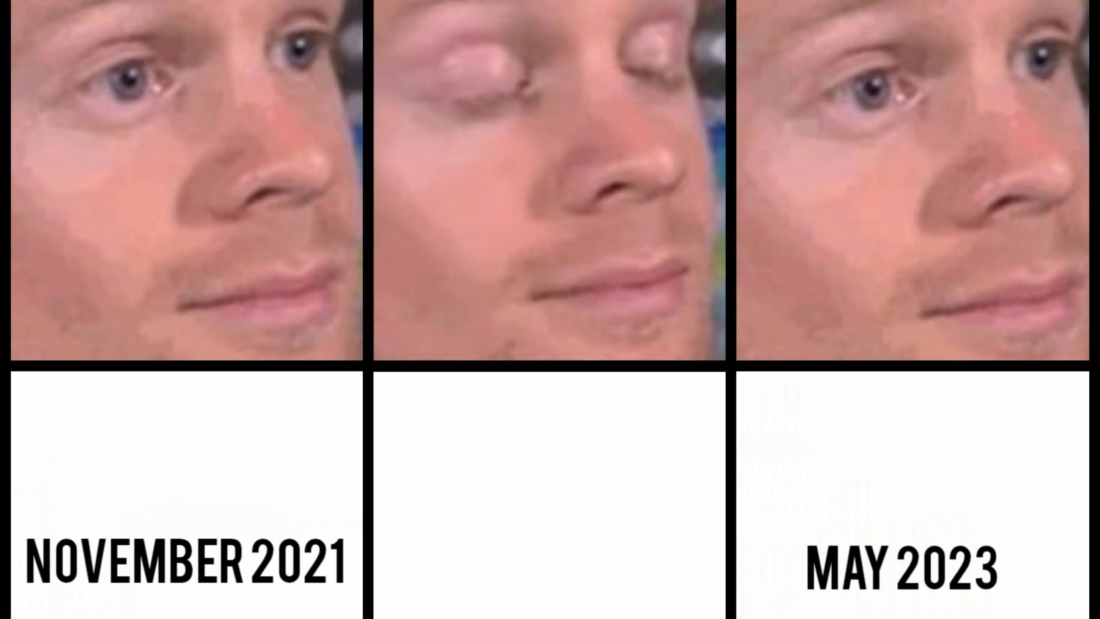
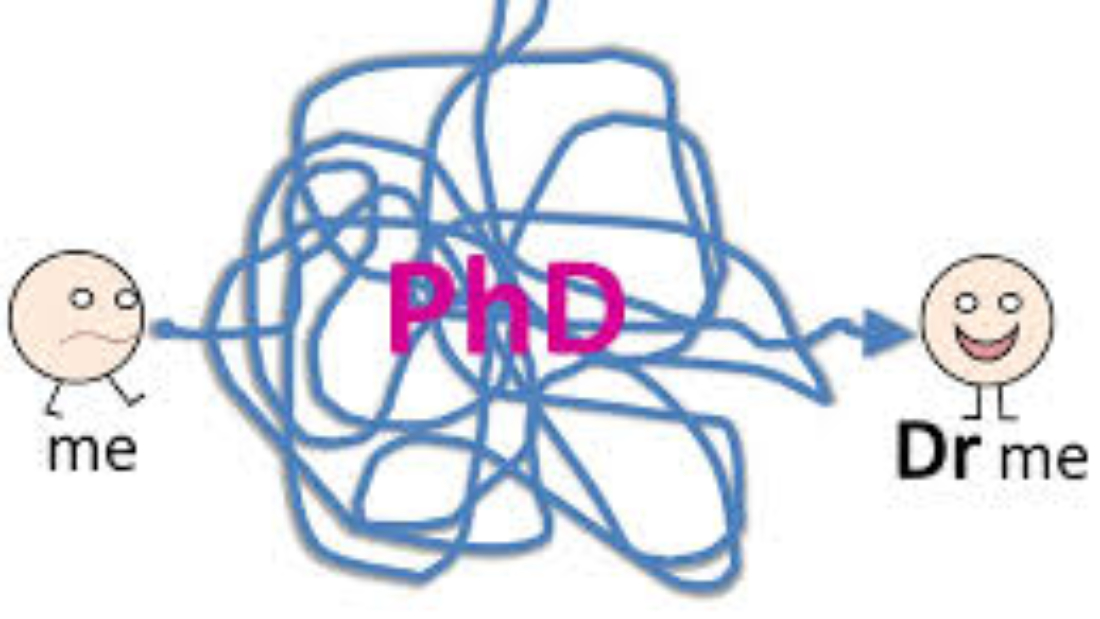
Nevertheless, even funnier ways exist:

12. Find your tribe

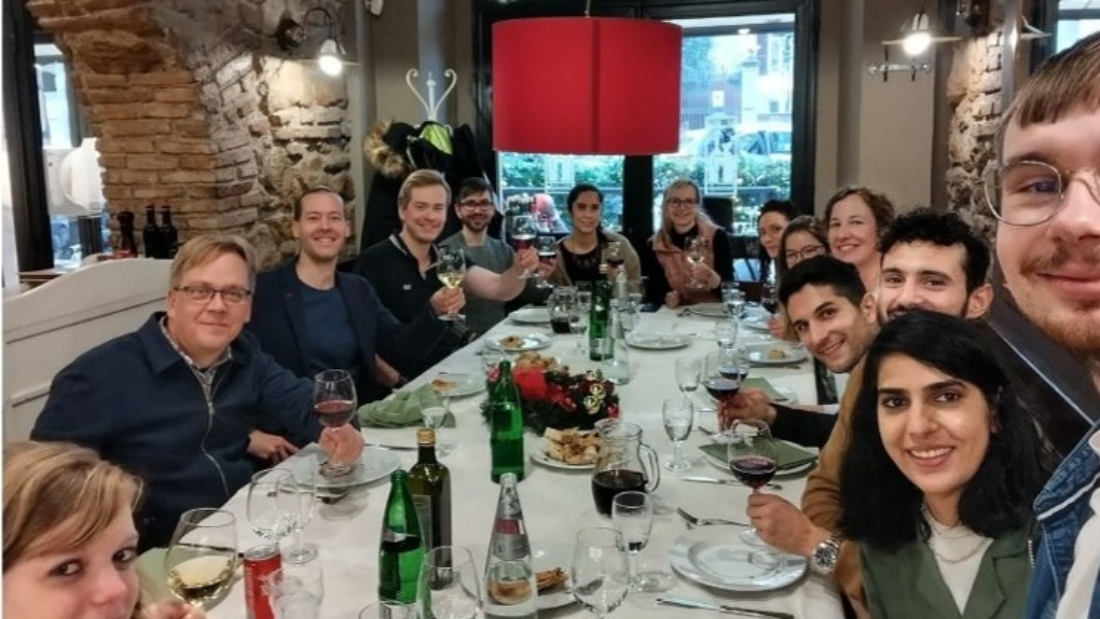
As said before, changing research environment can help you meet people working on similar topics and socialize your ideas outside your comfort zone. One of the most important consequences of “going outside” is that you will start reflecting on your own identity as a researcher. Accordingly, you will seek to engage with like-minded people that can either help you improve your papers or just represent a source of inspiration. This means finding your own “tribe”. As time passes by, I suspect this will become even more important, if someone wants to remain in academia: first, to maximize your impact and ensure funding for your research projects, you cannot be alone. Thus, finding co-authors or collaborators in your field may be necessary to achieve these goals. Second, I believe that the risk of feeling alone is quite high in this field; thus, feeling part of a community may help you reduce the risk of feeling lonely on an ivory tower.

13. Web3

Talking about your tribe, during my PhD I have changed ideas about the framing of my dissertation multiple times. Nevertheless, I have now understood that one pillar of my work concerns Web3. Digital Wallets, DAOs and tokens are all concepts that will most likely become even more important in the future. Even though I have so far focused on more incremental innovations that build on blockchain, I believe that being able to witness and study this (r)evolution is fascinating and is one of the main practical values added through my PhD Project. At the very least, because this is a rapidly-evolving field, where even those working in it still struggle to fully grasp its potential. If you want to know more about it, I dedicated one episode of my blog to this term.

14. AI can enhance our research:

Raise your hand if you have used ChatGPT or any other Large Language Models to boost your productivity. I believe that few people will not raise their hands. However, beyond ChatGPT (which has been already discussed by Vivian in a recent article), there are also other AI-powered tools that you may find useful. I share below a bunch of links:

      • Despite the cringe caption, I believe that this post offers some useful tips.

      • Tired of manually transcribing your interviews? If there is no sensitive information and your data protection office agrees, you should try Otter.ai or goodtape , which allows you to record and transcribe your interviews seamlessly .
      • ResearchRabbit is a nice website to look for papers and authors, monitor new literature or visualize research landscapes, while Elicit can be helpful if you need a quick literature review on a topic that you don’t know.

15. Cool geeky things

Talking about random but potentially cool tools, in the past few months I discovered these two websites:

  • Zoom has become an indispensable tool for attending online meetings or seminars. However, it’s normal to feel sometimes tired/bored after a day of online workshops or even just a long presentation.
    In this context, you may consider utilizing the “Sharing slides as a Virtual Background” Zoom function. This tool enables you to maintain eye contact with your audience while seamlessly transitioning through your presentation materials.
  • Bionic Reading This app aims at promoting reading and comprehension of textual content in a hectic and noisy world. Bionic Reading® revises texts so that the most concise parts of words are highlighted. This guides the eye over the text and the brain remembers previously learned words more quickly. Quite powerful (but pricey).

16. Differentiate between shadow and deep focus 

Talking about productivity and personal development, I believe that understanding the distinction between shadow and deep focus working is paramount. Inspired by the insightful teachings of Cal Newport in his book “Deep Work,” this concept emphasizes the significance of immersing oneself in undistracted, concentrated tasks. Shadow work, on the other hand, involves scattered attention and constant multitasking, often resulting in a superficial understanding of the work at hand. Newport’s book advocates for the cultivation of deep focus as a means to enhance creativity, productivity, and overall job satisfaction. As we navigate the fast-paced digital landscape, discerning between these two modes of working may help harnessing our full potential. Therefore, try to split your days in two moments: a longer timeframe when you deep focus, and a shorter when you answer to emails, make calls etc.

17. The importance of planning your next steps

While the intensity of thesis work may be all-consuming, taking the time to plan for post-Ph.D. life is a necessary investment. Whether pursuing a career in academia, industry, or entrepreneurship, having a well-thought-out plan enhances the transition. By incorporating future-oriented considerations towards the end of the Ph.D., you (I) can try to anticipate some challenges, e.g., funding, and explore possible solutions. Even though it is not easy, talking explicitly with your supervisor and peers about them is very helpful. This is why, as EINST4INE, we have been organizing a few events that aim at kickstarting these conversations.

18. The importance of making lists

Well, if you dared reading until this point, I hope you would agree with me that making lists is pretty useful. Both for the reader, and the writer. In the realm of academia, where the sheer volume of data and tasks can be overwhelming, lists serve as a compass, providing direction and focus. And, as in this case, may be a funny thing to read after sometime to reflect in hindsight on what I have done and to what extent I agree with the myself of some years ago!


OPPENHEIMER, written and directed by Christopher Nolan

Oppenheimer: The role of academia in technology innovation processes

As a fan of Christopher Nolan and a researcher in the innovation management field, I couldn’t help but be excited by the release of “Oppenheimer”. As you may know, the movie describes the life of the American theoretical physicist J. Robert Oppenheimer, focusing on his time as a student, his leadership role in the Manhattan Project to develop the atomic bomb, and his downfall after World War II.

Atomic Bomb vs AI: similarities and differences

The movie has sparked many conversations in the public opinion about how the development of the atomic bomb resembles the dangers of an uncontrolled Artificial Intelligence (AI) use (Scientific American; Guardian; Wired). While these two innovations have some similarities, it is important to recognize their differences, too.
First, as also Nolan noted: “It’s reassuringly difficult to make nuclear weapons and so it’s relatively easy to spot when a country is doing that. I don’t believe any of that applies to AI.” Second, while AI is a broad term that covers a wide range of tools, nuclear fission is a specific chemical reaction with clear and known applications. Third, in this regard, if the atomic bomb detonation is the expected result of a process controlled by humans, most generative AI models are currently neither explainable nor predictable black boxes (repeating the same prompt may produce different results for which the machine was not even trained).

Thus, what can we learn from this movie that could still be relevant today and for future (revolutionary) innovations?

I believe that the most important takeaway is that the role of academia should not only be limited to develop innovations; rather, academics should also be actively involved in setting the rules and sensitize for a responsible use of the technology they contributed to being invented.
I will tell you more about it in the next paragraphs.

Academic activism

Nuclear activism

“This isn’t a new weapon, it’s a New World.”

After the two atomic bombs were dropped on Hiroshima and Nagasaki, Bohr’s prediction came true. The world changed forever. This is when Oppenheimer joined the already heated debate on using the bomb and began opposing the development of the H-Bomb. On this matter, he says in the movie that:

Having played an active part in promoting a revolution in warfare, I needed to be as responsible as I could with regard to what came of this revolution.

However, this position turned to be more problematic than expected. Several scientists that played a key role during the war were increasingly excluded from influential positions when it came to the future of atomic energy, due to their criticism (Bulletin of the Atomic Scientists). For Oppenheimer, this period reached its peak with the loss of his security clearance (Avalon Project). Nonetheless, academia managed to play a vital role in regulating atomic energy.

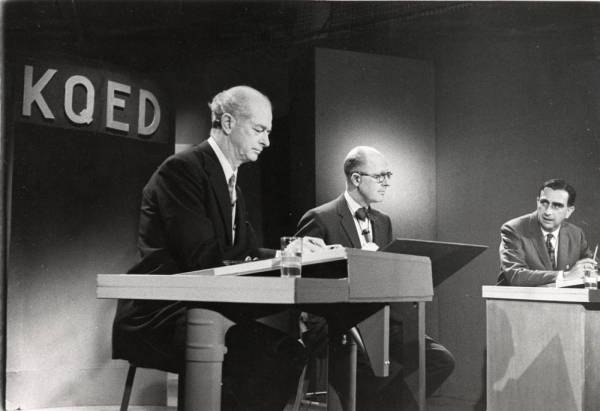
Particularly, Linus Pauling, an American chemist that received the Nobel Prize in Chemistry in 1954, had a huge influence on the U.S. public opinion in the disarming process and ban of nuclear weapons tests. In 1958, together with his spouse, he submitted a formal petition to the United Nations, urging the cessation of nuclear weapons testing. This document was signed by 11.021 scientists representing fifty countries. Moreover, Pauling also supported the research known as the “Baby Tooth Survey”, which provided legitimacy and a crucial boost to public opinion demands (Wikipedia).

Public pressure and the results of this research contributed to the signature of the moratorium on above-ground nuclear weapons testing, followed by the Partial Test Ban Treaty in 1963, between John F. Kennedy and Nikita Khrushchev. For his activism, Pauling received in that year the Nobel Peace Prize, which made Pauling the only person to have been awarded two unshared Nobel Prizes.

Linus Pauling debating Edward Teller on the topic of nuclear fallout: "The Nuclear Bomb Tests...Is Fallout Overrated?" KQED-TV, San Francisco. February 20, 1958. - Pictures and Illustrations - Linus Pauling and the
Pauling and Teller TV debate Source: Oregon State University

Other examples

Nevertheless, this is not an isolated case. The scientific community has played a pivotal role in regulating scientific innovations in other instances, too. The regulation of genetic engineering is another example (Krimsky, 2005).

The first publications describing the successful production and intracellular replication of recombinant DNA appeared in 1972 and 1973. Recognizing both the benefits and risks of this innovation, a group of experts (mainly biologists, but also including lawyers and physicians) met at Asilomar in 1975. During this conference, the experts discussed these concerns and a voluntary moratorium on recombinant DNA research was introduced for experiments that were considered particularly risky. These guidelines eventually informed the regulation set by the National Institutes of Health (USA) in the following years, which formally limited rDNA applications (Wikipedia).

Conclusion

The development of new technologies is leading us into an era of rapid transformation across various aspects of our lives. From Large Language Models to Blockchain, the pace of change is accelerating, while regulations often struggle to keep up (GZero).
In light of this, it is evident that academia’s role extends beyond just fostering the development and commercialization of new technologies. It also involves championing a responsible approach to innovation.

Engaged scholarship is a great starting point to increase the likelihood of advancing knowledge for science and practice (Van de Ven, 2007). However, as we have seen, sometimes the role of experts and citizens blur (Hoffman, 2016), making it necessary to reach another level of engagement: an engagement that leads to moving beyond the ivory tower of academia.


References

Hoffman, A. J. (2016). Reflections: academia’s emerging crisis of relevance and the consequent role of the engaged scholar. Journal of Change Management16(2), 77-96.

Krimsky, S. (2005). From Asilomar to industrial biotechnology: risks, reductionism and regulation. Science as Culture14 (4), 309-323.

Van de Ven, A. H. (2007). Engaged scholarship: A guide for organizational and social research. Oxford University Press, USA.

1680942590109

18 things I have learned in the first half of my PhD (part 1)

It seems yesterday that I have started my PhD but, when this blog will be out, I will have already completed the first half. To celebrate this milestone (or to convince myself that has been a fruitful journey), I decided to list one thing per month that I have learnt or discovered. Without further ado, we can start with the first nine:


  1. Learning is not a linear process

Despite this maybe being common sense for someone (or just my personal opinion for someone else), these months have clearly reminded me that to master a topic, two things are necessary: focused and extended practice.
First, I need to focus on a single project at a time. This means that multitasking or working on too many different tasks does not allow you (or, at least, me) to get over that wall you face when approaching a new topic. Second, I need to be consistent for an extended period of time (at least a few days of full concentration before gradually introducing other aspects/subjects). This prolonged practice involves not just reading, but also writing.

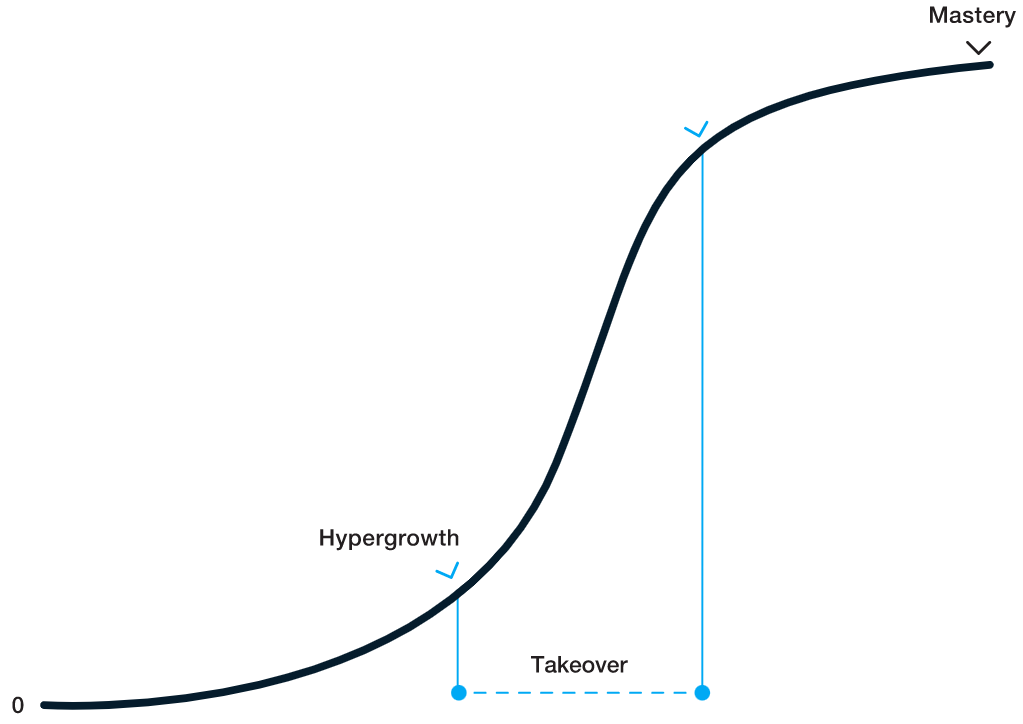
These principles resemble what is also known as the S-learning curve (see image below). This is a rather established concept in different fields, which I believe describes well my learning experience.
So, what I wanted to highlight in this blog is its main implication, i. e., the importance of not giving up when at first learning a new subject seems to be particularly difficult. Because, actually, this is how it is expected to be.


18 random things I have learned in the first half of my PhD (part 1)
S-shaped learning curve Source: McKinsey, 2019


  1. Learning is not just about how much you read, but how deep you go
    Regardless of the topic of your research, just few articles can be defined as foundational. All the rest concerns more marginal aspects of that theory or phenomenon. This means that you don’t need to dedicate the same amount of time to every paper. Just focus on identifying and reading the most relevant articles in your area of interest and this will be enough to set the ground for your research.
    However, these articles deserve a deeper reading to really grasp and internalize their contributions.

  2. Thinking (and writing) can be divided into different layers

While I was acting as a censor during a session of oral examinations, the professor I was supporting made me reflect on the way students were expressing their thoughts. The way he was evaluating them was well structured and made me notice that you could not expect a student to get the highest marks (and thus express more elaborated answers) if s/he had not implicitly answered to some basic questions.
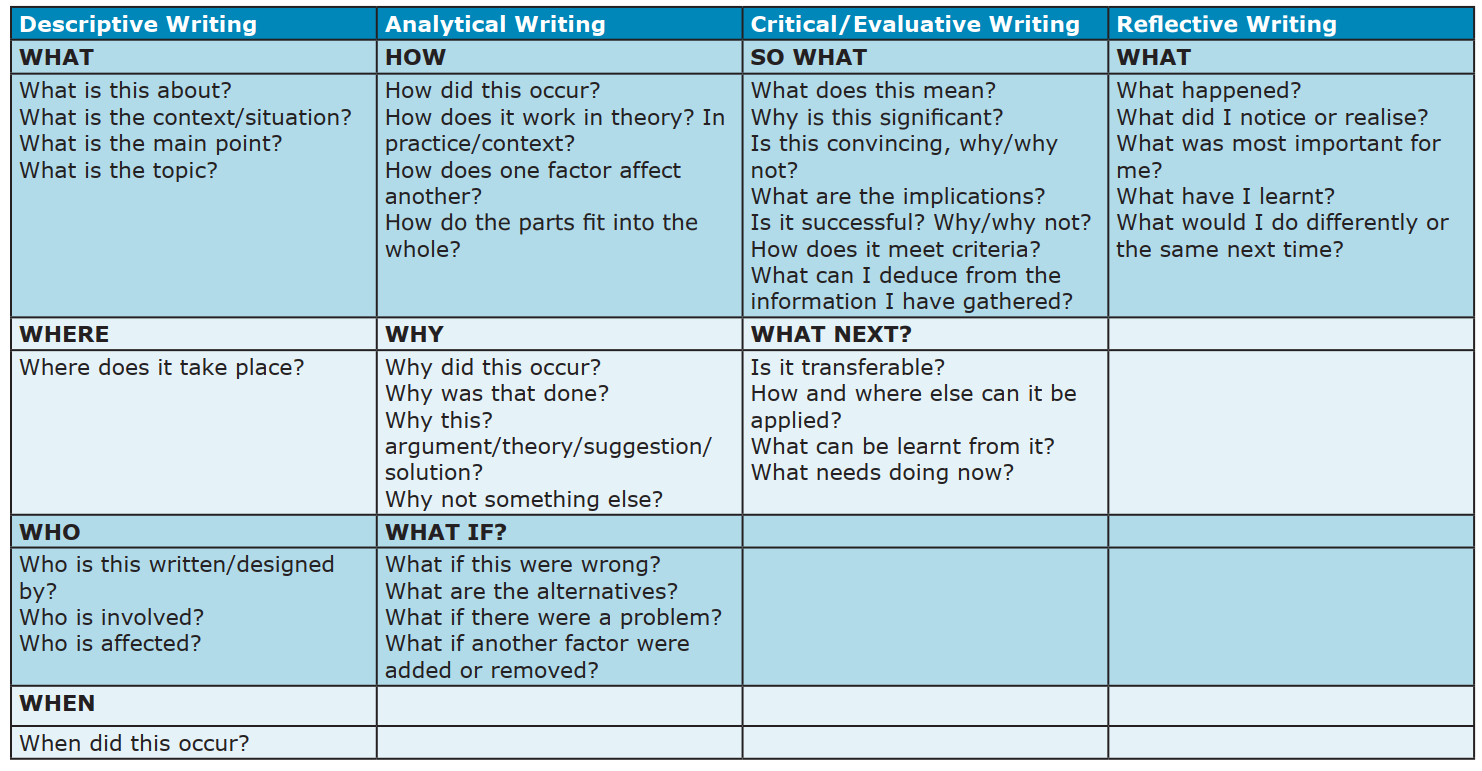
The table below exemplifies the questions characterizing the four levels of thinking/writing that he was following to assess the students: descriptive, analytical, critical and reflective.

What is the implication here? In my opinion, if we don’t have clear answers to the first questions, we cannot expect to reach the most advanced levels of thinking and writing on the topic we are studying.

18 random things I have learned in the first half of my PhD (part 1)
Four writing layers. Source: EIT

4.  Good research takes time:

After reading hundreds of articles and starting to write a couple of them, nothing is clearer to me than that good research takes time. And, for now, I am just referring to the planning and writing phase. This means that to identify the right research area, select the adequate case study, refine the research questions, collect data, analyse the findings and generate some valuable contributions might take years.
There is a reason why PhDs in Management in the US (and few other Countries) last for around 6 years, including two years fully dedicated to theoretical courses.

Nevertheless, the path does not end there. As the graph below shows, the review process is not free of hurdles, either. On average, this process takes almost 300 days in the area of management of technology and innovation. Everyone is free to draw their own conclusions here…


  1. Publishing a paper is not just about writing

In addition to all the previous steps, publishing a paper requires a thorough choice of the right framing for your research. This decision usually concerns:

  • what journal you are targeting;
  • choosing whether your paper should be theory or phenomenon-driven;
  • what theoretical lens is the most suitable to analyse your findings;
  • how to manage all the activities you are working on in parallel.

For this reason, you should consider at the outset in which journals the conversation you want to contribute is taking place, to avoid wasting time rephrasing the article accordingly at the end.

6.  Writing is not an easy task (for anyone)

Some takeaways from my experience:

  • To write, I need to have read what has been written before on that topic. Even though it might seem a trivial observation (and a boring activity), I believe that perfecting this exercise and taking your time to study the literature is a necessary step that can help avoid problems toward the end of the PhD;
  • When I read, I try to always have a general goal or direction in mind. However, these goals should not be set in stone, as you should keep refining the research objective and research gaps after every read paper;
  • Once I am ready to write the first section of a paper, having a structure in mind (reflected on the Word file) of what I would like to focus on makes my writing process more effective;
  • Always prioritize Freewriting (a technique in which you write down your thoughts without worrying about form or even grammar) and then, in the following waves, focus on adjusting and perfecting the style;
  • Another tip for improving (or forcing me) to write is joining a Writing Club. Writing Clubs are (virtual or hybrid) meeting where you can briefly talk about your writing goals and progress, writing together with your supervisor or other peers for a couple of hours.
  1. Writing is even harder, especially if you are a non-native English speaker.
    • During my stay at UC Berkeley I have attended a seminar called “How to Get Published in International Journals”, where the following provocative question posed by the lecturer caught my attention “If a native speaker has to rewrite a paragraph 10 times before arriving at the final version, how many times should you rewrite it?”
    • Writing in academic English follows rules that are mostly unfamiliar to researchers foreign to the Anglo-Saxon educational system. Therefore, proofreading services are necessary to decrease the likelihood that your research will be rejected because it does not meet the quality standards of a journal. If you want to know more about this topic, this book resumes the five essential strategies for maximizing your publication chances:
      • Analyzing journals both for elimination and for submission
      • Organizing and arguing in Aristotelian logic
      • Editing for strength (less is more)
      • Editing for clarity
      • Revising rigorously for language, clarity, argumentation, punctuation, etc.


  1. The importance of planning and organizing your work
    • As said before, a PhD is a long and winding path where there is always the risk to lose motivation, self-confidence and your final goal.
    • Notion and OneNote represent two easy but very powerful management tools that have been helping me to keep track of my progress over the years.
      Another useful resource is the YouTube channel below.

9. The importance of finding distractions outside academia

    • Being a PhD should be part of your life and not vice-versa (even if sometimes it is difficult to see the big picture while you are immersed).
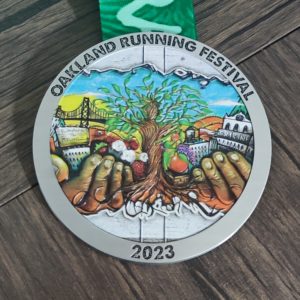
    • This is an advice that I have received multiple times. So, after a first year of PhD full-immersion, I decided to dedicate more time to one of my main passions: running. The result is that in March 2023 I completed my first half-marathon!


Oakland Half-marathon medal Source: photo taken by myself
Web3: a democratic revolution?

Web3: a democratic revolution?

Old wine, new bottles

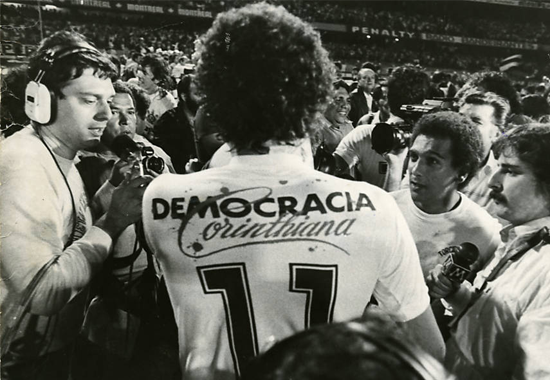
In the early 1980s, in a Brazil plagued by dictatorship and economic stagnation, a soccer player succeeded in transforming the structure of one of the most famous Brazilian football teams, named Corinthians, into the only shared governance laboratory in the football world.
A revolution that has gone down in history as Democracia Corinthiana.

Tired of the way the players were treated and some of the decisions made by the previous president, Socrates, in agreement with the rest of the team, convinced the club’s new management that any decisions would have to be discussed at an assembly and then put to a vote by all employees. From the transfer window to the redistribution of the economic income, everything had to be decided in a democratic manner (1).
The experiment had its ups and downs, including a brief period of rather confusing total self-management that led to much criticism from the club’s advisors. At that moment, the team realized that the only way to continue the experiment was to win. And so it did.
Between 1982 and 1983 Corinthians returned to win the championship for two consecutive years, as it had not happened since the 1950s (2).

Web3: a democratic revolution?
Figure1: Socrates wearing the Corinthians’ shirt. Source: Medium


Inspired by the reading of a recent book called “Think Blockchain“, written by Jerry Cuomo (IBM Fellow, VP and CTO of Technology & Consulting), I will explain in the next sections why this ideal of shifting profit and control from the managers to the content creators stands at the foundation of the Web3 development and how things are going so far.


Context

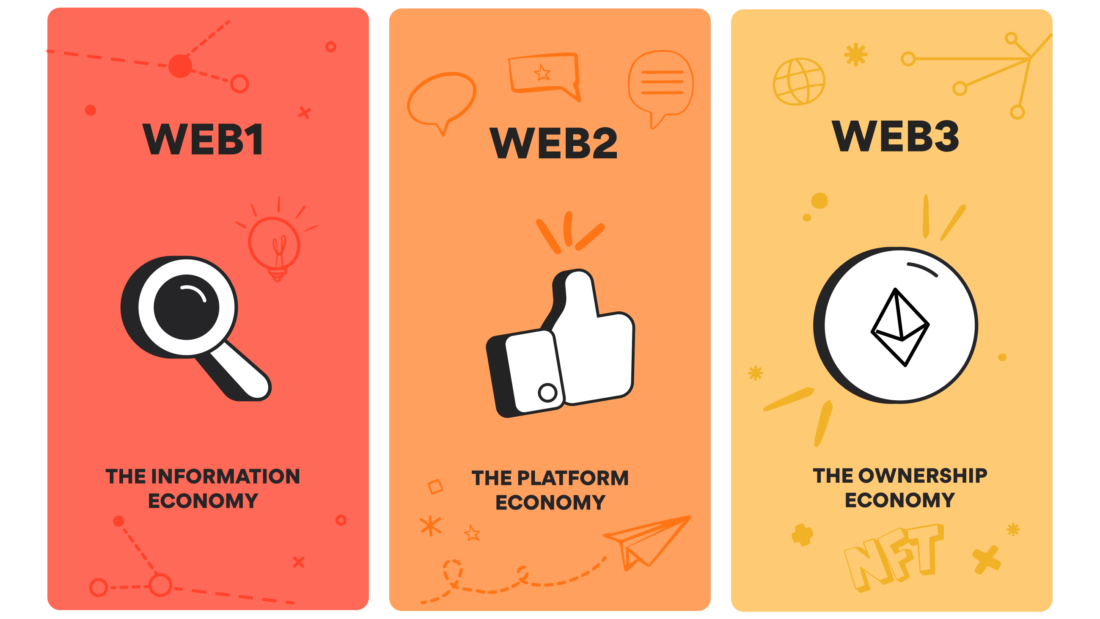
The current phase of the internet is defined by accessing and creating content. Web2 is dominated by centralized companies, e.g., Big Tech such as MAMAA, which provide services in exchange for accessing and monetizing users’ personal data. On the contrary, the next phase aims at leaving the ownership of data and information to the content producers, i.e., us, without transferring the potential value created.

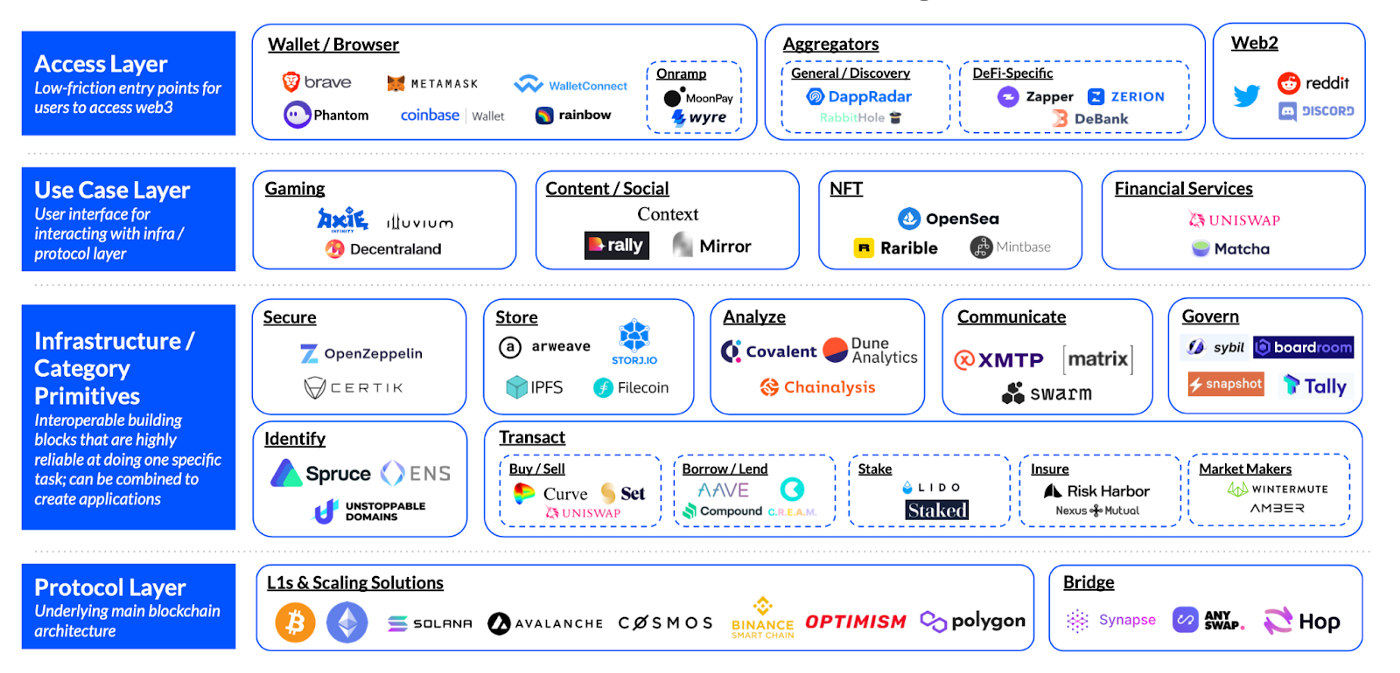
However, the Web3, term originally coined by Ethereum co-founder Gavin Wood in 2014, offers much more than this. The rise of products related to the token-economy, e.g., NFTs, is an example, but Figure 2 offers a more comprehensive overview of the different use cases and of the companies involved at each layer.

The Web 3 Stack
Figure2: Companies operating in the Web3 space divided per layer of the Web3 Stack. Source: Coinbase

Architecture

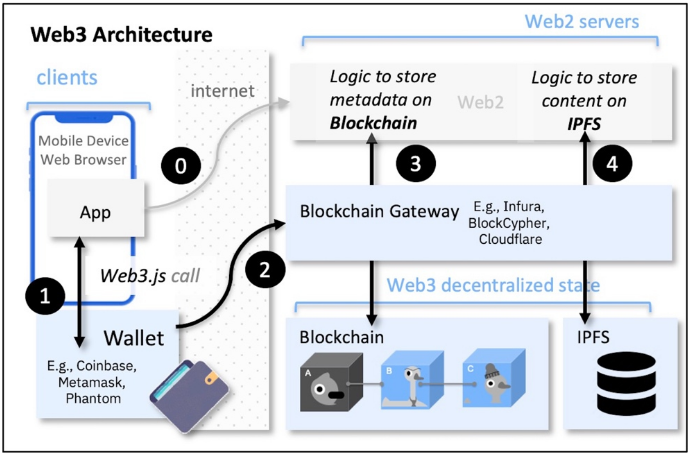
Contrary to its previous version, Web3 will be built using Decentralized Peer-to-Peer networks, Artificial Intelligence, Crypto-wallets, and distributed ownership of Protocols rather than corporate servers. Nevertheless, Web3 represents an extension more than a replacement of Web2, as it will enable to “off-board” key personal and application data from centralized organizations to decentralized wallets, blockchain and storage networks, under the control of the user (3).

Web3: a democratic revolution?
Figure3: Web3 Architecture taken from J. Cuomo’s book “Think Blockchain”

Characteristics

After having spoken about the architecture, we should now move to the main features characterizing Web3: (3) (4)

  • Distributed and Decentralized Governance:
    • Respectively, the record of all transactions is stored and shared across all the actors of the network and no single actor controls the operation of the blockchain.
      For more details of this process, check Philipp‘s blog on the topic.
  • Universal Identity:
    • An anonymous single-sign-on will allow to use just one username and authentication method across all websites, rather than individual logins, without the need to share personal information. In fact, thanks to Web3 wallets backed by blockchain, the user always retains control of the personal data and login credential.
      • An example of a Crypto-wallet is CoinBase, already valued more than $11 billion in terms of market cap.
  • Token-based:
    • Activities that contribute to Web3 will be rewarded by a token (either NFT or fungible) to incentivize participation and distribute ownership. This token can be “minted” (generated) and stored into a crypto-wallet.
      • An example is Pixie, the world’s first fully functional decentralized photo and video sharing social network based on blockchain crypto economics. Pixie, like a crypto version of TikTok or Instagram, encouraging users to create quality content and interact constructively with fellow users, thus all the content can circulate inside Pixie effectively (5).
  • Self-governing:
    • Blockchains will rely on the entire network to verify an activity via consensus. However, specific governance mechanisms can be established to democratize decisions, based on the quality or volume of a user’s investment into a site or DApp. Thus, when the rules are set, new forms of organization can arise, thanks to the execution of smart contracts.
      • An example is BitDAO, a Decentralized Autonomous Organization (DAO) with one of the largest and most diverse token-governed treasuries in the world and more than $2.5 billion invested (3).
  • Immersive and augmented experience
    • As described by Nicola in a previous blog post, the combination of decentralized solutions and immersive technologies coming to maturity may give birth to decentralized Metaverses, providing an open exchange of digital assets.
      To give you a sense of what this buzzword means, here there is a list of examples coming from the manufacturing industry and the entertainment sector.

      • BMW’s future factory developed on Omniverse platform;
      • Volkswagen’s experience with Web3;
      • Renault unveiled a partnership geared towards offering virtual automobile experiences by leveraging blockchain technology and Web3-based solution;
      • For entertainment there are a lot of examples like, Sandbox and Decentraland.

A longer list spanning across different industries has been prepared by Rejolut and can be found here.


Critics

As for every innovation, limits and possible negative externalities have to be considered. In this case, the criticism concerns its feasibility, due to hurdles around scalability, control, and adoption that must be overcome (4). You can find some interesting commentaries below:

Moreover, a policy brief published last March by the Bennett Institute for Public Policy in Cambridge warned against several risks related to the immutability of the blockchain (Online safety), the diffusion of cryptocurrencies as an incentive to ransomware attacks and a possible threat for unprepared consumers.
The report concludes that even though some market intermediaries are extractive rentiers, many others play value-adding governance roles that cannot be replicated with smart contract code. Thus, trusted central authorities will still keep a key role, making blockchain a redundant solution.


Conclusion

Being a new phenomenon, there are still more questions than answers about the future of Web3. However, I hope that this blog has helped to clarify some aspects related to its architecture, its relationship with blockchain, and has sparked interest in critically analysing its pros and cons.

Now, let’s move to the third episode of my column!


Surfin’ Internet


Feel free to comment and share your thoughts on this topic, see you soon!


References

(1) https://www.ultimouomo.com/buon-compleanno-dottor-socrates/

(2) https://www.ilpost.it/2021/12/16/socrates-democrazia-corinthiana/

(3) Jerry Cuomo, Mark Parzygnat, Shaun Lynch, Irving Wladawsky-Berger. (2022). “Think Blockchain: A Student’s Guide to Blockchain’s Evolution from Bitcoin, Ethereum, Hyperledger to Web3.”

(4) https://eco.brainsy.com/kb/article/web3-defined

(5) Pixie: The blockchain social platform taking the internet by storm (cointelegraph.com)

Alex Murray, Dennie Kim, Jordan Combs. (2022). The promise of a decentralized internet: What is Web3 and how can firms prepare?. Business Horizons.

What is an ecosystem? Comparing industrial and academic perspectives

What is an ecosystem? Comparing industrial and academic perspectives

A terminology swamp

As I wrote in the last post, in June I participated in the first two live conferences of my PhD.
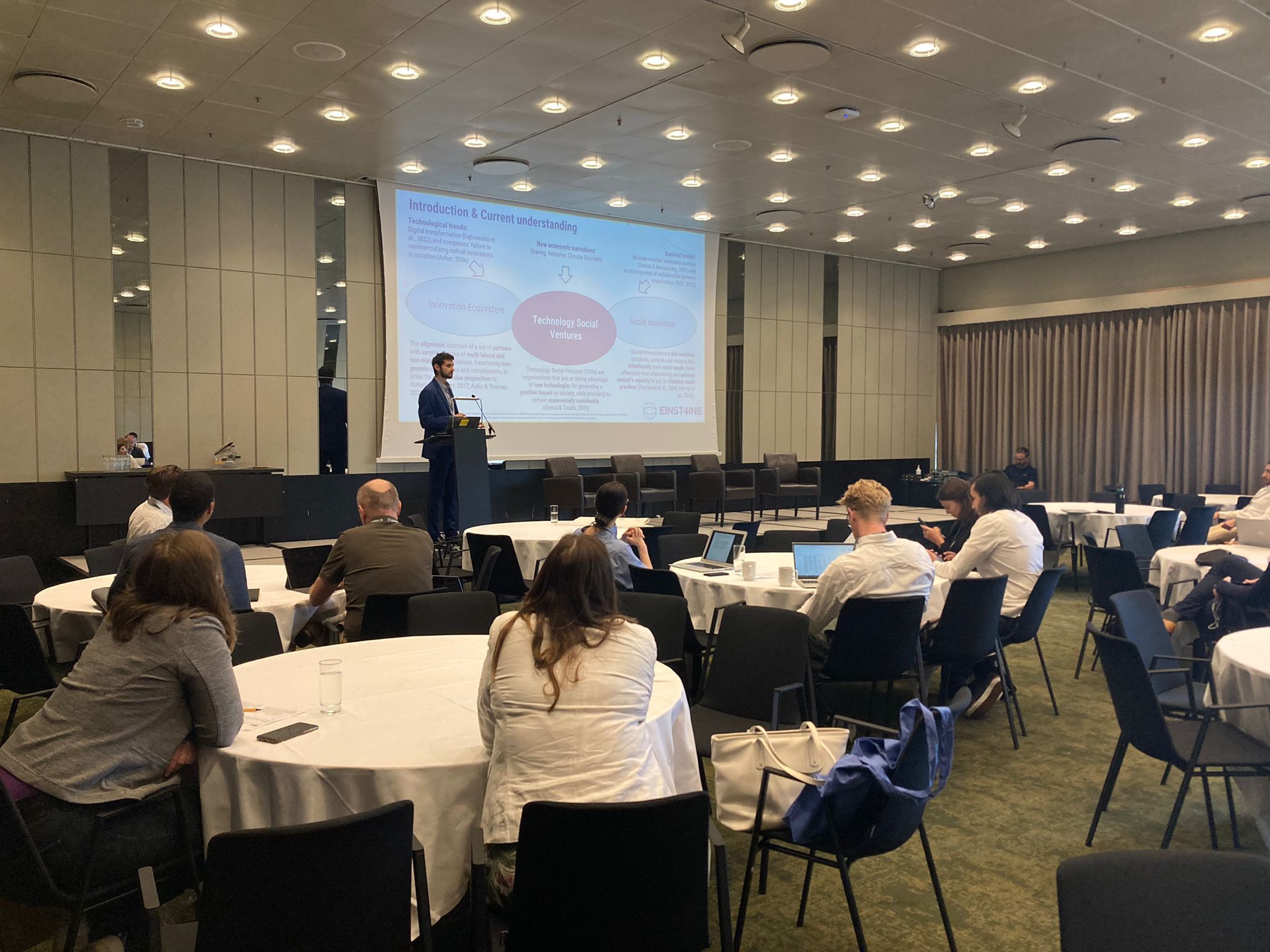
At ISPIM, I presented a preliminary study on Technology Social Ventures (TSVs), namely companies with a social mission and a tech-based strategy, taking an ecosystem perspective. Instead, at EURAM, I shared the findings of a work focusing on the entrepreneurial level, to understand how TSVs manage the social and technological component of their strategy.

Photo taken during my presentation at ISPIM 2022, Copenhagen


Based on that, you may have realized that my main research interests lie at the intersection between technological innovation, societal challenges and ecosystems. Today, I would like to talk about this last topic.
Indeed, taking inspiration from the conversations I had at ISPIM conference, I realized:

  • First, how difficult it is explaining what an “ecosystem” is to someone not working in the field.
  • Second, scholars apply this concept in different ways and contexts, not always highlighting the differences.
  • Third, despite its wide adoption in the industry, practitioners usually refer to the classic conceptualization of business ecosystem, neglecting the other definitions identified in the literature.

Therefore, in this blog I would like try to address this mismatch providing a brief overview on what characterizes an ecosystem, according to the literature.

Why

But before that, why are we even talking about ecosystems in the management literature? To answer this question, we should go back to the early 90s, when J.F. Moore adopted a Darwinian perspective to describe market competition’s dynamics. He argued that:

“Successful businesses are those that evolve rapidly and effectively.”

That is, those who are best able to adapt to the environment. Yet innovative businesses can’t evolve in a vacuum.
In fact, drawing from other recent anthropological and biological discoveries, he suggests that a company can be viewed not as a member of a single industry but as part of a business ecosystem that crosses a variety of industries (Moore, 1993).

However, the diffusion of this concept remained latent for almost a decade, until Iansiti and Levien (2004) recalled it in their HBR Article titled “Strategy as Ecology”. Finally, it is a few years later, when Adner (2006) showed how most traditional companies fail to commercialize breakthrough innovations in isolation, that the ecosystem concept definitely took hold.

Most likely, one of the enabling factors of the increasing adoption of this term in the late 2000s is the advent of digital technologies. Accordingly, collaborations between organizations became easier and more frequent, making the proper management of interdependencies crucial, as predicted by Moore three decades ago.

What

That said, what is an ecosystem?

An ecosystem can be defined as “an interdependent network of self-interested actors jointly creating value” (Bogers et al., 2019). In other words, we can see an ecosystem as a set of organizations collaborating to offer a specific product or service, without having formal bonds or hierarchical relations.

However, ecosystems can take several forms, which makes our blog even more interesting (or complex, depending on the perspective 🙂 ). Here, I will briefly present four of them (Scaringella & Radziwon, 2018), starting from the most embedded in the geography literature to the most abstract one:

  • Entrepreneurial Ecosystem:
    • “a set of interdependent actors and factors coordinated in such a way that they enable productive entrepreneurship within a specific institutional context” (Stam, 2016);
      • Example: Typically these studies examine a high-technology cluster or the linkage between universities and local companies, such as Silicon Valley.
  • Knowledge Ecosystem:
    • “users and producers of knowledge that are organized around a joint knowledge search, and as such need to be located in close proximity” (Järvi et al., 2018; Van der Borgh et al., 2012).
      • Example: The High-Tech Campus Eindhoven (HTCE), in the Netherlands, served as the object of the study for Van der Borgh et al. (2012).
  • Business Ecosystem:
    • “a system in which companies coevolve capabilities around a new innovation, developed by a focal firm. They work cooperatively and competitively to support new products, satisfy customer needs, and eventually incorporate the next round of innovations” (Jacobides et al., 2018; Moore, 1993).
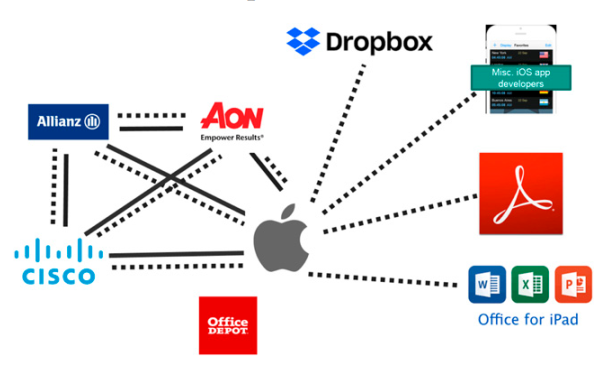
      • Example: Apple is the leader of an ecosystem that crosses at least four major industries: personal computers, consumer electronics, information, and communications (Moore, 1993).
  • Innovation Ecosystem:
    • “the alignment structure of a set of actors with varying degrees of multi-lateral, non-generic complementarities that are not fully hierarchically controlled, providing components and complements, in order for a focal value proposition to materialise” (Adner, 2017; Jacobides et al., 2018)
      • Example: Digital platforms such as the Apple Store can be described as innovation ecosystems. Instead, the Michelin’s PAX run-flat tire system presented by Adner (2017), represents an example of a non-platform based ecosystem, requiring an alignment between the actors to let the innovation materialize.
Description of the iOS ecosystem, taken from Shipilov and Gawer (2020)
Description of the Apple Store ecosystem, taken from Shipilov and Gawer (2020).

How

After having seen the definition, now I will report some of the main elements that help to identify an ecosystem from other concepts.

Among the most relevant factors, we can mention:

  • Complementarities
    • Three types of complementarities exist.
      • Unique: The first one means that A wouldn’t function without B (and, in case of co-specialization, viceversa), requiring coordination among the actors to achieve success.
      • Supermodular or “Edgeworth”: complementarities describe a relation between two objects, which can be two different products, assets, or activities, where more of A makes B more valuable.
      • Generic: even though a particular good or service may be needed for the production of a complex value proposition or innovation, that good or service may be generic (i.e., standardized) enough for firms to draw on it with little concern for governance structure or risks of misappropriation.

Ecosystems must be identified just with the first two typologies (Jacobides et al., 2018).

  • Interdependencies

While complementarities represent an economic relationship in terms of the potential for value creation, interdependencies represent a structural relationship between offers, in terms of how they are connected for the value to be created (Kapoor, 2018).
In a nutshell, this means that they are even more complex to manage, because they are not directly related to an economic exchange.
To be clearer, I will report an example related to Tesla, drawn from Kapoor (2018):

  • The structure of interdependencies between car producer and cell producer is distinct from the structure of interdependencies between car producer and charging infrastructure provider:
    • The first one has a direct relation;
    • The second one has a indirect relation, mediated by the user;
    • Moreover there are other interdependencies between cell producer and charging infrastructure provider or even between charging infrastructure and the electricity grid.

Therefore, the core concern for research grounded in an ecosystem perspective is to explain firms’ strategies and outcomes through the lens of such complementarities and interdependencies.
It follows that the co-evolution of actor’s strategies represents another key element, given the kind of relationships that exist between them (Ritala & Almpanopoulou, 2017), as well as the existance of a system-level outcome (Autio & Thomas, 2021).

Finally, we should highlight that these relations between different parties are usually multi-lateral and not hierarchically or formally controlled, compared to the dyadic relations that can be found in other structures, such as supply chains, markets and networks (Adner, 2017; Shipilov and & Gawer, 2020).

As you can see, talking about ecosystem means looking beyond the strict boundaries of an organization, something that now is more needed than never, given the complex societal challenges we are facing. And this is what I like the most about this concept, as it is an example of how and why managers should adopt wider lenses to define their strategies (Adner, 2012), aligning them with all the relevant stakeholders.

I hope that this post helped to clarify (even though in a non-exhaustive way) the ongoing conversation about ecosystems.

Now, it’s time for the second episode of my column!


Surfin’ Internet

  • Video:
    • If you haven’t had enough on ecosystems yet, this Debate from DRUID Conference 2019 won’t let you down.


  • Academic article
    • In this recent article introduced by Denny Gioia, Gabriela Rivera displays all the contradictions and mixed messages PhD Students have to deal with, while embarking in the first year of their Doctoral Program.
  • Tweet
    • Unless you have a natural talent, writing is never easy. And writing with an academic style can be even more painful. Here you can find a nice tip to improve your writing style.


Bibliography

Adner, R. (2006). Match your innovation strategy to your innovation ecosystem. Harvard business review84(4), 98.

Adner, R. (2012). The wide lens: A new strategy for innovation (Vol. 34, No. 9). Penguin Uk.

Adner, R. (2017). Ecosystem as structure: An actionable construct for strategy. Journal of management43(1), 39-58.

Autio, E., & Thomas, L. D. (2021). Researching ecosystems in innovation contexts. Innovation & Management Review.

Bogers, M., Sims, J., & West, J. (2019). What is an ecosystem? Incorporating 25 years of ecosystem research. Proceedings. https://doi.org/10.5465/AMBPP.2019.11080abstract

Iansiti, M., & Levien, R. (2004). The keystone advantage: what the new dynamics of business ecosystems mean for strategy, innovation, and sustainability. Harvard Business Press.

Jacobides, M. G., Cennamo, C., & Gawer, A. (2018). Towards a theory of ecosystems. Strategic management journal39(8), 2255-2276.

Järvi, K., Almpanopoulou, A., & Ritala, P. (2018). Organization of knowledge ecosystems: Prefigurative and partial forms. Research Policy47(8), 1523-1537.

Kapoor, R. (2018). Ecosystems: broadening the locus of value creation. Journal of Organization Design, 7(1), 1-16.

Moore, J. F. (1993). Predators and prey: a new ecology of competition. Harvard business review71(3), 75-86.

Ritala, P., & Almpanopoulou, A. (2017). In defense of ‘eco’in innovation ecosystem. Technovation60, 39-42.

Scaringella, L., & Radziwon, A. (2018). Innovation, entrepreneurial, knowledge, and business ecosystems: Old wine in new bottles?. Technological Forecasting and Social Change136, 59-87.

Shipilov, A., & Gawer, A. (2020). Integrating research on interorganizational networks and ecosystems. Academy of Management Annals14(1), 92-121.

Stam, F. C., & Spigel, B. (2016). Entrepreneurial ecosystems. USE Discussion paper series16(13).

Van der Borgh, M., Cloodt, M., & Romme, A. G. L. (2012). Value creation by knowledge‐based ecosystems: evidence from a field study. R&D Management42(2), 150-169.

My first six months (and a new column!)

My first six months (and a new column!)

Welcome to the second post of my blog!

This time I will start by resuming the main highlights of this first semester, before telling you more about my plans for the future. Finally, I will present a brand new column where I intend to share some curious content that caught my attention while surfing the internet.

What have I done?

As I am now 6 months into my PhD, I think I have already had a taste of what a doctorate is all about. I have attended several interesting courses and seminars, submitted my first papers, worked long hours and made calls at unusual times (the West Coast time zone did not help), but I have also had a lot of flexibility and, most importantly, I have started to give my small contribution to share knowledge on the topics that interest me most.

First, I had the chance to give two lectures in a MSc course called “Sustainability in a Business Development Perspective” about “Social entrepreneurship in a digital context” and “The Impact of Sustainability on Today’s Management”, at Aarhus University.
Even though I was very lucky because I could teach two topics of my interest, I have to admit that at the beginning it felt a bit weird to be on the other side of the desk, as you have almost the same age of the students in front of you. But when you have the opportunity to share your experience and knowledge about something you are passionate about, then everything becomes easier and more natural. Moreover, I think this opportunity also helped me in strengthening old relationships and building new ones. First, because I got in contact with some former colleagues of mine at PwC Italy. They helped me to invite a Manager, who gave us an overview on the last developments around Non-financial reporting matters. Secondly, because this topic sparked a discussion with some working students that went beyond the four walls of the classroom and had positive implications on their job.


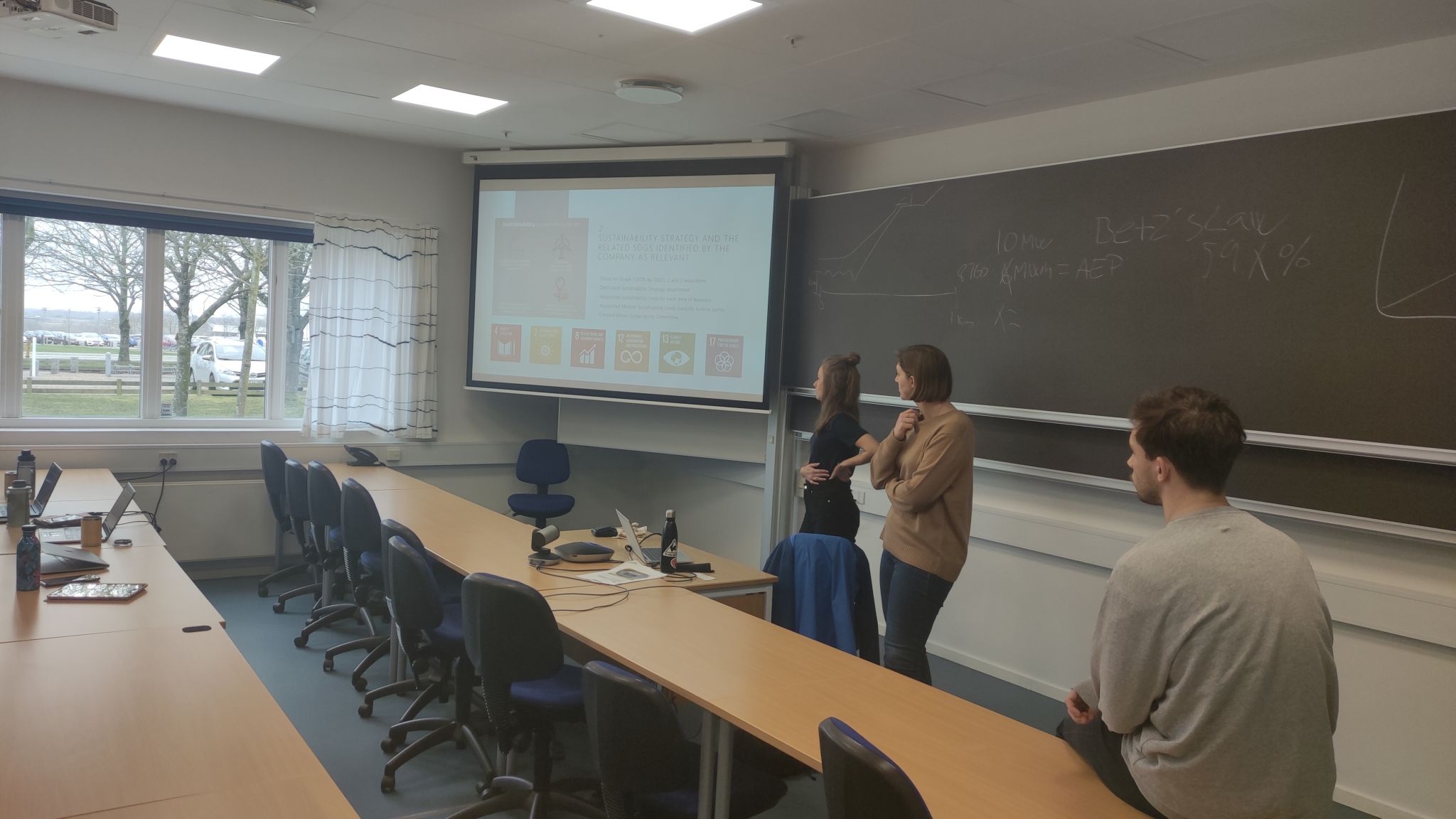
Photo taken by myself, during the “The Impact of Sustainability on Today’s Management” class, Aarhus University

Then, I also virtually participated in my first conference, at NEST. Even though I could not join it in person, it was a nice opportunity to receive feedbacks from other early stage scholars, to get to know their research and see how the topics that I am going to write about are addressed in a rather different yet connected field, i.e. Sustainability Transition.

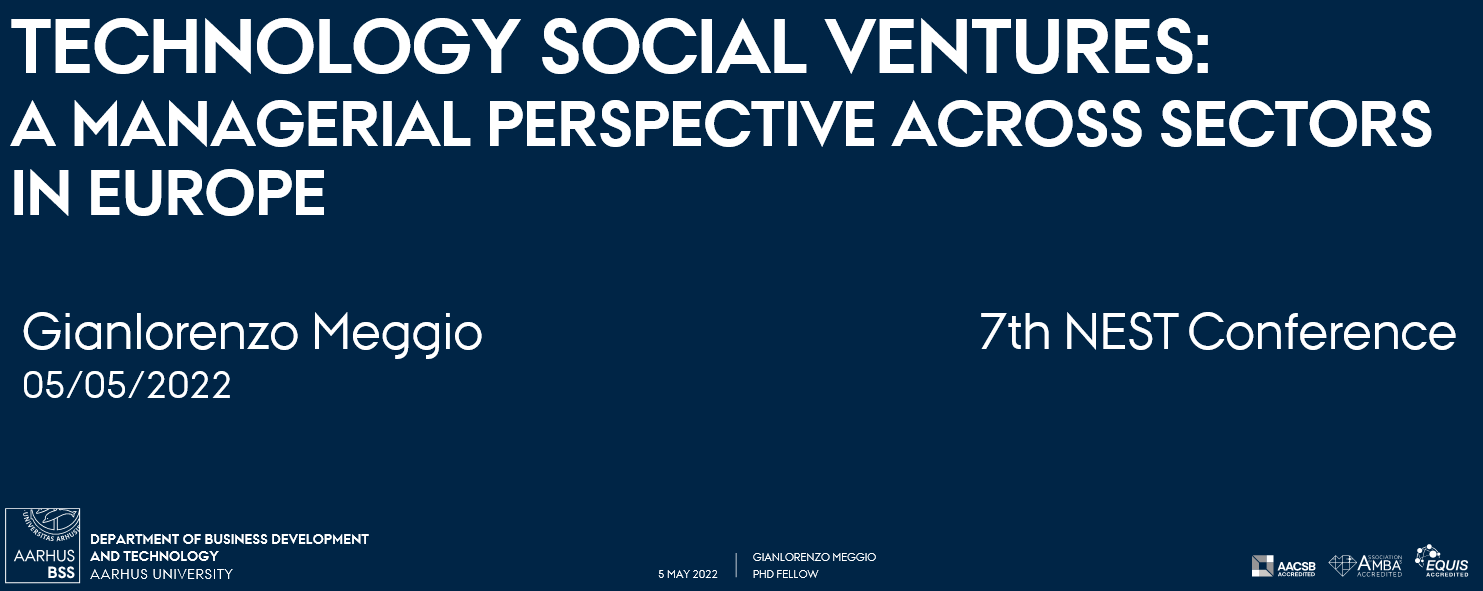
Cover of the PPT presented at the 7th NEST Conference

What will I do?

In this period, I have also received the first responses related to the works I submitted in the previous months. They have all gone well, which means that I will be able to travel a lot in the next few weeks! In June, I will be first in Copenaghen and then in Zurich, respectively to attend ISPIM and EURAM. In these two conferences, I will present my research-in-progress on Innovation Ecosystems and Technology Social Ventures, two of the topics that I want to deepen during my PhD and that I will talk about more in the next blogs. Then, after a couple of weeks I will be flying to Barcelona for the first EINST4INE Summer School – if you are interested, morning sessions will be open (online) to external participants. In that occasion, together with other 3 ESRs, I will run our first Industry engagement activity, i.e., a contest in which the ESRs will have to find a solution for the challenges proposed by the companies part of the consortium. A great chance to put in practice our knowledge and understand the main interests of the industry partners.

Finally, after the Summer Break, I will take part to the 82nd Annual Meeting of the Academy of Management, in Seattle. This year’s theme is “Creating a Better World Together” and I will be involved in the organization of the Paper Development Workshop on “Researching Open Innovation”. Being the most important conference in the field, I cannot hide that I am really excited. It will be a great learning opportunity to personally meet the most talented scholars from all over the world and to better understand how the academic world works overseas. Moreover, it will be the first live event after the pandemic, so I guess that everyone will be very excited.

All this travelling will mean that my writing will be temporarily put on hold, but I hope that these weeks will represent a great source of inspiration for the work that I will do in the upcoming months. Therefore, the main goal will be to get to know new people that work on similar topics and put some gas in the tank in terms of ideas and useful academic references. Looking forward, this could also be a great opportunity to build relationships that could potentially evolve into future collaborations.


Surfin’ Internet

Since the main goal of a PhD is to research, ask new questions (and sometimes give answers), this column aims to collect material that I have found useful or that has piqued my curiosity in recent times.

  • Video:
    • The quality of the material shared by the New Scholars Network is absolutely stunning. You can attend webinars hosting the most renowned scholars, interact with them, and even watch most of the recordings whenever you want on their YouTube channel. In addition, it is also a great way to stay up-to-date on the latest articles published in the field of management.


  • Academic article
    • In his latest article, J. Kirchherr, researcher at Utrecht University and Associate Partner at McKinsey & Company, writes about the “​Bullshit in the Sustainability and Transitions Literature: a Provocation​”.
      Beside the rant being addressed at one specific topic, it is a good reminder for all researchers writing on a trending topic, regardless of their academic field. That said, there is no doubt that sustainability has become a buzzword and we should all be careful how we use it, unless our goal is to devalue it.
  •  Tweet
    • In this thread, G. Krlev describes his (almost) endless journey in search of a tenure track position.
      It sounds a bit scary, but I think it offers a nice overview over the idiosyncrasies of the academic world and some food for thought about the lessons learnt during this process.

I would be curious to know your perspective, so, feel free to comment the post.

That’s all for today, see you soon!

Einst4ine team

Wait but why?

The purpose

“I know that I know nothing”.

This is the aphorism that sums up the famous Socratic paradox, according to which the first step to knowledge is to recognize one’s own ignorance. Beyond its original meaning, I think this concept summarizes very well also the spirit in which I am embarking on my PhD journey.

In my opinion, there are two ingredients that are necessary to conduct meaningful research: being able to recognize the shortcomings of current theories and formulate the right question in order to address these gaps.

Then, based on these questions, being a researcher means making hypotheses, testing and analyzing results in order to propose concepts and claims that no one has ever proven before. In short, it means to innovate, starting from the awareness that some pieces are still missing to completing the puzzle.

Back to the roots

But what does it mean to innovate? Why do we do it?

Since I was a child, I have always been attracted by everything that was innovative, especially if it was related to technology. In retrospect, it was probably for these reasons that I enrolled in an engineering degree, having the curiosity to understand how these innovations work. But until a few years ago, I had never reflected on these two questions.

According to Schumpeter, an innovation represents the combination of new and existing ideas disturbing the current economic equilibrium. Building on that, there are two main reasons why this word has become increasingly more important in our society:

  • on a macro level, innovation is the main reason why the world’s economy has been steadily growing, a factor that has also ensured a general improvement in living conditions over time;
  • at the micro-level, innovation allows companies to be competitive and, in short, to increase the chances to survive in the long term.

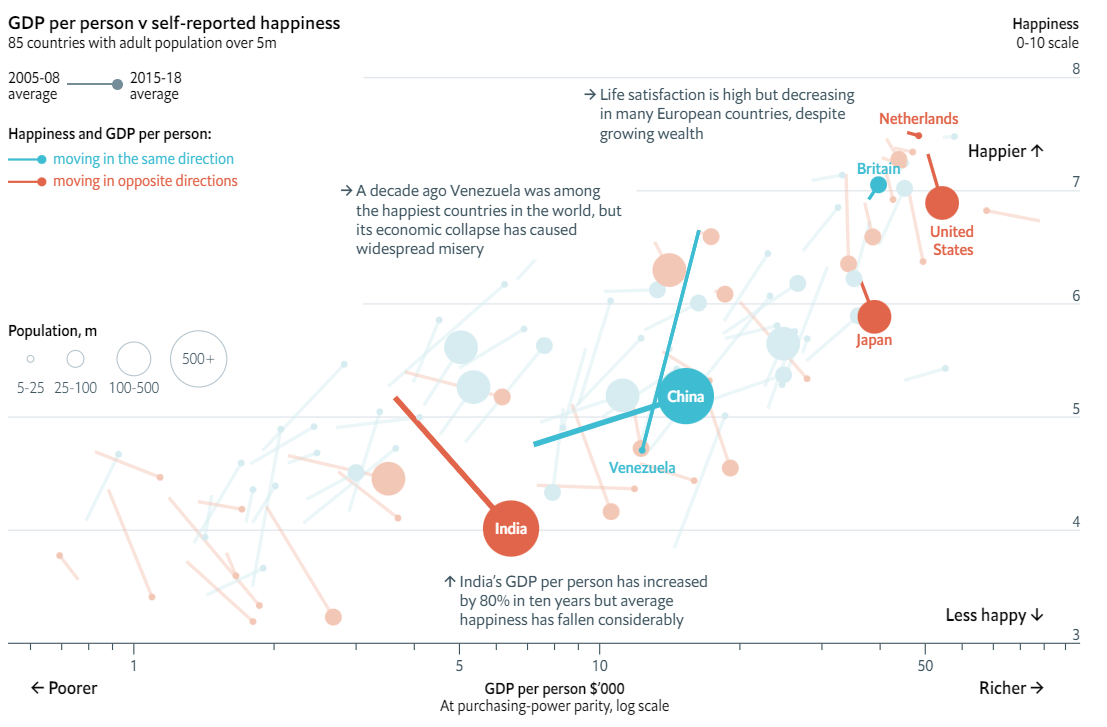
Despite these positive outcomes, in the last century humanity has also realised that the implementation of new ideas or technologies can no longer fail to take account of the externalities generated. Examples can range from e-scooter sharing, to AI up to the atomic bomb. Moreover, it is now widely known that the correlation between GDP per capita and life satisfaction is far from perfect.

PhD life and why doing research
GDP per person compared to perceived happiness. Source: https://www.economist.com/graphic-detail/2019/03/21/economic-growth-does-not-guarantee-rising-happiness

Mindset’s change

This is the main factor whereby I decided to choose a master’s degree focused on sustainability and social innovation, where I could deepen how the market dynamics and the human factors affect the success or failure of an innovation. Indeed, as Henry Chesbrough once argued: “a mediocre technology pursued within a great business model may be more valuable than a great technology exploited via a mediocre business model”.

Then, after a couple of years of work experience as a sustainability consultant, I realised that I wanted to better understand the causes of and solutions to unsustainable development, adopting a more systemic view than the one I knew at the time. Therefore, I started looking for research opportunities about these topics, until a friend of mine shared with me the link for the application to the EINST4INE project.

In this way, on the 1st of November, I started my PhD project at Aarhus University, under the supervision of Agnieszka Radziwon and Henry Chesbrough.

The project

When I first saw the EINST4INE application, what really caught my attention was the term “ecosystem”, which can be conceived as a set of partners collaborating toward a shared goal, without necessarily having formal or contractual bonds. However, I have to admit that at that time I didn’t know much about it.

Now, a few months into my PhD, I actually realized that I was not the only one having unclear ideas about it and that this is actually a positive thing. In fact, the term ecosystem is still being used in a rather fuzzy way both by scholars and practitioners due to its novelty, which means that there is room for further research in this direction.

In particular, I will focus on exploring the emergence process of technology-enabled innovation ecosystems. Since this is a concept that could be addressed from very different perspectives, now I am focusing on shaping the boundaries of the research, in order to define which could be the best way to study it.

The future

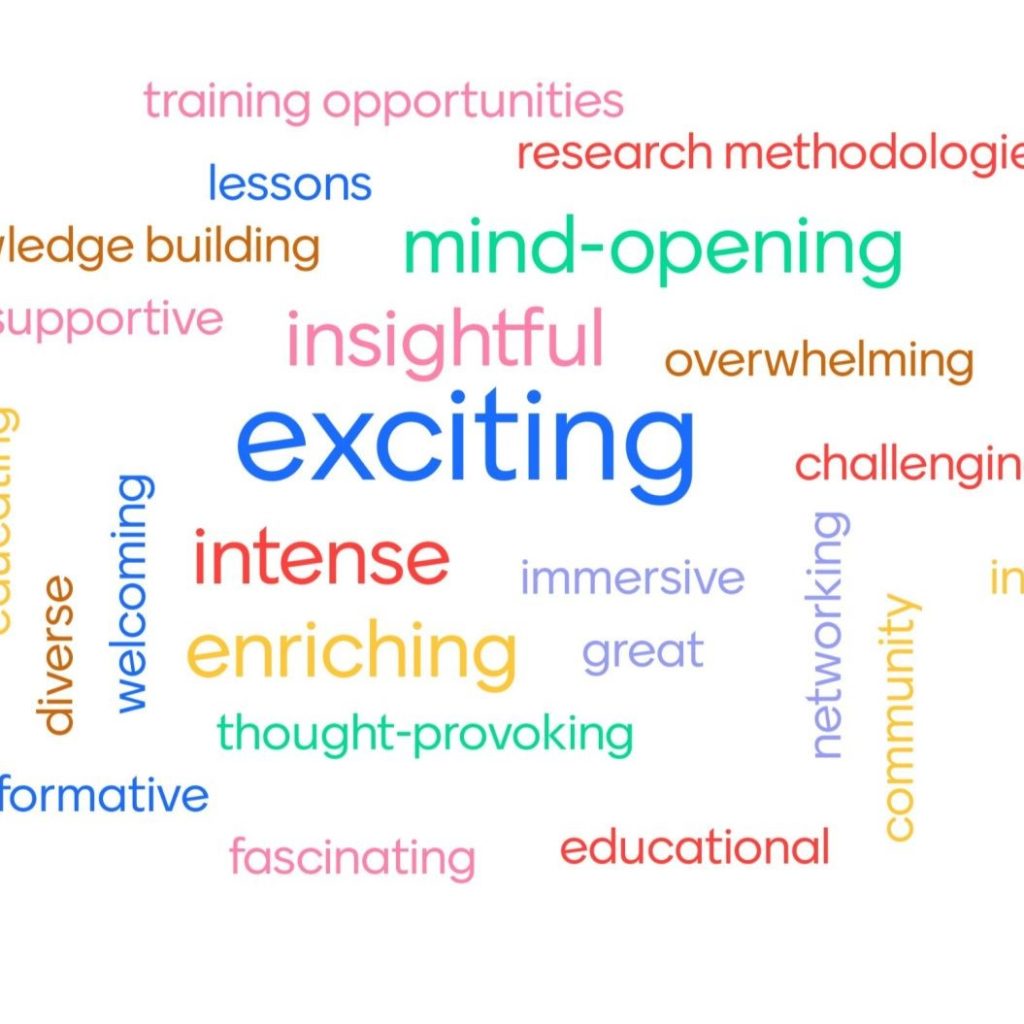
As the mind map below shows, I believe that the next three years will be a combination of exciting, intense and insightful moments that will enable all Early Stage Researchers’ (ESRs) professional and personal lives to enrich.

Phd life and what to expect
ESRs’ answers to the question “How your first few months with EINST4INE have been so far?”

In this regard, I think that a crucial role will be played by the special structure of this program, which allows us to spend several months abroad, between summer schools and academic and industrial secondments. Indeed, all the projects supported by the MSCA funding scheme represent a powerful democratization experiment. They give the chance to people with very different backgrounds to inspire each other and receive high-quality education that otherwise would have been almost inaccessible to them. Moreover, together with all the ESRs, I will be involved in several dissemination activities over the next years, such as conducting this blog and organizing outreach events with the Consortium partners.

In short, it will be a three-year journey that I hope will ultimately allow me to say that, at least in a very specific field, I know something.

Note

The title is inspired by the homonymous blog edited by Tim Urban