
compressed_img-ke6zEy5YkDqIdpTzPfHkmYHZ

Who Cares? Beyond the Hypes of Fast Technology

Crowd of visitors at CES. Source: Imagist3ds

Every year in January, Las Vegas becomes the epicentre for tech enthusiasts, innovators, and industry leaders who gather to witness the spectacle of the Consumer Electronics Show (CES). Advertised as ‘the most powerful tech event in the world’ by its organizers, CES stands as a platform for unveiling the latest advancements in consumer electronics. Is between the myriad of products and technologies showcased there that tech giants like Google, Microsoft and Netflix built their bones back in their early days.

The significance of CES goes beyond flashy presentations and product unveilings. It serves as a compass for forthcoming trends and innovations in the consumer electronics industry. The prototypes and concepts showcased at CES often foreshadow the direction of technological development in the coming year. However, amidst the excitement and anticipation, lies the inevitable phenomenon of hype cycles.
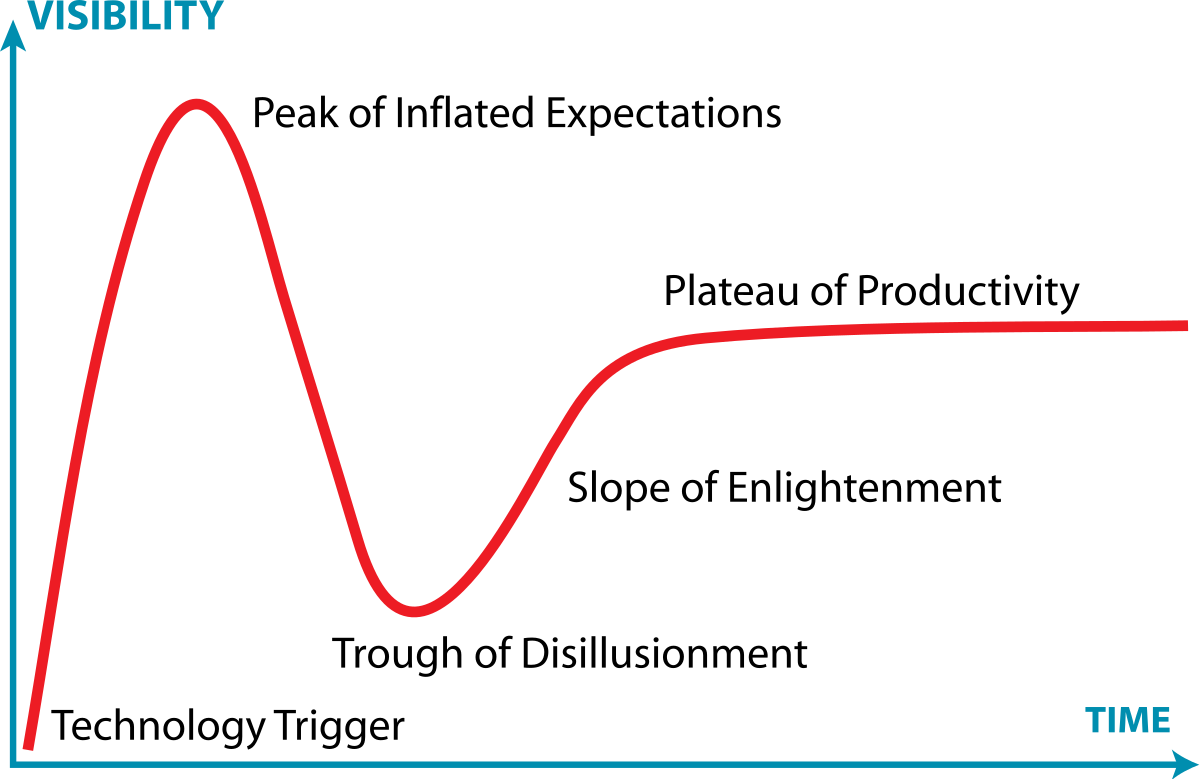
The Gartner ‘hype’ cycle, introduced by the IT firm Gartner. Source: Wikipedia.

A hype cycle reflects the evolution of specific technologies over time, encompassing their maturity, adoption rates, and societal impacts. It begins with an initial surge of excitement and inflated expectations, fuelled by media coverage and investor interest. However, this euphoria is often followed by a period of disillusionment and scepticism as the technology fails to meet exaggerated expectations. Over time, as the technology matures and its real-world applications become clearer, a more balanced perspective emerges.

A notable recent example of a hype cycle is the fervour surrounding the metaverse. Presented as the next evolution of the internet, the metaverse captured the imagination of industry leaders and the public alike. However, just a year after its grand unveiling by Mark Zuckerberg, the metaverse faced scrutiny and scepticism. Reality Labs, the division responsible for metaverse-related initiatives, reported an operating loss of $13.7bn last year (1.6 million every hour!) [1], highlighting the challenges of translating hype into tangible market traction. Mark Zuckerberg itself went from “metaverse-first, not Facebook-first” in 2021 [2] to saying that the metaverse is “not the majority of what we’re doing” in 2022 [3].
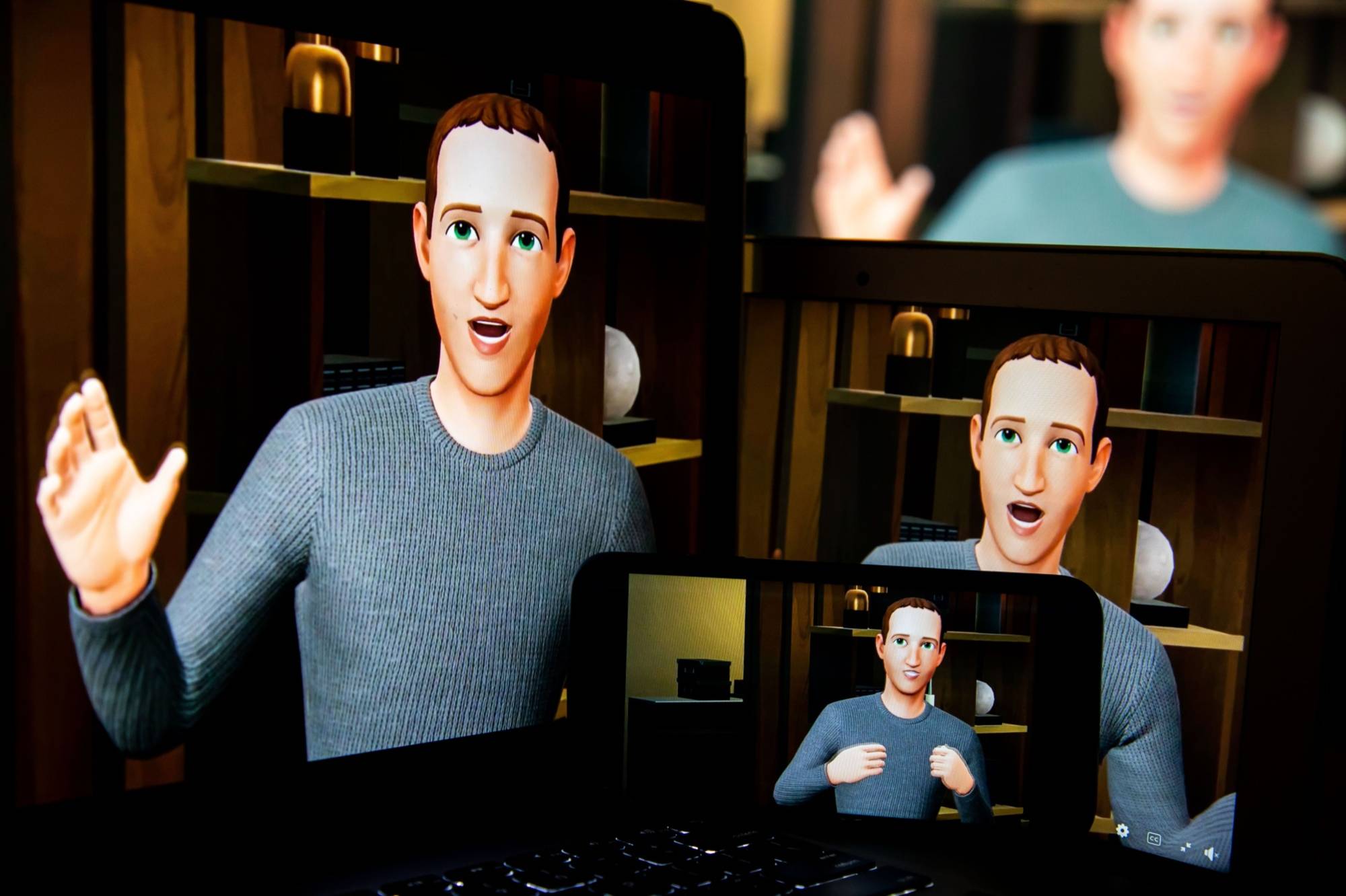
Meta Platforms CEO Mark Zuckerberg’s avatar speaks during a virtual reality event. Source: Bloomberg.

But the metaverse and its promised marvels are only the most recent hype cycle. Prior to the metaverse, blockchain technology – to name one example – experienced a similar trajectory of hype and disillusionment.

Unsurprisingly, this year at CES was all about artificial intelligence, which has sucked all the air out of the room. The technology you heard about everywhere was AI [4]. Investors are surfing the wave and floods of money are being thrown at AI start-ups [5]. Time will tell us whether AI can deliver on its promises and overcome the challenges that lie ahead.

Hype cycles, while often viewed negatively, are an inherent part of technological progress. They reflect the tumultuous journey from concepts to reality, where expectations collide with the complexities of implementation and adoption. These waves of ‘next big things’ can be bewildering, confusing and erode confidence towards technology. It is true in fact that many of the technology are just “flashes in the pan” and die before reaching any kind of matureness [6].
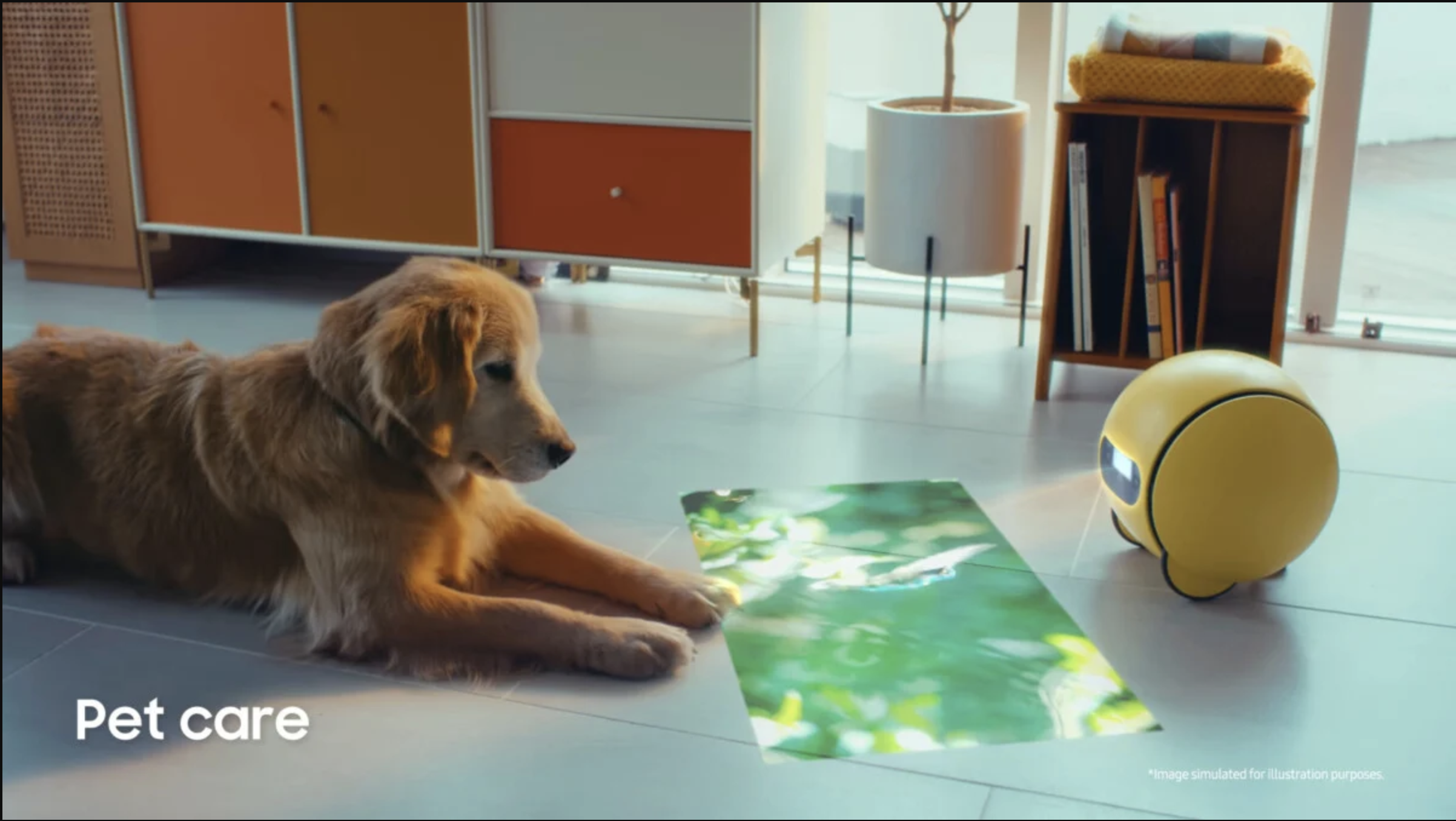
Introduced by Samsung during the last CES, ‘Ballie: your perfect home AI companion’ (at least for your pet). Source: Samsung electronics.

Amidst the buzz of tech shows and the frenzy of media coverage, it’s essential to adopt a discerning perspective. Rather than succumbing to the appeal of hype, it’s crucial to focus on the core features and affordances of what is presented to us as ‘the next big thing’. Core features represent the essential capabilities that define a technology’s identity [7], while affordances denote the possibilities of action that it offers to users [8]. By evaluating technologies through this lens, we can better discern their true value and potential impact.

For instance, at CES last January Samsung presented an AI (of course) home assistant that follows you in your daily tasks. Is it just an Alexa on wheels or something more? A start-up called Rabbit presented a handheld device capable of control your music, order you a car, buy your groceries, send your messages, and more, all through a single interface. Have they just reinvented the smartphone?
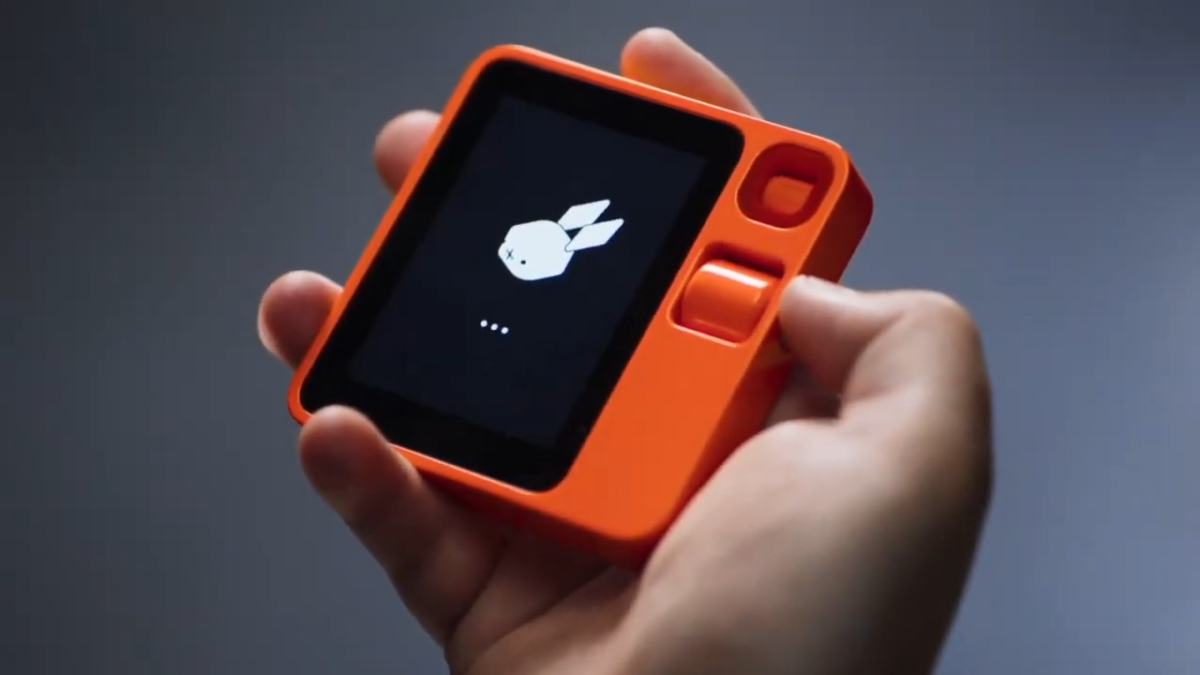
Rabbit R1 from the AI startup Rabbit. It promises to be a universal controller for apps and services without any login. One device to rule them all. Source: The Decorder.

In the vast sea of gadgets and innovations at CES, the question “who cares?” takes on new significance. By interrogating the core features and affordances of emerging technologies, we can identify the tools, services, and devices that truly offer value to users.

What are the core features of the device? What those functionalities afford me to do? Given such functionalities and affordances, should I buy it? Which other tools are available out there with the same features or affordances? This critical perspective enables us to navigate hype cycles with clarity and discernment, separating ephemeral trends from transformative innovations.

As we await the next wave of gadgets from Vegas, let’s embrace a (positively) critical mindset. By focusing on the substance behind the hype, we can uncover the technologies that will shape our digital future in meaningful ways. In a landscape dominated by novelty and excitement, it’s the thoughtful consideration of core features and affordances that ultimately guides us towards genuine progress.


[1] https://www.cnbc.com/2023/02/01/meta-lost-13point7-billion-on-reality-labs-in-2022-after-metaverse-pivot.html

[2] https://about.fb.com/news/2021/10/founders-letter/

[3] https://www.businessinsider.com/mark-zuckerberg-metaverse-not-majority-were-doing-facebook-meta-focus-2022-11?r=US&IR=T

[4] https://www.theverge.com/2024/1/13/24035152/ces-generative-ai-hype-robots

[5] https://www.ft.com/content/9c5f7154-5222-4be3-a6a9-f23879fd0d6a

[6] https://www.linkedin.com/pulse/8-lessons-from-20-years-hype-cycles-michael-mullany/

[7] DeSanctis, G. and Poole, M.S. (1994), “Capturing the complexity in advanced technology use: Adaptive structuration theory”, Organization Science, INFORMS, Vol. 5 No. 2, pp. 121–147.

[8] Markus, M.L. and Silver, M.S. (2008), “A foundation for the study of IT effects: A new look at DeSanctis and Poole’s concepts of structural features and spirit”, Journal of the Association for Information Systems, Vol. 9 No. 10, p. 5.

headway-F2KRf_QfCqw-unsplash

Unveiling the Hidden Gems of the First Academic Conference

Fellow researchers, I recently took part to the first conference of my PhD journey. As a PhD student, joining a conference for the first time is a milestone rich of emotions and takeaways.

In this blog post, I will highlight eight key reasons why attending a conference is a game-changer for early-stage researchers like me, hopefully inspiring those who are undecided or haven’t attended one yet to take the leap and experience the invaluable benefits of such events. For more experienced researchers, this post will serve as a good reminder of the profound impact that conferences can have on their professional growth and networking endeavours.

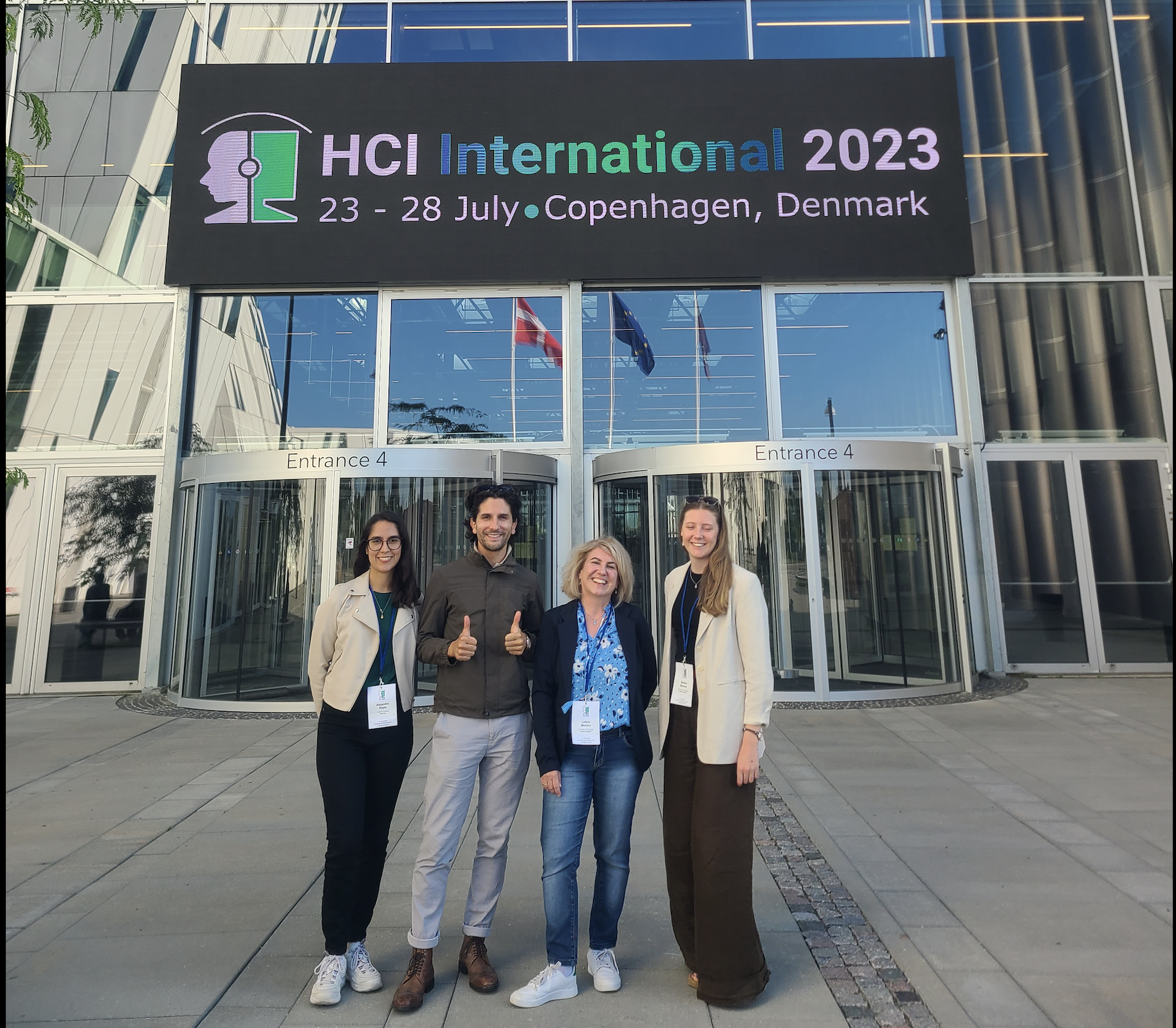
The mixed group of colleagues attending the HCI 2023 conference in Copenhagen. Source: Nicola Felicini.

Networking Opportunities

The conference was teeming with brilliant minds from diverse fields and backgrounds. From more established academics to fellow PhD students, I found myself amidst an ocean of intellect and ideas. Engaging in discussions during coffee breaks and networking events allowed me to connect with like-minded individuals, and I even exchanged contact information with potential collaborators. These connections opened doors to potential research partnerships and sparked exciting possibilities for my future career.

Knowledge Exchange

Presenting my research at the conference was a bit of a nerve-wracking experience, but it turned out to be immensely rewarding. The audience’s constructive feedback during the Q&A session provided fresh perspectives and valuable insights into my work. Additionally, attending other presentations exposed me to various research approaches and methodologies, which I could integrate into my own study to enhance its quality and depth.

Staying Updated with the Latest Research

The conference boasted a diverse range of presentations, workshops, and keynote speeches, each showcasing cutting-edge research. As a PhD student, staying informed about the latest trends and advancements in my field is crucial, and the conference provided the perfect platform for this. The exposure to the latest studies and discoveries has renewed my passion for research and motivated me to push my work further.

Break and networking time at the HCI 2023 conference. Source: Nicola Felicini.

Skill Development

Attending conferences offers a valuable opportunity to develop essential skills that are vital for a researcher’s academic and professional growth. One of the key skills that can be honed through conference participation is effective communication. Presenting research to a diverse audience, engaging in discussions during Q&A sessions, and networking with fellow researchers all contribute to refining communication abilities. Articulating complex ideas concisely, adapting language to suit different audiences, and conveying research findings persuasively are just a few aspects of communication that can be improved. This skill is not only crucial for disseminating research effectively but also for building lasting connections and collaborations within the academic community and beyond.

Inspiration and Motivation

As I sat through thought-provoking presentations by seasoned researchers and passionate fellow students, I couldn’t help but feel inspired and motivated. Witnessing the relentless pursuit of knowledge and the tangible impact of research fueled my determination to make a meaningful contribution to my field.

Building Confidence

Presenting my research in front of a diverse audience was indeed intimidating, but the experience immensely bolstered my confidence. Defending my work during the Q&A session taught me to articulate my ideas more effectively and logically. This newfound confidence will undoubtedly serve me well during future academic events and job interviews.

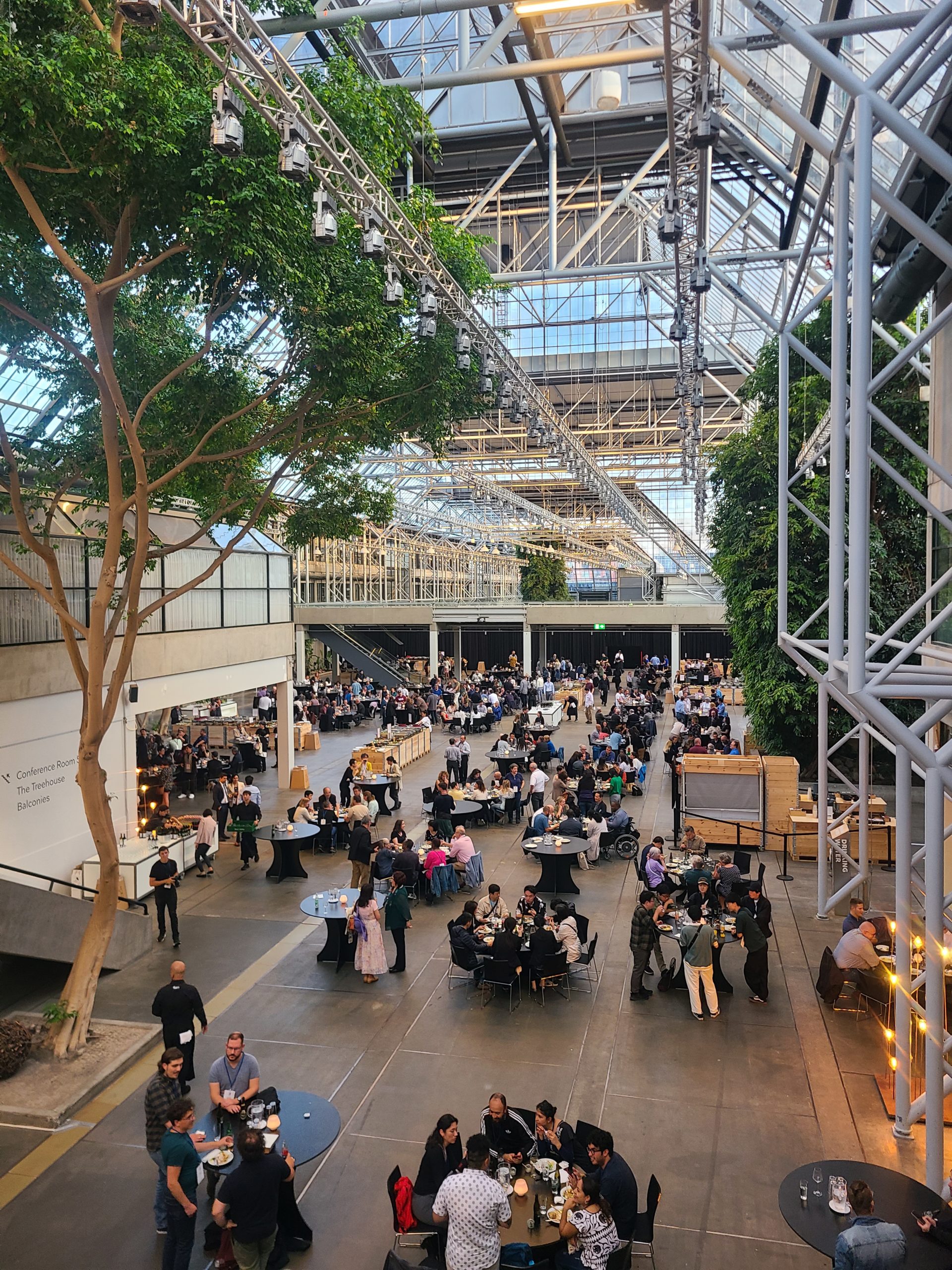
Centre of Copenhagen, where the HCI 2023 conference took place. Source: Nick Karvounis on Unsplash.

Broadening Perspectives

Attending a multidisciplinary conference exposed me to a wide range of research topics and methodologies beyond my primary area of study. Engaging with researchers from different backgrounds expanded my horizons, challenging me to think more creatively and consider novel approaches to my research questions.

Strengthening Academic Identity

As a PhD student, it’s crucial to feel like a part of the academic community. Presenting my research at the conference was a significant step in establishing my academic identity. The positive feedback and recognition from peers and established researchers helped solidify my presence within the academic realm.

In conclusion, attending to my first academic conference was an unforgettable experience that has left an indelible mark on my academic journey. The networking opportunities, knowledge exchange, and exposure to the latest research have undoubtedly enhanced my research skills and broadened my perspective. Furthermore, the inspiration, motivation, and strengthened academic identity have instilled in me the belief that my contribution to the field is valuable and vital.

To all my fellow PhD students out there, I wholeheartedly encourage you to take advantage of such opportunities whenever they arise. Embrace the chance to connect, learn, and grow within the academic community. The benefits are immeasurable, and you’ll find yourself returning from the conference with a renewed sense of purpose and enthusiasm for your research endeavours. Happy researching!

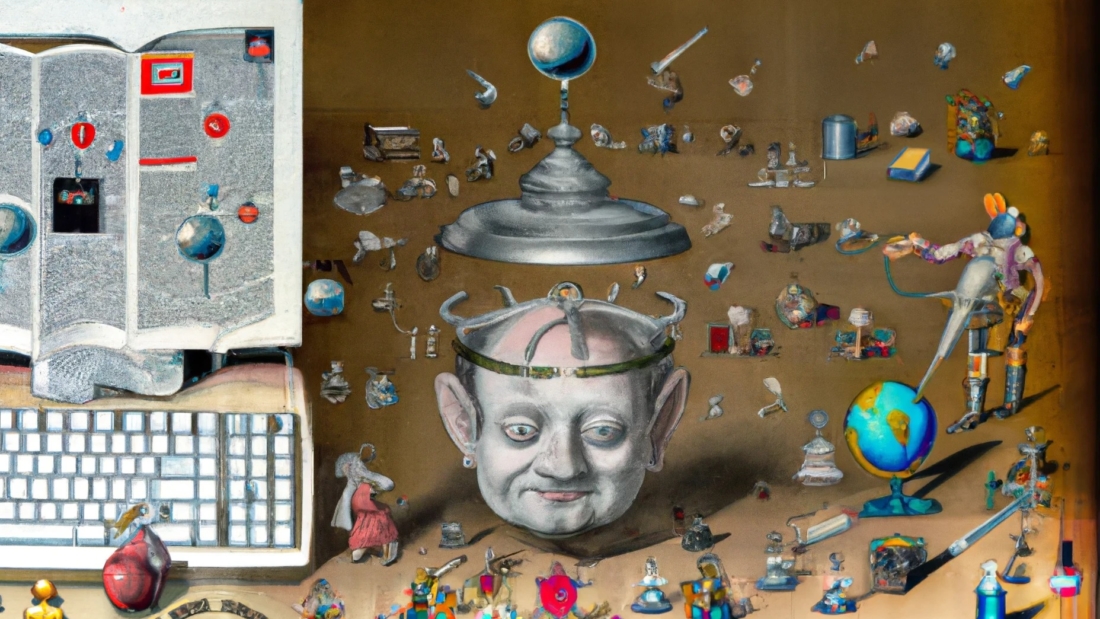
Source: Midjourney / DALL-E 2 prompted by MIXED

What’s new in the VR and AR shelf?

Augmented reality and virtual reality have been advancing rapidly, with each new release bringing exciting developments to the table. As someone who’s been researching AR and VR for a while now, I can say that there are some benefits of working with such cool technologies. For one thing, it’s easy to try out the newest gear from top companies.

Researching headsets makes it possible to get your hands on cutting-edge technology without breaking the bank. Even better, resellers are often happy to bring the latest products directly to you, so you can try them out in the comfort of your own workspace. Recently, I had the opportunity to try out the latest VR headset from Meta, the Quest Pro, as well as the Magic Leap 2 AR headset from Magic Leap. Both probably represent the state of the art in the two different technologies of augmented and virtual reality. It was exciting to see how these technologies are advancing, even though they still present a few flaws that make them far from ready for the mass market.

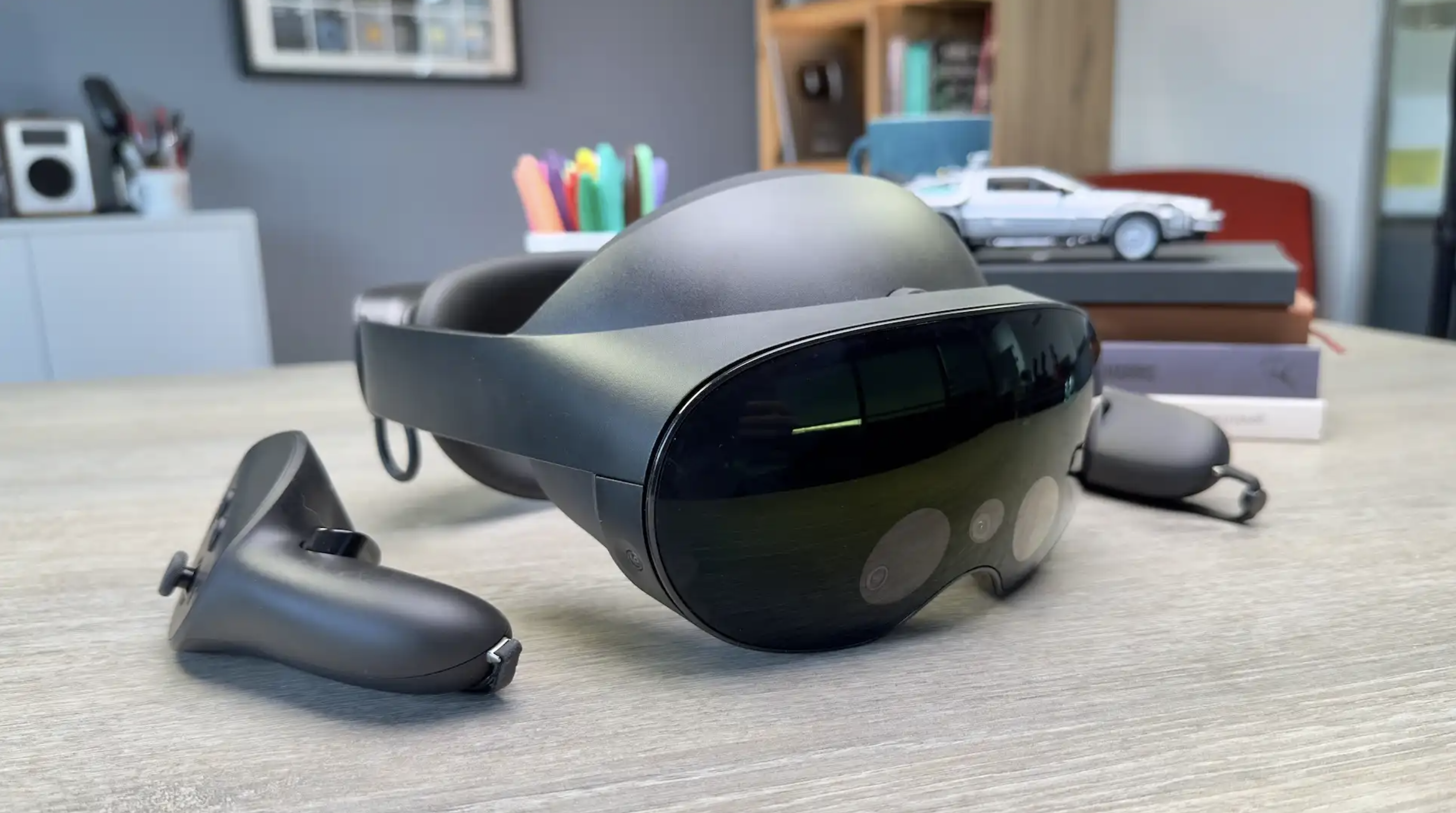
Meta Quest Pro from Meta. Source: Lewis Painter – Foundry.

Starting from virtual reality, one of the evident improvements of the Meta Quest Pro from its predecessor, the Quest 2, is its enhanced comfort. This is thanks to the battery pack being moved to the back of the head, the compact lenses pack developed by Meta, and the cushions and spacers that make the headset light to wear. While the resolution remains the same as the Quest 2, the Meta Quest Pro features better screen technology (QLED) and a (usually expected) increase in memory and storage. The new sensors, especially face and eye tracking, are incredibly interesting for remote collaboration applications and can really enhance the immersion of your peers in the so-called metaverse. The addition of RGB pass-through cameras is also a huge plus, as the previous model only had grayscale cameras.

However, there are a few drawbacks to be aware of. The pass-through video quality is still quite raw and doesn’t seem to be suitable for prolonged use in XR mode. It’s more useful for quickly checking the surroundings while developing. Another drawback is the battery duration, which doesn’t seem to last much more than a couple of hours during intense usage. Even keeping it plugged in, the battery doesn’t seem to charge fast enough to forget about its charging status. This can impede prolonged demo sessions and break the developing flow.

A final note about the recent price drop (~30%) of the model, whose reasons are unclear. On the one hand, it could be a strategic move to shake up the market, increase sales and gain market share. On the other hand, it could be an attempt to give away models before the release of the future one later this year. Whatever the reason, it’s clear that the VR market is incredibly competitive and moves at a rapid pace. For early adopters who paid the full price for the device, this drop might be frustrating. But for those looking for a deal, could be an excellent time to get a quality product at a lower price point.

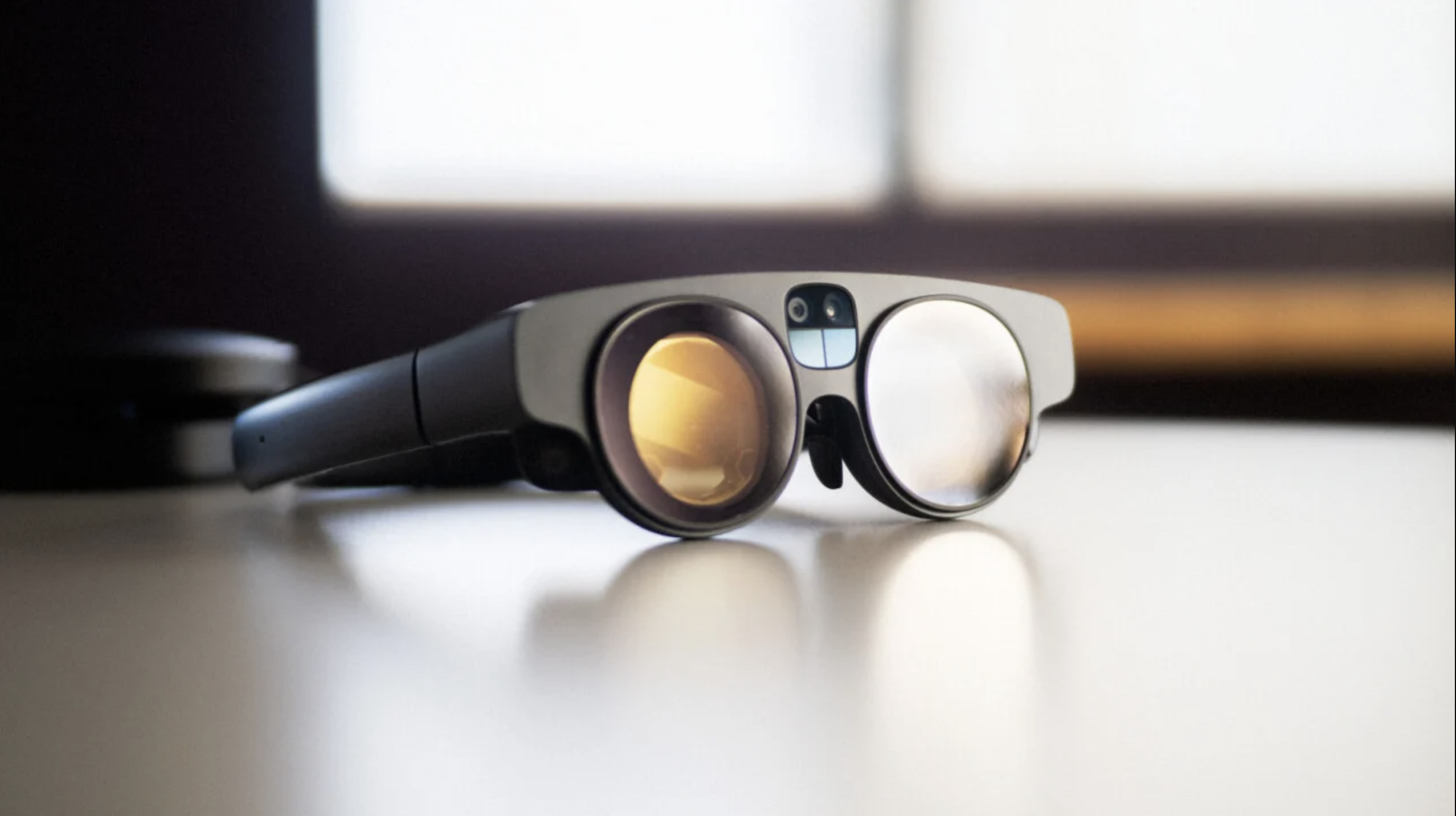
Magic Leap 2 AR glasses. Source: Magic Leap.

Moving into augmented reality. The Magic Leap 2 it’s incredibly light and comfortable to wear. This is a huge plus for anyone who plans to use the device for extended periods of time, especially in a work-related context. But the most impressive feature of the Magic Leap 2 is its field of view. This has long been a bottleneck for AR devices, but the Magic Leap has managed to dramatically increase it. The device now covers all the space within the frame of the goggles, eliminating the “window effect” that previously made the AR experience less convincing. Additionally, the dimming function is a surprising feature that occludes the lenses with a black filter, making the device almost like a VR headset when activated. The dimming function has a ‘segmented dimming’ option which works only behind the virtual object visualized. It aims to remove transparency of the AR content, which is the second barrier to a perfect AR experience. While giving kudos to the company for the ground-breaking feature, it isn’t accurate enough to follow the object’s boundaries, resulting in a dark aura that isolates the object from the context. Finally, the image quality of the trial apps, in terms of resolution, texture, and lighting quality, was not as impressive as I expected in terms of realism. Despite this, the Magic Leap 2 is a big step ahead in the AR market and the newly introduced features look very promising.

From the comparison of the latest models, VR emerges as a more mature technology. AR is still in earlier stages of development, even though progressing very fast. The recent news that Apple has postponed indefinitely the launch of their AR headset is a testament to the difficulties inherent in creating convincing, high-quality, mass-market-ready AR glasses. This news shows two things: firstly, the fact that they postponed and not canceled means that it is still appealing and there are market applications to be seized. Secondly, it is evident that technological breakthroughs are still required to reach the level of readiness required for the mass market. It will be exciting to see what the future holds for both VR and AR.

The views and opinions expressed in this blog post are independent and purely personal from the author. The author has not received any funding or other incentives from the companies producing the products described in this post.

James Gill

If you can write it, you can do it: the rise of AI-generated content

In 2019 at the preview for Art Basel Miami Beach a banana taped to the wall (Figure 1) was sold as a piece of art at the cool price of 120.000 dollars. Subsequent versions from the same artist saw an increase in their price [1]. In August 2022, Jason M. Allen won the first prize (300 dollars) at a Fine Arts Competition in Colorado by submitting a digital image (Figure 2) [2]. Both recent art episodes provoked turmoil. The first, for obvious reasons. The second, because the winning image was generated entirely by an artificial intelligence (AI) program.

The debate around what’s art and what’s not has puzzled numerous cultures and societies. Far from being solved, the appearance of the ‘AI artist’ in the scene has already rocked the boat.


Figure 1: Maurizio Cattelan’s Comedian, for sale from Perrotin at Art Basel Miami Beach. Source: Sarah Cascone [1].
Figure 2*: Jason M. Allen’s piece “Théâtre D’opéra Spatial” which he created with AI image generator Midjourney. Source: Rachel Metz [2].
In recent years, artificial intelligence (AI) has made significant strides in its ability to generate content, including images, text, and video. This development has the potential to revolutionize a wide range of industries and has already begun to have a significant impact on fields such as media, advertising, and entertainment.

One of the most impressive examples of AI-generated content is the development of machine learning algorithms that can create realistic images and videos. These algorithms, known as generative adversarial networks (GANs), work by training a machine learning model on a large dataset of images or videos. The model then uses this training to generate new content that is similar to the examples in the dataset.

Figure 3*. Source: Ido Beeri [6].
The results of these AI-generated images and videos can be truly impressive. In many cases, it is difficult to distinguish AI-generated content from real images or videos. This has led to the use of AI-generated content in a variety of applications, including the creation of virtual reality environments, the development of video game graphics, and the creation of advertising materials.

AI is also being used to generate text content, such as news articles and social media posts. In some cases, these AI-generated texts are indistinguishable from those written by humans. This has led to concerns about the potential for AI to replace human writers and journalists in the future. However, it is also worth noting that AI-generated text has the potential to assist human writers in the creative process and to enhance the efficiency of certain tasks, such as data analysis and research.

Figure 4*. Source: Keith Burgess [7].
While the use of AI to generate content has many potential benefits, it also raises a number of ethical and societal concerns. One concern is the potential for AI to be used to create fake or misleading content. For example, AI-generated images or videos could be used to create fake news or to manipulate public opinion. There is also the risk that AI-generated content could be used to exploit vulnerable populations, such as by creating targeted advertising that preys on people’s insecurities or by creating fake social media profiles to spread misinformation.

In light of these concerns, it is important that the development and use of AI-generated content be carefully regulated and monitored. This may require the development of new ethical guidelines and the creation of oversight bodies to ensure that AI is used responsibly and ethically.

Overall, the ability of AI to generate content is an impressive and potentially transformative development. However, it is important to approach this technology with caution and to consider the potential risks and ethical implications of its use. By carefully managing the development and use of AI-generated content, we can ensure that it is used for the benefit of society and not to the detriment of individuals or groups.

Figure 5*. Source: James Gill [8].

The above paragraphs in italics have been generated by an AI algorithm, called ChatGPT [3], from an input of a few words:

Write a 700 words essay about AI now being able to generate content (e.g., images, text, video).

The information written in those paragraphs has not been fact-checked, therefore could be inaccurate. Whereas the images marked with an asterisk have been generated by another AI, DALL-E 2 [4], always from a text string.


Having tried the AI to generate content for this and other exercises, the best summary of what AI like ChatGPT constitutes is: “a plausible idiot” [5]:

“It gets just enough right, saying just enough words, to sound plausible and authoritative to anyone who doesn’t know the subject matter well. But it also gets enough wrong that you cannot rely on its accuracy, and if it is talking about a subject you know well it is sometimes laughable how wrong it is.”

Clearly, this technology is not able to entirely replace human creativity (yet). Surely, AI has the potential to support and complement the work of humans by providing them with new tools and resources to create content at an unprecedented speed and ease. Humans bring a unique and valuable perspective that cannot be replicated, however AI has already changed the industry of content creation as we used to know it.


[1] Cascone (2019). Maurizio Cattelan Is Taping Bananas to a Wall at Art Basel Miami Beach and Selling Them for $120,000 Each. https://news.artnet.com/market/maurizio-cattelan-banana-art-basel-miami-beach-1722516. Accessed on 17/12/2022.

[2] Metz (2022). AI won an art contest, and artists are furious. https://edition.cnn.com/2022/09/03/tech/ai-art-fair-winner-controversy/index.html. Accessed on 17/12/2022.

[3] codingdave. https://news.ycombinator.com/item?id=33863563. Accessed on 17/12/2022.

[4] https://chat.openai.com/chat. Accessed on 17/12/2022.

[5] https://openai.com/dall-e-2/. Accessed on 17/12/2022.

[6] Ido Beeri. Generated using DALL-E 2 from the prompt: “A children’s book with beautiful elephant trunks made of hyperrealistic impossible tesseracts, about the boy who wanted to be a cauliflower. Written by Joan of Arc and Illustrated by Albert Einstein himself. In shades of red, embossed in papers made of iron. Extremely detailed photography with all elements, f/1.8.” https://www.facebook.com/photo?fbid=5749060345181941&set=pcb.686953656332661. Accessed on 17/12/2022.

[7] Keith Burgess. Generated using DALL-E 2 from the prompt: “Salticidae Celebrating Saturnalia.” https://www.facebook.com/groups/dalle2.art/permalink/684302463264447/. Accessed on 17/12/2022.

[8] James Gill. Generated using DALL-E 2 from the prompt: “Superman saves Christmas, painted by William-Adolphe Bouguereau.” https://www.facebook.com/photo.php?fbid=10159273294882333&set=p.10159273294882333&type=3. Accessed on 17/12/2022.

Image 1 - Virtual Reality in Architecture © www.autodesk.com

Try it before you buy it: a case study on VR potential for building design

Introduction

The abilities to represent and simulate have always given humankind terrific support for taking decisions. The representation of space, for instance, has been one of the most important inventions of human history. Maps still allow humans to explain and navigate the world they live in.

Architecture is one of the fields that gained more from those abilities given the complexity and costs involved in the matter, and the related critical decisions. The capacity to represent space has evolved along with technological advances. The dawn of computer graphics replaced handmade scale models and graphical representations with digital tools that allow a more accurate, fast, and flexible representation and simulation. Rapid-growing technologies like augmented reality (AR) and virtual reality (VR) have huge potential in the representation of spaces and in informing the decisions related to them.

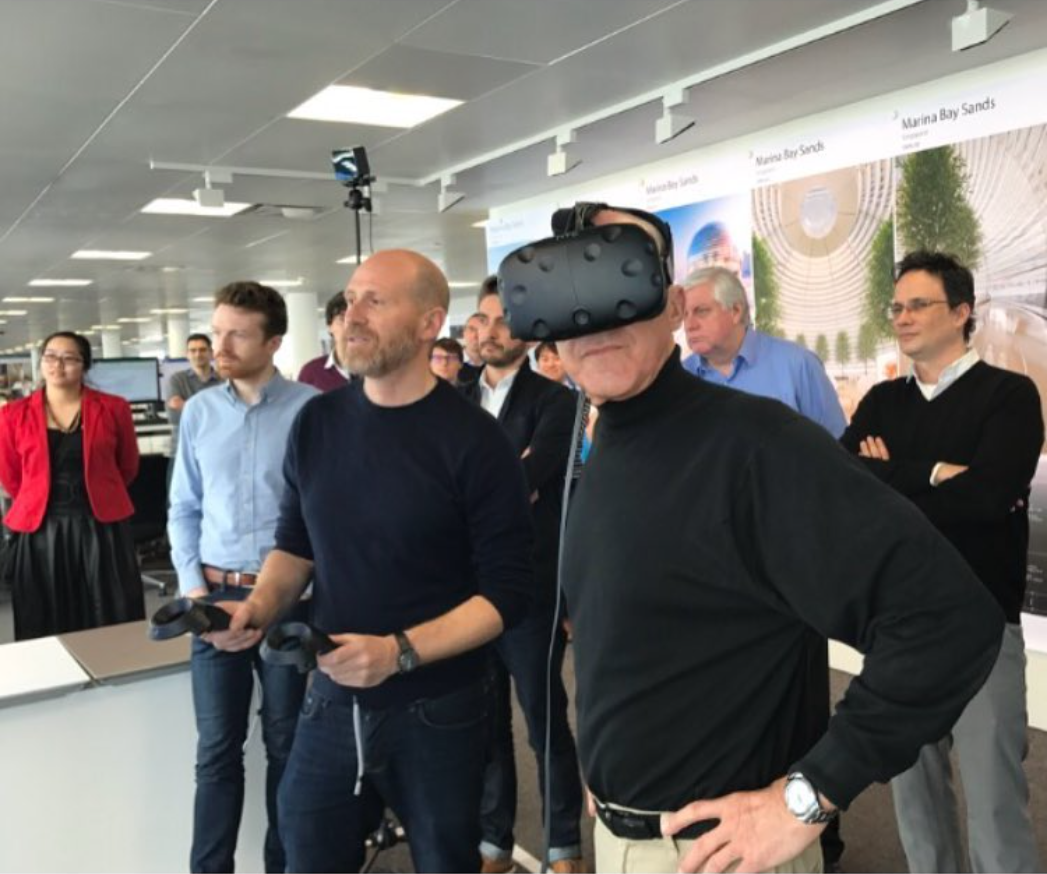
Figure 1. Architect Norman Foster checking out a project in VR. Source: Instagram, officialnormanfoster.

The case study

A case study conducted by Bianconi et al. (2019) explored the potential of VR technology for decision-making in construction from the double perspective of the designers and the occupants of the space.

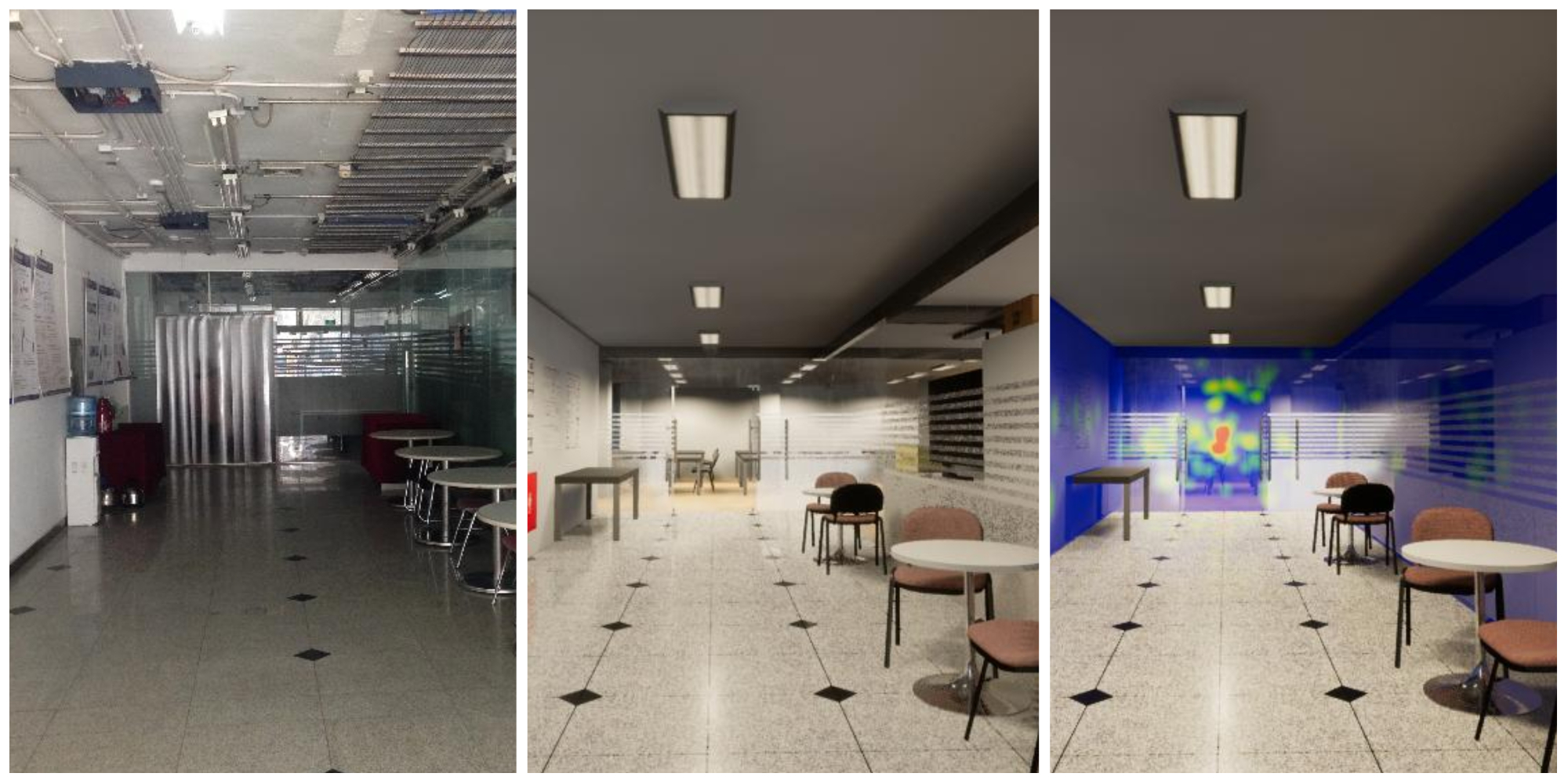
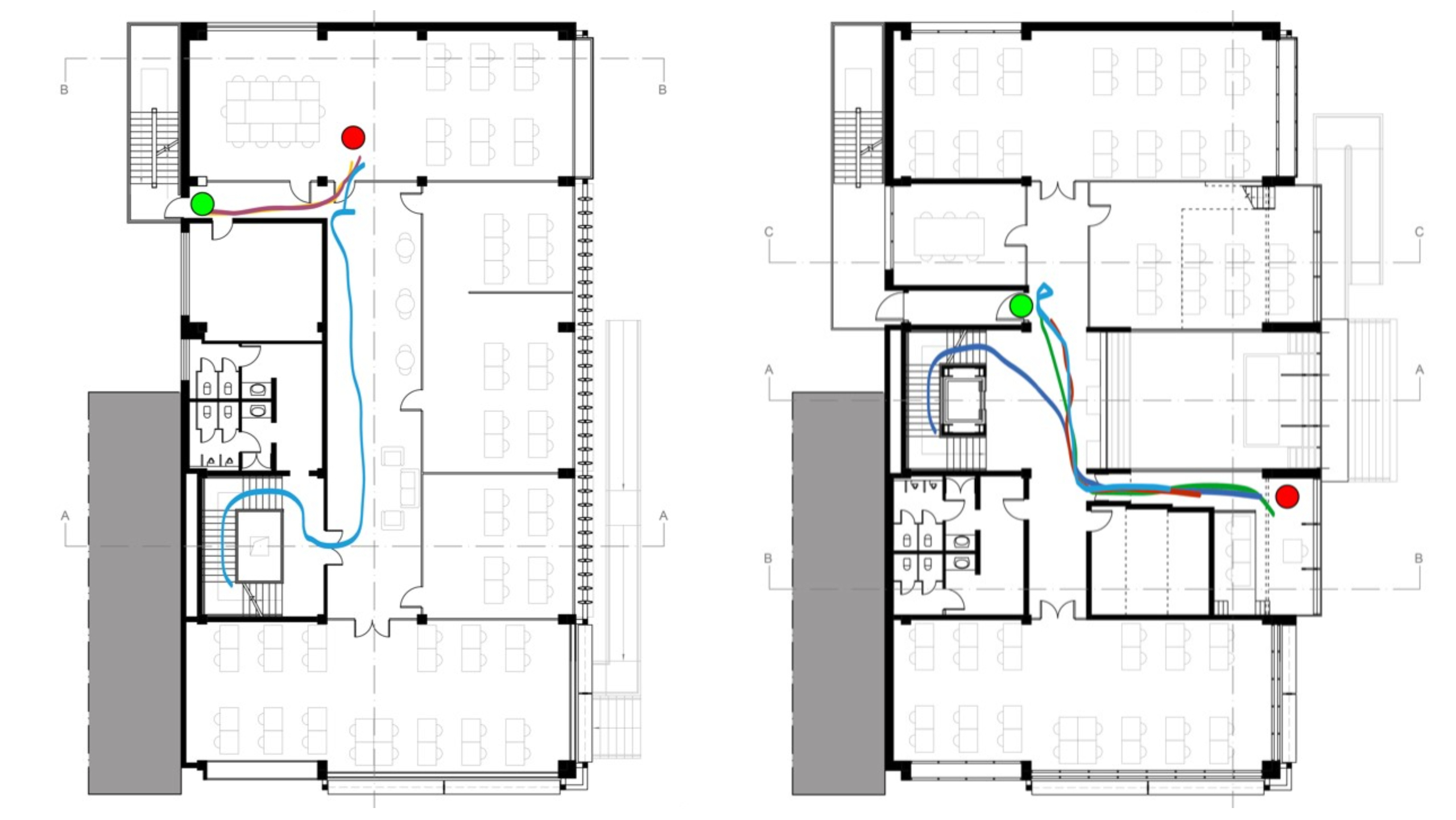
In the study, an office building was reproduced in a virtual space and made explorable using VR headsets (Figure 2). A series of experiments involved several participants which were asked to perform orientation tasks in the virtual building. The tasks required to find and reach specific rooms and to estimate their position within the facility. Collected data included the orientation success rates but also tracking of the movements of participants in the building (Figure 3) and their gaze point (where the user was looking). This information has been used to understand where the occupants got lost and where they were looking for orientation cues to reach the objectives. The data allowed to spot critical design issues and failures in the wayfinding system.

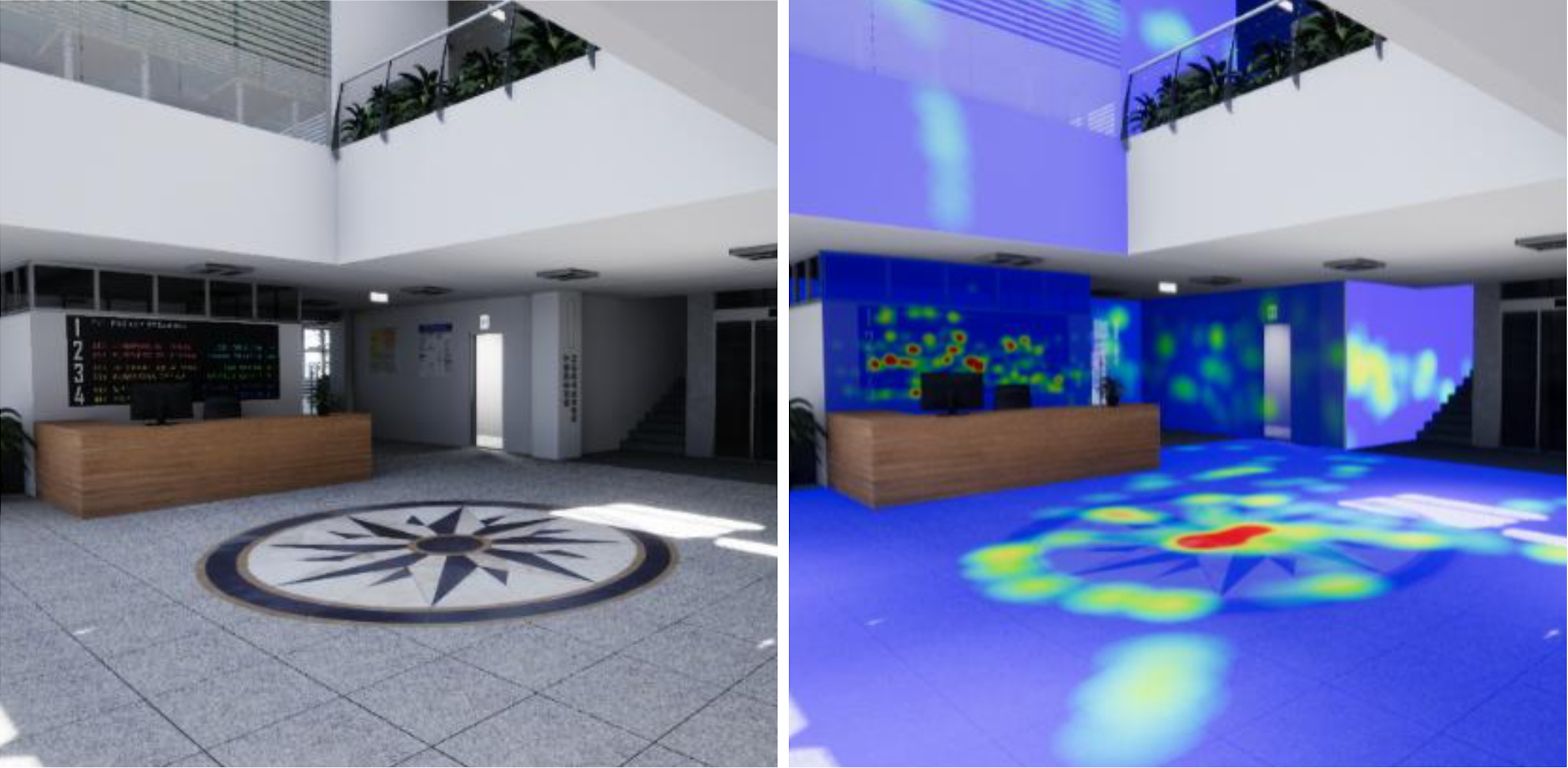
A renovation proposal has been developed and modeled in virtual space addressing the weak points that emerged from the first round of experiments. The refurbished virtual facility has then been tested in VR using the same protocol and collecting the same type of data (Figure 4). Results revealed an increased success rate of orientation tasks and less bewilderment for the participants.

Figure 2. From the left: (1) the real building’s atrium, (2) its virtual reconstruction and (3) the heatmap representing the eye-tracking data. Source: Nicola Felicini.


Figure 3. Tracking of participants’ movements in the reconstructed building (left) and its proposed renovation (right). Source: Nicola Felicini.

What have we learned?

Even in this case, the representation and simulation capacities proved to be efficient tools in informing and taking decisions. The advantages of representation, enhanced by the digital nature of this one, allowed data collection in a controlled and controllable environment.

Considering the inconveniences of testing inside an operating building or the costs of building a mock-up or the proposed renovation, the amount of work appeared negligible compared to ‘real’ test options. Virtual reality has been confirmed to be a cost-effective way of running complex spatial simulations.

Another relevant aspect of the case study was the interaction between the human and the digital environment. The value of the case was not in the representation and simulation of the building but in the interaction between it and the occupants. Wearable digital tools like VR allowed a closer look at what decisions occupants took (movement tracking), which information they needed and where they looked for them (eye-tracking). As this case exemplifies, wearable technologies can constitute means of access for humans to the digital realm (and vice-versa), enabling new ways of interaction between the ecosphere and the infosphere.

Figure 4. The atrium of the renovation proposal and the eye-tracking heatmap obtained in the second round of tests. Source: Nicola Felicini

What’s next?

With the diffusion of digital tools, we are assisting in a progressive ‘democratization’ of them. At the time of the study, the simulation presented required intense modeling work and knowledge of specific software and techniques. Current trends in building design tools allow real-time immersive simulation as the building gets ‘drawn’. In opposition to the simplification ad diffusion of digital tools, we need to clarify their actual potential and when they are worth the investment. In the presented case, which design decisions have been taken following the architect’s experience and which are derived from the simulation in the digital environment? A comparative study with analog design techniques could elucidate these aspects.

Figure 5. In recent years immersive tools have been proposed as decision-making environments for construction. But their implementation still seems a big leap compared to current practices. Source: Meta.


The other question that emerged from the study, is how much reality there is in digital reality? In other words, how applicable are the results obtained in a virtual environment, in the real world? Would those occupants take the same decisions in the real building? How much does the level of immersivity affect the behaviour? Again, a comparative study could help identify the weight of these factors.

Investigating the potential of digital simulations and their relationship with the real world are promising research directions that will acquire importance as digital tools and virtual experiences progressively gain ground in our daily lives.


Source: Bianconi, F., Filippucci, M. and Felicini, N., 2019. IMMERSIVE WAYFINDING: VIRTUAL RECONSTRUCTION AND EYE-TRACKING FOR ORIENTATION STUDIES INSIDE COMPLEX ARCHITECTURE. International Archives of the Photogrammetry, Remote Sensing & Spatial Information Sciences.

istock-1095801920-smart-city

Augmented Reality: The digital face of the future cities

In 2007, when only a few had a smartphone in their hand, humanity stored a hundred times more information than twenty years before [1]. More impressive is that 90 percent of that data was generated in the two previous years [2]. The pace is only accelerating. By 2025 the figure is expected to reach 463 billion or GB generated every day! [3]. This avalanche of data comes from the digitalization of our societies. We started by making our phones smarter, now we are making cities smarter.

A smart city is a technologically modern urban area. It uses a large number of sensors to collect information about buildings, assets, citizens, and devices. In return, this data is used to manage resources and services more efficiently. The concept couples with the so-called Internet of Things (IoT). The same concept but applied to a smaller scale, typically to an electronic device or a group of them. With the progressive diffusion and capillarity of connectivity, the distinction between the two might fade, leaving space for a unique network of connected assets.

Digital models of buildings are generated during the design face. If after construction are connected in real-time with the real building they become ‘digital twins’. Source: Autodesk.

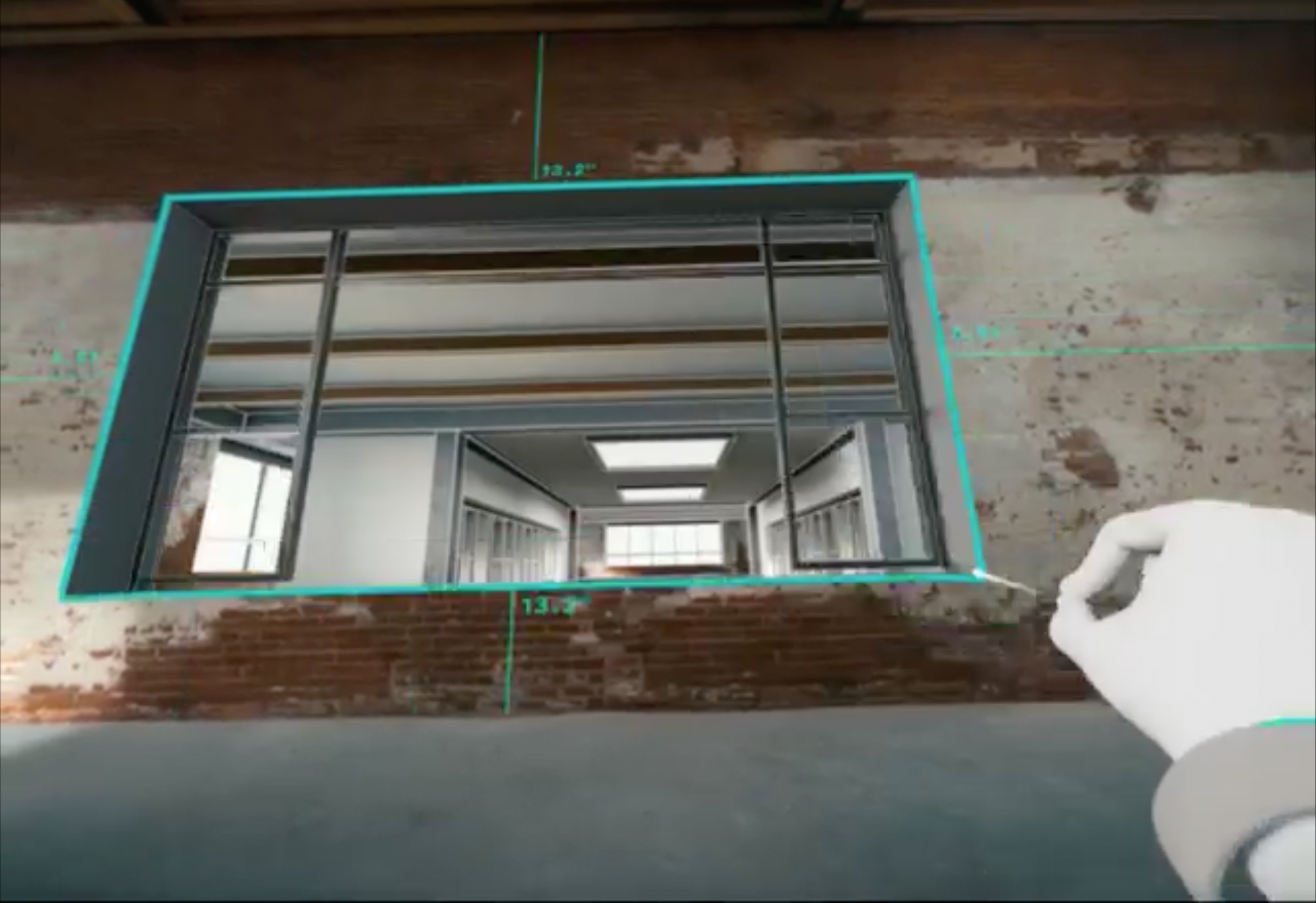
The tendency of coupling digital data with real entities is already present in specific sectors. Modern buildings are digitally built using accurate 3D models before the first brick gets leaned down. The same happens with complex industrial machinery like jet engines. Digital copies of patients are being studied for healthcare applications. These ‘digital twins’ are created to collect and store data: health changes of patients, performance statistics of an engine, and energy consumption of a building. The objective is always the same: to enhance knowledge, optimize resources, and prevent failures.

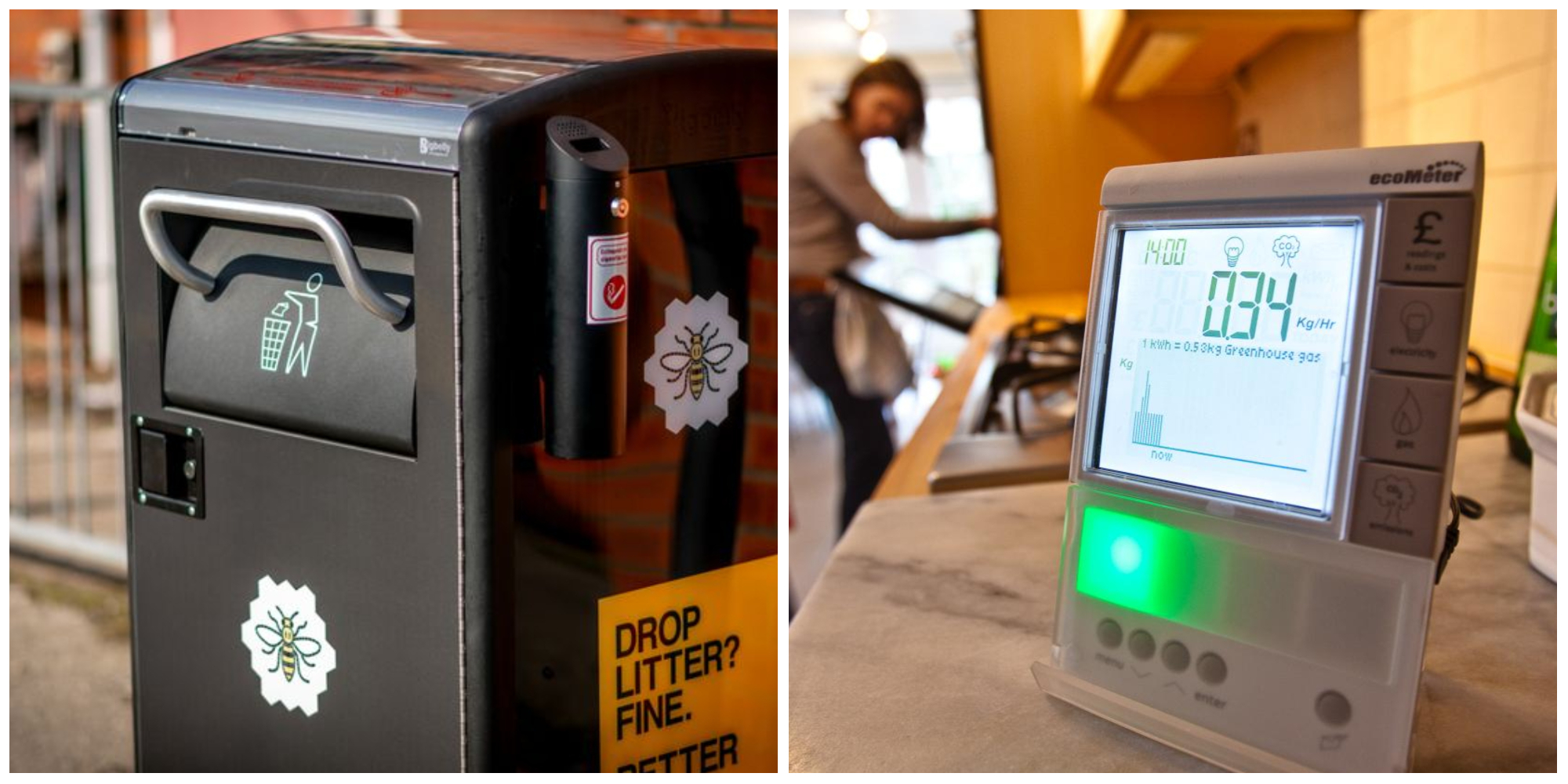
Some examples of connected assets aimed to make cities smarter can already be seen around. Navigation systems already suggest the shortest route given the status of traffic. The combination of this capability with autonomous driving and different ownership models (car sharing) seems a promising solution to traffic congestion. Barcelona, Manchester, Prague, and Melbourne are experimenting with connected bins to communicate how full they are and optimize trash collection. In the Netherlands, millions of smart meters have been installed to respond to surges or reductions in demand, increasing reliability and cutting costs. The states of New York and Norway are experimenting with intelligent public illumination that allows the lights to be adjusted based on real-time data.

However, smart city development is still an infant with different cities at different maturity. Digitization of cities is an impelling challenge given their importance for the future. According to the UN, by 2050 seven people out of ten will live in cities [4].

Connected bins and interactive meters are all examples of smart city application being tested around the globe. Source: Manchester Council, Times.

Facing this perspective of pervasive digitisation and massive urbanizaton, we need to re-imagine the way we interact with urban areas and information, to get the most out of these ‘data cities’.

For decades we relied only on screens and buttons. A first change happened with the graphical user interfaces (GUIs) and the commercialisation of the mouse in the 1970s. The advent of smartphones brought touchscreens that we can tap and swipe. Cutting edge technologies like computer vision for gesture recognition, ultrasounds for mid-air haptic and wearable sensors promise to make the touch unnecessary soon. While waiting for Elon Musk to directly connect our brain to computers, augmented reality (AR) is the step further to remove barriers between digital and physical worlds.

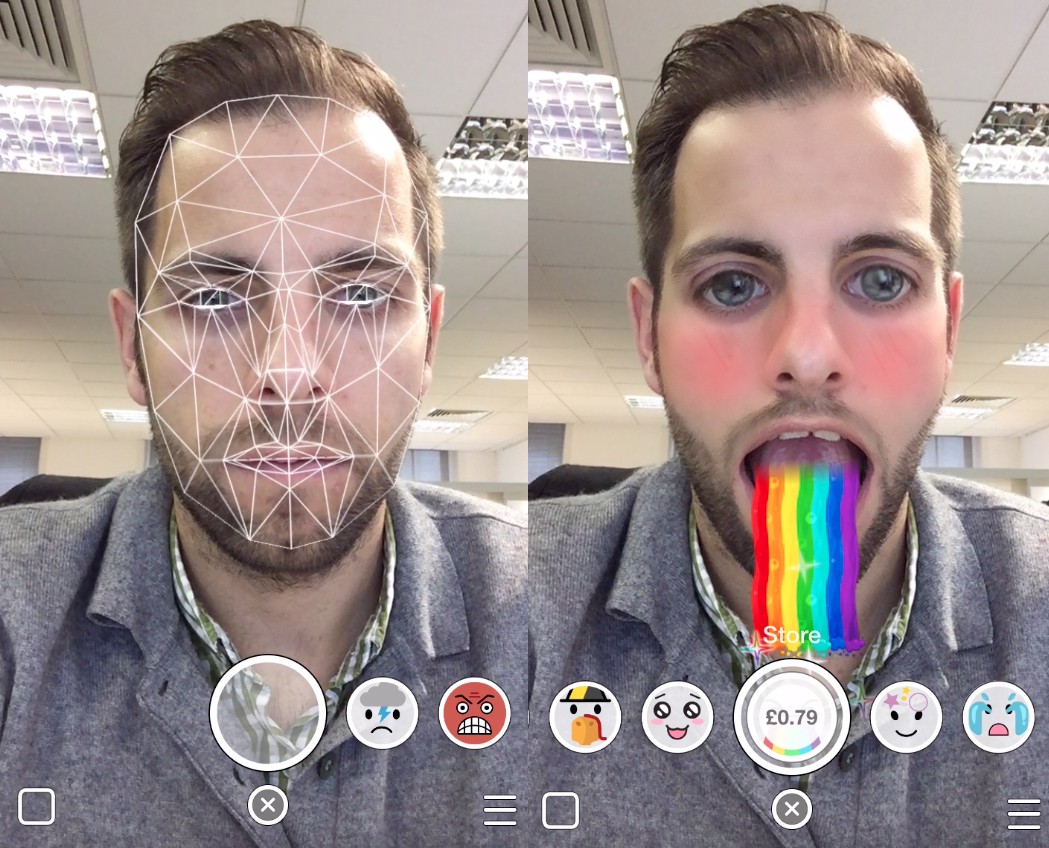
Augmented reality enhances the physical world by overlaying digital information in our field of vision. A recent study in the UK reports that only 11% of smartphone users are believed to have experienced AR [5]. This data is in contrast with the hundreds of millions of augmented pictures shared daily on social media [6] or the success of apps like Pokémon Go or Ikea Place (yes, they are all examples of AR). This unconsciousness highlights how AR is more diffused than we might think. Tim Cook, CEO of Apple compared the phenomena to the diffusion of apps. When the App Store went live in 2008 people were skeptical, saying: “mobile apps are not going to take off. And then, step by step, things start to move… and now you couldn’t imagine your life without apps. AR is like that. It will be that dramatic” [7].

Face filters are a diffused AR application used by millions of people every day. Source: Snapchat.

Even if awareness is currently low, people will progressively expect to access additional layers of content on the surfaces around them [8]. This will change our relationship with the built environment. Every object and building will become a potential trigger for digital content, which will be proactively suggested to the users at the right moment.

On top of the brick-and-mortar cities, we walk every day, we’ll see pop-up advertisements from brands, emergency alerts from authorities, service communications from institutions, and entertainment content during events. It will also work the other way around as AR will give “a face” to the smart city. Citizens will be able to upload information, report problems, and communicate with institutions from wherever they are. All things we get already, but done through the ‘diffused app’ the smart city will be; in a more frictionless, flexible, and natural way.

AR will unleash endless possibilities to add digital content in our daily experience. Consuming media on surfaces will become the norm as today is the use of a smartphone to access the internet. Source: Price Action Guide.

References:

[1] 2011, Hilmert, M & Lopéz, P. The World’s Technological Capacity to Store, Communicate, and Compute Information. Science.

[2] 2018, Bernard Marr. How Much Data Do We Create Every Day? The Mind-Blowing Stats Everyone Should Read. Forbes. Available at: https://www.forbes.com/sites/bernardmarr/2018/05/21/how-much-data-do-we-create-every-day-the-mind-blowing-stats-everyone-should-read/?sh=72c0153d60ba

[3] 2019, Desjardins Jeff. How much data is generated each day? World Economic Forum. Available at: https://www.weforum.org/agenda/2019/04/how-much-data-is-generated-each-day-cf4bddf29f/

[4] United Nations, Department of Economic and Social Affairs, Population Division (2018). The World’s Cities in 2018—Data Booklet (ST/ESA/ SER.A/417).

[5] Layered survey. April 2018, n=1000 UK.

[6] Snap Inc. Data Q3 2017.

[7] Griffin, A. (2017). Apple’s Tim Cook on iPhones, Augmented Reality, and How He Plans to Change Your World. Independent [online], 10 October 2017. Available at: https://www.independent.co.uk/life-style/gadgets-and-tech/features/apple-iphone-tim-cookinterview-features-new-augmented-reality-ar-arkit-a7993566.html (accessed 14 Aug 2022).

[8] Mindshare Futures (2018). Layered. Available at: https://d2j4z507ms5wl7.cloudfront.net/zappar_mindshare-layered-report.pdf.

IEEE Computer Society

If you won’t go to the Metaverse, the Metaverse will come to you

“Every ten or 15 years, there’s an impactful shift in the way people use and interact with technology and data,” said Allan Cook, Deloitte Consulting Managing Director, two years ago, “mixed reality is going to be the fourth shift (i.e. after the PC, the internet, and the mobile revolution), and it will be as big as each one of those earlier shifts.”

Meta’s announcement focused attention on immersive technologies. Source: The Verge.

Not more than 12 months later, Facebook’s founder Mark Zuckerberg announces one of the major corporate rebrands of recent years. Since October 2021, his social networks empire is now grouped under the brand Meta and aims to build the next generation of the internet (web 3.0), a symbiotic blend of the digital infosphere and the physical world. They call it “the Metaverse”.


Beyond the ambiguities of its radical shift, Meta’s move generated an unprecedented hype around the concept of virtual worlds and the technologies that are supposed to enable their fruition in a nearby future. Firsts on the list Augmented Reality (AR), Virtual Reality (VR) and everything in between.

In Layman’s terms, VR consists of placing a screen in front of our eyes that streams a simulated perspective (a view) of a virtual environment, to give the illusion of being inside such a virtual world. In AR instead, the digital content is overlayed (added) to our view of the real world, whether through displaying it on the screen of a smart device (e.g. a smartphone) or through reflective lenses (smart glasses). Placing them side by side, the main difference between VR and AR is that the former precludes the visual perception of the reality, providing an experience of total visual immersion, while the latter adds visual content to our natural perspective, augmenting our visual experience.

VR completely immerses the user in a virtual world. Source: XR Expo.
AR adds information to our natural view, “augmenting” our perception. Source: XR Today.


You might have tried AR or VR in exhibition pavilions, or at a techy friend’s house. Perhaps after watching Ready Player One, you have been so intrigued to download a VR app on your smartphone hoping, in vain, to have a similar amount of fun. But what Cook was referring to and what Meta anticipated goes far beyond the available applications. Much of their potential is still to be envisioned and a widespread adoption is still held back by certain barriers, such as hardware ergonomics, battery life and connectivity speed. However, cutting-edge innovations like Internet of Things, 5G, and a growing mobile computing capacity promise to address those limits and allow unprecedented ways of interaction with data, devices, and people.

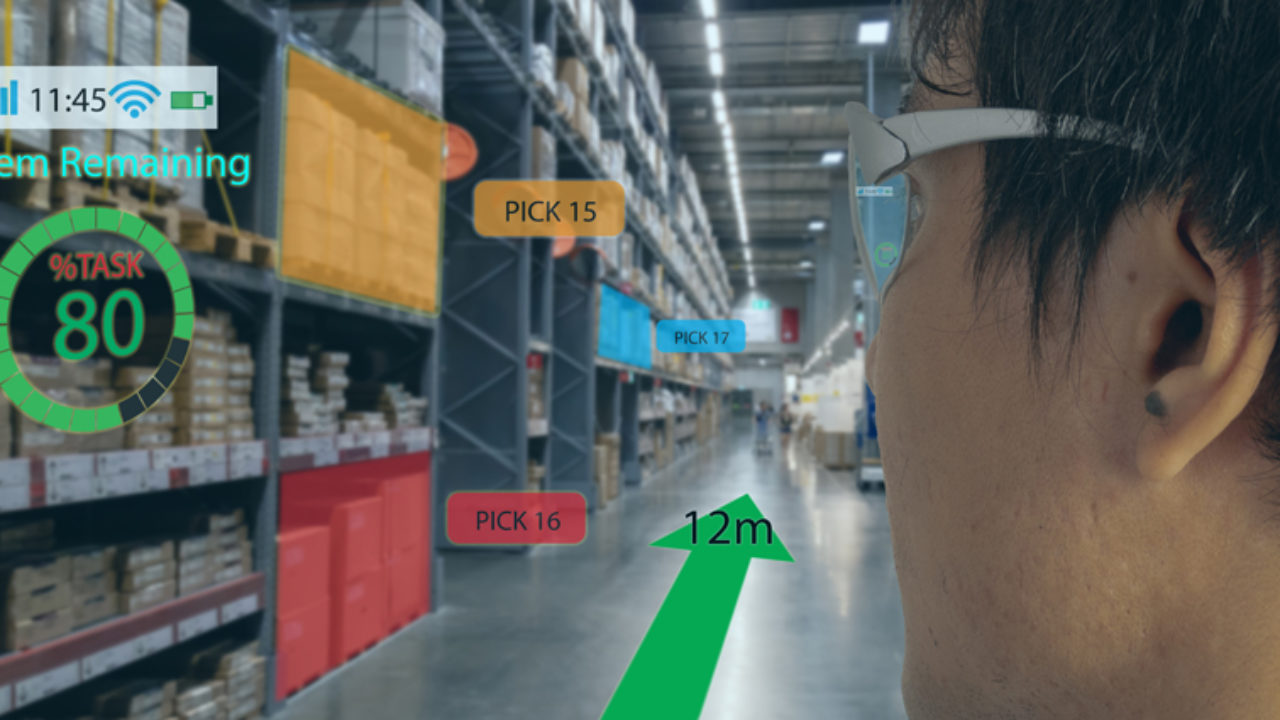
Since the dawn of the computing era, our relationship with data passed through a bi-dimensional sheet of glass (or perforated paper for those who have a higher mileage), whereas the real world where we put those data to use is unarguably at least three-dimensional. As a Harvard publication pointed out[1], this gap between the digital and real-world represents a bottleneck for taking advantage of the rising torrent of data produced by an always more smart and connected world. By superimposing digital information directly on the real environment, AR allows processing the physical and digital simultaneously, eliminating the need to mentally link the two. By giving digital content a tridimensionality, VR allows us to experience it in a more natural and intuitive way that matches our instincts of interaction with reality. These capabilities will enable us to absorb information, make decisions and execute tasks more quickly and efficiently.

The combination of immersive tools and connected devices will change the way we interact with things. Source: PTC.

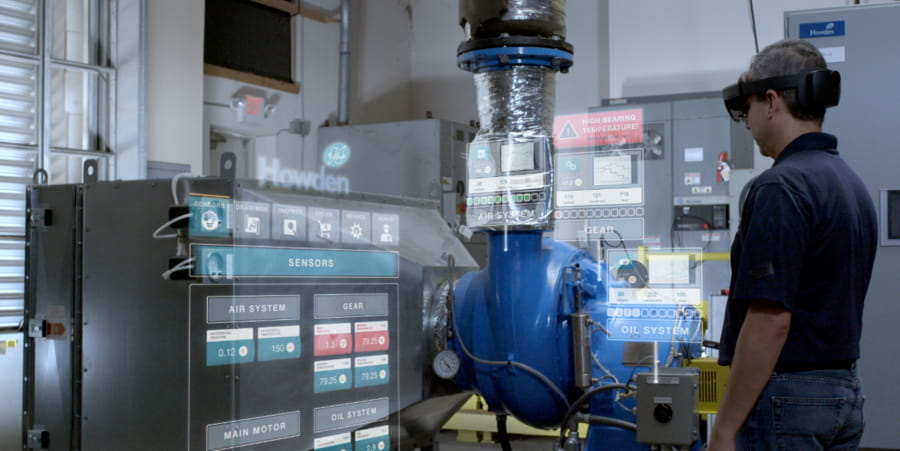
The future of digital interaction won’t be limited to your next washing machine, but industrial machinery, Artificial Intelligence, complex databases and potentially all digital-rich applications that make AR and VR promising tools for a broad range of work applications. A lack of real uses was perhaps one of the main causes of the clamorous, now almost ten-years-old, Google Glasses failure, when the tech giant tried broad commercialization of AR without providing solid use cases in real work or life situations. At the Institute for Manufacturing of the University of Cambridge, in the Center for Technology Management – among other fascinating topics – we are also studying the implementation of AR and VR into companies’ practices, in particular for strategic planning purposes.

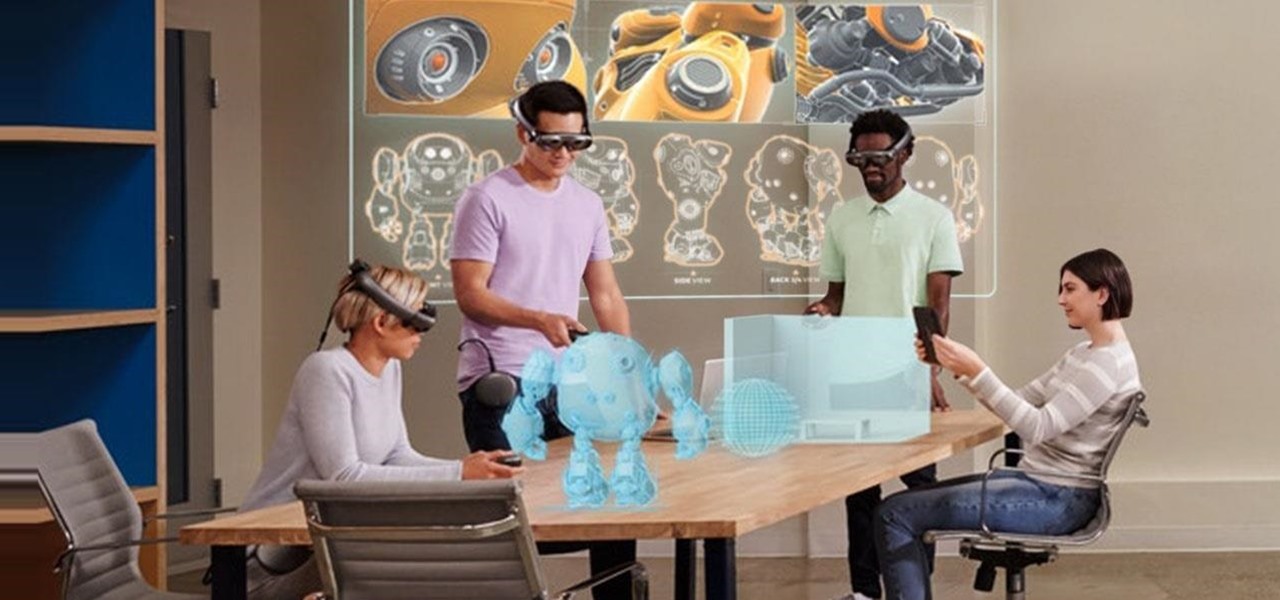
Tech companies must deal with a high level of uncertainty and complexity when deciding, for instance, where to invest in the upcoming year, which features to provide in the next product or “simply” envisioning the future. The continuously reshaping industry landscape forces managers to constantly adapt strategies in order to address the threats posed by emerging technologies and seize the opportunities brought by them. Having a new, performative way of accessing, managing, communicating and (literally) handling information and insights of growing volume and complexity will be fundamental to navigating future uncertainties. Tools like AR or VR are potential enablers of such capacities and therefore might play a role in companies’ daily activities.

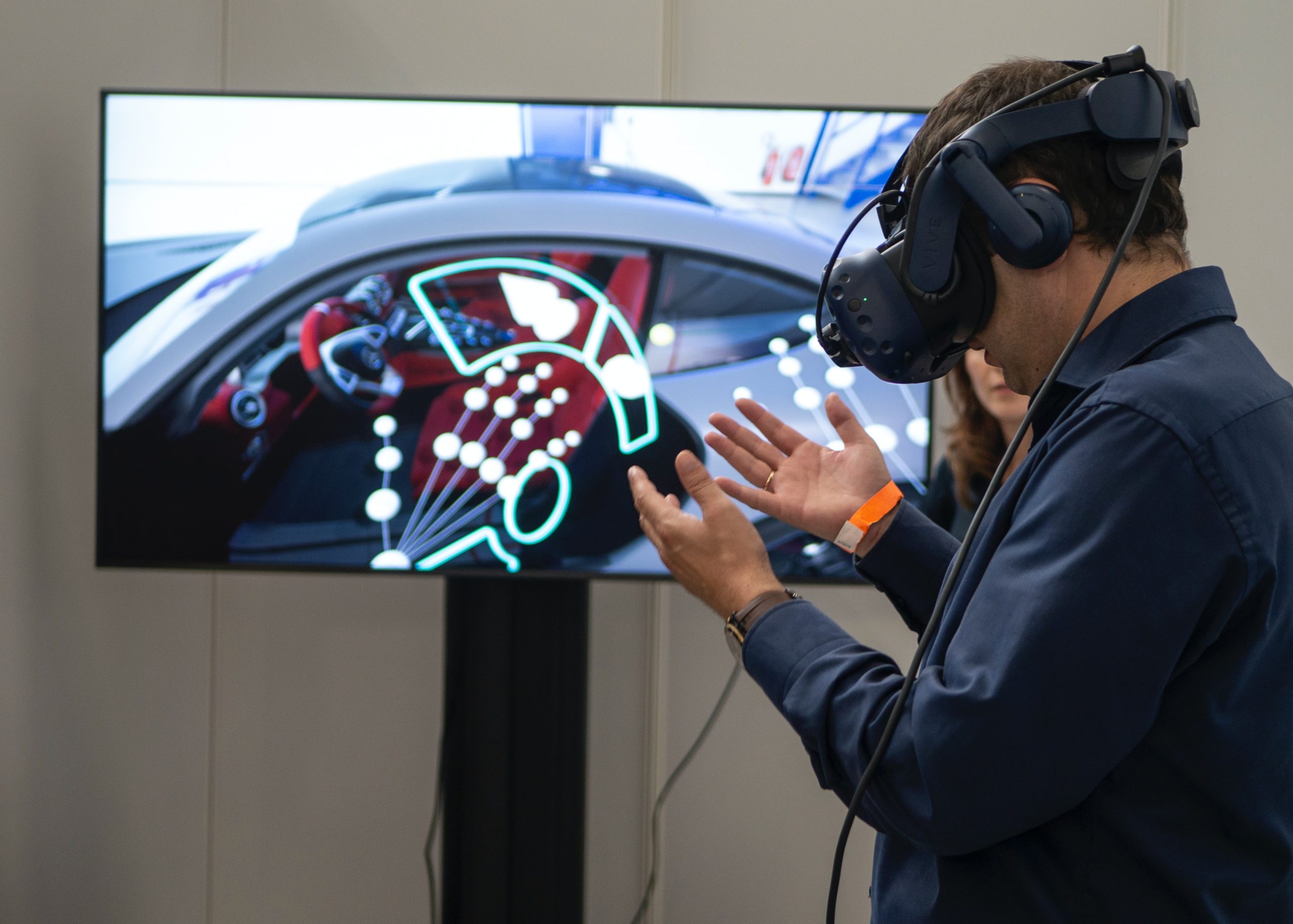
Companies will benefit from a more immersive way of visualizing data, testing products and communicating with colleagues. Source: Magic Leap.

Far from being a proven law, Cook’s words envisioned a radical change that will revolutionize our life. You might be (with reasons) a metaverse skeptic, or a fan of old-fashioned ways, but AR and VR applications are already being implemented by major players (e.g. Xerox, US Navy, Boeing) along their value chain and their number will inevitably increase along with the progress of the technology. Relatively soon in your office, in your factory, or at home, you might see people gesturing in the air, wearing strange glasses, hitting the furniture while talking to no one. Don’t panic, they might be just surfing the Metaverse.


[1] 2017, Porter M.E. and Happelmann J.E. Why Every Organization Needs an Augmented Reality Strategy. Harvard Business Review.