
AI sustainability_chayanuphol_Shutterstock

When in Paris… talk about AI

Exploring AI Beyond the Hype: Reflections from the second edition of our workshop

I recently had the honor of co-organizing (together with my fellow colleague Domenico Di Prisco) and participating in the second edition of the workshop titled “Emerging Technology and AI: Beyond the Hype.” This initiative, launched by Prof. Lauren Waardenburg and my supervisor, Cristina Alaimo, aims to foster a deeper understanding of AI, cut through the surrounding hype, and explore its broader implications for management, society, and institutions.

First workshop “Emerging Technology and AI: Beyond the Hype” at LUISS in 2023:
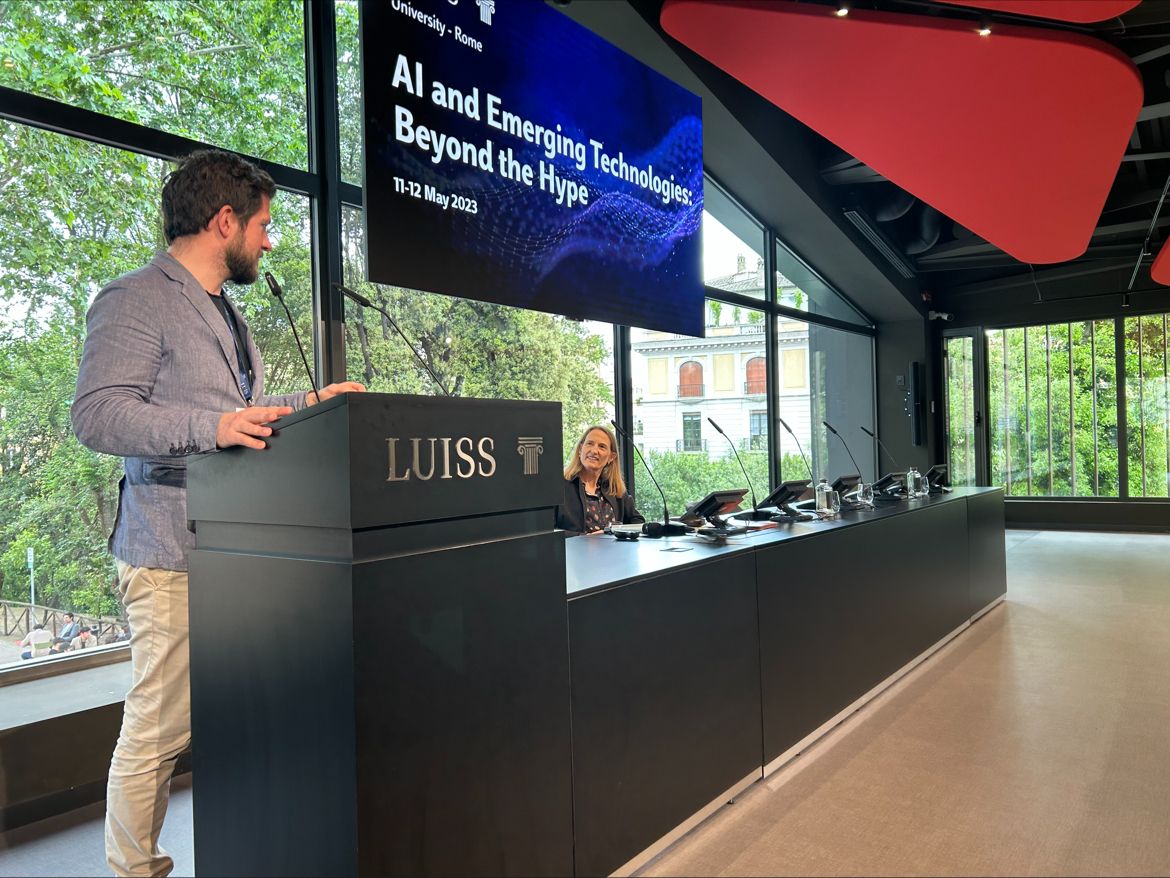
Source: Author

After the inaugural workshop at the LUISS campus in 2023, this second edition was held at the ESSEC campus in Paris. The event brought together experts from various disciplines, including information studies, organization and management theory, marketing, and even sociologists. They were all focused on studying the intricate impacts of AI on organizations and society and how these entities, in turn, shape AI.

2nd workshop edition in ESSEC Paris in May 2024:
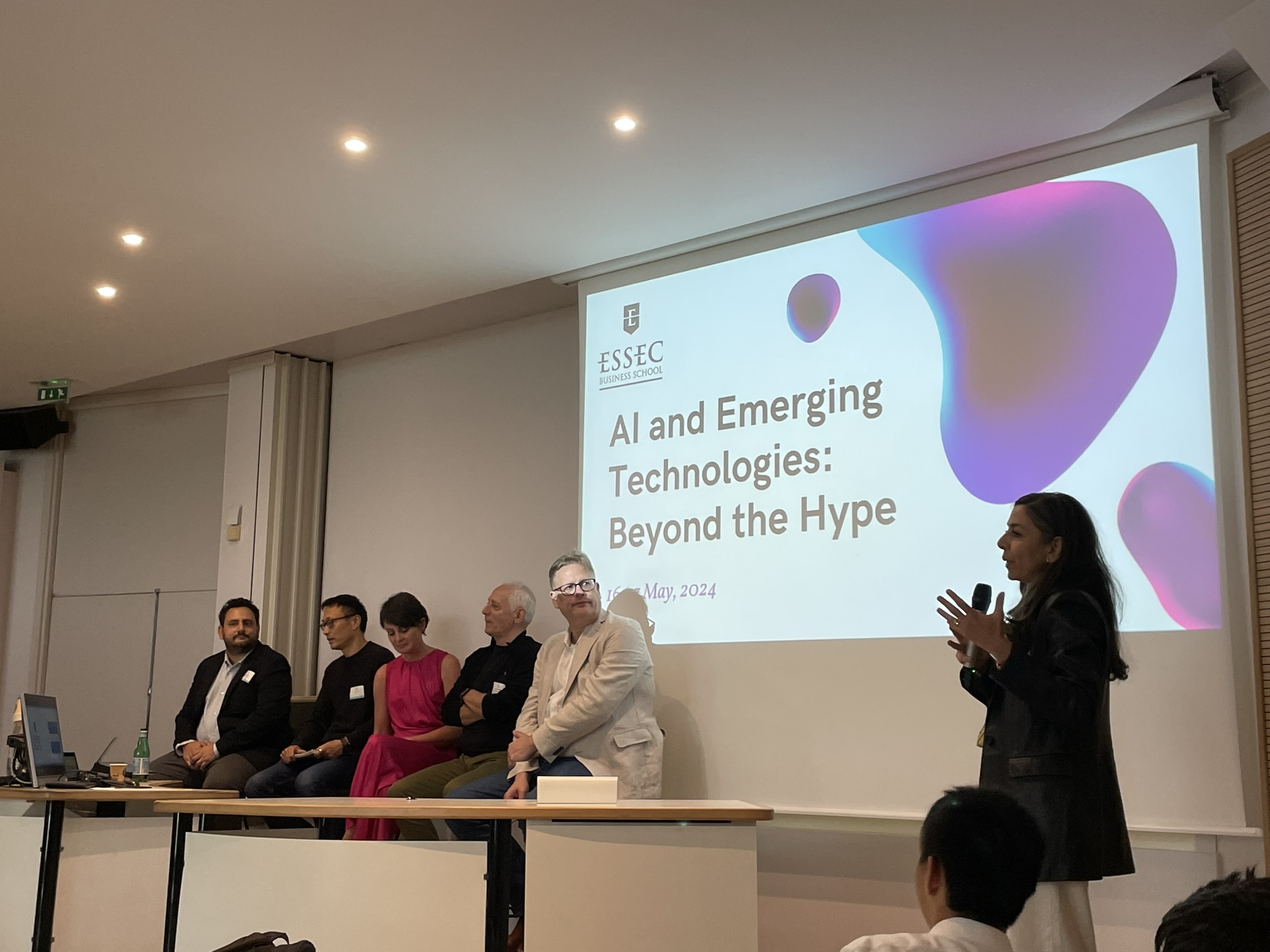
Source: Author

Over the course of two days, the workshop featured a series of insightful keynote speeches. The introductory keynote was delivered by Professor Jan Recker, who set the tone with his thought-provoking topic “Responsible AI = Sustainable AI?” He challenged the assumption that responsible AI is inherently sustainable, suggesting that we need to approach these concepts differently to ensure both responsibility and sustainability in AI development.

Following this, Prof. Elena Esposito delivered a compelling keynote on the transformative power of AI in making predictions actionable. She illustrated how, unlike traditional predictions like weather forecasts that merely prepare us for the future, AI enables proactive interventions to alter the predicted outcomes. This represents a significant shift in the role of predictions, akin to changing the weather itself rather than just dressing appropriately for it.

The second day of the workshop continued with equally engaging keynotes. Prof. Harris Kyriakou discussed the “Implications of AI for Research & Practice,” offering valuable insights into how AI is reshaping both academic research and practical applications. Prof. Melissa Valentine from Stanford University captivated the audience (making us solve math equations!) with her ethnographic study of an online clothing retailer. She demonstrated how introducing an algorithm transformed the organizational structure, with data science approaches to buying and planning redefining existing departmental boundaries.

These keynote speeches, followed by dynamic roundtables and project presentations, provided me with a lot of answers about AI, but it also left me with some new questions (which, I think, is a good thing?):

  • We still don’t truly know what falls under the category of AI. While many consider it an emerging technology, some argue that parts of it have reached the level of a general-purpose technology. As various fields navigate the creation and adoption of digital and advanced technologies, it’s uncertain whether we will have a clear answer to this question even next year.
  • This uncertainty leads to broader questions about our common understanding. Do we mean the same things when we talk about AI, sustainability, responsibility, accountability, and the role of data in addressing problems and finding solutions? How does this ambiguity impact our research? Are we experiencing an epistemological crisis due to the lack of clear definitions and shared understanding?
  • This also raised important questions about AI and sustainability. While AI is often touted as a contributor to sustainable solutions and development, it’s essential to consider the substantial resources these processes consume. Although AI can indeed foster sustainable outcomes, the experimentation process itself, even when shifted from physical to digital realms, still consumes a significant amount of resources. How, then, do we address this issue effectively?
  • As AI continues to become smarter and more autonomous, questions about accountability arise. Who is responsible for the good and bad decisions we outsource to AI? What decisions can we ethically and effectively delegate to non-human entities, and which should remain under human control? This issue is particularly pertinent in the use of AI for human resources, such as in the hiring process.

This workshop was and will continue to be an incredible opportunity to delve into these questions, fostering a deeper understanding of AI’s role and potential in society.

Looking forward to next year!
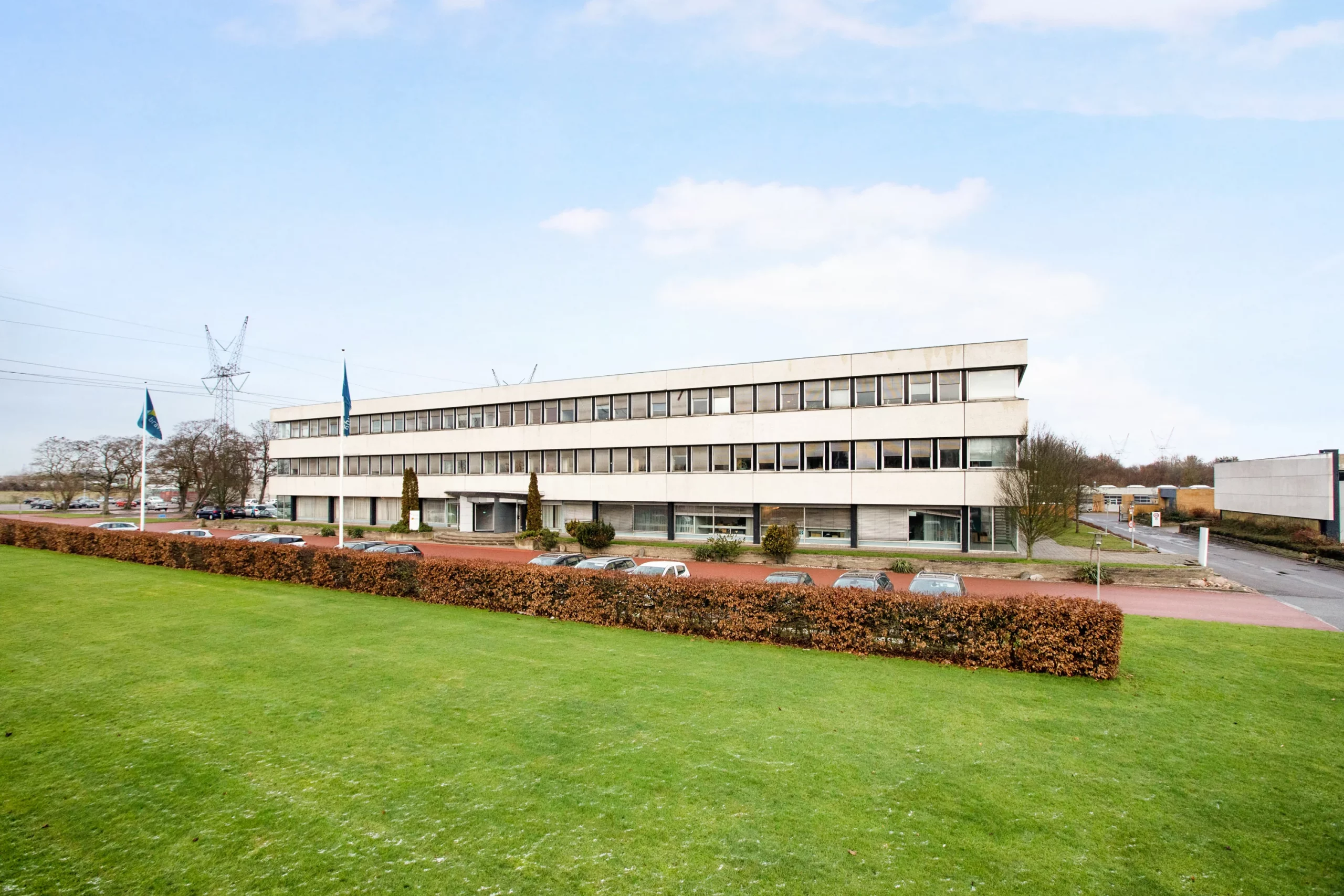
Robotics workshop in Odense Denmark

We travelled to Odense, Denmark in October 2022 to attend a workshop on robotics. We were able to tour two businesses, Blue Ocean Robots and Universal Robots, as well as the University of Southern Denmark (SDU), during this workshop. I’ll talk about my experiences touring two robotics companies and one university in this blog.

As a result of the several enterprises that are developing robots in Odense, the city is also known as the “city of robots.” First, we went to Blue Ocean Robotics, which has three primary robots. There, they let us interact with them and showed us some of their most important features. The CTO of Blue Ocean Robots also provided a general overview of the business, including its history, culture, technical staff, etc. Additionally, we went to their production facility and a lot of questions were answered there. Our researcher was quite curious throughout our visit, and I learned that there are still many robot advancements that can be made, and that they are actively working to do so.

Figure 1: Blue Ocean robotics. Photo source: https://cdn2.hubspot.net/hubfs/5809782/Blue%20Ocean%20Robotics%20own%20folder/New%20Headquarters/Blue%20Ocean%20Robotics%20Domicil%202020_3.jpg

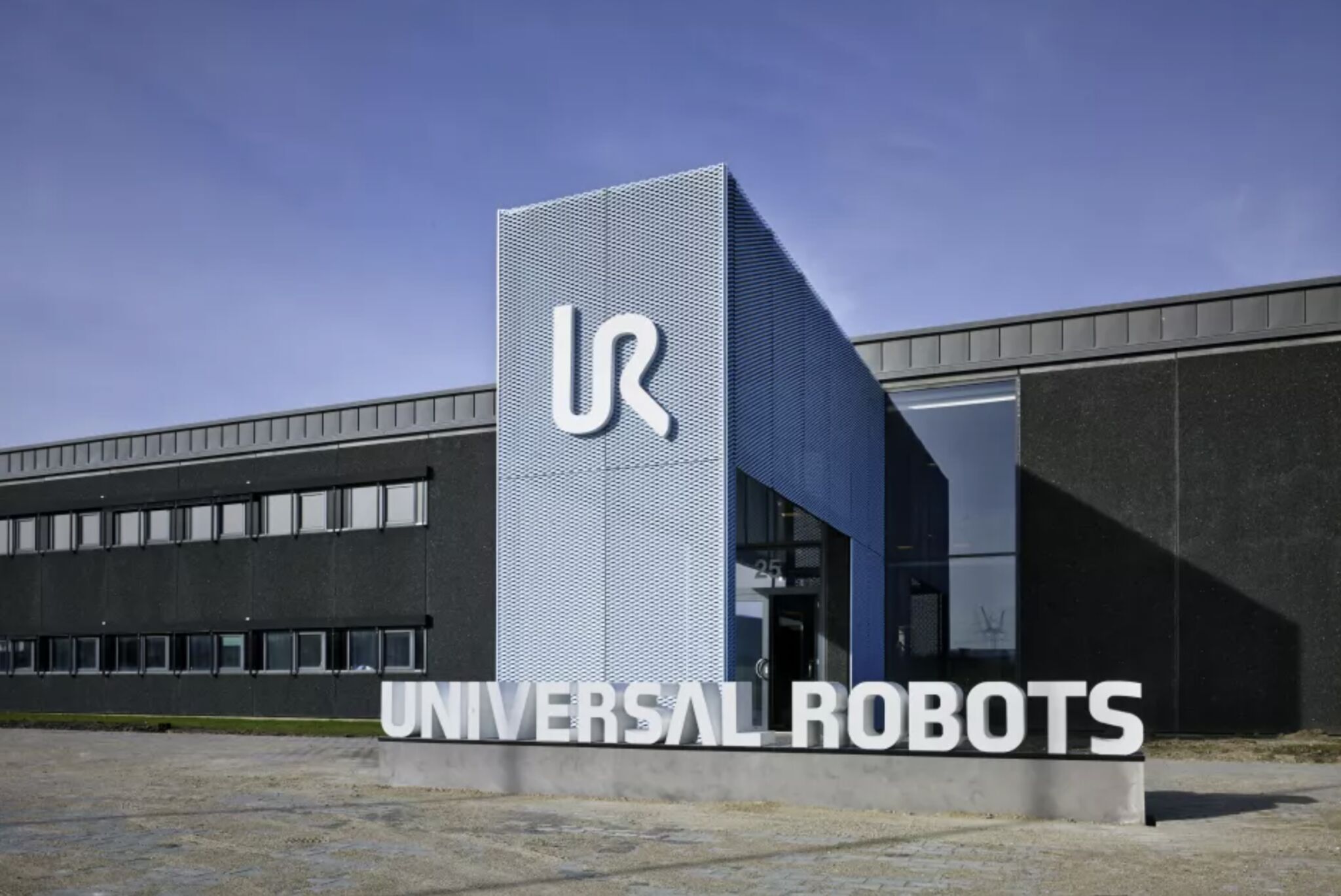
Secondly, we went to Universal Robots, where the innovation manager gave us a tour of the facility and then gave us the opportunity to program their robot. After the presentation, they also gave us access to the production site. One collaborative robot from Universal Robots is capable of carrying out a variety of activities, including screw driving and picking up and placing goods. After using their robot, I discovered that there is still room for development, and they are already enhancing and incorporating new functions into their robots.

Figure 2: Universal Robots. Photo source: https://www.universal-robots.com/media/19454/ur_domicil01_387x290.jpg

Furthermore, the next day, we went to the Southern Danish University (SDU). Professor Calogero Maria Oddo, my supervisor, and other professors from various universities presented their research. Also, I with other researchers presented my poster and described my PhD project. During my stay in Odense, I discovered a lot of new things, and this workshop enabled me to better grasp the kinds of advancements and contributions I can make to the field of robotics during my PhD. It was a fantastic session that all of the organizers did a great job of planning. I’ve included some helpful advice here for anyone planning to visit industry in the future.

  • Before visiting, try to learn about the company’s primary products.
  • Before visiting, try to learn more about the history of the firm.
  • When you visit, try to learn about the company’s vulnerabilities.
  • Speak to as many of the staff members of that firm as you can.
  • Try to determine what a firm may gain from your talents.

In conclusion, I’d like to emphasize the importance of visiting businesses and other academic institutions throughout a PhD to learn about their contributions. Additionally, working in industry for a short period of time might be helpful for a PhD thesis.  You will be able to observe the implementation in actual robots during your tour to industry, and you can learn about ongoing research at other universities by visiting them. You can expand your network by going to workshops, conferences, and industry events. I really believe that when you are surrounded by intelligent individuals, you can learn a lot and, in the future, we will be able to take positive action for the advancement of our society.


Analog Twin

Analog Twin

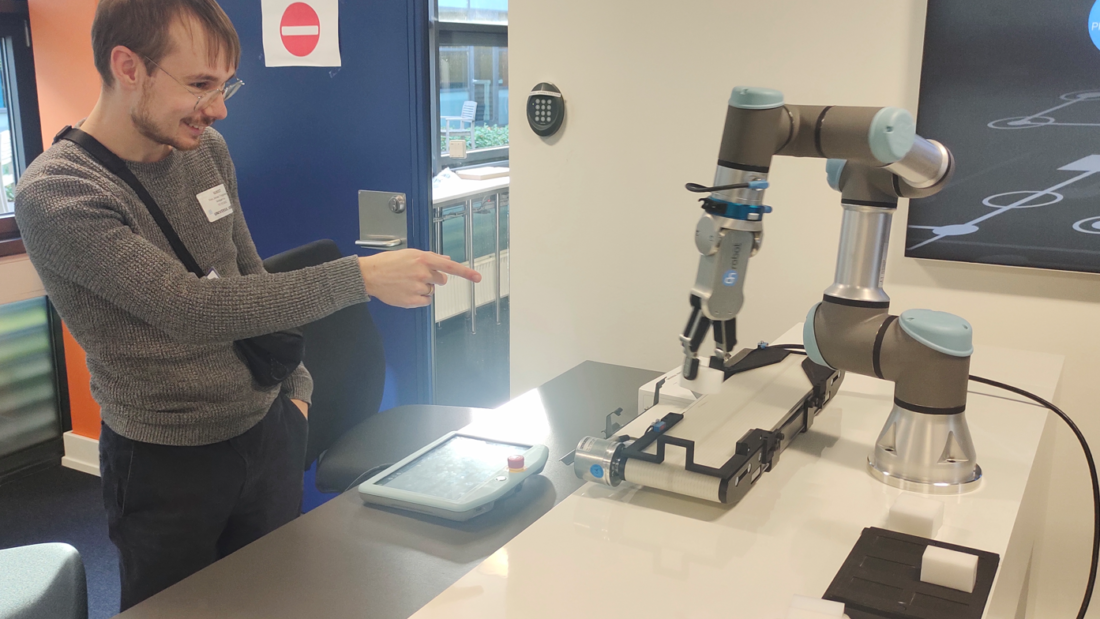
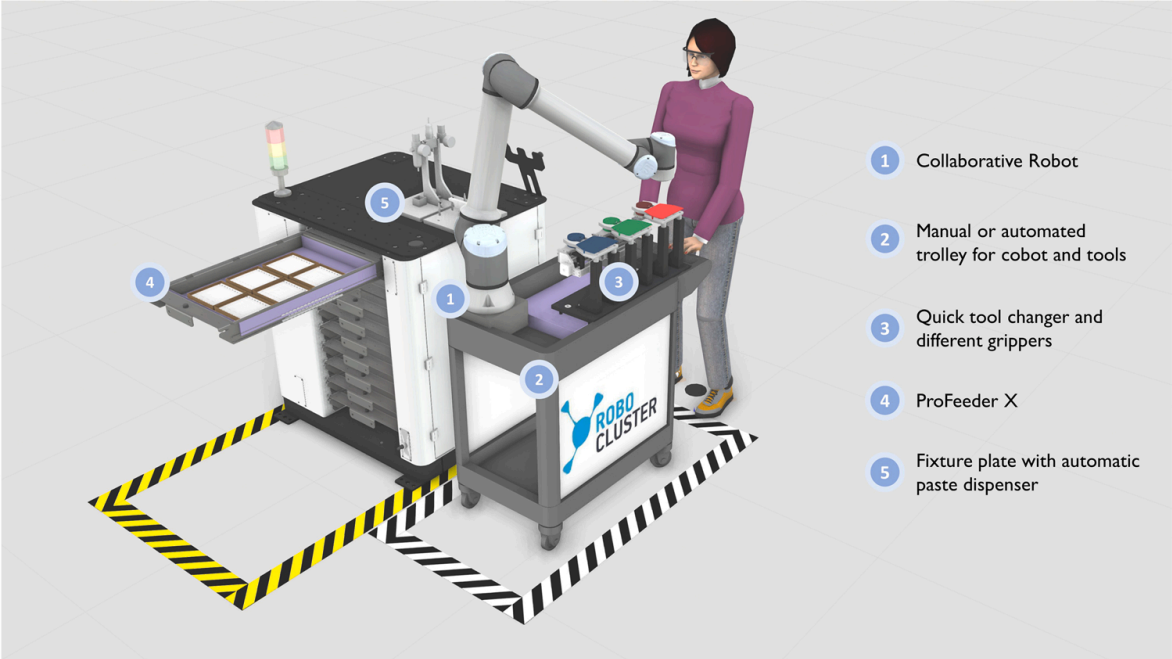
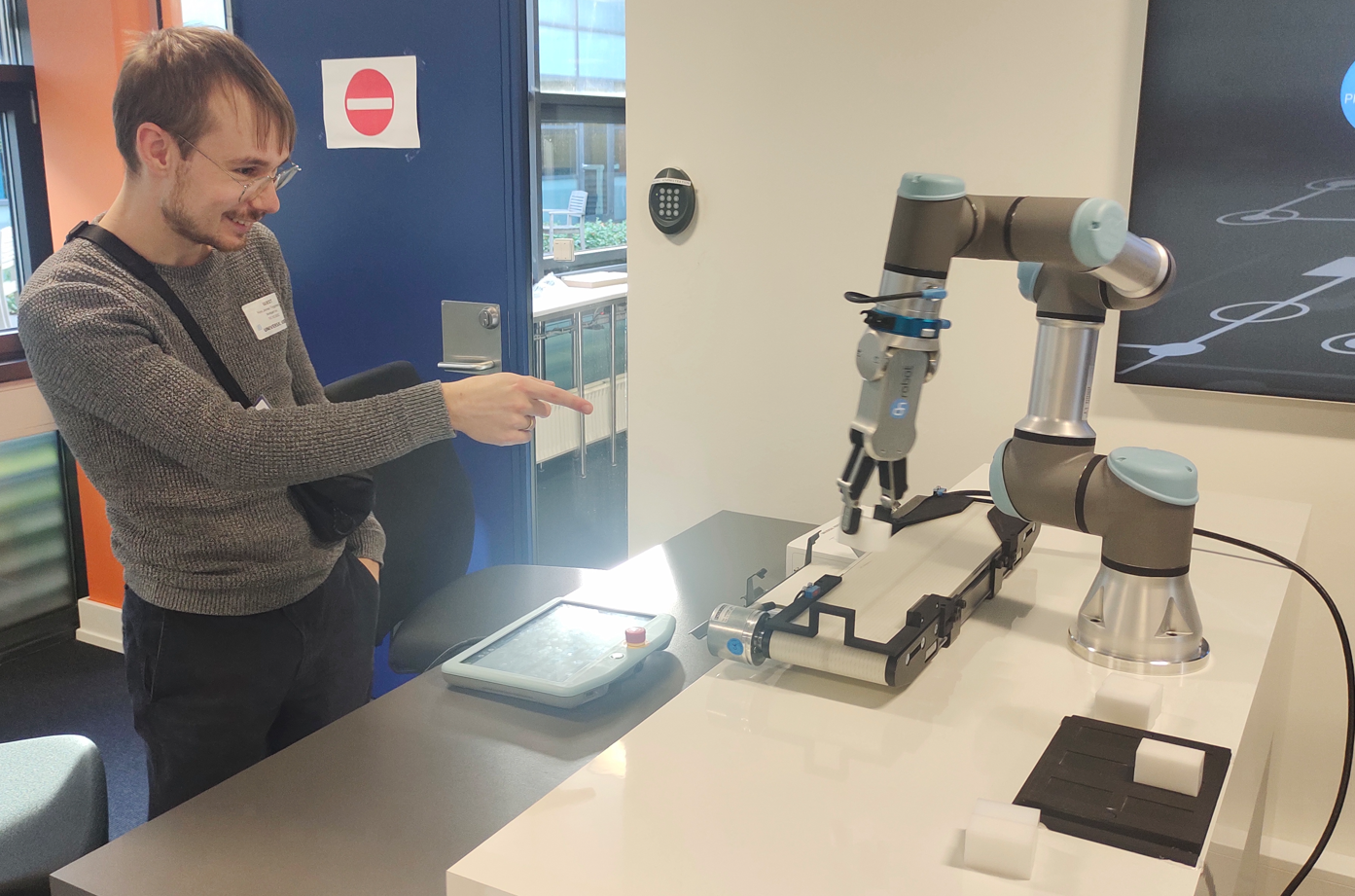
During our recent ENST4INE workshop in Denmark, we had an insightful tour at Universal Robot’s (UR). Part of the tour was an introduction to the programming of their robots in their educational facilities. While brief, it was amazing to get the robot to do some simple stacking tasks. Previously I had been working with a virtual version of the UR robot as part of a paper with my professor at the University of Southern Denmark (SDU), where we investigated different flexible production scenarios using simulation (see Figure below). It was surprising, how much of the knowledge I acquired during this project was directly transferable to programming the robot in real life. While the simulation clearly does not suffice to fully teach how to program a robot, many processes and concepts were almost the same. After this workshop I am convinced, that the simulation work I had been doing before can aid me in understanding real world applications and is suitable to evaluate a possible set up in a production line.

Analog Twin
Picture from: Ribeiro da Silva, E., Schou, C., Hjorth, S., Tryggvason, F., & Sørensen, M. S. (2022). Plug & Produce robot assistants as shared resources: A simulation approach. Journal of Manufacturing Systems, 63(March), 107–117. https://doi.org/10.1016/j.jmsy.2022.03.004
Analog Twin
Programming the robot (Picture taken by Parul).