car-6943487_1280

Why it is important to scan the horizon – The German car industry during Industry evolution

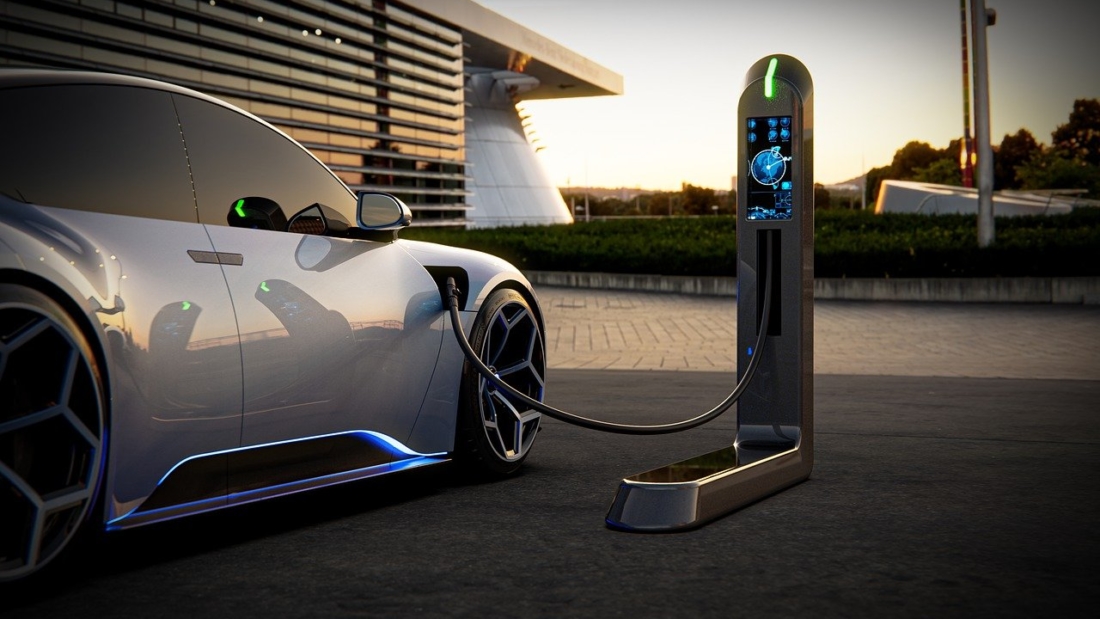
The automotive sector has undergone a significant transformation with the advent of electromobility. This revolutionary shift is reshaping the way vehicles are powered, manufactured, and utilized, with profound implications for the industry, the environment, and society as a whole.

Electromobility refers to the use of electric propulsion systems, primarily batteries or fuel cells, to power vehicles instead of traditional internal combustion engines. This transition is driven by various factors, including concerns about climate change, air pollution, and the finite nature of fossil fuels. As a result, automakers are increasingly investing in electric vehicles (EVs) and developing advanced technologies to improve their performance, range, and affordability.

Tesla has played a pivotal role in driving the adoption of electromobility and reshaping the automotive industry. However, Tesla’s success has also posed a significant challenge for traditional automakers, many of whom have struggled to catch up in the rapidly evolving electric vehicle market. Despite their substantial resources and manufacturing capabilities, legacy automakers have faced obstacles in developing competitive electric vehicles that can match Tesla’s performance, range, and brand appeal. Additionally, the transition to electromobility requires significant investment in research and development which can be daunting for established automakers.

Nevertheless, traditional car manufacturers had plenty of time and resources to search for and integrate external knowledge and identify the market changes. We investigated how the German car manufacturing sector prepared and responded to electromobility in our latest paper. What we find is that they delayed their response significantly and heavily relied on local knowledge – rather than sourcing missing knowledge early and integrating it. Using patent data, we mapped the knowledge flows for the three major players in the German car manufacturing sector and visualized the network.

Our most important finding is, that someone else in the innovation ecosystem managed to step up when the car manufacturers were not. Bosch became essential for all three car manufacturers and shows that it is essential to scan the peripheral of the industry. Otherwise you risk your position in the market and empower potential competitors to take your spot during the industry evolution.

If you want to know more, feel free to check out the full article, available here: https://doi.org/10.1111/radm.12689
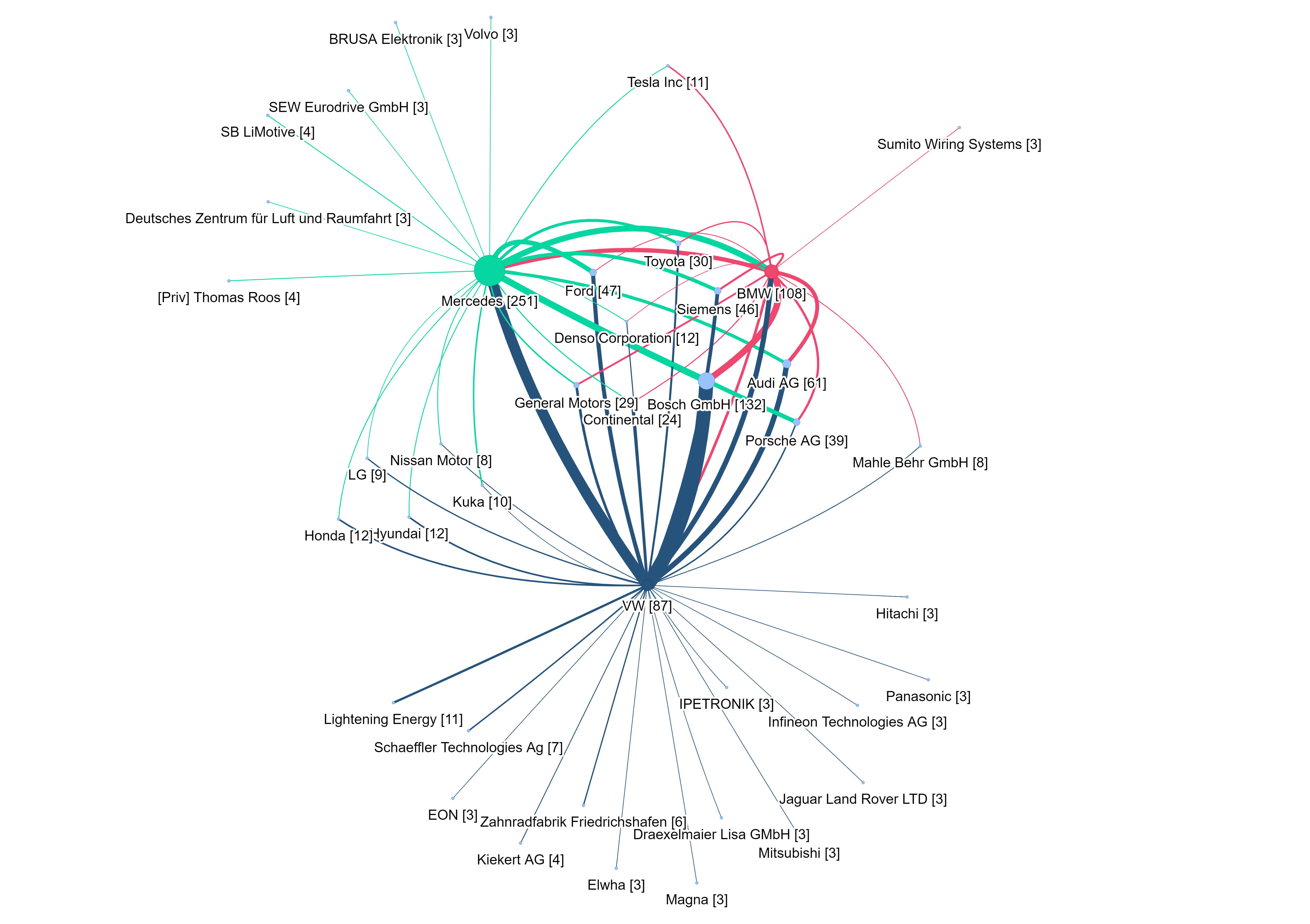


Knowledge flows at the later stages of the industry evolution. Bosch managed to become a central source for knowledge, granting them the power to control knowledge in the new ecosystem.
artificial-intelligence-3706562_1280

Clustering texts using Latent Dirichlet Allocation

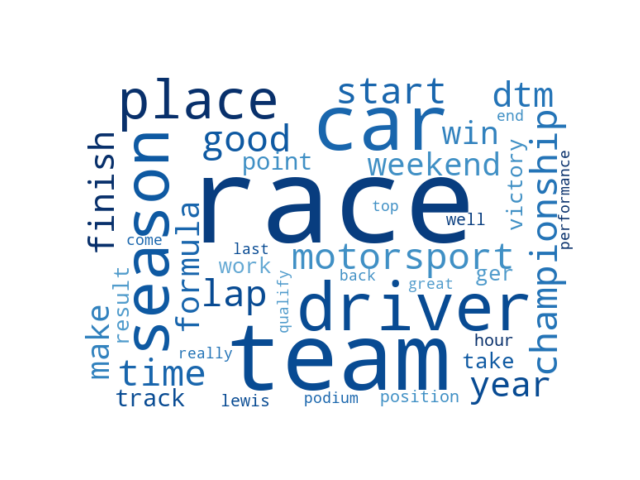
Analysing large bodies of text can be challenging, especially when with limited previous knowledge about the topics in the text. For one of my ongoing projects, I tackled this problem applying Latent Dirichlet Allocation (LDA). LDA is a machine learning algorithm that treats each text in the whole set as a “bag of words” – a collection of words with different frequencies that are used to describe the article’s content. It then tries to find words and weight for each word to best group all texts into topics, with the least overlap of topics. These topics do not inherently have meaning, but it is possible to plot the words and weights to visualize which topic has been identified to group the texts. As an example the following wordcloud represents one of the topics:

Clearly this is a topic regarding racing! Now that the LDA is trained, we can use it to categorize all the texts that we have.

While this kind of analysis seems intimidating, it is not hard to get started using python, thanks to great libraries and documentation. Here are my favorite examples:

Natural Language Toolkit https://www.nltk.org/ – A great library to work with human language

Gensim: https://radimrehurek.com/gensim/ – Topic modelling library (which also has an LDA implementation)


I can only recommend trying out this method when working with texts, so maybe give it a try yourself.

PXL_20230501_125941041

Vappu

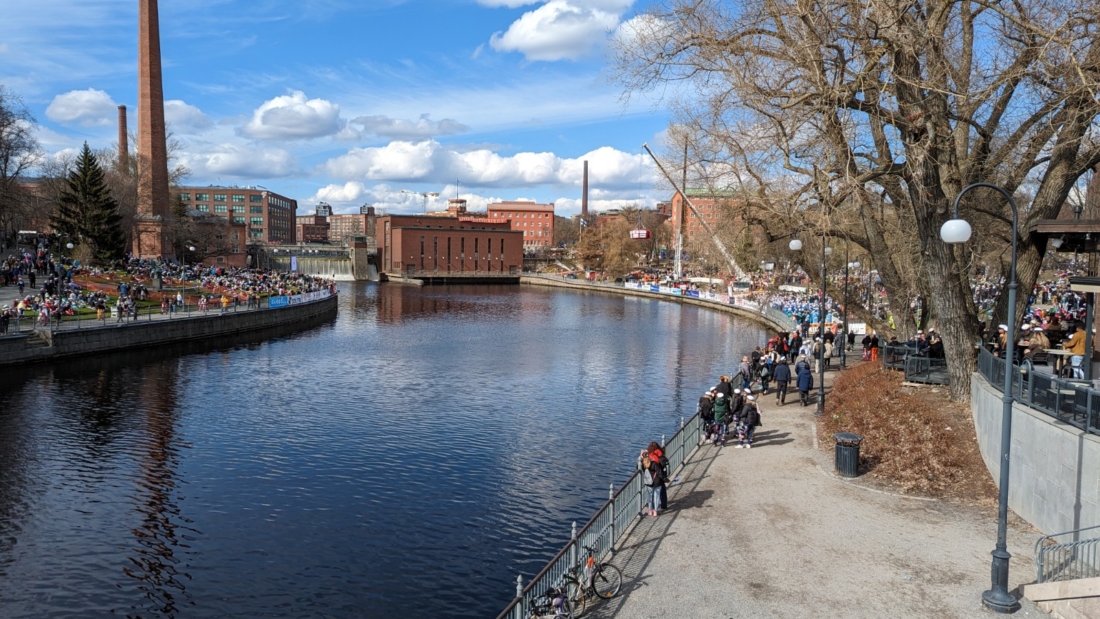
During my first weeks in Tampere I experienced the first of May celebrations in Finland also known as “Vappu”. In contrast to some other countries, the first of May is less important for workers’ rights and more relevant for the university students. The night before is often spend partying, while on the day itself everyone joins for huge public gatherings with sweets, picnics and alcohol. Sima a mead like beverage and munkki, a suggar coated donut are typical for those celebrations and sold in small booths all over the city. Freshly graduated students as well as alumni wear their white student cap and every city has its own traditions on what else is organized on the day. In Tampere, students will be submerged into the river running through the city. This is done in the most convenient way possible: by picking up a cage with students by crane. This spectacle is observed by the whole town, who gather at the riverside and bridge to have a look.

Party and picnic at the riverside. Picture by Finn Tryggvason
Dipping the students into the water by crane. Picture by Finn Tryggvason

Finn in Finland

As part of the program I have the opportunity to go to Finland and visit both my industry partner Jakamo, as well as the LUT university. Now the time has finally come and I have arrived in the lovely city of Tampere, where I will be staying for my first two months. I was lucky to be met not only by great weather, but also the amazing team of Jakamo. During my stay I will conduct research in the field of ecosystem legitimacy, using Jakamo as a case study. At the same time, I will gain important industry insights and can engage with the team here so that we can learn from each other. For now I will focus on settling in, which does not seem too hard with such great company showing me the sights of Tampere 😉

I am thankful for this opportunity and am excited to see where my journey here takes me. While working with Jakamo, I will also post on their blog on supplier experience, so stay tuned for more to come!

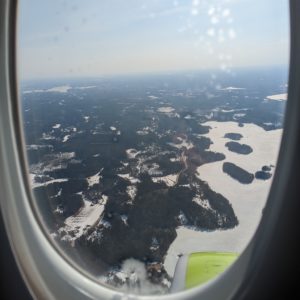
Approaching Tampere. Picture by Finn Tryggvason
Tampere Town Square. Picture by Finn Tryggvason


After work sunbathing with the team. Picture by Timo Rossi
Analog Twin

Analog Twin

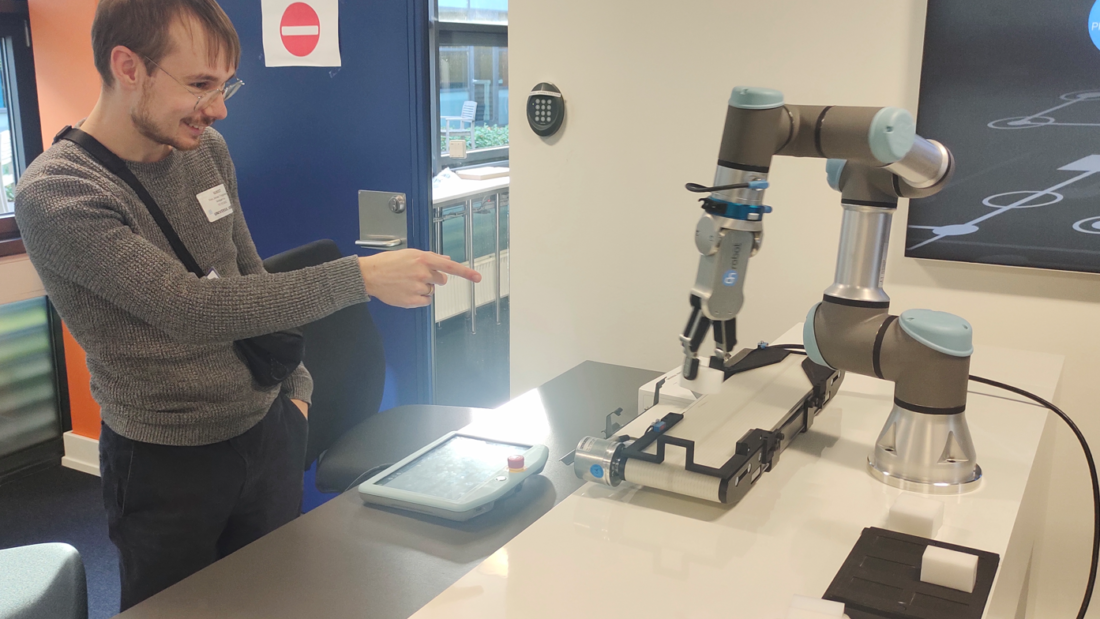
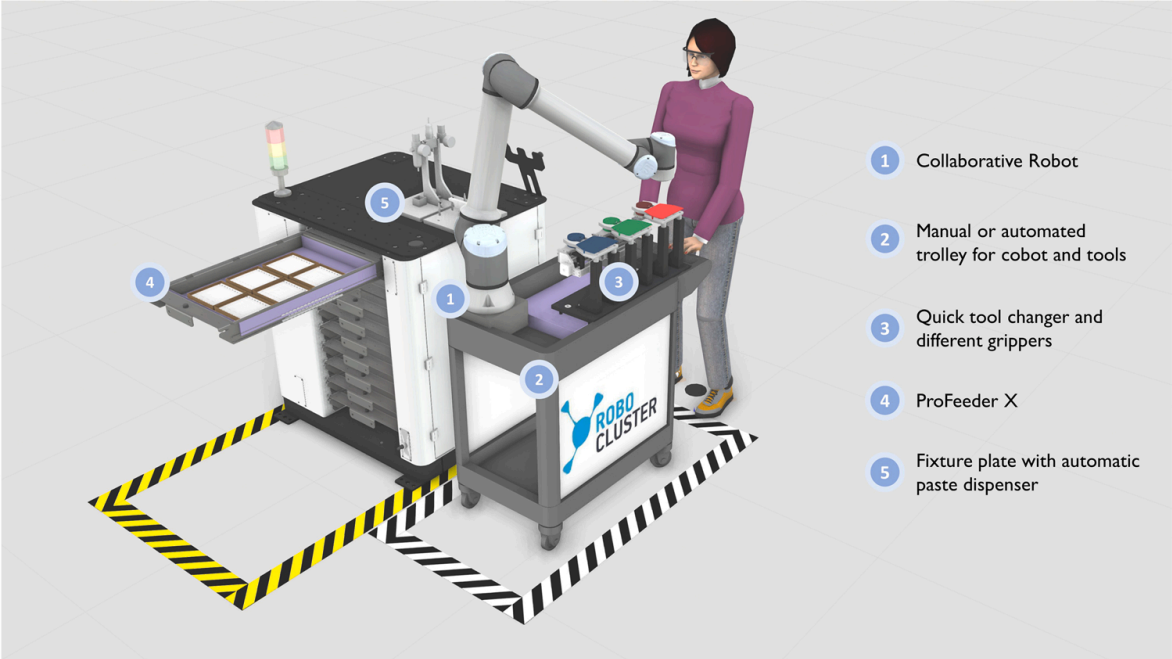
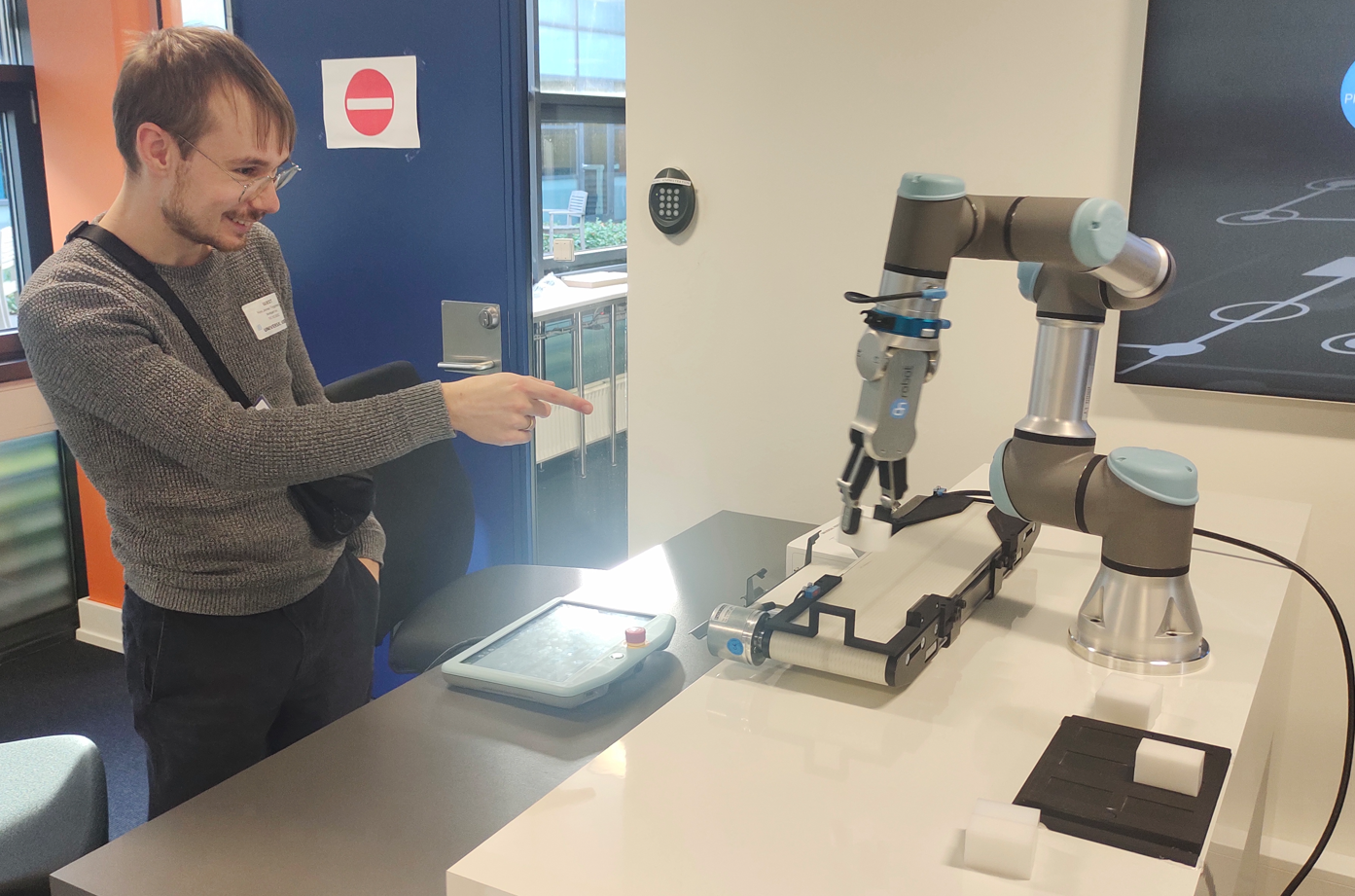
During our recent ENST4INE workshop in Denmark, we had an insightful tour at Universal Robot’s (UR). Part of the tour was an introduction to the programming of their robots in their educational facilities. While brief, it was amazing to get the robot to do some simple stacking tasks. Previously I had been working with a virtual version of the UR robot as part of a paper with my professor at the University of Southern Denmark (SDU), where we investigated different flexible production scenarios using simulation (see Figure below). It was surprising, how much of the knowledge I acquired during this project was directly transferable to programming the robot in real life. While the simulation clearly does not suffice to fully teach how to program a robot, many processes and concepts were almost the same. After this workshop I am convinced, that the simulation work I had been doing before can aid me in understanding real world applications and is suitable to evaluate a possible set up in a production line.

Analog Twin
Picture from: Ribeiro da Silva, E., Schou, C., Hjorth, S., Tryggvason, F., & Sørensen, M. S. (2022). Plug & Produce robot assistants as shared resources: A simulation approach. Journal of Manufacturing Systems, 63(March), 107–117. https://doi.org/10.1016/j.jmsy.2022.03.004
Analog Twin
Programming the robot (Picture taken by Parul).
20220531_181314 (2)

The other side of teaching

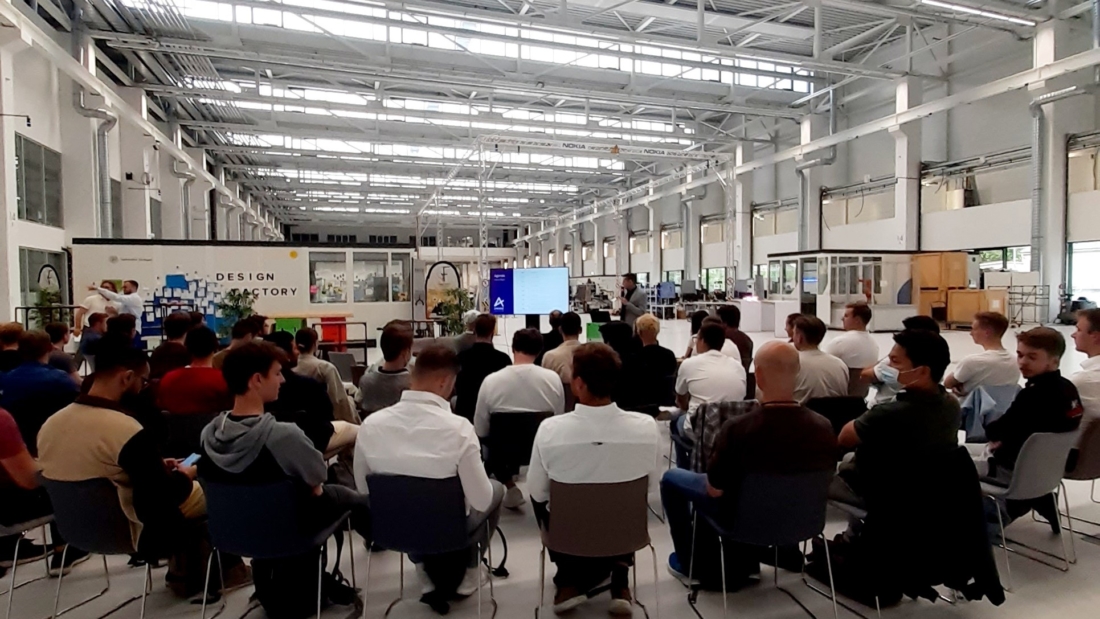
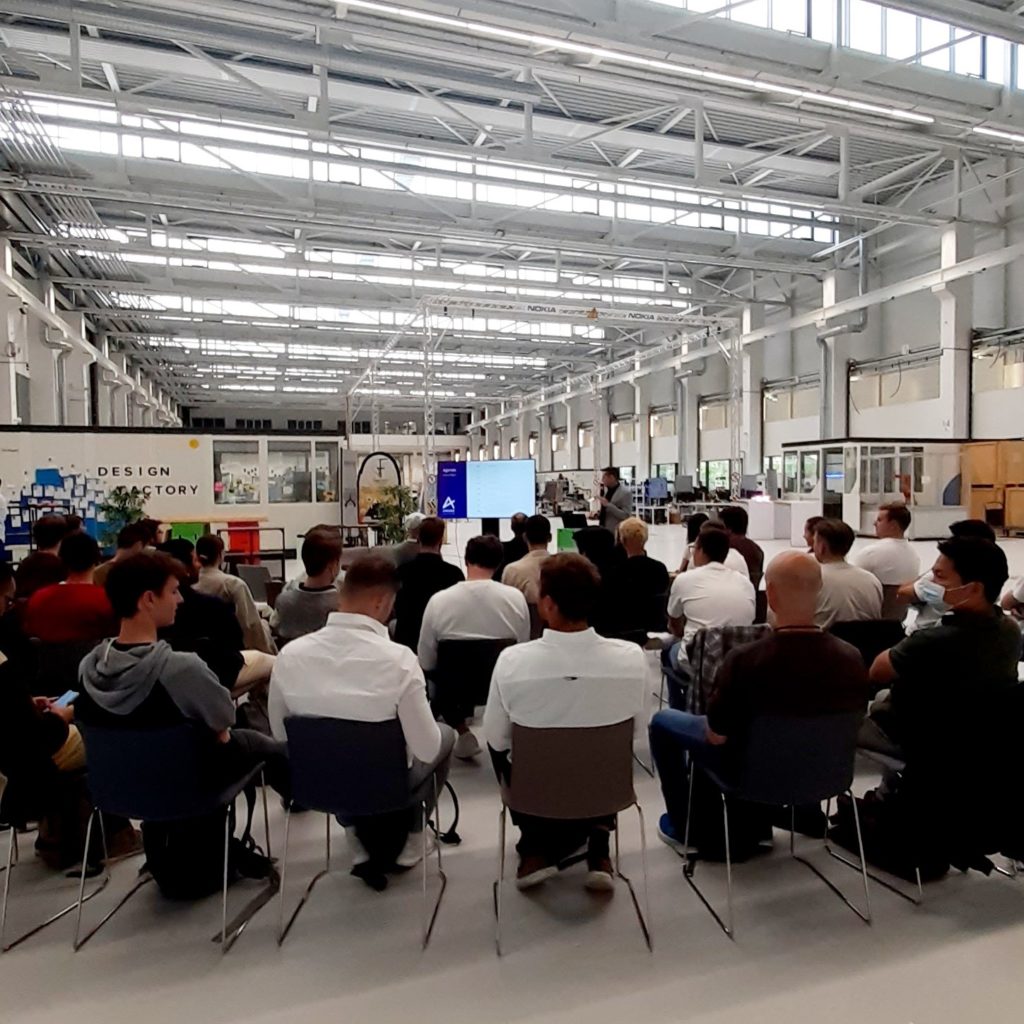
The “Demo Night”. During this final event the students presented their ideas. Picture by ENI.

This semester I experienced teaching from a perspective different from what I was used to. For the first time I was in charge of coordinating, teaching and organizing a course for students at our university (Stuttgart University).

Though I already had some experience assisting, it became apparent that there is more to consider than I anticipated. Ironically, the greatest challenge was to adapt to the possibility of finally meeting in person again. Over the last years, we struggled to adjust to the new circumstances of online teaching and limited physical meetings. It turns out that going back can be equally challenging: Zoom calls are much easier to organize than to book and prepare rooms, as well as making sure enough physical whiteboards, post-its and markers are available. Admittedly, the course “AWAKE” which I taught is a highly interactive course since its main goal is to motivate students to engage in entrepreneurial activities. Hence it requires more interactive elements than a normal lecture. Nevertheless, I learned that in addition to giving input, organizing a lecture requires serious administrative efforts to ensure a flawless course.

Furthermore, I can conclude that maybe communicating with students isn’t as easy as I thought it was. Many mails I received from the students reminded me of mails I wrote to my professors. Turns out you can try to do better and yet make the same small mistakes. Let’s see whether we can learn from those mistakes and reduce the questions in the next semester.

PXL_20220428_153512878

How I decided to pursue a PhD.


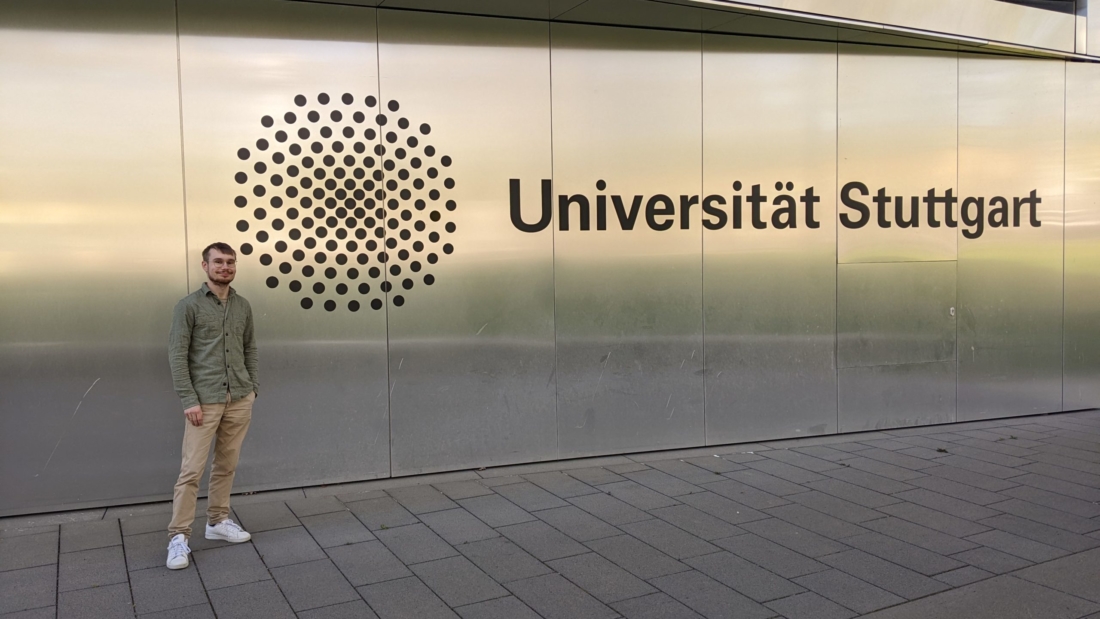
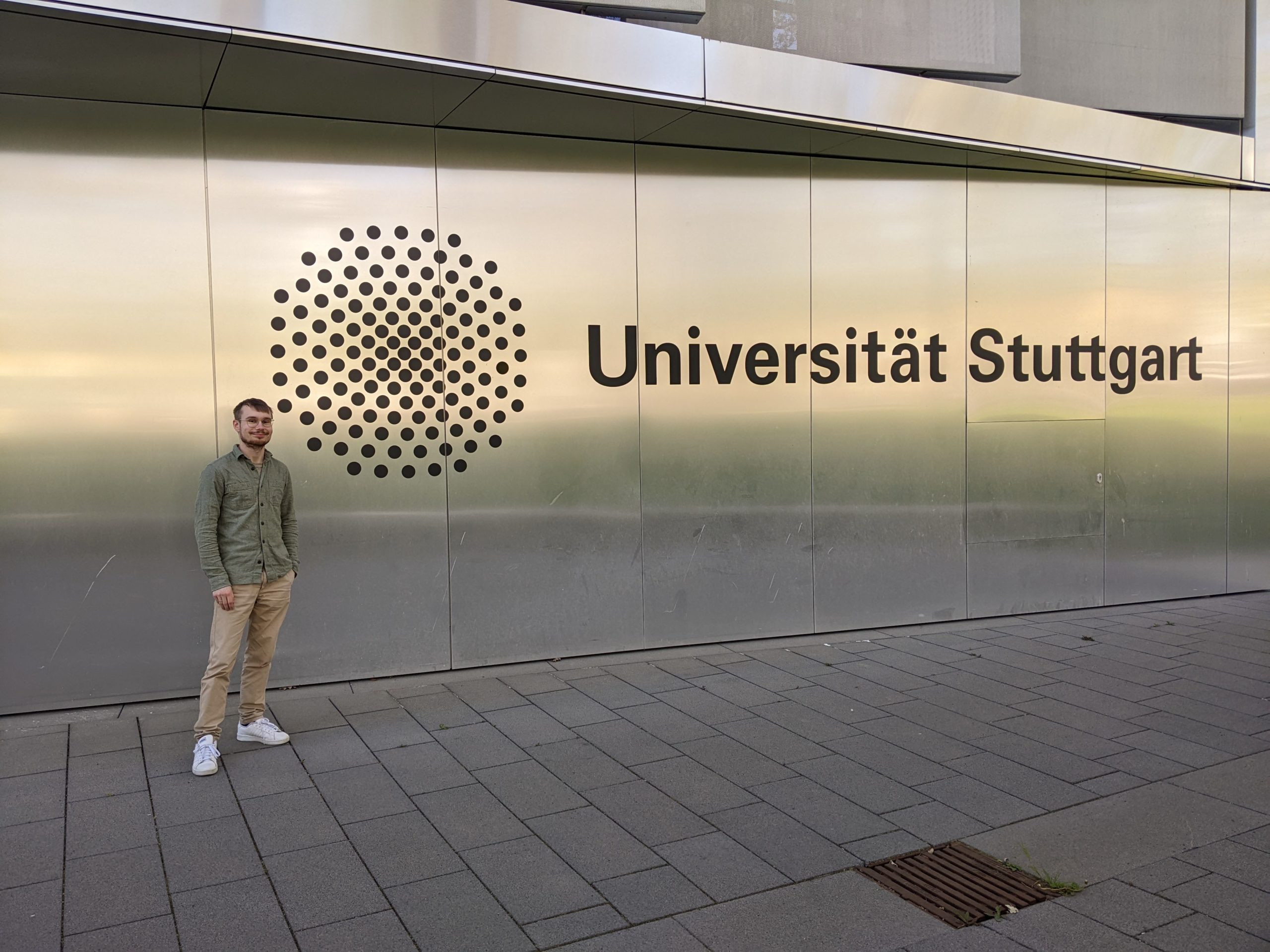
Me in front of Universität Stuttgart (Source: Finn Tryggvason)

Ever since I was a child I was undoubtedly interested in technologies. My extensive Lego collection and building projects gave an early indicator that my future would likely lead me to an engineering career. Unsurprisingly (though many years later) I started studying business engineering and I was certain that this would also be my future career path. However, the further I progressed in my studies, the more I distanced myself from “hardcore” engineering.

Towards the end of my education I was uncertain what the field of highest interest would be to me. Throughout my studies I came in touch with many different technologies such as 3D-printing, Cobots, VR, AI/ML and IoT and gained both hands on experience as well as a conceptual understanding of each technology. At the same time I was curious about topics such as Innovation Management, Open Innovation and how an innovation can reshaped the market. So as I approached the end of my education, I was left wondering: What will I do once I conclude my master studies?

Since I was unwilling to prematurely limit my future career opportunities, I decided to postpone my decision on what to specialize in. I started looking for something that would allow me to keep a close eye on novel technologies and trends from both a technological, as well as theoretical perspective.

I was lucky to discover the EINST4INE program which gives me the freedom to do exactly that. This program allows me to apply my previously gained knowledge regarding emerging technologies and combine it with my academic curiosity. I am excited to see where I will go from here and what the future of the program will bring.