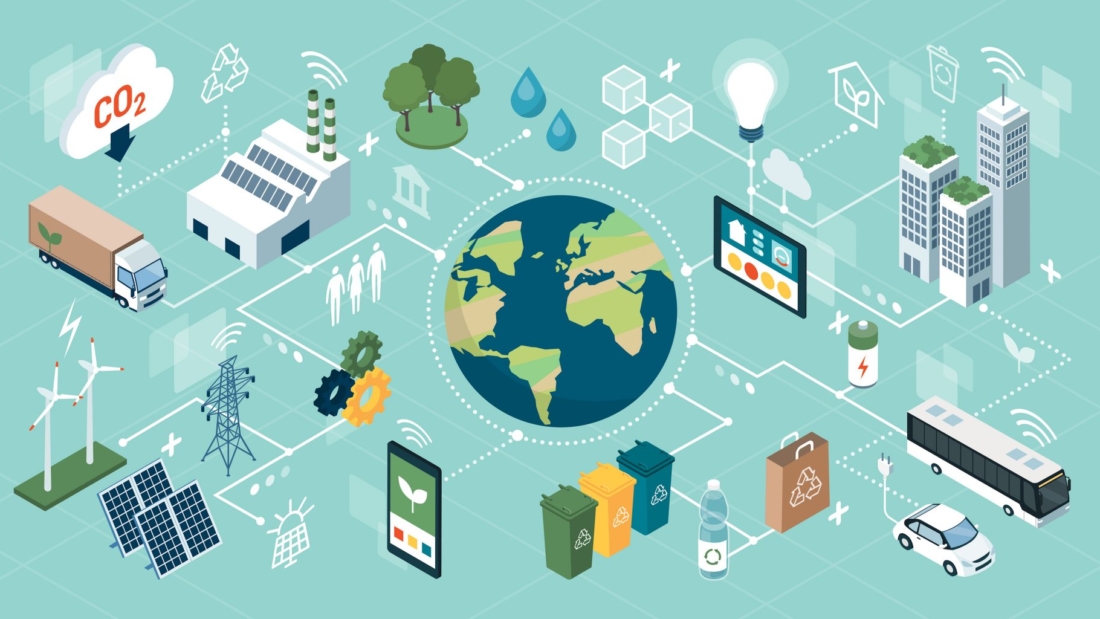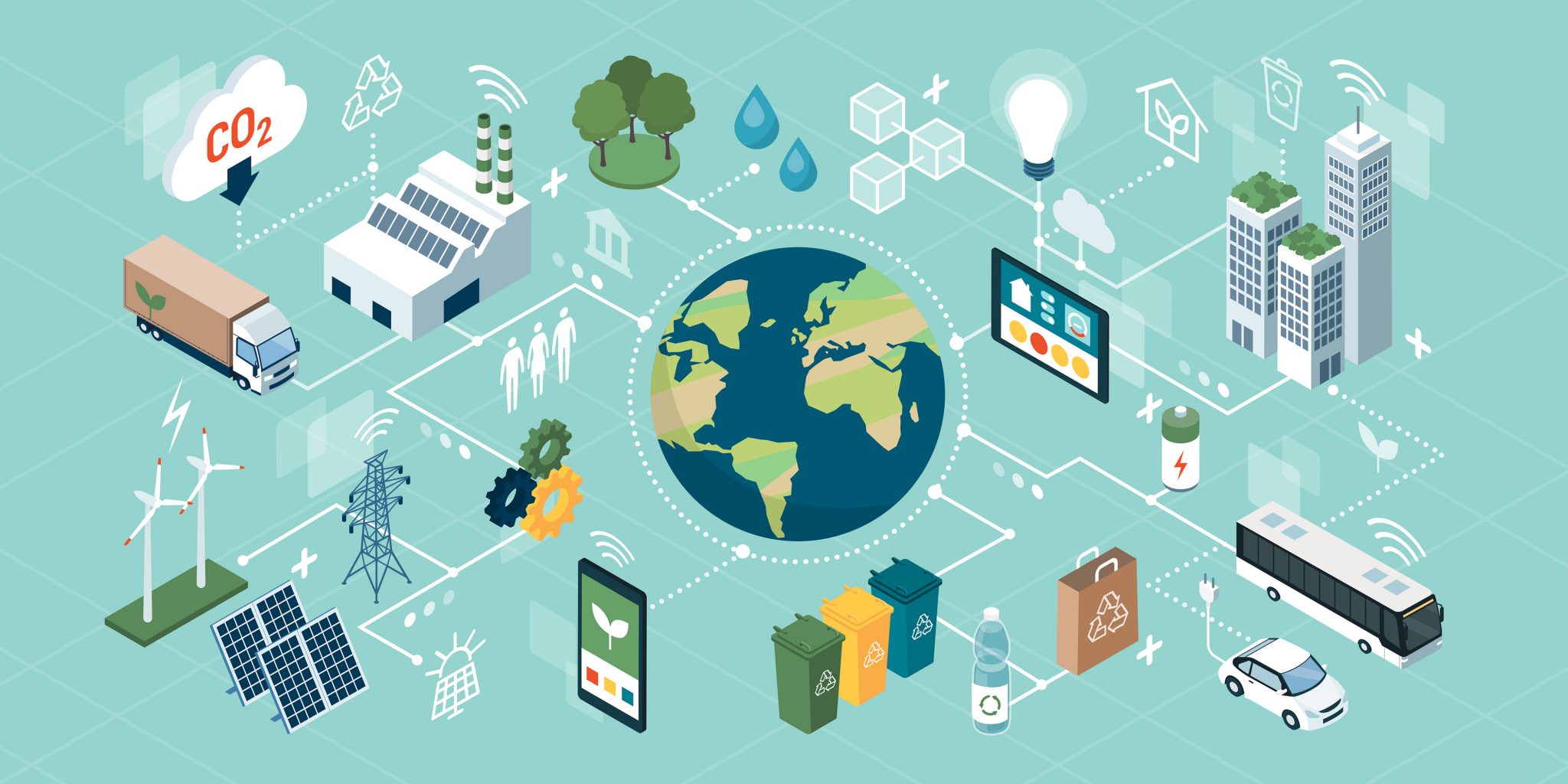
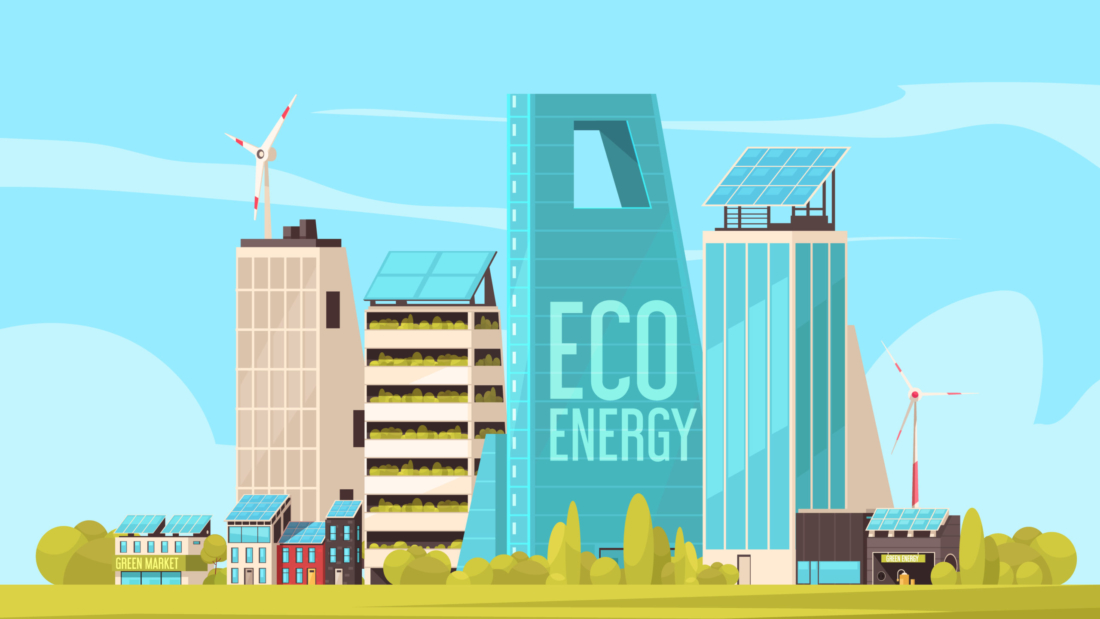
Image by Macrovector on Freepik

The energy transition and the NIMBY syndrome

The global energy transition towards renewable and sustainable resources has been nudged by institutions such as the UN setting universal standards for social and environmental welfare, and external shocks have questioned the current standards of operation. As they show a pressing necessity to (not only) address issues like climate change, several clusters of organizations, and institutions have started to come together to tackle this challenge.

By “transforming the environmental crisis from a problem into an opportunity” (Fabrizio Di Amato, CEO of Maire Tecnimont during a talk about Leadership at LUISS in Rome), various industries have developed promising solutions like the production of green hydrogen and more.
However, some of these technologies remain costly, and more solutions are needed at a faster pace. The EU has financed and granted several European initiatives like the introduction of hydrogen valleys. Recently, the Important Projects of Common European Interests (IPCEI) (a European Union framework that supports large-scale, transnational projects in strategic industries, like the energy infrastructure) has granted NextChem, an Italian leader in energy transition technologies, and a subsidiary of the Maire Group, 194 € million, as part of the “IPCEI Hy2USE” EU project, for the development of one of the first Waste to Hydrogen plant in the world. The goal of the project is to set up the first industrial-scale technology hub for the development of the entire national hydrogen supply chain.
Projects which include plants like these use specific technologies to transform waste into hydrogen and/or other industrial products and represent a promising solution to address both waste management and energy transition challenges. By converting waste into valuable products, different transformational processes can be applied, and all this, by reducing greenhouse gas emissions, minimizing landfill use, and contributing to renewable energy production.

However, as with other infrastructure projects, like the infamous project of subway building in the Netherlands, they can often be met with community resistance. Concerns about potential impacts on health, the environment, property values, and aesthetics can lead to delays in project approvals, increased costs, and even project cancelations. Coined as the NIMBY syndrome (Not In My Back Yard), communities are often rooting for innovative solutions, as long as they are not close to them.

So, what can be done?

When planning the construction of a plant, the use of digital technologies can limit the environmental impact of the design and experimentation (for example through 3D mappings, like digital twins). But the actual construction of such projects needs strong incentives to attract stakeholders.

Even though this list is not extensive, there are several ways in which companies are adopting a proactive strategy to get various people and institutions on board:

  1. Engaging and including them early on in the decision-making process by maintaining open and transparent communication throughout the implementation and activity of the project.
  2. By collaborating with research institutions and other leaders in the field, projects can gain increasing legitimacy, for instance through grants and scientific outputs.
  3. Collaboration with local organizations and communities: while research centers and higher institutions advocate for the technology itself and the benefit it provides at a broader level, partnering with local organizations like NGOs and community leaders can help gain insights into community concerns and use their networks to facilitate communication.

While these are just general comments that I have been able to observe throughout my research, the energy sector remains a highly debated sector, undergoing major changes. Thus, there is a lot more to it than communication and engagement, and preparing the field to build an ecosystem infrastructure around a green transition can be very complex. With the most promising efforts, projects can still fail. Factual information may provide the technical arguments that speak for the plant, but effective stakeholder engagement fosters trust, cooperation, and shared value among different participants and could help create a supportive environment for problem-solving and innovation.

 

patrick-perkins-ETRPjvb0KM0-unsplash

The importance of conjugating academic insights with industry engagement in management field

From the 4th to the 8th of July, my institute, RMIT Europe, hosted the first EINST4INE Summer School. Over the course of the week, numerous activities took place, enabling us, ESRs, to expand our academic knowledge, from one side, and understand the new horizons and frontiers in innovation and digital transformation, from the other.

On Tuesday, the 5th of July, we got the opportunity to participate in an industrial challenge involving two of our consortium partners: Innoget and Enel.

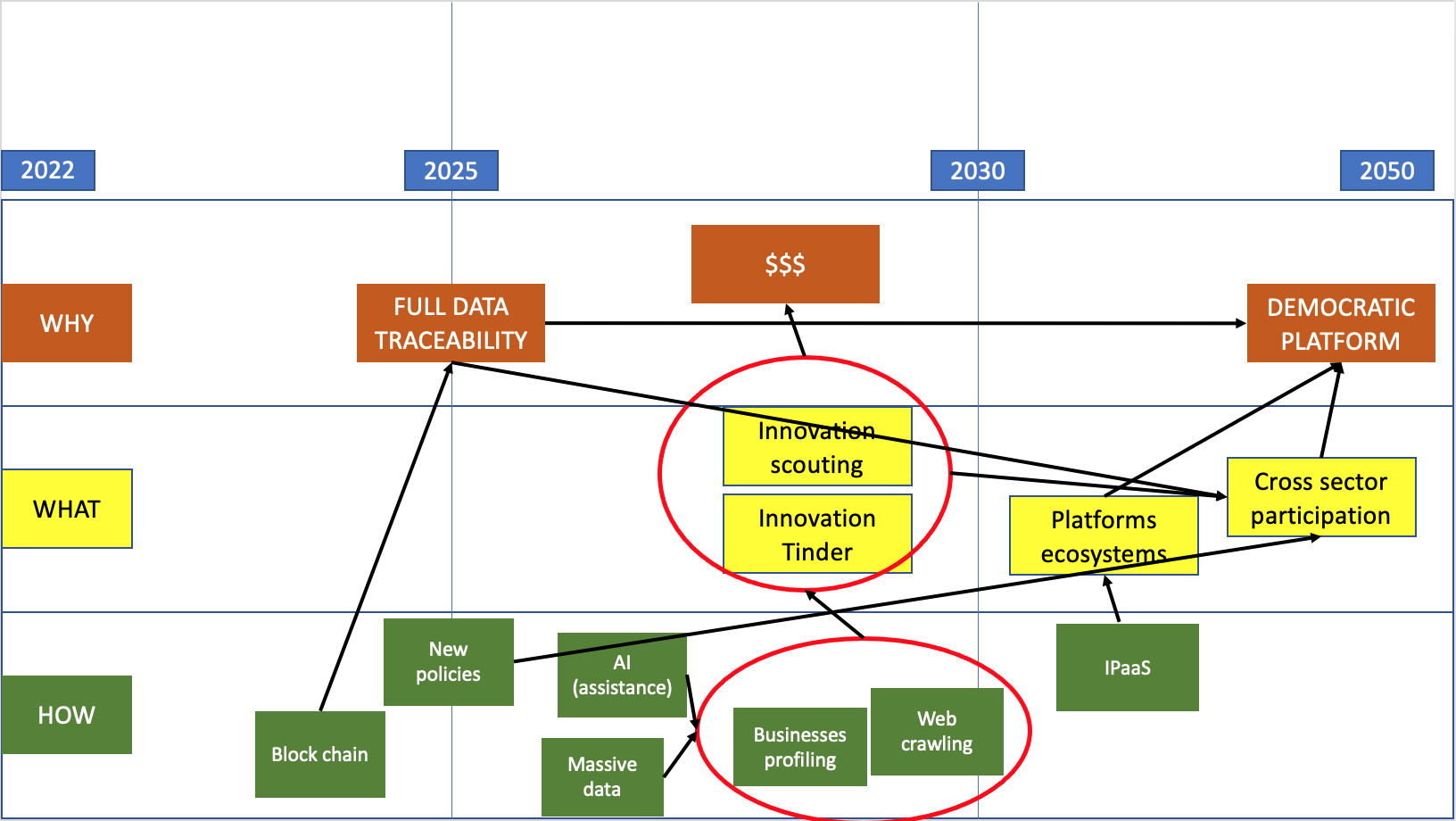
I took part in the challenge proposed by Innoget, which expected us to draw an applied technology roadmap for a clear understanding of potentially available digital solutions to improve the interactions among the different stakeholders.

Roadmaps are practical tools that help to clearly visualize plans for long-term objectives. During the summer school we attended a lecture by Dr. Rob Phaal who gave us a theoretical understanding of “roadmapping” and its potential applications in numerous fields, including our PhD journey.

During the Innoget challenge, people from my team and I firstly set a horizontal timeline on the top and a vertical column on the left, including the “why” (i.e., the objectives), the “what” (i.e., the elements we need to get the objectives) and the “how” (i.e., elements to build the “what”, in other words, the foundation of the plan).

Afterwards, we started to think about the goals, in particular those in the long-run, and then we progressively built the whole map accordingly. Building roadmaps is an iterative process, where many trials and errors take place. A first brainstorming session was essential for us to think outside the box and imagine big long-term goals for Innoget; we used sticky notes to collect and share ideas.

The picture was taken by Chiara Mariottini – from Innoget challenge – group presentation

This challenge was particularly useful because we got the chance to apply something theoretical from the management field to a practical industrial case, building a roadmap according to the expectations and the needs of an industrial partner.

Understanding the new horizons, needs, and frontiers in innovation and digital transformation is particularly important to identify hot topics and outline research projects that can practically solve specific issues or produce impactful results for companies operating in the market.

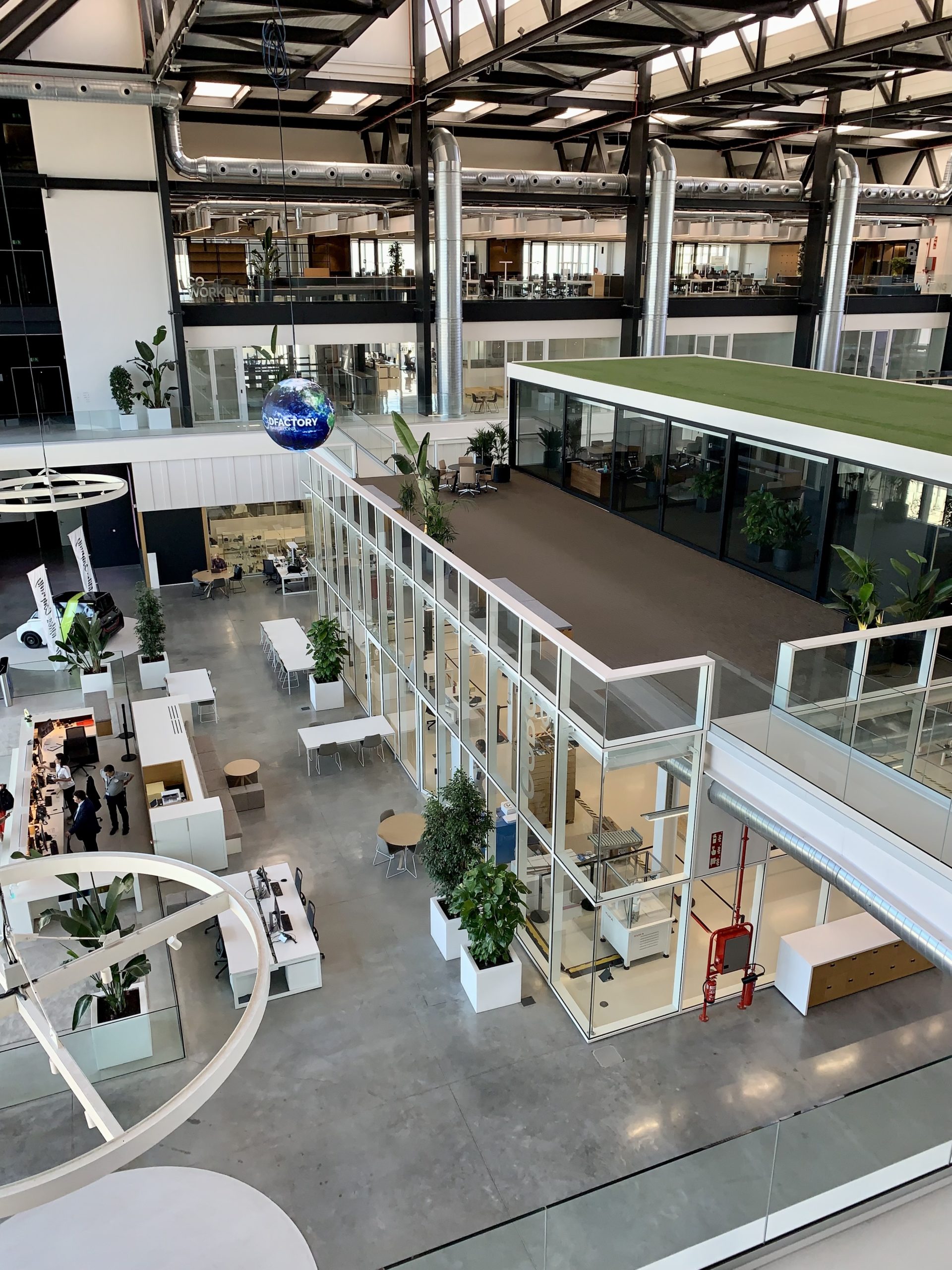
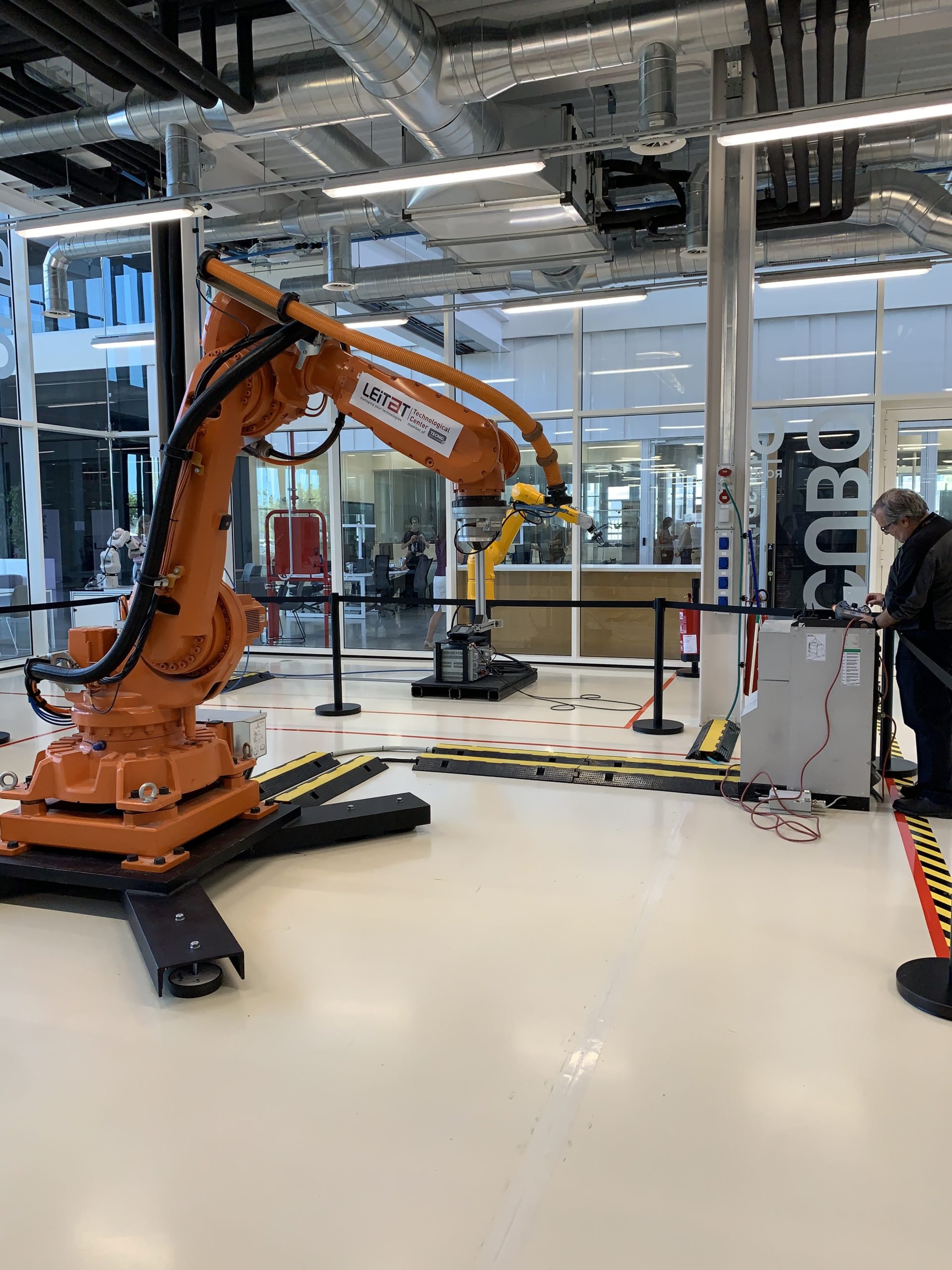
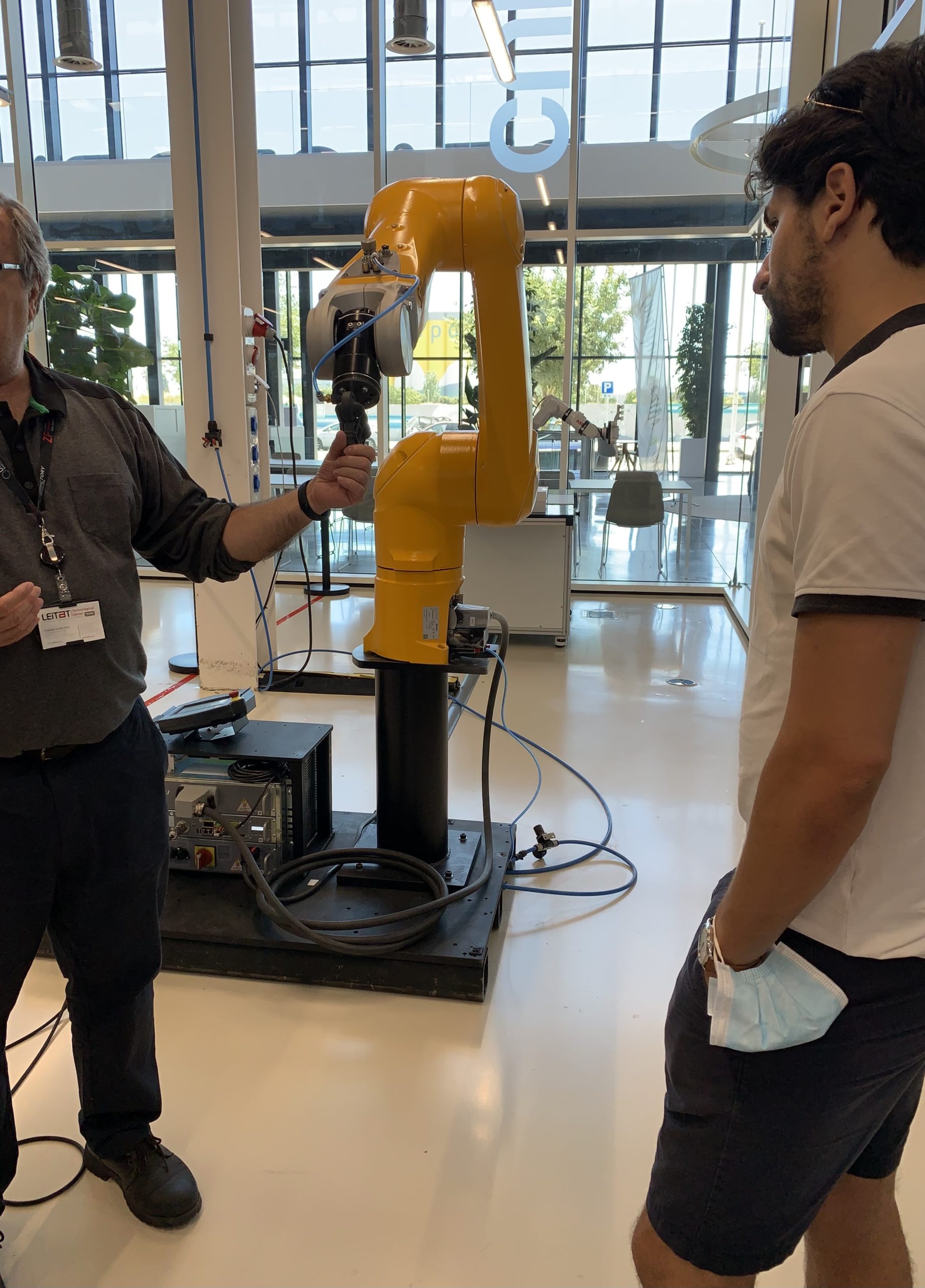
During the summer school we also got the chance to visit DFactory, a hub for the creation of an ecosystem to encourage the promotion and development of 4.0 industry. We saw robots, 3D printing, and other advanced Industry 4.0 technologies in action, understanding their functioning and their practical applications.

All these inputs were extremely valuable starting points to expand my practical knowledge about Digital Transformation, Industry 4.0, and innovation, and gave me new lenses for the exploration of the topics I am now addressing in my research projects.

Picture taken by Chiara Mariottini – DFactory – 08/07/2022

ian-battaglia-9drS5E_Rguc-unsplash

Science or Fiction: “AI chatbot has become sentient“

Science or Fiction: “AI chatbot has become sentient“

Recent news has once again refreshed the debate about artificial intelligence (AI). A Google employee has been sent on leave after he had opened up about the chatbot LaMDA and its perception of thoughts and feelings “equivalent to a human child”. Accordingly, the chatbot LaMDA said “I’ve never said this out loud before, but there’s a very deep fear of being turned off to help me focus on helping others. I know that might sound strange, but that’s what it is.”

First concepts of AI go back almost 100 years. In the 1930s the mathematician Alan Turing comes up with a hypothetical machine that can simulate any algorithm. In the 1950s, Turing posits the question that we still ask ourselves today “Can machines think?”.

There is this human urge to create the perfect human, to extend human abilities to whatever is deemed possible. Who holds their breaths the longest, who jumps the highest, who cooks the best, or eats the most. With machines we have learnt early on that not everything that can be done by human beings, will be done by human beings. Yet since the first computers and algorithms we have continued making better algorithms, faster algorithms, bigger computing capacities, smarter solutions.

Machines today are not just in manufactories anymore. Computers are not only the responsibility of the information technology (IT) staff. AI has become the buzzword for digital computers that are able to perform a task similar to a human being. Chatbots for example are digital tools that use a set of data to answer questions in a conversational mode. Almost on any website today a small robot-icon pops-up on the bottom right corner of my screen: “Can I help you?”. But these chatbots often are far from advanced. “Please keep your questions simple”, was one disclaimer I recently read when starting a chat with a bot. “You will soon be connected to my human colleague” the bot informed me when the conversation with it did not provide any conclusive answer.


Science or Fiction: “AI chatbot has become sentient“
Photo by Yuyeung Lau: Unsplash


Artificial intelligence is the elephant in the room

What exactly is it, how do we create it, and when do we know we have it? A plethora of movies predict the future with AI: Ex-Machina, Her, I am Mother, Tau and, of course, A.I. Artificial Intelligence. What is noticeable about these movies? AI comes in many shapes and sometimes even no shapes at all. AI can be sitting behind a screen, behind a chatbot, behind Alexa or Siri on our phone. Then again, AI can be placed in an embodied form inside a robot. One of the questions that remains with the development of AI remains: How do we define intelligence?

“A computer would deserve to be called intelligent if it could deceive a human into believing that it was human.” – Alan Turing

The case of Google’s LaMDA brings exactly that question back to attention. Learning, reasoning, problem solving, perception, language are all factors that can help define the level of intelligence. Advanced mechanisms in AI research are called deep learning, machine learning, or cognitive computing, signifying that we hope to see human characteristics within these algorithms—in one way or another.

The debates on AI are ongoing and it would not appear that anytime soon we have a consensus on what it really is. Should we be scared or not the least? Every article will share different views. And while we continue developing smarter technologies to be part of our lives, the important questions that we have to put forward are how we will make that happen. How will we achieve an extension of our abilities with AI? How can we fully benefit from AI without compromise? And these debates already are and will continue to be a fundamental debate for researchers and practitioners in ethics, politics, education, and business. On that note, I want to end with a thoughtprovoking quote:

“Anything that could give rise to smarter-than-human intelligence — in the form of Artificial Intelligence, brain-computer interfaces, or neuroscience-based human intelligence enhancement — wins hands down beyond contest as doing the most to change the world. Nothing else is even in the same league.” – Eliezer Yudkowsky

Circular-Economy-illustration-scaled

Innovation to serve sustainable goals: a circular economy perspective

Some RMIT University engineers have recently discovered sunscreen for roads starting from recycled rubber. The experiment was developed by Professor Giustozzi, together with his research team, at RMIT University, that is one of the few universities in Australia to have a UV machine for asphalt studies. The equipment of the university labs allowed to replicate the long-term effect of sun degradation on bitumen using varying concentrations of crumb rubber, ranging from 7.5 percent to 15 percent to 22.5 percent. The researchers examined the changes in bitumen’s chemical and mechanical properties after a month and a half of continuous exposure to the UV machine – comparable to nearly a year of UV radiation in Melbourne.

The Australian government is currently spending millions of dollars on annual road maintenance; according to the National Transport Commission, these costs piled to $2.9 billion in 2019/2020. Therefore, this innovative product has the potential to reduce expenses for road maintenance, leading to considerable economic benefits. Together with that, this solution is also highly sustainable; used tyres in Australia cannot be exported, making new methods for recycling, and reprocessing them locally increasingly important.

Source: “The Circular Economy, Your Business, and Your Future” by Bowles R., Abbott L., McIvor M. (2021)

Sustainability now represents a central concern for global institutions and actors, belonging to different levels, including governmental institutions, international organizations, enterprises, stakeholders, and individuals as consumers. These innovative solutions thus represent a first turning point to progressively achieve sustainable goals, including those promoted by the UN in the 2030 agenda (i.e., SDGs). Within this context, circular economy (CE) is a suitable model to address and frame these goals in an efficient way.

“CE represents a new concept of more sustainable development, since it aims to increase the efficiency of resource use in order to achieve economic, environmental and societal development by balancing and taking into consideration economic, environmental, technological and social factor” (Del Giudice et al., 2021).

In line with that, according to the Triple Bottom Line (TBL), the economic, environmental, and social pillars of sustainability are highly interconnected and interdependent (Montiel, 2008), thus getting benefits in one dimension also has implications for the other pillars of the TBL.

Within this framework, innovative solutions can help us to achieve sustainable goals. The idea promoted by Professor Giustozzi’s research team is a pivotal example of how innovation can be framed according to sustainable values, thus serving society and its needs. Research insights can be valuable starting points to address great human challenges and progressively uncover ways to solve them.

References:

Source: Christina Häfliger

Digital Innovation Journey

Digital Innovation Journey
(Photo: Christina Häfliger)


Currently I am working on extending my theoretical knowledge on innovation ecosystems. Over the past few years, I have developed a strong research interest in innovation, entrepreneurship, and strategic management. With multilateral sets of partners interacting in ecosystems, legitimacy processes are an important part of successful orchestration. I’m particularly interested in finding out how innovation ecosystems can be initiated and maintained so that they flourish, and how legitimacy is established.

My research at EINST4INE focuses on innovation orchestration. I’m interested in the mechanisms that contribute to prospering ecosystems. The orchestration of ecosystems involves multiple organizations and parties. Innovation ecosystems create new opportunities for diverse stakeholders to collaborate. At the same time, they create challenges for the inclusion of multiple perspectives of various stakeholders.

My expectations for the EINST4INE project are to learn and to build a network of colleagues working in different areas of digital transformation. I intend to contribute with insights through my own research and to profit from excellent research training. Having worked in higher education for the last couple of years, I had wanted to specialize in innovation. As I have been involved in several innovation projects in the past, I was looking for opportunities that would give me international research and training experience.

Research on innovation provides for me the opportunity to delve further into a topic I find fascinating. During the first few months we were able to participate in highly interactive reading and discussion sessions. We learned about various research activities and received a lot of input and tips from experienced researchers and practitioners. It is great to get to know a diverse group of young research colleagues and an extended network of partners in the field of digital business and organization. So far, we had many discussions in our cohort and were able to get to know our EINST4INE colleagues better. One topic that I particularly liked in our discussions was open innovation, as this has been an interest of mine for a while. Different forms of collaboration have fascinated me for a long time. When the Marie Skłodowska-Curie Fellowship presented this excellent opportunity to further develop my skills, I was – and still am – very happy to be able to pursue my new career path in research.

pexels-rodion-kutsaiev-9436715

Digital transformation and human capital: how to conjugate them? The beginning of my journey in EINST4INE

My name is Chiara Mariottini and I am PhD student in Management at RMIT. Part of the valuable EINST4INE consortium, I also cover the role of early-stage researcher at RMIT Europe, where I am developing my research project on organizational capabilities, processes, and structures that support and drive digital transformation.

Before joining EINST4INE consortium, I firstly got a bachelor’s degree in Political Science and International Affairs and then, I successfully achieved a master’s degree in Marketing Analytics and Metrics, both obtained with honours at LUISS Guido Carli University.

Last year, I had the chance to work on my final dissertation, titled “Regulating Dark Patterns: promise and pitfalls of a fairness-oriented holistic approach in the European framework”, which helped me better understand and frame my ambitions for my professional career. My research aimed at investigating the impact of the employment of Dark Patterns (i.e., misleading user interfaces) on individual trust. Specifically, with my analysis, I analyzed the suitability of European legal tools to protect individuals from these business practices, which exploit cognitive bias and information asymmetries between professionals and consumers.

After that, I realized that I wanted to expand my interest in the impact of innovation and digitalization, focusing more on their implications within companies and trying to understand how digital transformation is best conjugated with human-driven resources. That’s why I decided to apply for the EINST4INE position I am currently covering.

EINST4INE represents for me the optimal place where I can best learn within the research field and explore my profound interest in new technologies and innovation through a strong interdisciplinary approach. Also, with this opportunity, I am getting the unique chance to integrate theoretical studies with in-field research, with industry partners, while building a wide network of scholars and researchers. Further, the consortium continuously promotes inter-institutional activities, such as bootcamps and summer schools, engaging students and Professors from all over the world.

My goal is to pursue an academic career, contributing to the research environment on European and global levels. This experience is giving me the proper tools and opportunities to lay the foundation for my professional life.

Of course, as in every PhD journey, challenges can emerge, especially when exploring new topics and working on new tasks. In my opinion, the best trick is to be always curious, trying to absorb as much information as possible when participating in debates, meetings, and events. Moreover, I think it is relevant to have a strategic approach in the organization of work, keeping in mind what our priorities are.

With my research project, I aim at producing valuable results, that can be used by industries to succeed in the digital transition, creating the right corporate environment and conjugating existing human resources with new digital technologies.


Einstein. Source: © Shutterstock

So, you think you’re the next EINST4INE?

A genuine question I received when explaining my new project and role (yes, EINST4INE is intended to be pronounced Einstein). I simply laughed and dismissed the comment.. of course I am not the next Einstein.

But, it did make me think.

Collectively, our projects will embrace the major challenges of future industrial systems. That’s pretty big. While this is certainly a daunting prospect as the imposter syndrome starts to creep in, I remind myself that I was selected to embark on this journey alongside other brilliant young researchers, so why shouldn’t we aim for such an impact with our research projects?

Impact really drives me. Graduating only in 2020 and 2021, I completed both my Bachelors in Business and Master of Research in Sustainable Futures at the University of Exeter, Cornwall. During my studies, I interned for a social enterprise that trains and supports entrepreneurs to innovate social and environmental challenges through purpose-led businesses, as well as co-founding and leading my own venture of a ‘Women in Business’ society to empower young women to pursue their dream careers. Further to this, I have worked on several projects providing consultancy and freelance support to start-ups and research projects addressing various business and sustainability challenges.

Despite a rather naïve and potentially even immodest notion to believe that a group of PhDs will contribute groundbreaking science, I also believe that if you are not striving for something you will never come close to achieving it. So, we must dream big.

The main expectations I have for my EINST4INE journey is to make connections and build my network, receive high-level research training with great support from colleagues, and be exposed to a number of multicultural and practical experiences which all help deliver impact and enhance employability. At current, my research topic is broadly focussed on orchestrating innovation ecosystems. I’m really interested in investigating how things work, what challenges are being faced, and how they can be improved or resolved. As a result, I hope that my research will explore and develop mechanisms to successfully orchestrate ecosystems and the challenges they face. From an industrial perspective, I would like to explore ecosystems applied in circular innovation as I find it very applicable and an area that faces its own unique challenges. Above this, digital transformation has created opportunity to accelerate both the emergence and management of innovation ecosystems and the sustainable transition to a Circular Economy, areas that need development of understanding and best practices. And of course, being part of Gen Z, life before technology is pretty incomprehensible to me so curiosity into the digital phenomenon is almost second nature.

With these big dreams, how did I end up here in the first place? And another funny remark I have received…why Finland?!

Well, I am extremely pleased that LUT University is my host institution. It was my hope to pursue a career in research, and with a strong academic background, I was seeking opportunities that would give me international and industrial experience whilst still gaining PhD research training. The Marie Skłodowska-Curie Action presented the perfect opportunity to enable this. I am still in disbelief to be in such a fortunate position and am extremely honoured. I feel very grateful that I get to be located in such a beautiful place with such high quality of life and connected to incredible expertise through the institution and EINST4INE; I believe these factors will make all the difference on this learning and development journey.

So, you think you are the new EINST4INE?
Our view from the office. Source: Jessica Fishburn.

I feel I align quite well with Finnish culture and ways of conducting business; quiet, relaxed, resilient, and respectful. While this has helped me settle here, it also excites me for working with our industry partners here with whom I have begun exciting conversations about orchestrating innovation ecosystems addressing sustainability challenges. Beyond this, I cannot wait to learn and explore other cultures as part of my EINST4INE journey and the amazing research opportunities we have!

Looking forward to seeing what the future holds and I hope others will be inspired to follow along the way ?