IEEE Computer Society

If you won’t go to the Metaverse, the Metaverse will come to you

“Every ten or 15 years, there’s an impactful shift in the way people use and interact with technology and data,” said Allan Cook, Deloitte Consulting Managing Director, two years ago, “mixed reality is going to be the fourth shift (i.e. after the PC, the internet, and the mobile revolution), and it will be as big as each one of those earlier shifts.”
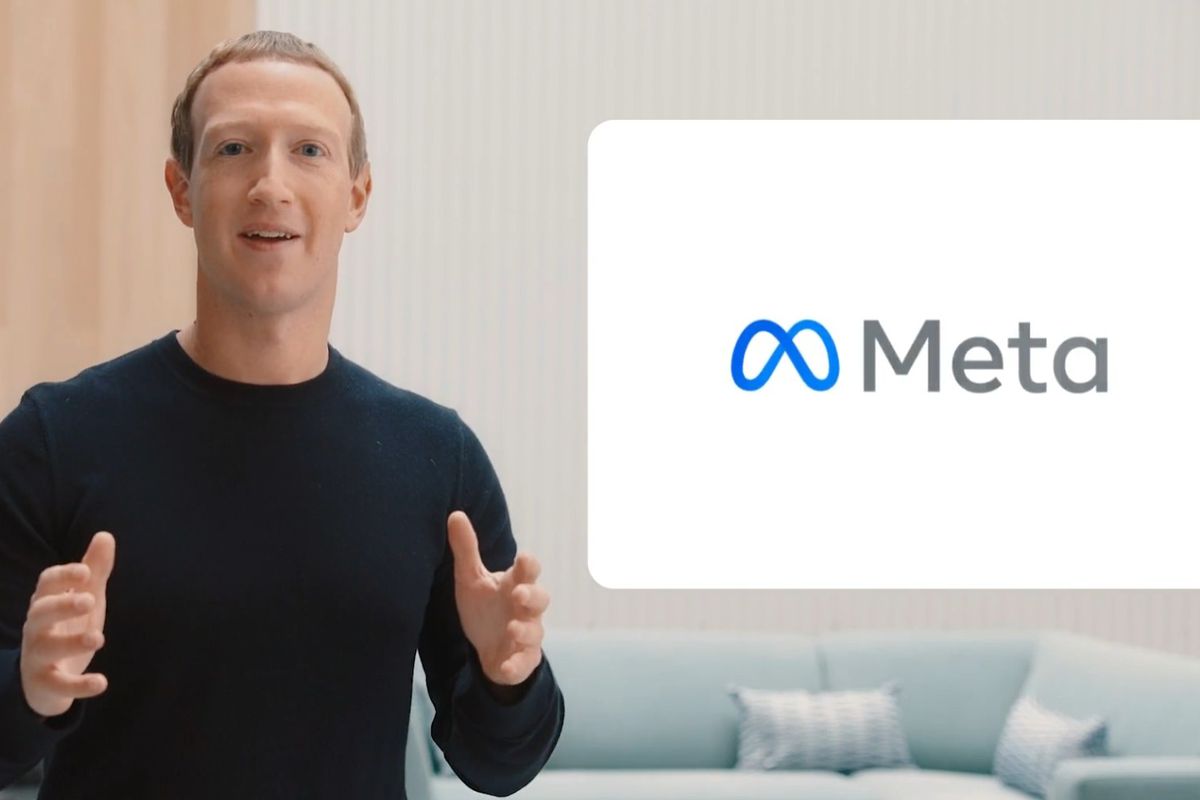
Meta’s announcement focused attention on immersive technologies. Source: The Verge.

Not more than 12 months later, Facebook’s founder Mark Zuckerberg announces one of the major corporate rebrands of recent years. Since October 2021, his social networks empire is now grouped under the brand Meta and aims to build the next generation of the internet (web 3.0), a symbiotic blend of the digital infosphere and the physical world. They call it “the Metaverse”.


Beyond the ambiguities of its radical shift, Meta’s move generated an unprecedented hype around the concept of virtual worlds and the technologies that are supposed to enable their fruition in a nearby future. Firsts on the list Augmented Reality (AR), Virtual Reality (VR) and everything in between.

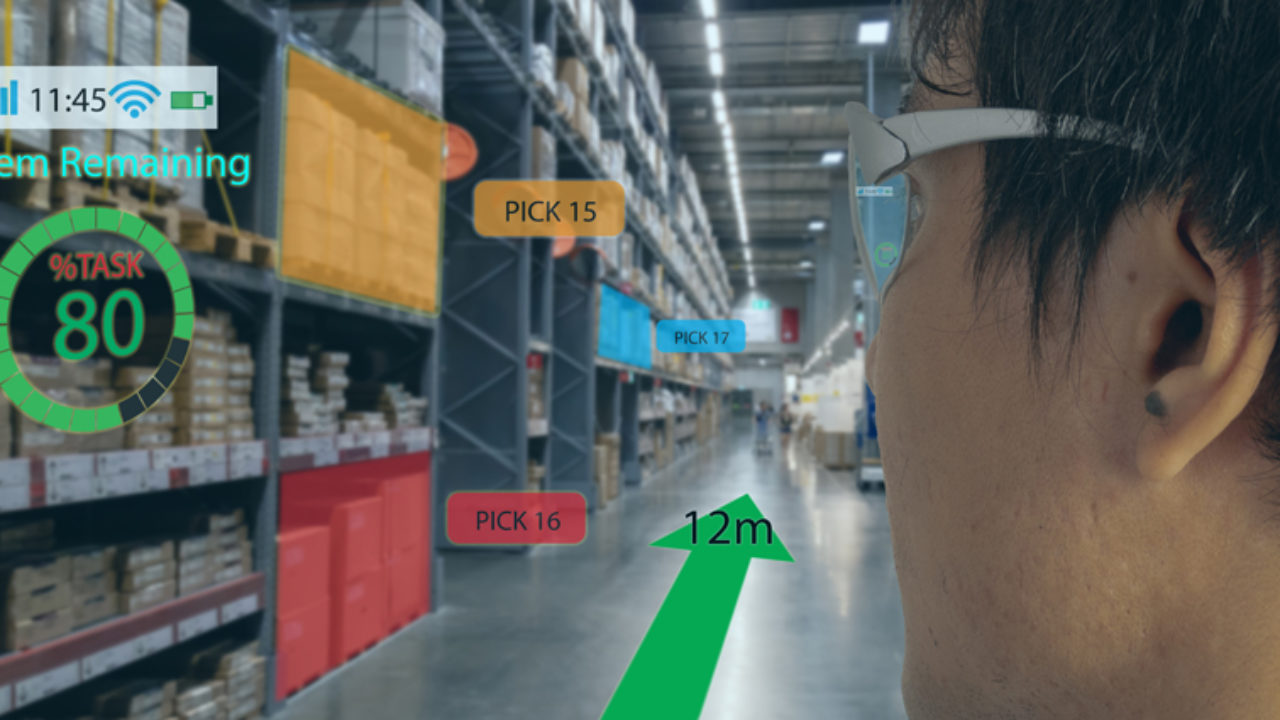
In Layman’s terms, VR consists of placing a screen in front of our eyes that streams a simulated perspective (a view) of a virtual environment, to give the illusion of being inside such a virtual world. In AR instead, the digital content is overlayed (added) to our view of the real world, whether through displaying it on the screen of a smart device (e.g. a smartphone) or through reflective lenses (smart glasses). Placing them side by side, the main difference between VR and AR is that the former precludes the visual perception of the reality, providing an experience of total visual immersion, while the latter adds visual content to our natural perspective, augmenting our visual experience.
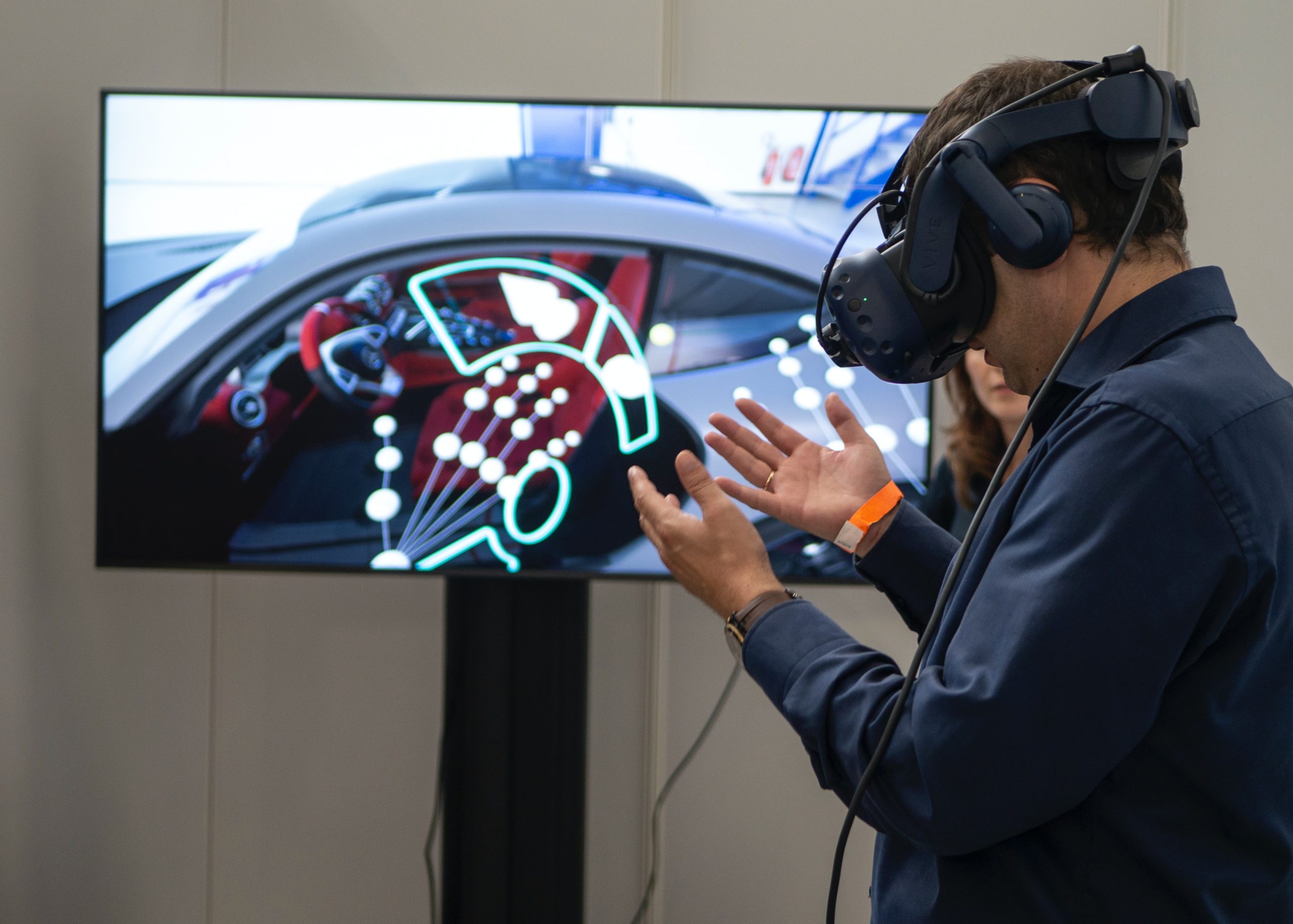
VR completely immerses the user in a virtual world. Source: XR Expo.
AR adds information to our natural view, “augmenting” our perception. Source: XR Today.


You might have tried AR or VR in exhibition pavilions, or at a techy friend’s house. Perhaps after watching Ready Player One, you have been so intrigued to download a VR app on your smartphone hoping, in vain, to have a similar amount of fun. But what Cook was referring to and what Meta anticipated goes far beyond the available applications. Much of their potential is still to be envisioned and a widespread adoption is still held back by certain barriers, such as hardware ergonomics, battery life and connectivity speed. However, cutting-edge innovations like Internet of Things, 5G, and a growing mobile computing capacity promise to address those limits and allow unprecedented ways of interaction with data, devices, and people.

Since the dawn of the computing era, our relationship with data passed through a bi-dimensional sheet of glass (or perforated paper for those who have a higher mileage), whereas the real world where we put those data to use is unarguably at least three-dimensional. As a Harvard publication pointed out[1], this gap between the digital and real-world represents a bottleneck for taking advantage of the rising torrent of data produced by an always more smart and connected world. By superimposing digital information directly on the real environment, AR allows processing the physical and digital simultaneously, eliminating the need to mentally link the two. By giving digital content a tridimensionality, VR allows us to experience it in a more natural and intuitive way that matches our instincts of interaction with reality. These capabilities will enable us to absorb information, make decisions and execute tasks more quickly and efficiently.
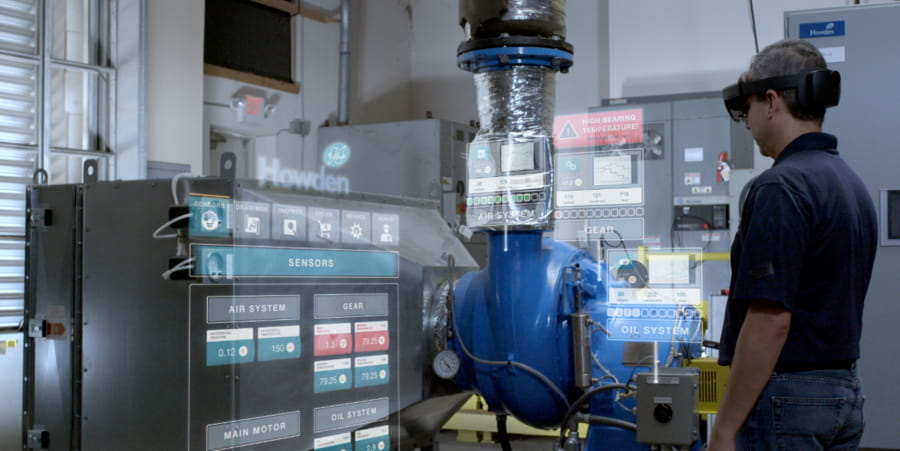
The combination of immersive tools and connected devices will change the way we interact with things. Source: PTC.

The future of digital interaction won’t be limited to your next washing machine, but industrial machinery, Artificial Intelligence, complex databases and potentially all digital-rich applications that make AR and VR promising tools for a broad range of work applications. A lack of real uses was perhaps one of the main causes of the clamorous, now almost ten-years-old, Google Glasses failure, when the tech giant tried broad commercialization of AR without providing solid use cases in real work or life situations. At the Institute for Manufacturing of the University of Cambridge, in the Center for Technology Management – among other fascinating topics – we are also studying the implementation of AR and VR into companies’ practices, in particular for strategic planning purposes.

Tech companies must deal with a high level of uncertainty and complexity when deciding, for instance, where to invest in the upcoming year, which features to provide in the next product or “simply” envisioning the future. The continuously reshaping industry landscape forces managers to constantly adapt strategies in order to address the threats posed by emerging technologies and seize the opportunities brought by them. Having a new, performative way of accessing, managing, communicating and (literally) handling information and insights of growing volume and complexity will be fundamental to navigating future uncertainties. Tools like AR or VR are potential enablers of such capacities and therefore might play a role in companies’ daily activities.
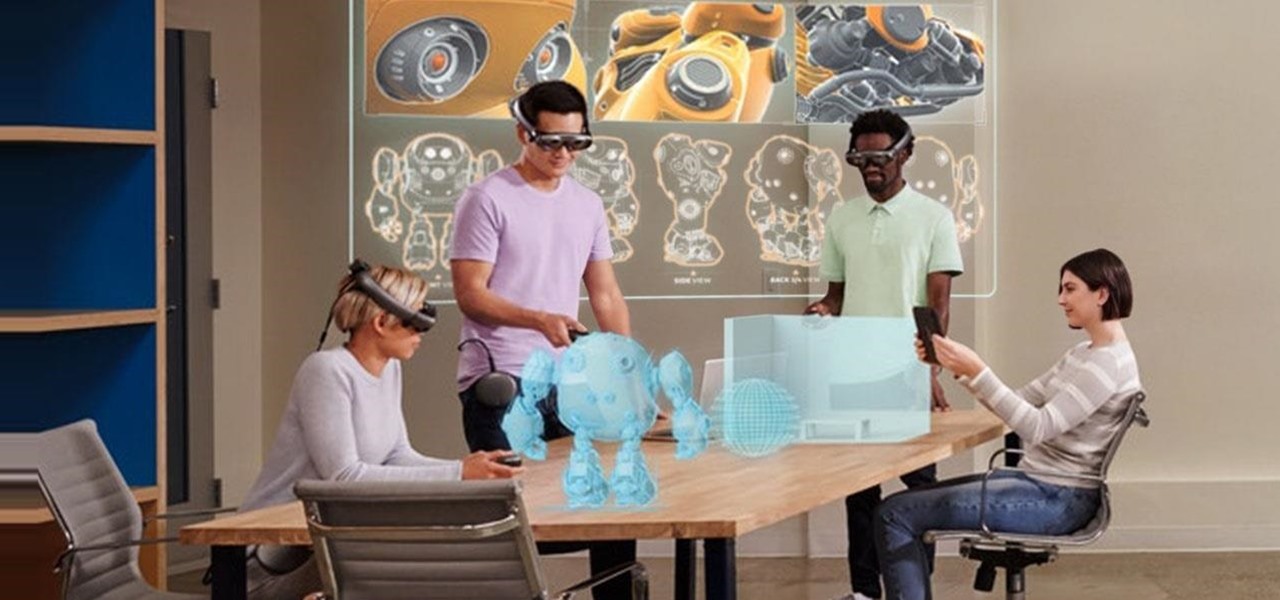
Companies will benefit from a more immersive way of visualizing data, testing products and communicating with colleagues. Source: Magic Leap.

Far from being a proven law, Cook’s words envisioned a radical change that will revolutionize our life. You might be (with reasons) a metaverse skeptic, or a fan of old-fashioned ways, but AR and VR applications are already being implemented by major players (e.g. Xerox, US Navy, Boeing) along their value chain and their number will inevitably increase along with the progress of the technology. Relatively soon in your office, in your factory, or at home, you might see people gesturing in the air, wearing strange glasses, hitting the furniture while talking to no one. Don’t panic, they might be just surfing the Metaverse.


 

[1] 2017, Porter M.E. and Happelmann J.E. Why Every Organization Needs an Augmented Reality Strategy. Harvard Business Review.
Source: Christina Häfliger

Digital Innovation Journey

Digital Innovation Journey
(Photo: Christina Häfliger)


Currently I am working on extending my theoretical knowledge on innovation ecosystems. Over the past few years, I have developed a strong research interest in innovation, entrepreneurship, and strategic management. With multilateral sets of partners interacting in ecosystems, legitimacy processes are an important part of successful orchestration. I’m particularly interested in finding out how innovation ecosystems can be initiated and maintained so that they flourish, and how legitimacy is established.

My research at EINST4INE focuses on innovation orchestration. I’m interested in the mechanisms that contribute to prospering ecosystems. The orchestration of ecosystems involves multiple organizations and parties. Innovation ecosystems create new opportunities for diverse stakeholders to collaborate. At the same time, they create challenges for the inclusion of multiple perspectives of various stakeholders.

My expectations for the EINST4INE project are to learn and to build a network of colleagues working in different areas of digital transformation. I intend to contribute with insights through my own research and to profit from excellent research training. Having worked in higher education for the last couple of years, I had wanted to specialize in innovation. As I have been involved in several innovation projects in the past, I was looking for opportunities that would give me international research and training experience.

Research on innovation provides for me the opportunity to delve further into a topic I find fascinating. During the first few months we were able to participate in highly interactive reading and discussion sessions. We learned about various research activities and received a lot of input and tips from experienced researchers and practitioners. It is great to get to know a diverse group of young research colleagues and an extended network of partners in the field of digital business and organization. So far, we had many discussions in our cohort and were able to get to know our EINST4INE colleagues better. One topic that I particularly liked in our discussions was open innovation, as this has been an interest of mine for a while. Different forms of collaboration have fascinated me for a long time. When the Marie Skłodowska-Curie Fellowship presented this excellent opportunity to further develop my skills, I was – and still am – very happy to be able to pursue my new career path in research.

Photo by Robynne Hu on Unsplash.

IT doesn’t matter: A Journey to EINST4INE

IT doesn’t matter.

I remember reading this article by Nicholas Carr during my graduate studies. I still remember this article today which may or may not relate to the fact that it also helped kickstart the idea for my consequent master thesis. While never before did I think much about cloud computing I started to get really engaged with the matter and how it drastically impacted how we “did IT”.

Technology has fascinated me for some time, going back many years. Since I can call myself a millennial of this day and age, I still recall the days of fixing my cassette with a pencil and mastering the art of Paint on a bulky Windows computer. When I was about 15 years old it started to become the norm to have a phone. One that slides up and down. It was the most fascinating tool I could have wanted. Today my smartphone is heavy, and it doesn’t fold nor slide.

Until today I have seen so many changes that I cannot count them anymore. I cannot count the types of phones and music players – portable and static – I used to own. Truly just the variety they came in. So much has changed and then again, not that much. We have become so used to the constant connection, the faceless conversations, the mind-numbing notification rings.

All of this raised more questions to me than it answered. How can we live in this interconnected digital world? What does it do to us, how we communicate, how we interact with each other?

Photo by Robynne Hu Source: Unsplash.

When the opportunity came up to apply for EINST4INE I knew I had to.

It was the sum and at the same time the continuation of everything I worked on since starting my bachelors in 2013. I explored so many topics in those years and yet I feel that questions remain, they reappear, they arise in new contexts again and again. What topics did I look at so far that still uphold my fascination for understanding digital technologies in a social context?

  • How does the Internet of Things in a smart office environment impact employer-employee-relationships?
  • How can we design humanoid robots when social and cultural bias will be mirrored in their representation?
  • In what way can social data be gathered in a smart home environment?
  • What motivates peers in the Sharing Economy and how does it impact our understanding of the P2P economy?
  • How does a cloud first strategy impact the role of IT staff in an organisation?

It was the last question of my master thesis that made me choose to pursue a PhD that studies the impact of implementing a technology that, through automation, deems traditionally complex and specialised knowledge redundant. Technology has had an enormous impact on our society in many ways. It has brought immense opportunities in so many areas from transport to healthcare, communication, finance. We have become agile, wireless and interconnected. Along with a plethora of benefits we still see challenges, disruption and the solutions we have yet to find.

EINST4INE to me offers exactly this opportunity where I can research a phenomenon that I believe to impact society at large. We have to help organisations, educational institutions and politicians to find those solutions.

Does IT matter?

It certainly has the greatest hold on us in this century than we might have imagined. But then again, it is just a technology. A connection of wires, a power source, switches, motors, microchips. Studying the composition of a computer a long time ago helped me to gain perspective. So did all those theories in Information Systems research. Technology is not the culprit. Carr makes a very valid point when he foresees the commoditisation of IT. Seeing how our utilities—electricity, water, gas—all have become our necessity for life – where would we be today without a computer, without the internet? IT is not something we achieve anymore. We know we can, and we did. What we do now is to go above and beyond. We merge humans and machines, intertwine our lives as much as possible and, as social scientists, explore the best ways to do so without collateral damages to, what we know to be, our society today.

I am dedicated to continuing onto my path, researching for answers that can create guidelines. And I am looking forward to doing exactly that.

pexels-rodion-kutsaiev-9436715

Digital transformation and human capital: how to conjugate them? The beginning of my journey in EINST4INE

My name is Chiara Mariottini and I am PhD student in Management at RMIT. Part of the valuable EINST4INE consortium, I also cover the role of early-stage researcher at RMIT Europe, where I am developing my research project on organizational capabilities, processes, and structures that support and drive digital transformation.

Before joining EINST4INE consortium, I firstly got a bachelor’s degree in Political Science and International Affairs and then, I successfully achieved a master’s degree in Marketing Analytics and Metrics, both obtained with honours at LUISS Guido Carli University.

Last year, I had the chance to work on my final dissertation, titled “Regulating Dark Patterns: promise and pitfalls of a fairness-oriented holistic approach in the European framework”, which helped me better understand and frame my ambitions for my professional career. My research aimed at investigating the impact of the employment of Dark Patterns (i.e., misleading user interfaces) on individual trust. Specifically, with my analysis, I analyzed the suitability of European legal tools to protect individuals from these business practices, which exploit cognitive bias and information asymmetries between professionals and consumers.

After that, I realized that I wanted to expand my interest in the impact of innovation and digitalization, focusing more on their implications within companies and trying to understand how digital transformation is best conjugated with human-driven resources. That’s why I decided to apply for the EINST4INE position I am currently covering.

EINST4INE represents for me the optimal place where I can best learn within the research field and explore my profound interest in new technologies and innovation through a strong interdisciplinary approach. Also, with this opportunity, I am getting the unique chance to integrate theoretical studies with in-field research, with industry partners, while building a wide network of scholars and researchers. Further, the consortium continuously promotes inter-institutional activities, such as bootcamps and summer schools, engaging students and Professors from all over the world.

My goal is to pursue an academic career, contributing to the research environment on European and global levels. This experience is giving me the proper tools and opportunities to lay the foundation for my professional life.

Of course, as in every PhD journey, challenges can emerge, especially when exploring new topics and working on new tasks. In my opinion, the best trick is to be always curious, trying to absorb as much information as possible when participating in debates, meetings, and events. Moreover, I think it is relevant to have a strategic approach in the organization of work, keeping in mind what our priorities are.

With my research project, I aim at producing valuable results, that can be used by industries to succeed in the digital transition, creating the right corporate environment and conjugating existing human resources with new digital technologies.