Robotics workshop in Odense Denmark

We travelled to Odense, Denmark in October 2022 to attend a workshop on robotics. We were able to tour two businesses, Blue Ocean Robots and Universal Robots, as well as the University of Southern Denmark (SDU), during this workshop. I’ll talk about my experiences touring two robotics companies and one university in this blog.

As a result of the several enterprises that are developing robots in Odense, the city is also known as the “city of robots.” First, we went to Blue Ocean Robotics, which has three primary robots. There, they let us interact with them and showed us some of their most important features. The CTO of Blue Ocean Robots also provided a general overview of the business, including its history, culture, technical staff, etc. Additionally, we went to their production facility and a lot of questions were answered there. Our researcher was quite curious throughout our visit, and I learned that there are still many robot advancements that can be made, and that they are actively working to do so.
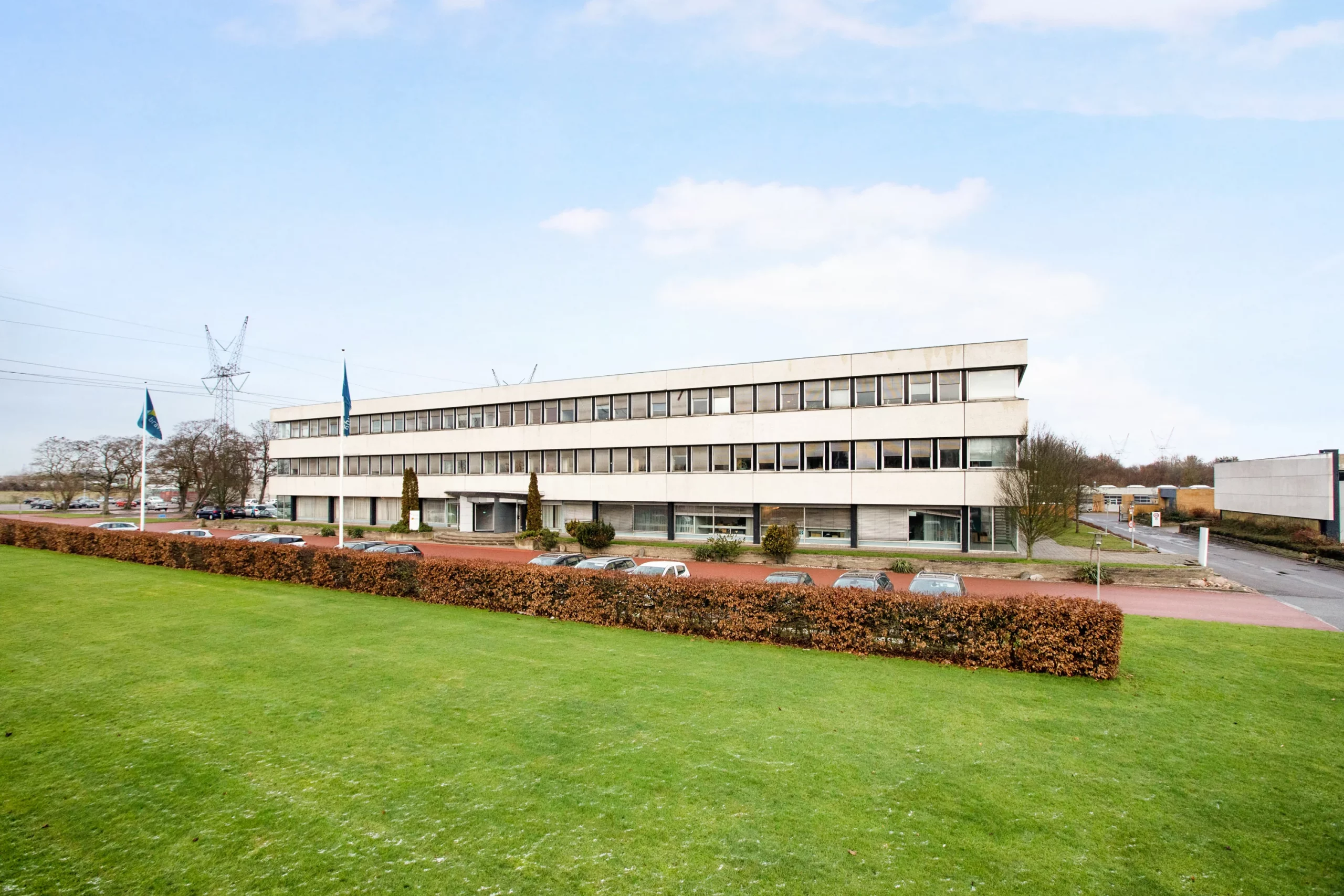
Figure 1: Blue Ocean robotics. Photo source: https://cdn2.hubspot.net/hubfs/5809782/Blue%20Ocean%20Robotics%20own%20folder/New%20Headquarters/Blue%20Ocean%20Robotics%20Domicil%202020_3.jpg

Secondly, we went to Universal Robots, where the innovation manager gave us a tour of the facility and then gave us the opportunity to program their robot. After the presentation, they also gave us access to the production site. One collaborative robot from Universal Robots is capable of carrying out a variety of activities, including screw driving and picking up and placing goods. After using their robot, I discovered that there is still room for development, and they are already enhancing and incorporating new functions into their robots.
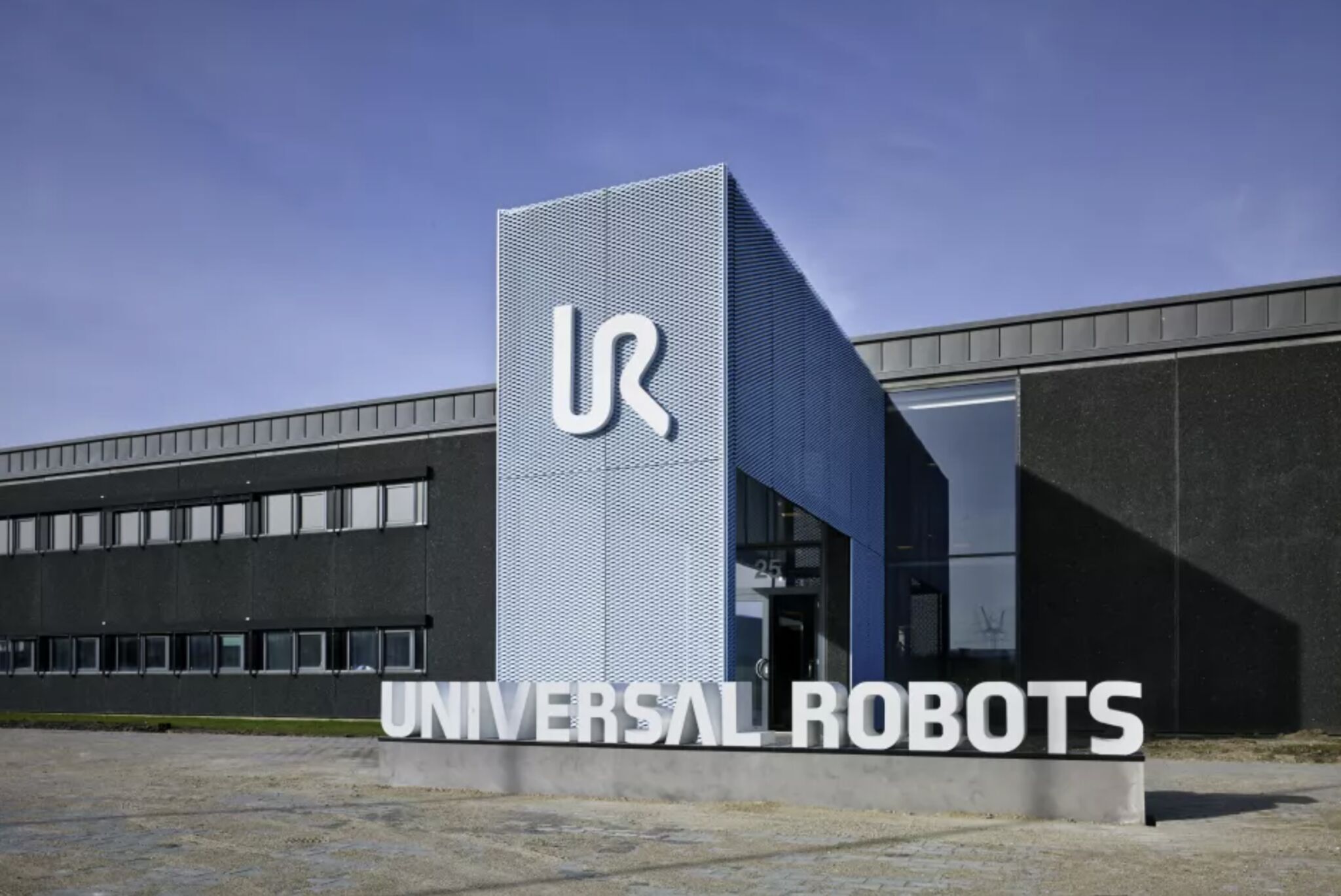
Figure 2: Universal Robots. Photo source: https://www.universal-robots.com/media/19454/ur_domicil01_387x290.jpg

Furthermore, the next day, we went to the Southern Danish University (SDU). Professor Calogero Maria Oddo, my supervisor, and other professors from various universities presented their research. Also, I with other researchers presented my poster and described my PhD project. During my stay in Odense, I discovered a lot of new things, and this workshop enabled me to better grasp the kinds of advancements and contributions I can make to the field of robotics during my PhD. It was a fantastic session that all of the organizers did a great job of planning. I’ve included some helpful advice here for anyone planning to visit industry in the future.

  • Before visiting, try to learn about the company’s primary products.
  • Before visiting, try to learn more about the history of the firm.
  • When you visit, try to learn about the company’s vulnerabilities.
  • Speak to as many of the staff members of that firm as you can.
  • Try to determine what a firm may gain from your talents.

In conclusion, I’d like to emphasize the importance of visiting businesses and other academic institutions throughout a PhD to learn about their contributions. Additionally, working in industry for a short period of time might be helpful for a PhD thesis.  You will be able to observe the implementation in actual robots during your tour to industry, and you can learn about ongoing research at other universities by visiting them. You can expand your network by going to workshops, conferences, and industry events. I really believe that when you are surrounded by intelligent individuals, you can learn a lot and, in the future, we will be able to take positive action for the advancement of our society.


 

My first secondment with AMPLYFI

My first secondment with AMPLYFI

So, one step further in my PhD journey: my first secondment with EINST4INE is in the books. I spenT some time with one of my industry partners: AMPLYFI in Cardiff. Here, I summarise a few useful learnings that might be helpful for your research as well!

AMPLYFI

My first secondment with AMPLYFI
Cardiff Bay (picture taken by Constanze Leeb).

The company I visited during my first secondment is part of the EINST4INE consortium. AMPLYFI is a company providing a research platform which uses AI to analyse content and uncover previously hidden trends and opportunities. For this, I moved to Cardiff, Wales (so once across the U.K. from East to West) where the company is headquartered  and spent a few weeks with AMPLYFI. If you have never been – Cardiff is a great city, with an amazing castle, lots of nice arcades and it’s next to the sea (and if you time it right and are lucky, like me – you can maybe see the King)! Hint: bring a waterproof jacket (and backpack) and no umbrella – it can get quite rainy and windy.

Real fieldwork – A typical day at AMPLYFI

My days at AMPLYFI were always interesting and fun. First, the team is really nice and the atmosphere very motivating. Second, I was able to participate in many things during my time there. I had a desk in a shared working space, could come to the office every day, met many of the team, and was able to participate in most things, which enabled me to really experience the company and their activities. I talked to many colleagues, sat-in on meetings and calls, participated in workshops and was able to get hands-on experience with AMPLYFI’s tools.

Industry vs. Academia

You have all heard this before, but it really is true: the pace is very different in the industry. Everything happens faster – especially at a young company like AMPLYFI! A colleague has an idea, a small team gets together to look into it, and a few weeks later you can see the results. It is incredible how quickly AMPLYFI’s tools develop, I am sure there will be something new when I return for my second placement with them!

My first secondment with AMPLYFI
AMPLYFI’s Board Room (picture taken by Constanze Leeb).

What impressed me as well is how well organised AMPLYFI is. They are working closely across teams, keep each other up to date on their work, and have detailed documentation of their tasks performed – something that academia can benefit from as well!

Lastly, I have always studied intelligence work from a distance – reading about it and hearing others talk about it. But I have never had to perform it myself. During my time at AMPLYFI I was able to do a little research project on a topic of my choice using AMPLYFI tools, which was an invaluable practical experience. What I definitely learned from it is that intelligence work is just as hard and complex as I thought it is and my respect for all people performing intelligence work has increased even more.

Learnings for and from fieldwork

My first experience in fieldwork was great, but I did realise that many of the things that made it great came from my Sociology background and me taking time before the secondment to visualise what it would be like. Therefore, I am summarising some of my learnings here:

  • Be well organised!
    When you enter the field, it can be overwhelming. So, it is best if you already thought about a few things and prepared them. For example:

    • Know where you want to take which kind of notes. Especially, if your fieldwork will entail data that is not being recorded on audio or video!
    • Prepare folders beforehand for your data, e.g.: interviews with employees, interviews with customers, etc.
    • Think about a naming system for your data. Are you going to number your interview partners? Are you going to name the files after the interview partners, the day of the interview, etc.?
      My first secondment with AMPLYFI
      View from AMPLYFI’s Board Room.
  • Be part of everything you can!
    Often you learn the most interesting things in situations least expected. So, if you have dedicated time for fieldwork – use it and participate in everything you can.

    • You will not only learn a lot by participating in meetings, events, social activities etc. – you will also meet people! And this in turn can give you access to new interview partners or new events.
    • When you hear about an interesting event. – just ask if you can participate. The answer will likely be yes, as you will have some form of NDA/CDA in place anyways. Remember: others don’t know what you need or are specifically interested in! And also: Worst case – the answer is no, but at least you asked!
    • If you feel like you have no idea of what is happening – just participate anyways, you will figure it out on the way. Or not – and then you can ask about it afterwards.
  • Just ask!
    We all know the fear of asking questions from school or university. Of course, also back then the lesson was: just ask! This is also true here, especially as you are entering the field from outside – nobody expects you to know everything!

    • If you don’t understand something – ask about it. Usually, people are very happy to help and to explain something. Even if it is basic for them, they understand that it isn’t basic for you. Also – this is what research is sometimes about right? Asking the obvious questions to understand deeper underlying concepts.
    • Ask for access to internal documentation and access to internal communication! This will give you invaluable insights and help you understand your field a lot better! Just ask and explain that it’s insightful for a comprehensive understanding – if they are not happy to share, they will tell you so.

If you are interested to hear more about my time at AMPLYFI: I also wrote a blog post for the AMPLYFI website! You can check it out here, next to other interesting blogs on the AMPLYFI website.